


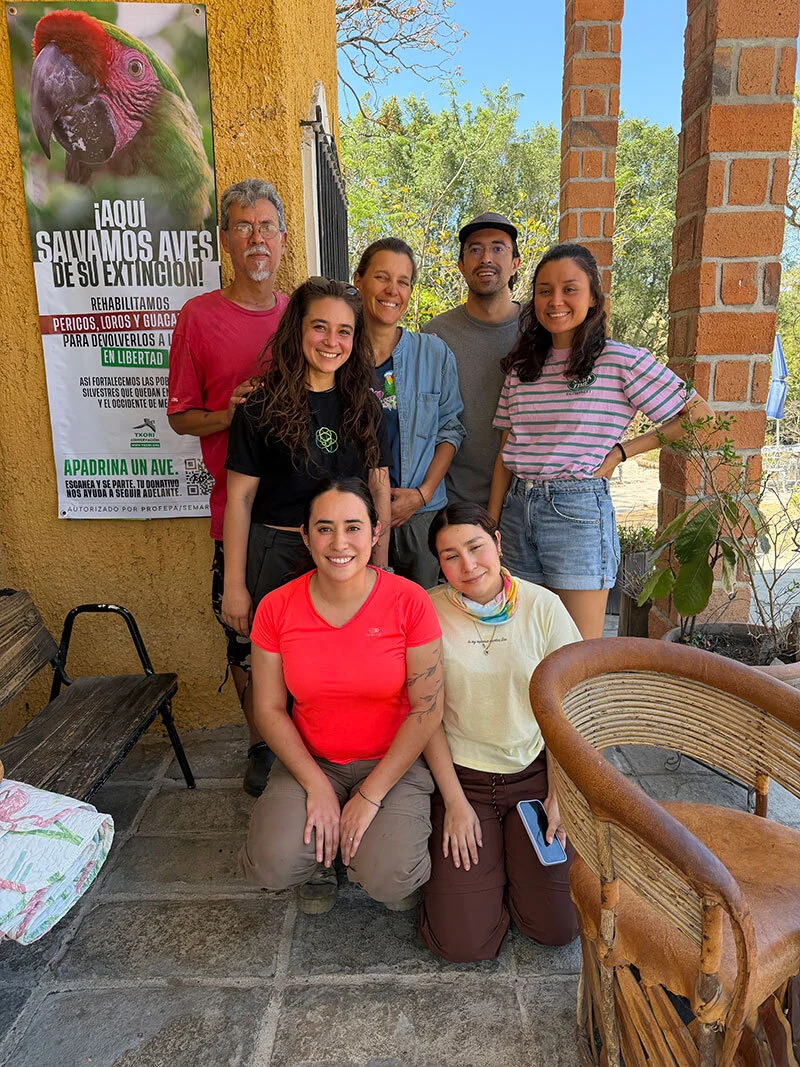
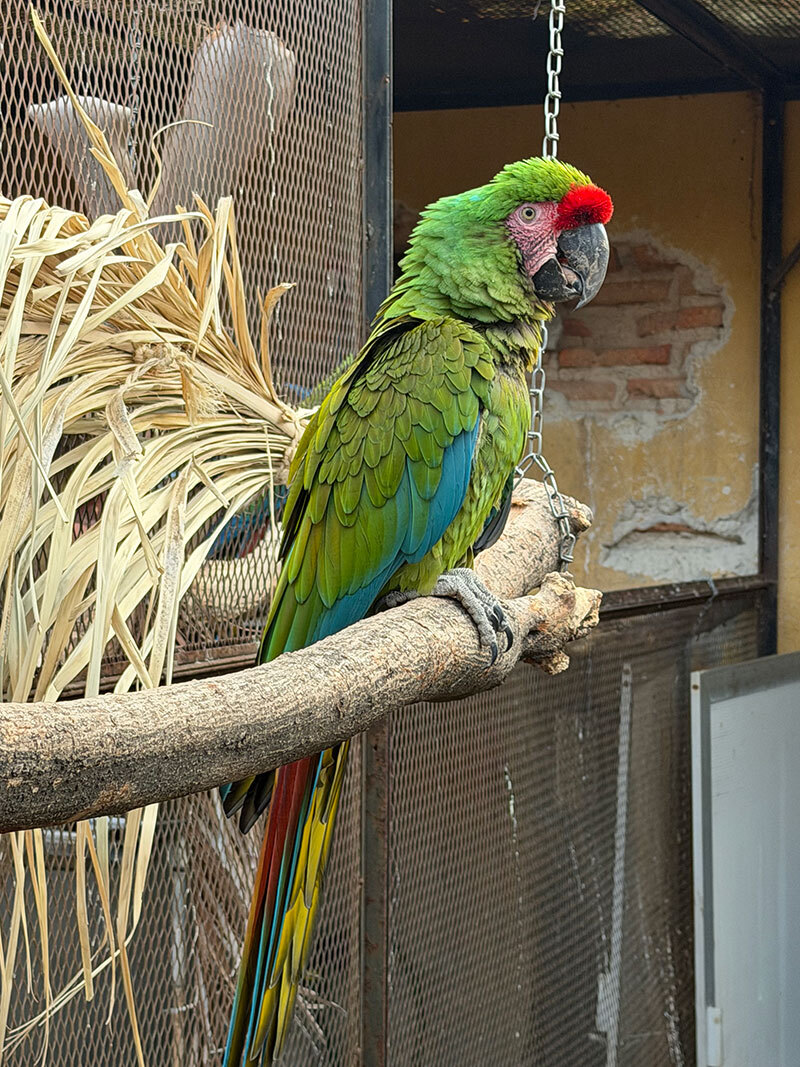
The forests of western Mexico, once vibrant with the raucous calls and striking emerald plumage of large, wild populations of Military Macaws (Ara militaris), now stand largely silent, a stark testament to decades of environmental degradation. These magnificent psittacines, characterized by their brilliant green feathers, blue and yellow wing patches, and distinctive red forehead, are currently classified as Vulnerable by the International Union for Conservation of Nature (IUCN), facing a high risk of extinction primarily due to rampant illegal logging, relentless urban expansion, and devastating wildlife trafficking. Spotting a wild flock of Military Macaws in their native habitat has become an increasingly rare and poignant experience for naturalists and locals alike, underscoring the severe decline of a species that once thrived across a vast swathe of the Americas. However, a significant beacon of hope has emerged from the dedicated efforts of the Txori Foundation, a Mexican conservation organization embarking on an ambitious project to reintroduce a carefully rehabilitated flock into their ancestral territories. This initiative represents a critical intervention, aiming not only to bolster dwindling populations but also to restore a vital component of Mexico’s rich biodiversity by March 2027.
The Silent Skies: A Species on the Brink
The Military Macaw, named for its olive-green coloration reminiscent of military uniforms, is a large parrot, typically measuring between 70 to 80 centimeters (28 to 31 inches) in length and weighing approximately 900 grams to 1.1 kilograms (2 to 2.4 pounds). These highly intelligent and social birds are known for their strong pair bonds and communal roosting behaviors, often forming large flocks that can number in the hundreds. Their diet primarily consists of seeds, nuts, fruits, and clay from mineral licks, playing a crucial ecological role as seed dispersers, thereby contributing significantly to forest regeneration and health. Historically, their range extended from Mexico through Central America to northern South America, inhabiting humid evergreen forests, semi-arid woodlands, and gallery forests near rivers, often preferring areas with cliffs for nesting and roosting.
In Western Mexico, the decline of Ara militaris has been particularly acute. Scientific assessments indicate a severe population contraction, with estimates suggesting a reduction of over 30% in the past three generations, a trend that is projected to continue without aggressive conservation measures. The primary drivers of this precipitous decline are multifaceted and interconnected. Illegal logging operations, driven by both domestic and international demand for timber, have led to widespread deforestation and habitat fragmentation. These activities not only remove essential foraging grounds but also destroy the large, mature trees that macaws depend on for nesting cavities and roosting sites. Without these critical resources, breeding success plummets, and remaining populations become isolated and more vulnerable to other threats.
Concurrently, rapid urban expansion encroaches upon remaining natural habitats, converting forests into agricultural land, residential areas, and infrastructure. This directly reduces the available space for macaws and increases human-wildlife conflict as birds venture closer to human settlements in search of food. Furthermore, the burgeoning illegal wildlife trade poses an existential threat. Military Macaws are highly sought after in the exotic pet market due to their striking appearance and ability to mimic human speech. Poachers often target nests, stealing chicks, which not only removes future breeding adults from the wild but also frequently results in high mortality rates for the young birds during capture and illicit transport. The global nature of this trade, despite international regulations like CITES (Convention on International Trade in Endangered Species of Wild Fauna and Flora) which lists Ara militaris in Appendix I, makes enforcement challenging and often insufficient to curb the relentless demand. The cumulative effect of these pressures has pushed the Military Macaw population in Western Mexico to the precipice, transforming what was once a common sight into a rare and treasured encounter.
Txori Foundation: Decades of Dedication to Mexican Wildlife
Established in 1989, the Txori Foundation emerged as a direct response to the escalating environmental crises plaguing Mexico, particularly the alarming decline of its diverse wildlife. The organization has, over more than three decades, solidified its reputation as a formidable advocate for conservation, engaging in various initiatives ranging from habitat protection and ecological restoration to wildlife rescue and rehabilitation. Their commitment extends beyond a single species, encompassing a holistic approach to safeguarding Mexico’s unique ecosystems. The original article’s reference to "well over a century" fighting for wildlife, while perhaps an enthusiastic expression given the 1989 establishment date, aptly conveys the profound, long-term dedication and deep-rooted passion that defines the foundation’s work. It underscores a legacy of sustained effort against complex and persistent environmental challenges, highlighting their deep institutional knowledge and unwavering resolve.
For decades, Txori has operated with a dual focus: immediate intervention to rescue animals in peril and long-term strategic planning to address the root causes of endangerment. Their sanctuary, located in a region crucial for the survival of numerous endemic species, serves as a safe haven and a vital rehabilitation center. Here, animals rescued from the illegal pet trade, habitat destruction zones, or injuries receive specialized care designed to prepare them for eventual reintroduction into the wild. The foundation’s operational philosophy is rooted in scientific rigor and a profound understanding of animal behavior and ecological dynamics, ensuring that every effort contributes meaningfully to conservation outcomes. Their work on the Military Macaw project is a culmination of this extensive experience, representing one of their most critical and ambitious missions to date.
The Road to Freedom: Intensive Rehabilitation for 16 Macaws
At the heart of the Txori Foundation’s current endeavors lies a flock of 16 Military Macaws, each a symbol of both past exploitation and future hope. These birds are not merely housed at the sanctuary; they are undergoing a meticulously structured and scientifically guided rehabilitation program, designed to equip them with the essential survival skills necessary to thrive independently in the wild. The preparation for this monumental release is rigorous, demanding an intricate understanding of macaw ethology and ecology.
The rehabilitation protocol is overseen by a specialized, multidisciplinary team comprising highly skilled professionals. This passionate network includes experienced ornithologists who monitor avian behavior and social interactions, veterinary specialists who ensure optimal health and provide necessary medical interventions, animal behaviorists who design enrichment programs to stimulate natural instincts, and field technicians who track progress and manage daily care. Together, they meticulously guide the macaws through various stages of their journey back to the wild.
Key components of this preparation include:
- Flight Conditioning: The macaws are housed in expansive aviaries that allow for extensive flight, gradually building their stamina, agility, and aerial maneuvering skills, crucial for navigating dense forests and evading predators.
- Foraging and Self-Sufficiency Training: To ensure they can locate and process natural foods, the birds are exposed to a diverse array of native fruits, seeds, and nuts, often presented in challenging ways that mimic natural foraging scenarios. This helps them develop crucial problem-solving skills and reduces reliance on human-provided sustenance.
- Predator Recognition and Avoidance: Through controlled simulations and exposure to natural cues, the macaws learn to identify and react appropriately to potential threats from aerial and terrestrial predators, a vital skill for survival in the wild.
- Social Bonding and Flock Dynamics: Given the highly social nature of Military Macaws, fostering strong inter-bird relationships within the rehabilitation flock is paramount. This ensures they can form cohesive groups, which offers protection and aids in resource discovery once released.
- Health and Disease Management: Prior to release, each bird undergoes comprehensive veterinary examinations, including disease screening and parasite control, to ensure they are robust and do not pose a health risk to existing wild populations.
- Acclimatization to Natural Environment: The macaws are gradually exposed to the sights, sounds, and environmental conditions of their future release site, helping them adapt to varying weather patterns and natural stimuli.
The ultimate objective of this intensive and massive effort is not just to release birds, but to reintroduce a self-sustaining population into their original biological corridors. These corridors are crucial tracts of contiguous forestland that connect fragmented habitats, allowing for genetic exchange and broader movement, thereby helping to naturally repopulate the species and spark a true recovery for Mexico’s wild macaw populations. The success of this pre-release preparation is the linchpin for the long-term viability of the entire reintroduction program.
Targeting March 2027: A Critical Countdown
The anticipation within the Txori Foundation and the wider conservation community is palpable as the grand release of the 16 Military Macaws draws closer. If all goes according to the meticulously laid plans, these magnificent birds are scheduled to take flight into freedom in March 2027. This date is not arbitrary; it has been chosen to coincide with optimal environmental conditions in the target biological corridors, maximizing the macaws’ chances of successful acclimatization and survival. Factors such as food availability, weather patterns, and breeding cycles of other local species are carefully considered to ensure a smooth transition.
The selection of the release site within the "original biological corridors" is a critical scientific undertaking. It involves extensive ecological surveys to identify areas with abundant natural food sources, suitable nesting and roosting sites, minimal human disturbance, and existing connectivity to other patches of suitable habitat. The goal is to place the birds in an environment where they have the best opportunity to establish themselves, reproduce, and contribute to the genetic diversity of the wild population. Post-release monitoring will be an immediate and ongoing priority. This will likely involve equipping some macaws with lightweight, solar-powered GPS transmitters before their release, allowing the Txori team to track their movements, observe their foraging behaviors, and identify potential challenges or areas of concern. This data is invaluable for understanding the success of the reintroduction and informing future conservation strategies.
"The countdown to March 2027 is a period of immense hope and intense activity for us," states a spokesperson for the Txori Foundation, emphasizing the collective dedication. "Every day brings us closer to seeing these incredible birds soar free, reclaiming their rightful place in Mexico’s skies. This isn’t just about 16 macaws; it’s about restoring an ecological balance, rekindling a vital connection to nature, and demonstrating that with concerted effort, we can reverse the tide of extinction." The successful reintroduction would represent a significant milestone, not only for the Military Macaw but also as a powerful testament to what focused conservation efforts can achieve.
The Uphill Battle: Funding the Future of Conservation
Despite the meticulous planning and unwavering dedication of the Txori Foundation, the journey to the March 2027 release is fraught with an ongoing and significant challenge: securing steady financial resources. As a privately funded conservation project, the Txori Foundation relies heavily on donations, grants, and partnerships to sustain its operations. This financial independence allows for agility and direct action but also places a constant burden on fundraising efforts, as the costs associated with advanced wildlife rehabilitation and reintroduction are substantial and non-negotiable.
Before the aviary doors can open, signifying the macaws’ return to the wild, the Foundation must achieve its fundraising goals to cover a myriad of essential expenditures. These critical costs include:
- Specialized Avian Nutrition: Providing a balanced, species-appropriate diet that mimics natural foraging is crucial for the macaws’ health and prepares them for wild foods. This involves sourcing a variety of native fruits, seeds, and nuts, which can be expensive.
- Veterinary Care and Health Monitoring: Regular health checks, vaccinations, parasite control, and emergency medical treatments are vital throughout the rehabilitation process. This requires specialized avian veterinarians and advanced diagnostic equipment.
- Enclosure Maintenance and Expansion: The large, flight-conditioning aviaries require continuous upkeep, cleaning, and sometimes expansion to accommodate the birds’ needs and simulate natural environments. Security measures to protect against theft or disturbance are also a significant expense.
- Personnel and Training: The multidisciplinary team of ornithologists, veterinarians, behaviorists, and field technicians are highly skilled professionals whose expertise is indispensable. Their salaries and ongoing training represent a substantial portion of the operational budget.
- Monitoring and Research Equipment: Post-release tracking devices (e.g., GPS tags), field equipment for surveys, data analysis software, and research materials are essential for evaluating the success of the reintroduction and guiding future efforts.
- Habitat Restoration and Protection: Efforts may be needed to secure and enhance the release sites, including planting native vegetation, removing invasive species, and establishing patrols to deter illegal activities.
- Community Outreach and Education: Engaging local communities is paramount for long-term success. Funding is needed for educational programs, workshops, and initiatives that foster a sense of stewardship among

