


The Diagnostic Trap of Insulinoma
In clinical practice, the presentation of a lethargic or collapsing ferret often triggers an immediate, reflexive test for blood glucose. If the result falls between 70 and 90 mg/dL, clinicians frequently jump to a diagnosis of pancreatic beta-cell tumors, or insulinoma. Dr. Johnson-Delaney warns that this approach is fraught with error. Glucometers calibrated for humans or other domestic species are notoriously unreliable for ferrets, and a single measurement lacks the necessary context regarding the patient’s last meal, fasting duration, and physiological state.
The ramifications of an incorrect diagnosis are significant. Patients are often prematurely started on prednisone—a corticosteroid that may provide temporary relief but does not treat the actual cause of the collapse. In many cases, the ferret’s condition fails to improve and may even deteriorate as the true ailment—which could be cardiac, renal, dental, or musculoskeletal in origin—remains unaddressed.
Chronology of the Clinical Presentation
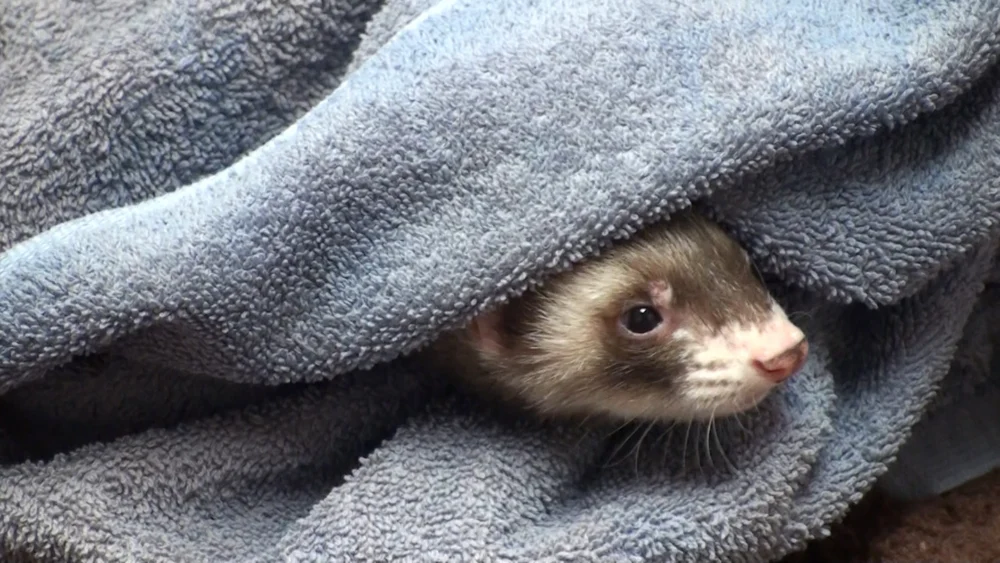
The typical patient profile for this diagnostic dilemma is a geriatric ferret. The history provided by owners usually includes intermittent episodes of collapse, exercise intolerance, and noticeable weight loss or muscle wasting. When these patients arrive at a clinic, they are often in a state of crisis.
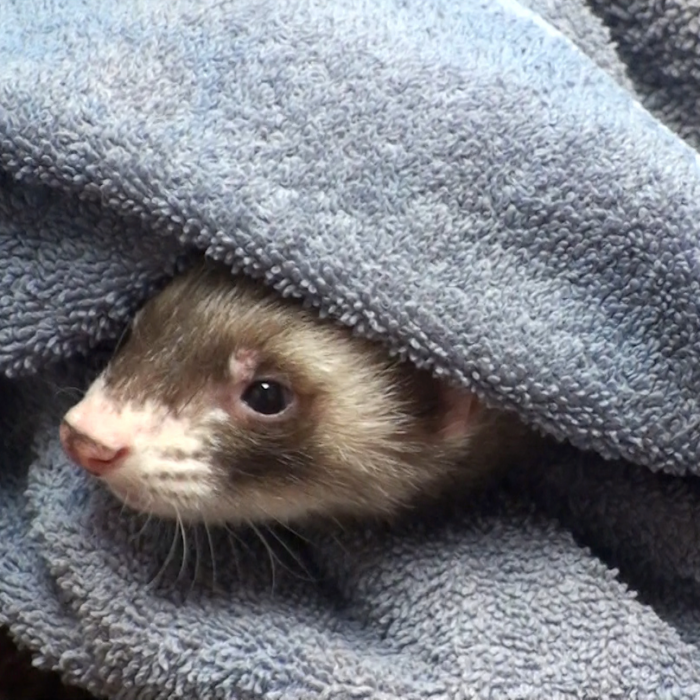
- Initial Presentation: The animal is presented in a collapsed or ataxic state.
- Immediate Diagnostics: Glucometry is performed. If the reading is sub-normal, insulinoma is suspected.
- Inconclusive Findings: Radiographs may show signs of splenomegaly or cardiomegaly, but these are common findings in aging ferrets and do not confirm the etiology of the collapse.
- Treatment Failure: Prednisone is administered; the patient fails to stabilize, signaling a need for a broader diagnostic investigation.
Broader Differential Diagnoses
Dr. Johnson-Delaney emphasizes that the diagnostic net must be cast wider. While islet cell disease is a legitimate concern, clinicians must consider several other systemic issues that mimic its presentation:
- Cardiac Disease: Heart failure is a leading cause of weakness and collapse in older ferrets. Practitioners should evaluate for arrhythmias and structural heart changes.
- Dental Disease: Chronic pain and infection arising from oral health issues can lead to secondary anorexia and subsequent weakness.
- Renal and Musculoskeletal Issues: Chronic kidney disease and muscle-wasting conditions often manifest as lethargy and instability.
- Physiological Fluctuations: Normal ferret physiology involves blood glucose levels that fluctuate differently than those of dogs or cats. A single point-in-time reading is rarely diagnostic.
Data-Driven Management and Support
To address the diagnostic uncertainty, Dr. Johnson-Delaney provided actionable protocols during the expert Q&A session. Regarding insulinoma management, the objective is to maintain blood glucose levels above 60 mg/dL four hours post-prandial. If a ferret presents with a low glucose reading of unknown origin, the clinician’s first step should be to establish the time of the last meal. If the patient has not eaten in the last two to three hours, dextrose supplementation on the gums followed by a re-test in 15 to 30 minutes can help determine if the hypoglycemia is physiological or pathological.
For cardiac cases, the use of a specialized "Cardiac Formula" was discussed. Dr. Johnson-Delaney noted that this formula, which includes specific nutraceuticals, should be prepared using high-quality, USP-labeled or ConsumerLab-verified ingredients. These ingredients should be suspended in a balanced omega-3, 6, and 9 oil, with a recommended omega-3 to omega-6 ratio of 3:1. The formula must be refrigerated and handled with care to prevent the degradation of fatty acid bonds.
Expert Insights and Professional Impact
Dr. Cathy Johnson-Delaney, a luminary in the field of exotic animal medicine, brings over 30 years of experience to this discussion. As a founding member of the Washington Ferret Rescue & Shelter and a past president of both the Association of Avian Veterinarians and the Association of Exotic Mammal Veterinarians, her insights carry significant weight in the veterinary community. Her textbook, Ferret Medicine and Surgery, remains a definitive resource for practitioners.
The webinar, which included a post-test for continuing education credit, served as a professional development opportunity for veterinarians and veterinary technicians. The event underscored the importance of keeping current with diagnostic advancements, such as the use of the Grimace Pain Scale for better pain recognition in ferrets and refined techniques for conscious blood sampling.
Implications for Future Practice
The industry-wide implication of this discourse is clear: there is a pressing need for a more nuanced approach to geriatric ferret care. The shift away from reactive, single-test diagnostics toward a comprehensive, patient-centered diagnostic model is essential for improving outcomes.
The widespread availability of this session, including the recorded webinar and the detailed Q&A, ensures that the findings remain accessible to practitioners globally. By adhering to updated protocols, veterinarians can avoid the common pitfalls of the "insulinoma assumption," ultimately providing higher standards of care for their exotic patients.
For clinics without access to advanced interventions like dobutamine, Dr. Johnson-Delaney’s candid assessment—acknowledging that there are no perfect, simple substitutes but emphasizing the necessity of emergency preparedness—highlights the reality of managing complex, small-mammal internal medicine. As the field continues to evolve, the integration of specialized nutritional support, improved pain management, and rigorous diagnostic standards will remain the cornerstone of effective ferret medicine.

The event concluded with a drawing for a copy of Ferret Medicine and Surgery, awarded to Dr. Joyce Fuchs of Shively Animal Clinic & Hospital, further cementing the collaborative nature of this ongoing clinical education. Through the combination of updated research, peer-reviewed methodology, and expert guidance, the veterinary community is better equipped to move beyond superficial diagnoses and provide the sophisticated care that these complex, high-energy pets require.

