


Avian veterinarians and nutritionists have long emphasized that maintaining a diverse and balanced diet is critical to the longevity and physiological health of companion budgerigars (Melopsittacus undulatus), commonly known as budgies or parakeets. While standard commercial seed and pellet mixes form the cornerstone of captive avian husbandry, pet owners frequently look to domestic pantries to supplement their birds’ daily nutritional intake or to provide emergency rations during shortages. Recent veterinary guidelines and avian behavioral studies underscore the necessity of categorizing everyday household items into safe dietary enrichments and strictly hazardous substances to prevent systemic illness, nutritional deficiencies, and fatal toxicity.
Background Context and Nutritional Requirements in Captive Avian Care
In their native Australian habitat, budgerigars forage extensively across open grasslands, scrublands, and woodlands, consuming a wide array of native grass seeds, emerging shoots, and seasonal vegetation. Consequently, their digestive systems have evolved to process high-fiber, low-fat botanical matter. Modern avian veterinary medicine recommends that captive diets mirror these natural foraging behaviors while compensating for the sedentary lifestyle typical of indoor pets.
Avian specialists note that exclusive seed diets often lead to hepatic lipidosis (fatty liver disease) and severe vitamin deficiencies due to high fat contents and a lack of essential micronutrients. Incorporating single-ingredient, whole-food items from human pantries can bridge this nutritional gap, provided that caregivers strictly avoid processed foods laden with refined sugars, synthetic preservatives, and excessive sodium.
Chronology of Dietary Expansion in Avian Husbandry
The evolution of domestic parakeet feeding practices has shifted significantly over the past several decades. Historically, pet budgies were maintained almost exclusively on millet sprays and generic seed blends. By the late 20th century, the advent of specialized avian pelleted diets introduced targeted nutrient profiles designed to reduce selective feeding behaviors.
More recently, contemporary bird care protocols have integrated behavioral enrichment—a concept where food is presented in novel ways to stimulate cognitive function and physical dexterity. The introduction of pantry staples such as sprouted grains, cooked pseudo-cereals, and fresh vegetative matter represents a modern consensus that captive parrots thrive when provided with dynamic, multifaceted dietary regimens.
Safe Household Foods: Nutritional Analysis and Moderation
Avian nutritionists have evaluated numerous common kitchen items, identifying 19 distinct household foods that are safe for budgerigars when administered under strict moderation guidelines.
- Whole Grains and Legumes: Unprocessed whole-wheat bread, whole-grain oats, and cooked or raw pseudocereals such as quinoa provide complex carbohydrates and sustained energy. Similarly, plain cooked pasta—particularly whole-wheat or legume-based varieties—serves as both a dietary supplement and a structural element for foraging toys.
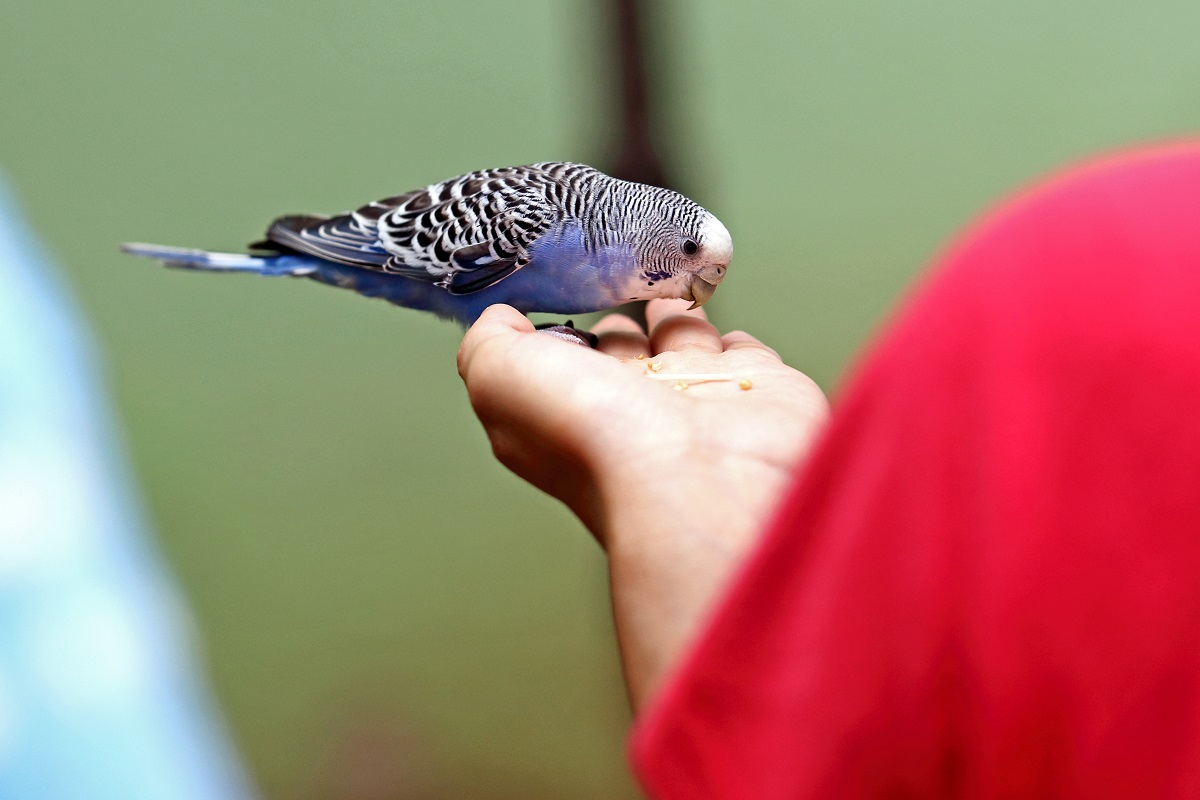
- Seeds and Nuts: While commercial seed mixes contain basic grains, items like chia seeds, hemp seeds (devoid of psychoactive compounds), and flaxseeds offer high concentrations of Omega-3 fatty acids. High-fat nuts including cashews, almonds, pine nuts, and unsalted pumpkin or sunflower seeds must be restricted to occasional training treats or fractions of single nuts to prevent obesity.
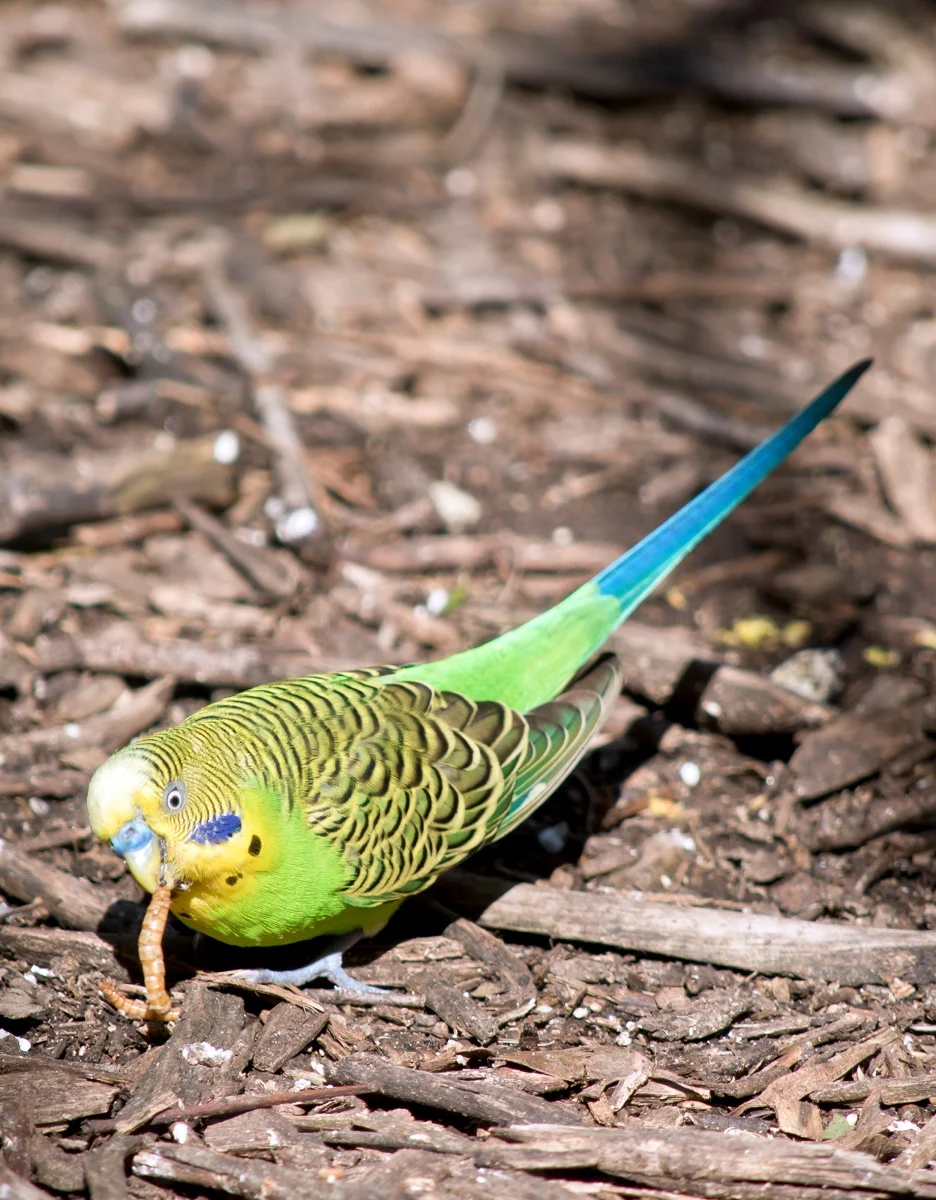
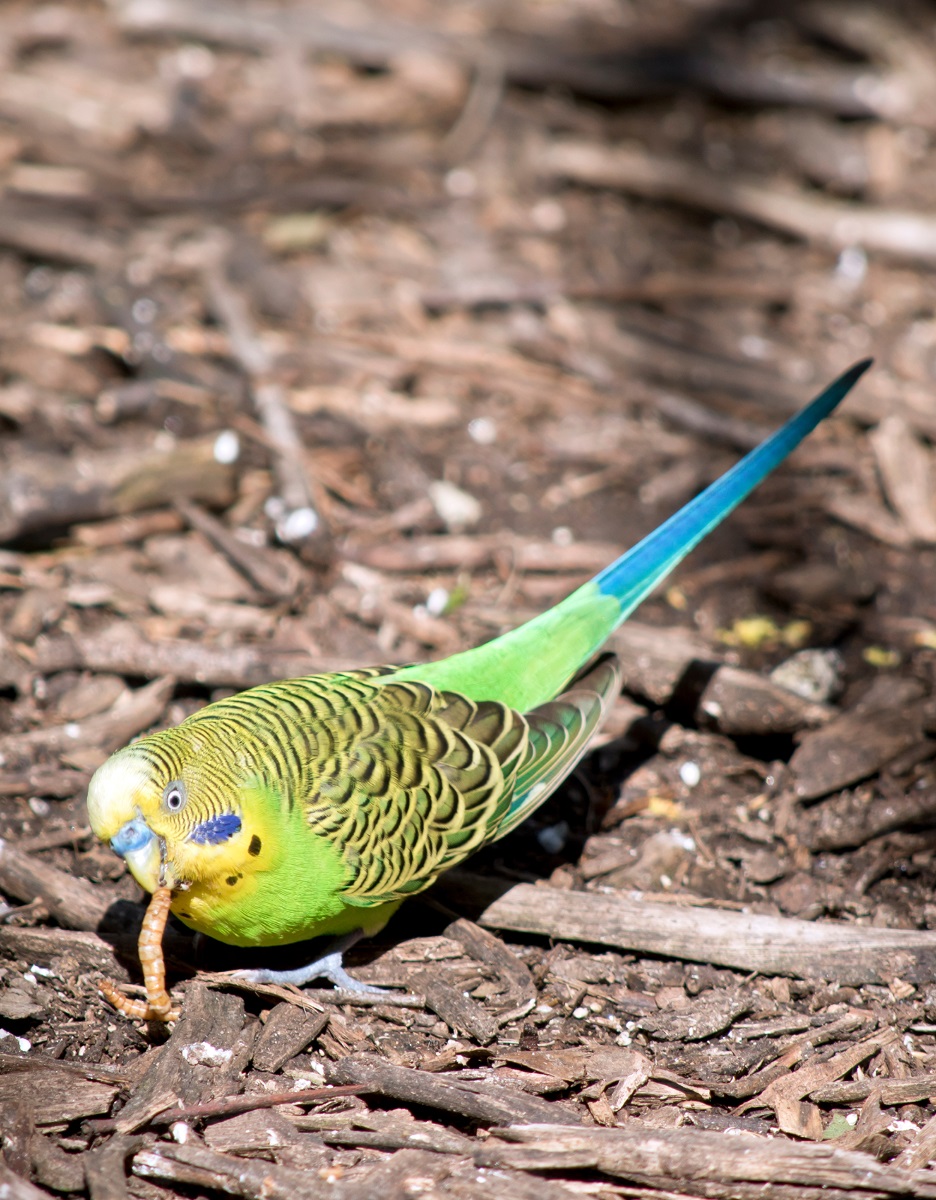
- Proteins: Although herbivores by classification, budgerigars in the wild occasionally ingest insects, and captive birds benefit from supplementary protein during specific life stages, such as egg-laying. Plain, unseasoned boiled eggs and small fragments of cooked, unseasoned chicken breast supply essential amino acids.
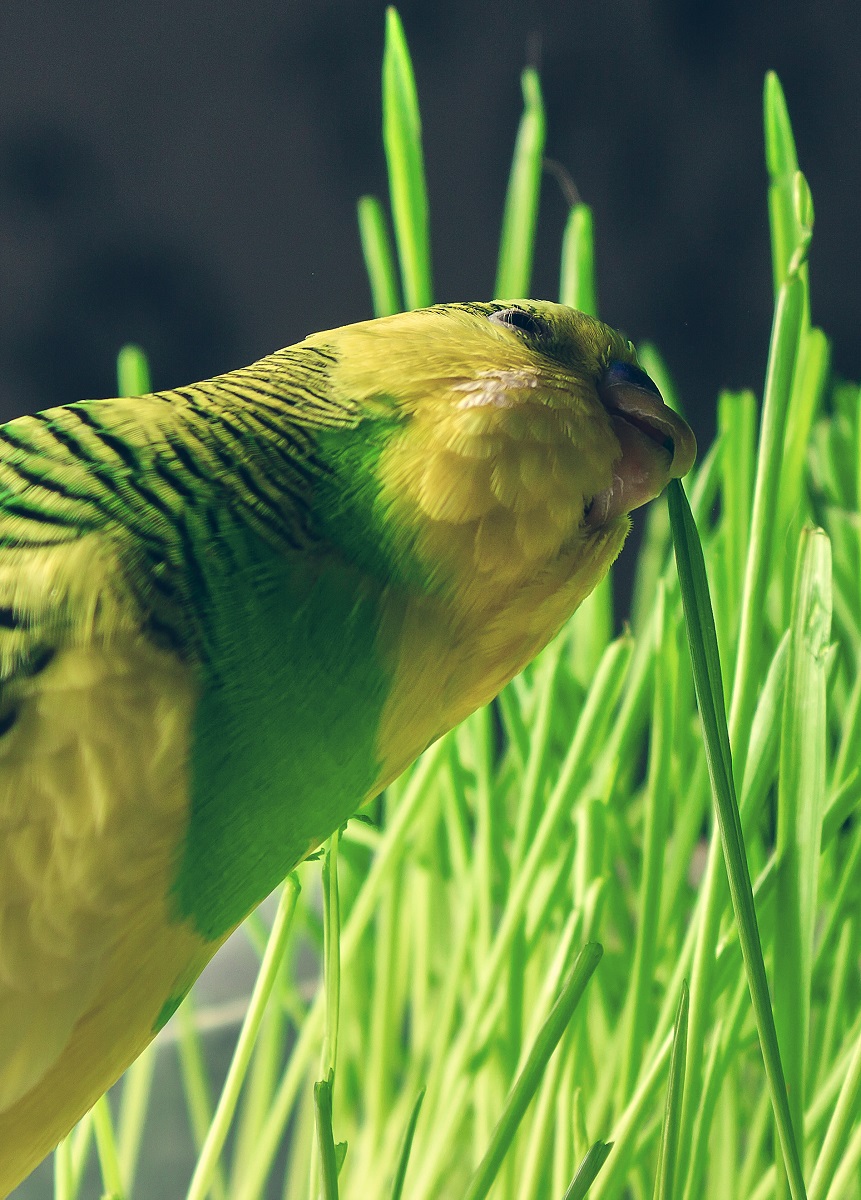
- Fresh Foraging Elements: Sprouted wheatgrass offers vital chlorophyll and promotes natural shredding behaviors, while natural peanut butter can be used sparingly as an adhesive agent to encourage cautious birds to explore unfamiliar foods.
Strictly Toxic and Hazardous Pantry Items
Conversely, veterinary toxicologists maintain a rigorously enforced list of household substances that present immediate, life-threatening dangers to psittacine species. Due to their diminutive body mass, budgerigars are exceptionally vulnerable to chemical toxins and metabolic disruptions.
- Avocado (Persea americana): Widely documented in veterinary literature, avocado contains persin, a fungicidal toxin. Clinical avian medicine confirms that ingestion of even microscopic amounts of avocado flesh, pit, or skin can induce acute respiratory distress, myocardial necrosis, and rapid mortality in small parrots.
- Methylxanthines (Chocolate and Caffeine): Theobromine and caffeine, found in cocoa products, coffee, and certain teas, cannot be metabolized efficiently by avian liver enzymes. Consumption leads to central nervous system excitation, cardiac arrhythmias, and fatal toxicity.
- Honey and Sweeteners: Raw honey and unrefined corn syrup carry a latent risk of Clostridium botulinum spores, which produce deadly neurotoxins within the avian digestive tract. Furthermore, artificial sweeteners such as xylitol induce sudden, catastrophic hypoglycemia and hepatic failure.
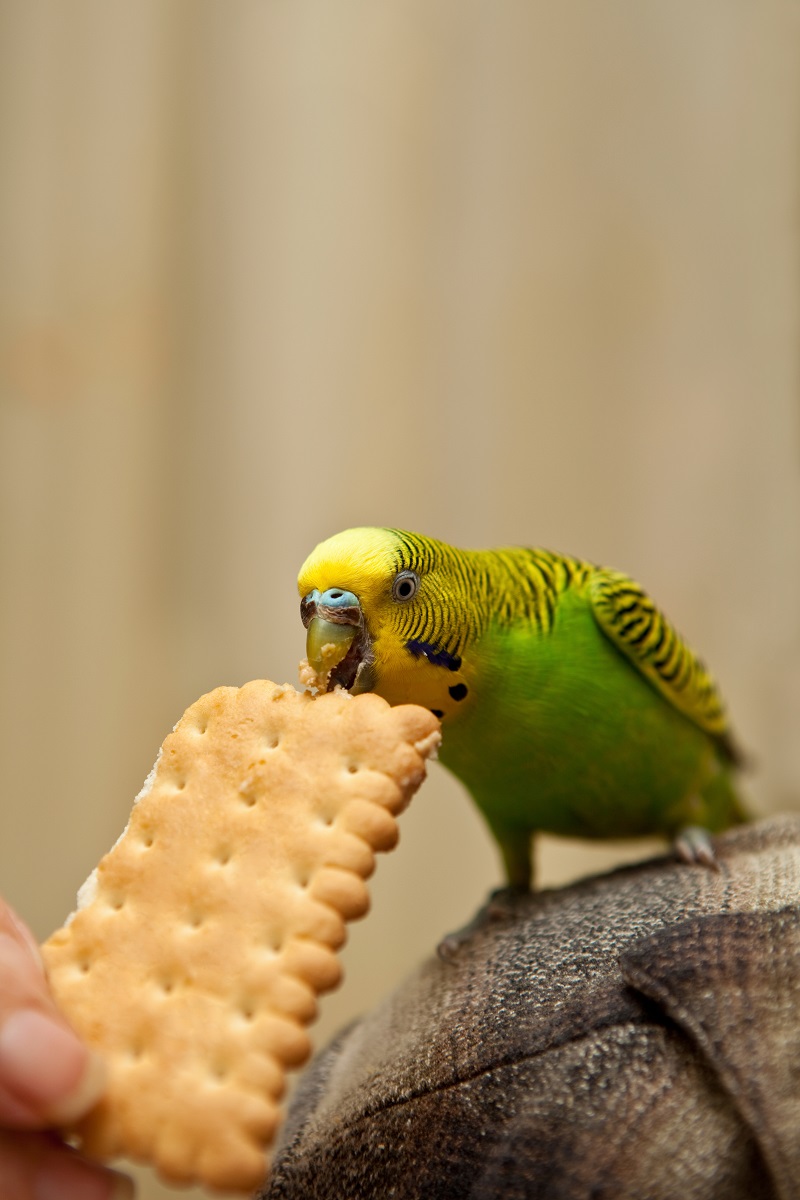
- Processed and Dairy Foods: Salty snack items, high-fat potato and corn chips, commercial biscuits, and dairy products (due to profound lactose intolerance) result in severe gastrointestinal distress, electrolyte imbalances, and long-term organ damage.
Broader Implications for Avian Health and Veterinary Guidance
The expansion of domestic feeding practices underscores a broader shift toward holistic animal welfare, recognizing that psychological enrichment is as vital as physiological sustenance. Veterinarians stress that dietary diversification must be managed with rigorous attention to portion control and ingredient purity.
When accidental ingestion of toxic substances occurs, immediate veterinary intervention is critical to administer supportive care, activated charcoal, or specialized antidotes. By adhering to strict nutritional boundaries, bird owners can successfully replicate the foraging stimulation of the wild while safeguarding their pets against preventable toxicity and chronic metabolic disease.

