


The Eastern Rosella (Platycercus eximius), a species native to Australia, stands out even among the famously vibrant parrot family. Renowned for its breathtaking plumage, this medium-sized bird, typically measuring around 30 centimeters (12 inches) in length and weighing approximately 100 grams, is undeniably striking and difficult to overlook in its natural habitat. Beyond its aesthetic appeal, the Eastern Rosella has also garnered significant popularity as a companion animal, celebrated for its engaging and amiable personality among avian enthusiasts. This comprehensive overview delves into the intricate details of the Eastern Rosella, from its evolutionary origins and natural history to its specific care requirements for those considering welcoming one into their home.
Appearance and Genetic Diversity
A Spectacle of Plumage
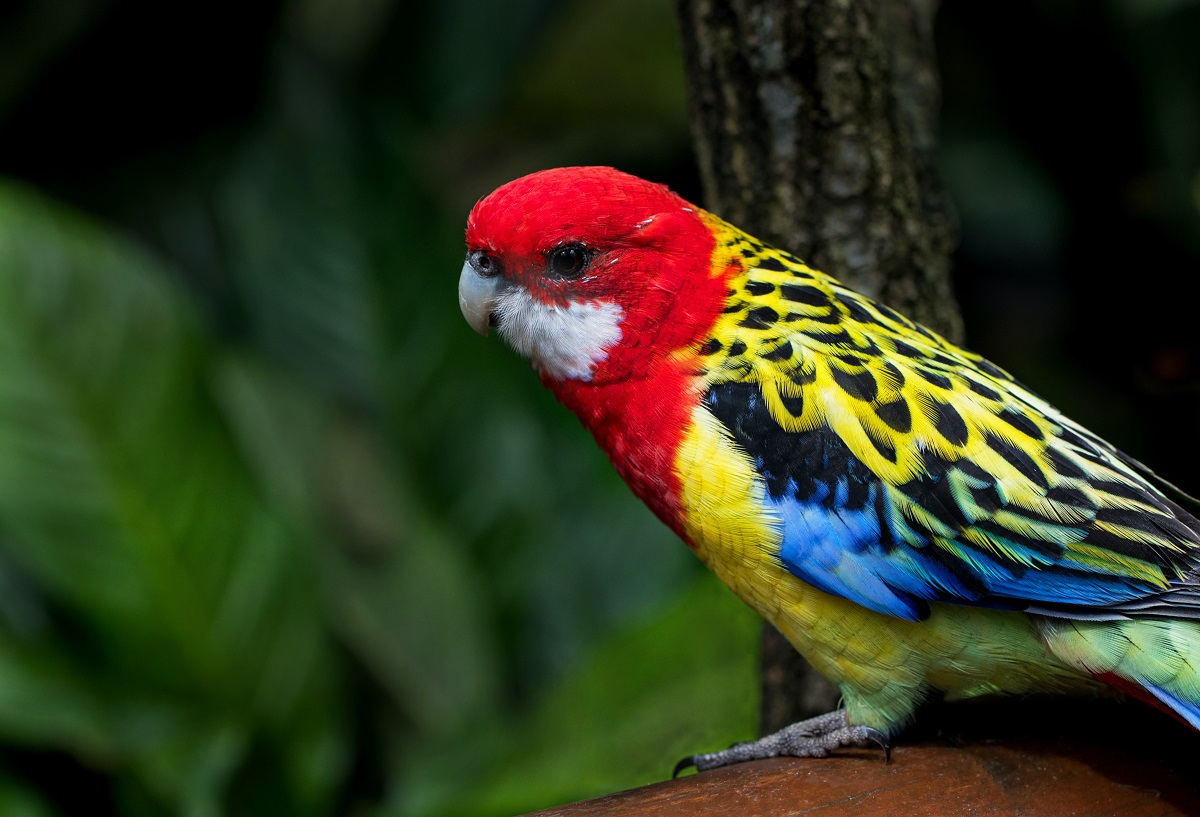
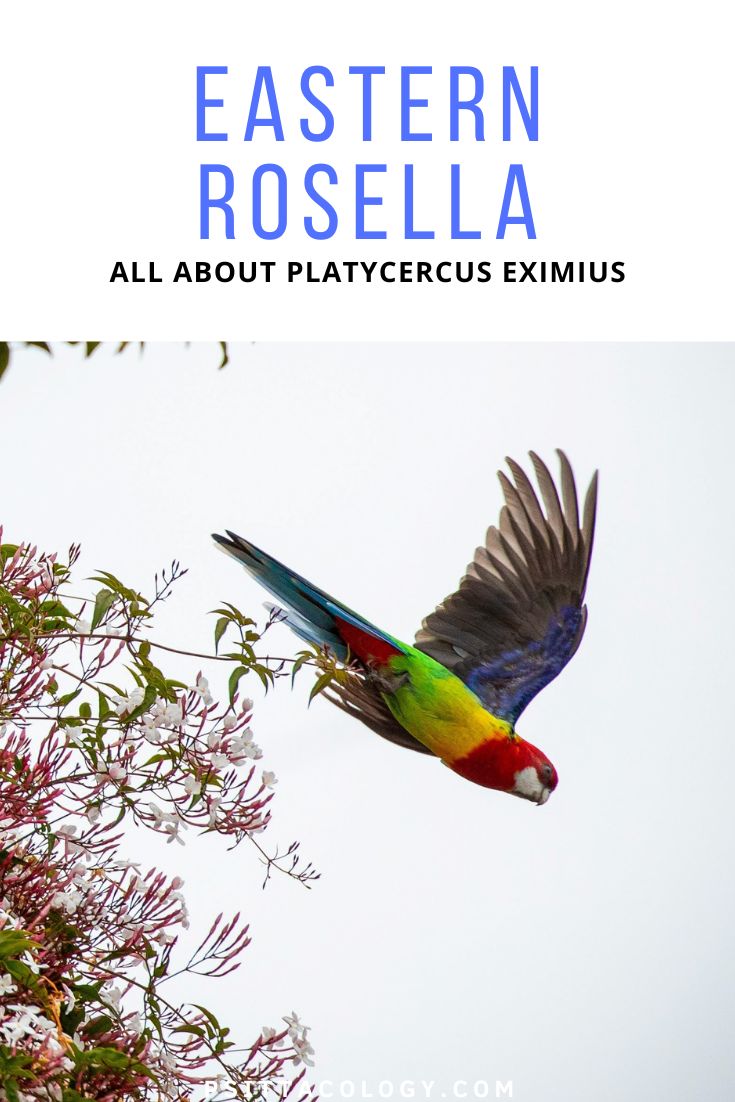
The Eastern Rosella’s physical beauty is its most immediate and captivating characteristic. Despite its relatively modest size, its coloration is a masterclass in avian artistry. The head and chest are adorned with a brilliant, intense red, sharply contrasted by distinct white cheek patches. Moving downwards, the belly and "pants" transition to a vivid yellow-green. The dorsal plumage presents a complex pattern: the upper wing feathers are a striking scalloped mix of yellow-green and black, while the back is predominantly green. The undersides of the wings flash a bright blue, complementing a long, elegant blue-green tail. These colors are primarily derived from psittacin pigments (responsible for reds and yellows) and structural colors (creating blues and greens through light refraction), a common trait in many parrot species.
Subspecies and Regional Variations
The Eastern Rosella is not a monolithic species; it comprises three recognized subspecies, each exhibiting subtle yet distinct characteristics and occupying specific geographical ranges. The nominate subspecies, Platycercus eximius eximius, is found across much of southeastern Australia, from Queensland to Victoria. The Tasmanian subspecies, Platycercus eximius diemensis, as its name suggests, is confined to the island of Tasmania and is often noted for its slightly larger size and sometimes deeper red coloration. Lastly, Platycercus eximius elecica, found in the northern parts of its range, particularly in northeastern New South Wales and southeastern Queensland, may display variations in the intensity of its yellow and green markings. These subspecies illustrate the adaptive radiation within the genus, with populations evolving unique traits in response to localized environmental pressures.
Developmental Stages and Juvenile Plumage
Young Eastern Rosellas present a slightly muted version of their adult counterparts, serving as a form of camouflage against predators during their most vulnerable stage. Their colors are generally less vibrant, and their beaks are initially yellow, gradually transitioning to the characteristic white of the adults. This juvenile plumage typically persists until their first molt, which occurs between two and six months of age. The molt is a crucial physiological process where the bird sheds old feathers and grows new ones, marking its transition to sexual maturity and the full expression of its brilliant adult coloration.
Selective Breeding and Color Morphs
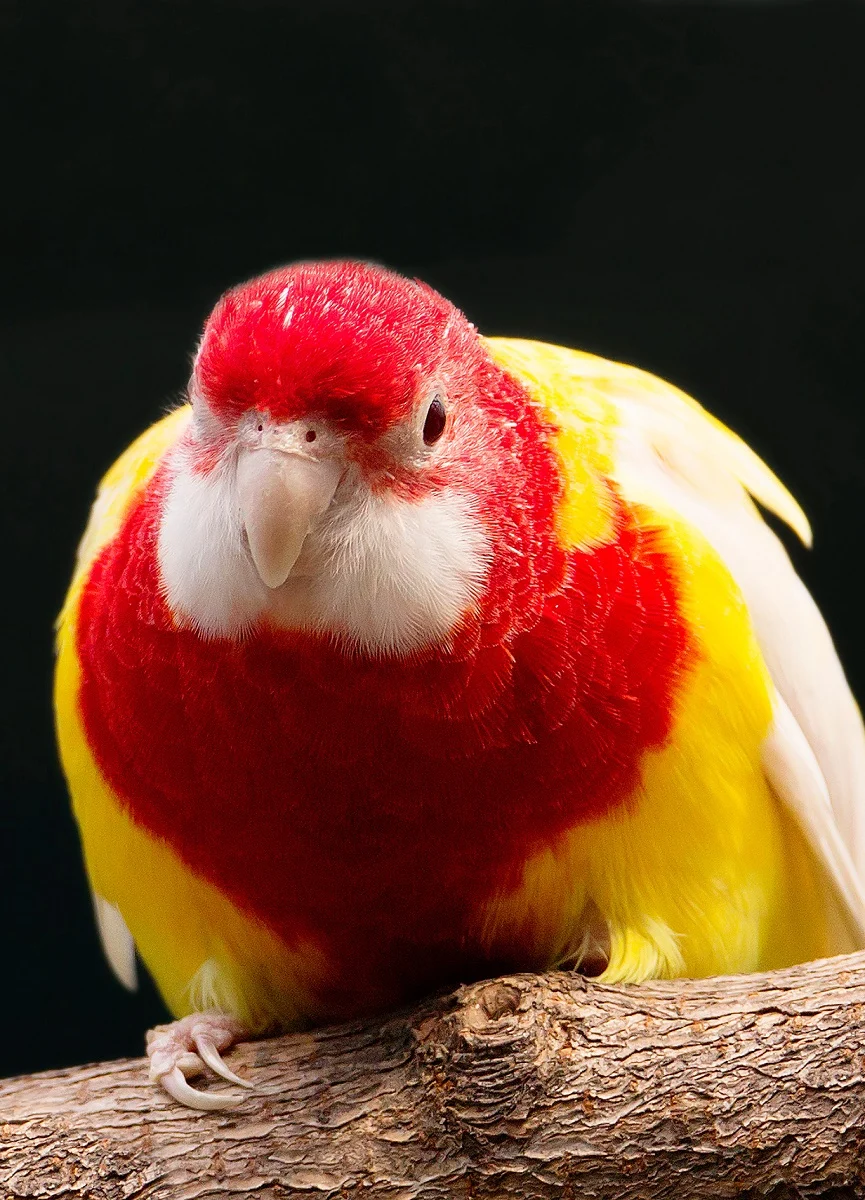
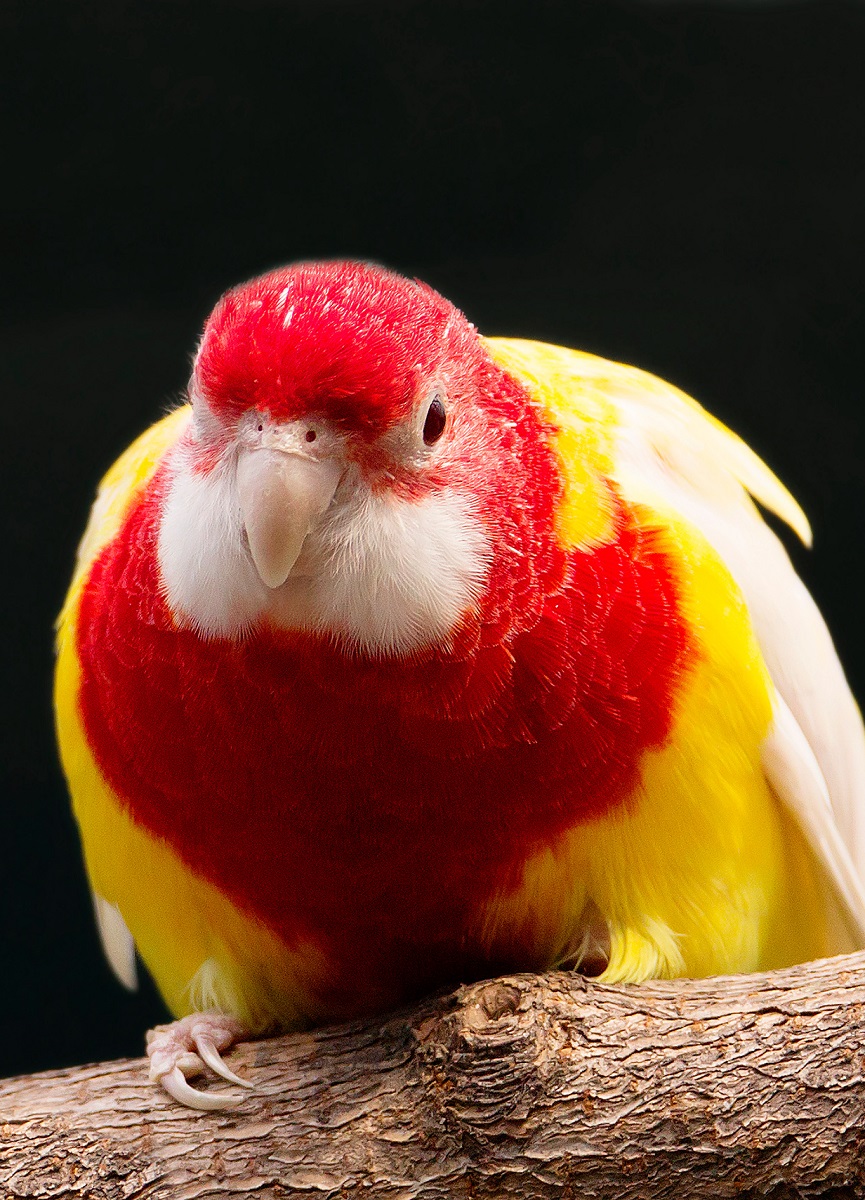
Beyond natural variations, selective breeding within the pet trade has led to the development of various color morphs, or genetic mutations that alter the bird’s natural pigmentation. The Rubino morph is particularly common and striking, characterized by a dominant red-yellow-white coloration, entirely lacking the blue, green, or black pigments typically seen in wild birds. Other morphs, such as Lutino (yellow with red eyes), Cinnamon (diluted brown pigment), and Pastel (lighter overall coloration), also exist, each catering to specific aesthetic preferences in the avian hobbyist community. These selectively bred birds highlight the interplay between natural genetics and human intervention in shaping avian diversity.
Hybridization in the Wild
The genus Platycercus, to which rosellas belong, is known for its members’ ability to interbreed, leading to fascinating and sometimes perplexing hybrid birds appearing in areas where different species’ ranges overlap. Encounters with unusual rosellas in the wild are not uncommon, often being hybrids of the Eastern Rosella with species like the Crimson Rosella (P. elegans) or the Pale-headed Rosella (P. adscitus). These hybrid zones are natural laboratories for studying speciation and gene flow. The resulting offspring can display a unique blend of parental traits, sometimes exhibiting entirely novel color patterns that can challenge even experienced ornithologists in identification. DNA analysis is increasingly used to confirm the parentage of such birds, offering insights into the complex genetic landscape of wild parrot populations.
Determining Sex
Visually distinguishing between male and female Eastern Rosellas can be challenging, particularly before the bird reaches full maturity and undergoes its first molt. While adult males often exhibit slightly brighter and more intense coloration, and perhaps a subtly broader head, these differences are not always definitive. For accurate sex determination, especially for breeding purposes or when early identification is crucial, DNA sexing remains the most reliable method. This involves analyzing a small blood sample or a few feathers for genetic markers specific to each sex, providing a conclusive answer regardless of age or plumage variations.
Geographic Distribution and Ecological Niche
Native Range in Australia
The Eastern Rosella lives up to its name, being exclusively native to the eastern and southeastern regions of Australia, including the island of Tasmania. Its distribution spans from southeastern Queensland, through New South Wales and Victoria, and extends into the temperate zones of South Australia. This broad native range reflects its adaptability to various climatic conditions within these regions, from coastal plains to inland slopes.
Introduced Populations in New Zealand
Although not indigenous to New Zealand, the Eastern Rosella has established thriving introduced populations across both the North and South Islands. The presence of these populations is a result of both accidental escapes and deliberate releases throughout the 20th century. A notable incident occurred in 1910 when a shipment of rosellas was refused entry by the New Zealand Customs Department, leading to the birds’ release. Earlier, accidental escapes, such as 12 rosellas in Dunedin following cage destruction, also contributed to their establishment.
The introduction of a non-native species always carries ecological implications. In New Zealand, Eastern Rosellas compete with native bird species for resources such as food (seeds, fruits) and nesting sites (tree hollows). While studies have shown varying degrees of impact, concerns persist regarding potential competition with endemic species like the Kākāriki (New Zealand parakeets) and possible disease transmission. Conservation efforts in New Zealand monitor these populations to assess and mitigate any adverse effects on the delicate native ecosystem.
Preferred Habitats
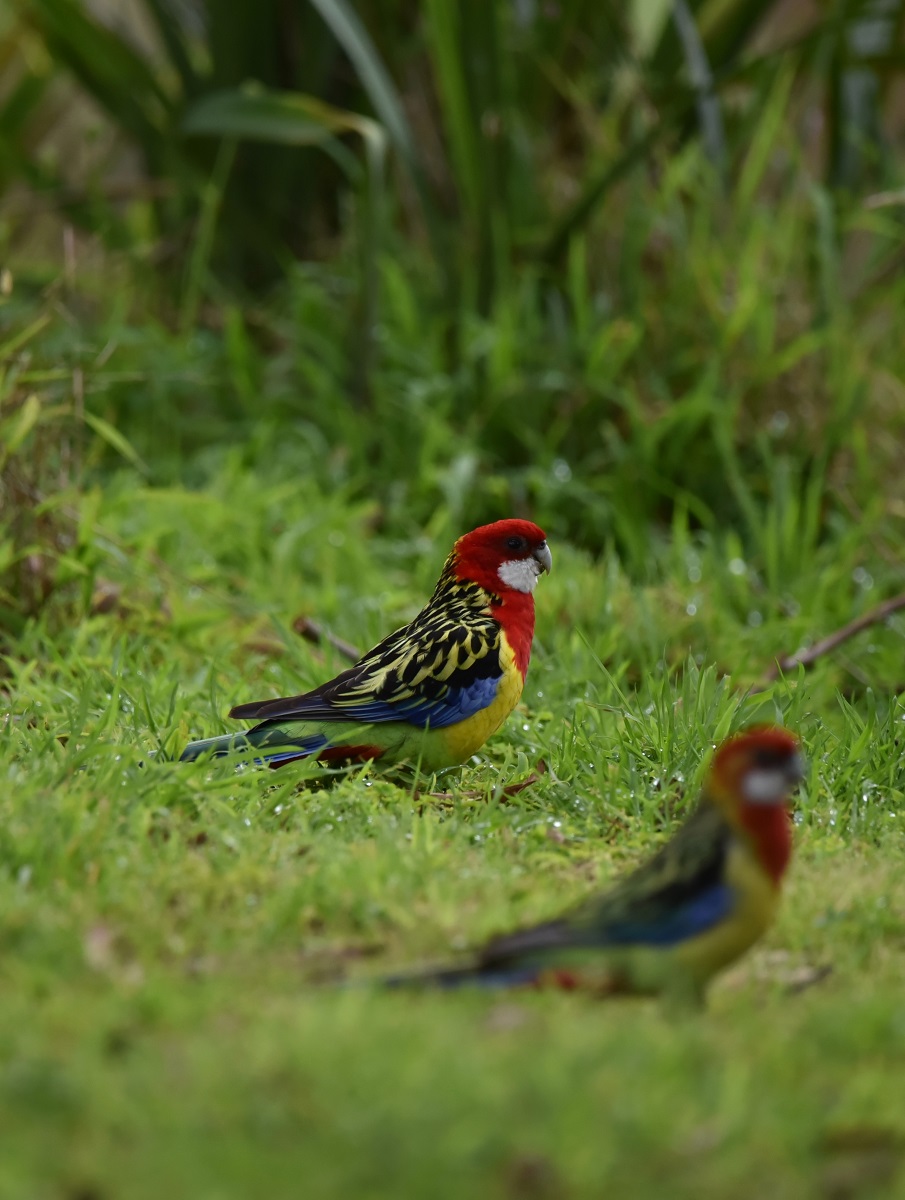
Eastern Rosellas are highly adaptable birds, thriving in a variety of lightly wooded habitats. Their preferred environments include open forests, forest edges, and patches of Eucalyptus trees, where they can find ample food and nesting sites. They have also successfully adapted to human-modified landscapes, frequently inhabiting parks, gardens, orchards, and farmland. This adaptability is key to their current success. They are typically found at moderate altitudes, up to approximately 1,250 meters (4,100 feet), and show a preference for areas with consistent rainfall or proximity to reliable water sources. In the wild, they are usually observed in pairs or small family groups, sometimes associating with other parrot species or other rosella types, forming mixed-species foraging flocks. Like many parrots, they are obligate cavity nesters, relying on hollow trees for breeding and roosting.
Conservation Status and Adaptability
The International Union for Conservation of Nature (IUCN) Red List currently classifies the Eastern Rosella as a species of "Least Concern." This favorable status is attributed to its wide natural range and a population trend that appears to be stable or even increasing.
Ironically, a significant factor contributing to this species’ success is habitat degradation, particularly the conversion of natural landscapes into agricultural areas. While such changes are detrimental to many specialized wildlife species, the Eastern Rosella has found new opportunities. Agricultural lands, especially those growing maize, grains, and fruit, provide an abundant and readily accessible food source, allowing their populations to flourish even as native forests shrink. This adaptability underscores a complex ecological dynamic where human activities, while destructive to some biodiversity, can inadvertently create advantageous niches for others.
Dietary Habits and Human Conflict
Wild Foraging Behavior
In their natural environment, Eastern Rosellas exhibit a diverse diet characteristic of many parrot species. Their primary food source consists of seeds, with a particular fondness for thistle seeds. Beyond this, their diet is enriched by a variety of fruits, such as apples, as well as an assortment of berries, flowers, and flower buds. Researchers have also documented their consumption of insects, indicating a broader omnivorous tendency than commonly perceived for parrots, which provides essential protein, especially during breeding seasons. They are primarily ground feeders but will also forage in trees and shrubs.
Agricultural Pest Status
For centuries, the Eastern Rosella, along with its rosella cousins, has been a source of conflict with human agricultural interests in eastern Australia. Farmers have long regarded them as pests due to their propensity for raiding orchards and causing significant damage to various crops, including maize, grain, and other cultivated produce. This conflict highlights a tension between biodiversity conservation and economic livelihoods.
Despite being protected by Australian law, farmers can be granted permits to cull rosellas under specific circumstances. To obtain such permits, they must demonstrate substantial damage to their crops and prove that all other non-lethal deterrent methods have been exhausted. This regulatory framework attempts to balance the conservation of native species with the need to protect agricultural output, reflecting a continuous challenge in wildlife management.
Captive Nutritional Requirements
Given their varied diet in the wild, Eastern Rosellas in captivity cannot thrive on a simple diet of mixed seeds alone, a principle applicable to virtually all parrot species. Leading avian veterinarians, including Psittacology’s resident expert Dr. Daisy May, advocate for a foundational diet of high-quality, commercially formulated pellets. These pellets are designed to provide a balanced nutritional profile, mitigating the risk of common dietary deficiencies seen in seed-only diets.
Supplementing the daily pellet ration, a wide array of fresh produce is essential. Vegetables, rich in vitamins and minerals, should be offered daily; examples include leafy greens (kale, collard greens, spinach in moderation), carrots, bell peppers, broccoli, and zucchini. Fruits, while beneficial, should be given a few times a week due to their higher sugar content; safe options include apples (seeds removed), bananas, oranges, berries, and melons.
To further enrich their diet and stimulate natural foraging behaviors, owners can provide sprouted seeds, cooked whole grains (such as whole-wheat pasta, brown rice, or quinoa), and occasional healthy treats like millet sprays or small quantities of unsalted nuts (almonds, walnuts). Protein-based snacks, like a small piece of boiled egg or freeze-dried mealworms, can be offered sparingly. Additionally, foraging for parrot-safe branches (e.g., eucalyptus, willow), non-toxic weeds (dandelion), and edible flowers (hibiscus, rose) provides both nutritional benefits and vital mental stimulation. A well-rounded diet is paramount for the long-term health and well-being of captive rosellas.
The Eastern Rosella as a Companion
Personality and Temperament
Eastern Rosellas are among the more commonly kept parrot species in captivity. They are particularly popular as aviary birds, primarily admired for their vibrant colors. However, their territorial nature means they are generally not ideal candidates for mixed aviaries, as they can be aggressive towards smaller or more docile species like budgies.
As indoor companions, well-socialized Eastern Rosellas can be an excellent choice. They are typically described as fun, active, curious, and social birds. While they are known for being more independent than some other parrot species, most still enjoy and seek out regular interaction with their human caregivers. Their intelligence and engaging antics make them captivating pets for experienced bird owners.
Housing Requirements
Providing adequate housing is critical for an Eastern Rosella’s welfare. As with all parrots, the mantra "the bigger the cage, the better" holds true. A minimum cage length of 1 meter (40 inches) is recommended to allow the bird sufficient space to stretch its wings and move comfortably. For safety, the cage bars should be spaced no more than 1.25 centimeters (0.5 inches) apart to prevent the bird from getting its head or limbs stuck.
The cage should be furnished with a variety of natural perches of different diameters and textures to promote foot health and prevent pressure sores. Stainless steel food and water bowls are ideal for hygiene. Crucially, the cage must contain plenty of parrot toys, including chew toys, shreddable toys, foraging toys, and puzzle toys, to keep the bird mentally stimulated and prevent boredom-induced stress or destructive behaviors like feather plucking. The cage should be placed in a safe, central location in the home, away from drafts, direct sunlight, and potential toxic fumes.
Enrichment Strategies
Parrots are highly intelligent creatures, and Eastern Rosellas are no exception. They require significant environmental enrichment to prevent boredom, which can lead to behavioral issues such as feather plucking, screaming, or aggression. Owners can implement a variety of strategies to keep their rosella engaged:
- Foraging Toys: These toys mimic natural foraging behavior, requiring the bird to work for its food, which is highly stimulating.
- Chew and Shred Toys: Essential for beak health and providing an outlet for natural chewing instincts. Toys made from bird-safe wood, cardboard, or natural fibers are excellent.
- Puzzle Toys: Challenge the bird’s cognitive abilities, encouraging problem-solving.
- Social Interaction: Daily, positive interaction with their human companions is vital for social species like rosellas. This can include talking, playing, or simply spending time together.
- Out-of-Cage Time: Supervised time outside the cage, whether on a playstand or free-flight in a bird-proofed room, allows for exercise and exploration.
- Bathing Opportunities: Providing a shallow water dish or misting with a spray bottle can encourage preening and maintain feather health.
- Toy Rotation: Regularly rotating toys keeps the environment novel and prevents the bird from becoming complacent.
Vocalizations and Learning Ability
Eastern Rosellas are not typically known for being excessively loud parrots, making them a more suitable choice for apartment living compared to some larger, louder species. While all parrots produce vocalizations, rosellas tend to communicate through a range of whistles, chirps, and softer contact calls rather than ear-piercing flock calls. Their unique vocalizations can be explored on platforms like Xeno-Canto (Platycercus eximius), offering listeners a sample of their typical sounds.
Regarding their talking ability, Eastern Rosellas are not among the most talented mimics in the parrot world, but they are certainly capable of learning. With patience, consistent training, and positive reinforcement, many rosellas can learn to imitate household noises, simple words, or even short tunes. Their ability to pick up sounds adds another layer of charm to their companionship.
Health and Safety
Parrots are inherently curious and relatively fragile creatures, making them susceptible to various household hazards. Therefore, parrot-proofing any space an Eastern Rosella has access to is paramount. This includes securing windows and doors, removing toxic plants, ensuring ceiling fans are off, and storing household chemicals safely. Owners should also be familiar with basic parrot emergency care, including recognizing signs of illness or injury, and having contact information for an avian veterinarian readily available. Common health concerns in parrots include psittacosis, avian polyomavirus, beak and feather disease, and nutritional deficiencies, all of which underscore the importance of preventative care and prompt veterinary attention.
Conservation and Ecological Perspectives
The Eastern Rosella’s status as a species of "Least Concern" by the IUCN Red List is a testament to its remarkable adaptability. Unlike many species struggling with habitat loss, the rosella has found ways to thrive amidst human expansion, particularly benefiting from agricultural landscapes that provide abundant food. This success, however, is not without its complexities. While the species as a whole is secure, localized populations can face pressure, especially where they come into direct conflict with human interests as agricultural pests. The issuance of permits for culling highlights an ongoing ethical and practical dilemma in wildlife management, balancing the protection of a native species with the economic needs of farmers.
Furthermore, the establishment of Eastern Rosella populations in New Zealand serves as a critical case study in the broader ecological implications of introduced species. While their vibrant presence is enjoyed by many, their competition with native birds for resources and potential role in disease transmission necessitates careful monitoring and management by conservation authorities. This scenario underscores the interconnectedness of ecosystems and the long-term impacts of human-mediated species introductions.
Conclusion
The Eastern Rosella stands as a vibrant emblem of Australia’s rich avian biodiversity. Its stunning appearance, engaging personality, and remarkable adaptability have cemented its place both in the wild and as a cherished companion bird. From its complex plumage patterns and genetic variations, including fascinating hybrids and selectively bred morphs, to its intricate ecological role and its interactions with human environments, the Eastern Rosella offers a compelling subject for ornithologists and pet enthusiasts alike. Understanding its dietary needs, housing requirements, and enrichment strategies is crucial for responsible pet ownership, ensuring these captivating birds can lead long, healthy, and stimulated lives. As we continue to modify landscapes, the story of the Eastern Rosella serves as a vivid reminder of the dynamic interplay between nature and human activity, and the ongoing responsibilities we hold towards the conservation and ethical care of our planet’s diverse wildlife.

