


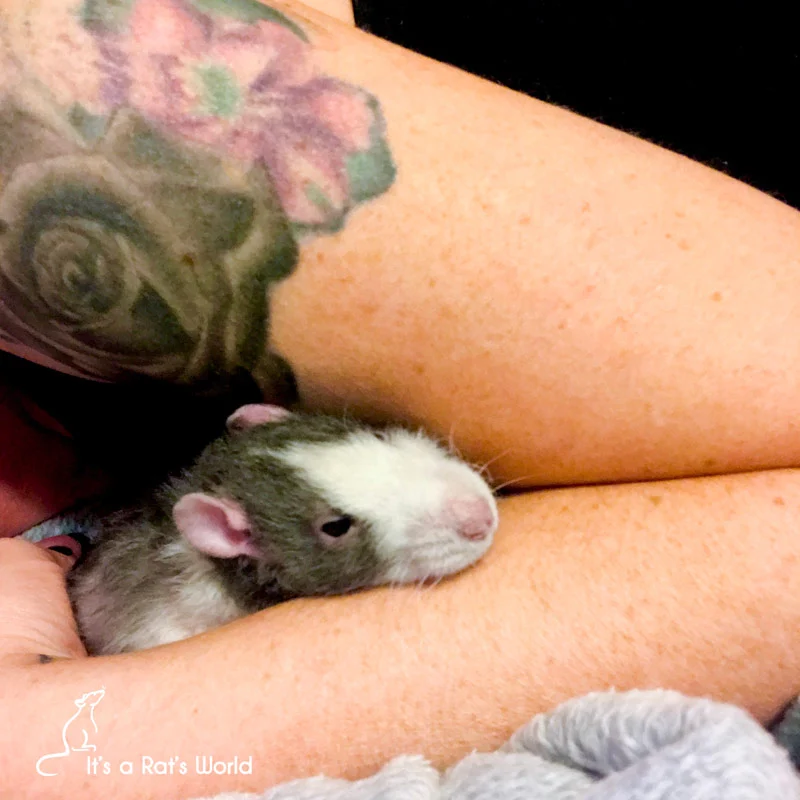
The absence of a deep, personal connection with an animal can leave a significant void in one’s life. For many, this sentiment is acutely felt when a cherished pet is no longer present. Brandi Saxton, a devoted rat enthusiast and proprietor of "It’s A Rat’s World" on Instagram, articulates this sentiment profoundly, highlighting the unique and irreplaceable bond she once shared with her pet rats. This article delves into the nuances of forming such connections, offering insights into the journey of building trust and companionship with these often-misunderstood creatures.
The Unique Allure of Rat Companionship
Saxton’s narrative underscores a common experience among dedicated pet rat owners: the realization that these intelligent and social rodents offer a depth of companionship that few other animals can match. While acknowledging the affection she holds for her current household pets, including dogs and a cat, Saxton emphasizes that these relationships do not fill the specific void left by her rats. This sentiment is echoed by a growing community of rat aficionados who find their hearts uniquely captured by the personality and affectionate nature of these small mammals.
The author reminisces about the everyday moments that defined her relationships with her rats. These included simple yet profound interactions such as sharing couch time during movie nights, receiving "rattie kisses" and engaging in grooming sessions on her hands, witnessing their enthusiastic greetings at the cage door, experiencing their playful jealousy for attention, and having them rest contentedly in her lap or beside her while she worked. These were not just fleeting interactions but deeply personal experiences, characterized by an exclusive and unwavering affection from her rats, who often viewed her as their "favorite human."

Navigating the Path to Trust and Bonding
For individuals new to rat ownership or contemplating it, the aspiration is often to achieve a similar level of intimacy. However, the journey to such a bond is not always straightforward. Saxton addresses the common challenge faced by new owners: a rat’s skittishness or aloofness, which can lead to feelings of hopelessness regarding the formation of a strong connection. She reassures readers that such obstacles are not insurmountable and that a recalibrated approach can pave the way for a rewarding relationship.
A frequent stumbling block for novice rat keepers is the fear of being bitten, often stemming from a rat’s initial timidity or jumpiness. Saxton explains that most rats require a period of acclimation to their new surroundings. For those who have experienced past trauma, this adjustment process can demand even greater patience and dedicated effort. A lack of understanding on how to support a nervous rat can inadvertently exacerbate their fear and withdrawal. Saxton’s article, "Helping A Scared Pet Rat," provides a comprehensive guide for owners facing these challenges, detailing how rats express fear, identifying potential causes, and outlining strategies for earning their trust.
Distinguishing Trust from True Bonding
It is crucial to differentiate between earning a rat’s trust and establishing a deep bond. While trust is a prerequisite for bonding, it is not synonymous with it. Trust, in the context of a rat, signifies the belief that their human companion poses no threat. Bonding, on the other hand, signifies a mutual desire for companionship and a more profound connection that develops between the rat and its owner.
A rat’s individual personality and past experiences significantly influence their capacity for forming a strong attachment. When a rat feels insecure or is operating in a survival mode, their primary focus remains on safety, making it difficult for them to develop affectionate ties. However, as they begin to feel secure and at ease, they start to recognize and appreciate the value of their interactions with their human caregivers.
Understanding Rat Personalities
Rats exhibit a spectrum of personalities, much like humans. Saxton categorizes them broadly:
- Extroverted Rats: These are often the easiest to bond with. They readily adapt to new environments and humans, frequently displaying immediate trust and seeking interaction from a very young age. Saxton recalls having extroverted rats who, within moments of meeting her, would be demanding to be held and exploring her person, seemingly trusting her before any explicit reason was given.
- Apprehensive Rats: At the other end of the spectrum are rats who are extremely fearful and may perceive humans, even their owners, as predators. Establishing trust with these rats requires breaking down this initial barrier. While some may never fully overcome their innate wariness, achieving a state where they recognize and accept their owner as a caregiver is a significant accomplishment. The depth of the subsequent relationship is then dependent on the rat’s willingness and the owner’s continued efforts.
- The Middle Ground: The majority of pet rats fall somewhere between these two extremes. They may appear nervous initially but typically become more comfortable and secure with consistent daily interaction.
The Importance of Quality Time and Consistent Presence
The cornerstone of building a robust relationship with any pet, including rats, is the consistent investment of time and attention. Saxton emphasizes that being a constant presence, engaging in regular conversation, offering gentle petting, holding, and playing with them are not merely beneficial but essential for forging a genuine connection. This consistent interaction also allows owners to discover and appreciate their rat’s unique characteristics.
Integrating rats into an owner’s daily living space can be highly advantageous. Their mere proximity, the sound of the owner’s voice, and the familiar scent can help them feel more integrated into the household’s routine.
Beyond the cage, dedicated out-of-cage time is paramount. Saxton recommends at least one to two hours daily for exercise and exploration. This time should be focused on quality interaction, whether on a couch, a bed, or in a rat-proofed room. This is an opportunity for concentrated cuddling, watching movies, reading, or simply enjoying quiet companionship. Understanding a rat’s preferred methods of being held and petted, and identifying their favorite spots for affection, are key aspects of this bonding process.

Specialized items like bonding pouches and rat-sized blankets can be particularly helpful for skittish rats. These provide a sense of security, allowing them to feel safe and cozy while remaining close to their owner, tapping into their natural instinct to burrow.
Even when rats are in their cages, engaging them through regular conversation is beneficial. This helps them become accustomed to the owner’s voice in a non-threatening context, reducing anxiety associated with being suddenly removed from their safe space. The physical act of petting an animal has been scientifically shown to release endorphins, stress-relieving brain chemicals, in both the pet and the human. Gentle strokes along a rat’s back or head while talking to them can foster this positive physiological response.
For owners who find direct interaction challenging or whose rats remain hesitant, Saxton’s article, "Honoring Your Rat’s Personal Space," offers guidance. Respecting a rat’s individual boundaries is critical; ignoring them can significantly hinder bonding efforts.
Leveraging Food and Treats for Connection
Food is a powerful tool in the arsenal of trust-building and bonding. Saxton humorously admits that the enthusiastic greetings from her rats might have been as much about the anticipation of treats as about her presence. Nevertheless, the joy and excitement were always a delightful spectacle.

Making mealtimes a significant event helps rats associate their owner with the provision of sustenance. This establishes the owner as a reliable and benevolent provider.
The introduction of a favorite healthy snack, consistently announced with a specific phrase or word delivered in a distinct tone, can train rats to associate the owner with positive feelings. Saxton’s personal cue, "Treats, Treats, Treats!" delivered in an escalating pitch, was so effective that it would rouse even the deepest sleepers. This ritual demonstrated progress in bonding, especially when even the most reserved rats participated in the eager scramble for treats.
Advanced Bonding: Beyond Basic Interaction
Taking the rat-owner relationship to the next level can involve teaching them tricks or creating intricate mazes. While Saxton has limited personal experience in these areas, she notes their potential for deeper engagement and a novel understanding of a rat’s personality.
Traveling with rats can also strengthen the bond. Saxton’s road trips with her rats often resulted in them becoming more affectionate and trusting, even the previously nervous ones. Being outside their familiar environment seemed to reinforce their reliance on and trust in their owner.
Realistic Expectations and Enduring Bonds
It is important to acknowledge that each rat offers a unique bonding experience. Some relationships develop effortlessly, while others may present significant challenges. Regardless of a rat’s inherent temperament, maintaining a connection requires ongoing effort from the owner. Saxton advises against comparing one’s own rats to those depicted on social media, as each rat possesses its own distinct personality and responsiveness.
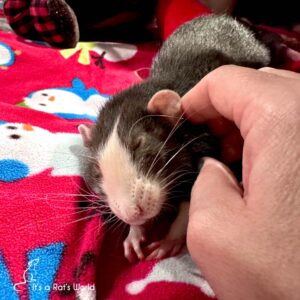
The spectrum of bonds can range from deep, soulmate-like connections to relationships characterized by mere tolerance. Even a bond built on minimal acceptance can be profoundly special, representing the significant effort invested in overcoming a rat’s initial apprehension. The moment a frightened rat lowers its guard and accepts an owner’s presence in its life is a testament to the owner’s dedication and a significant achievement in their relationship.
Ultimately, every rat is worthy of the endeavor of building a bond. When these beloved companions pass on, it is the shared connection and the cherished memories born from those interactions that endure, living on forever in the heart. The journey of understanding, patience, and love with a pet rat, though perhaps challenging at times, offers rewards that are immeasurable and deeply fulfilling.

