


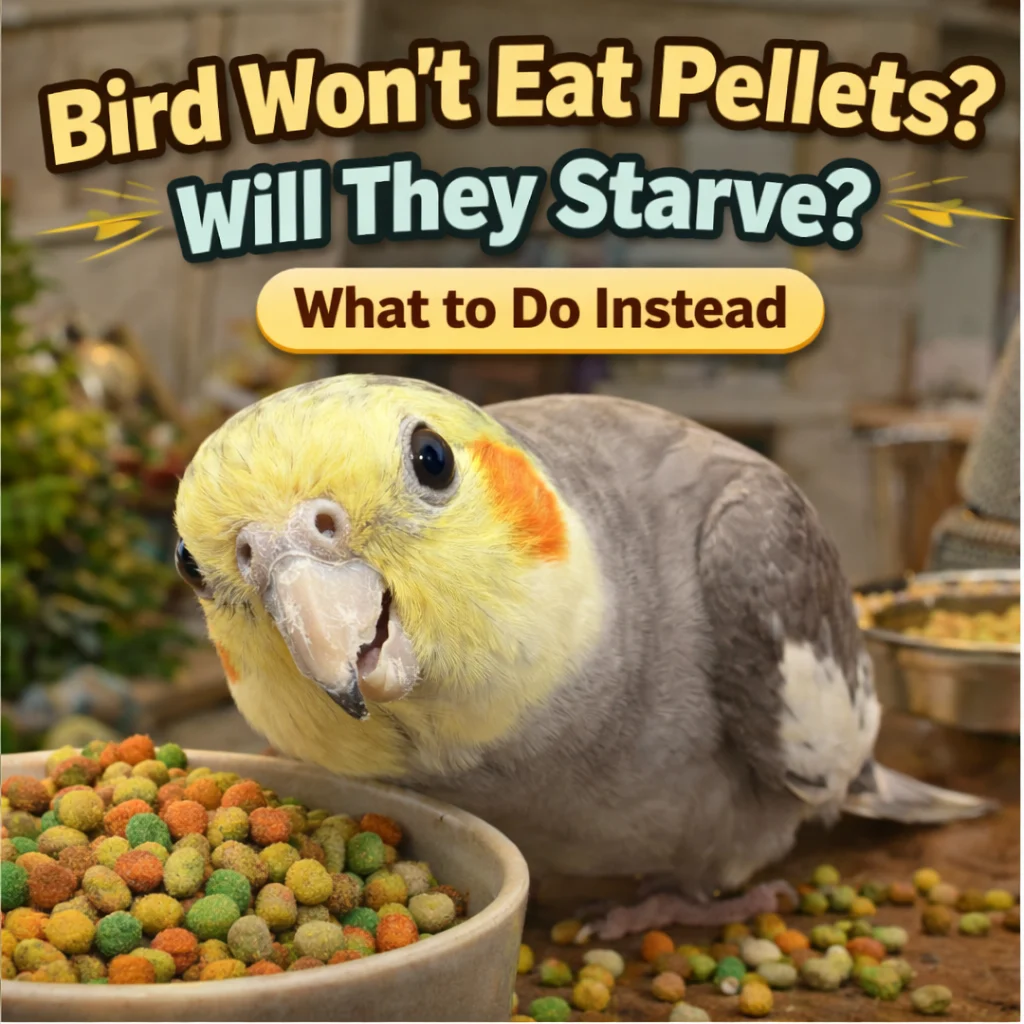
Transitioning pet birds from seed-heavy diets to nutritionally complete pellets represents one of the most critical yet frequently challenging aspects of responsible avian care, often leading to significant owner frustration and avian resistance. Published on April 14, 2026, by avian specialist Diane Burroughs, this guide addresses the common predicament faced by caregivers whose birds refuse to eat pellets, ignore them, pick around them, or exhibit reduced food intake during a dietary shift. This article delves into the underlying reasons for such resistance and outlines evidence-based, force-free strategies to ensure a safe and successful dietary conversion, protecting both the bird’s health and the human-animal bond.
The Urgent Need for Dietary Change: Beyond Seeds
For decades, the standard diet for many pet birds primarily consisted of seed mixes. While seeds are a natural part of a wild bird’s diet, the commercial seed mixes commonly available for pet birds are often akin to a human diet consisting solely of fast food – high in fat and carbohydrates, but critically deficient in essential vitamins, minerals, and amino acids. This nutritional imbalance is a leading cause of preventable diseases in companion birds, including obesity, liver disease (hepatic lipidosis), kidney failure, respiratory problems, and various vitamin deficiencies (particularly Vitamin A, D, and calcium).
Avian veterinarians and nutritionists overwhelmingly advocate for a diet where high-quality pellets constitute 60-80% of a bird’s daily intake, supplemented with fresh vegetables, fruits, and a small amount of healthy seeds or nuts as treats. The shift towards pellets began in earnest in the late 20th century as veterinary science advanced, revealing the profound health benefits of a balanced, formulated diet. Pellets are engineered to provide a complete and balanced nutritional profile in every bite, eliminating the selective eating (or "picking around") that birds often exhibit with seed mixes, where they consume only their favorite, often fattiest, seeds.
Understanding Avian Neophobia: Why Birds Resist Change
When a bird refuses pellets, it is not merely being stubborn; it is exhibiting a deep-seated survival instinct known as neophobia, or the fear of new things. In the wild, parrots and other birds inhabit complex ecosystems where many plants and substances can be toxic. Their survival hinges on learning what is safe to eat from their parents and flock members. This learning process is meticulous and can extend over weeks, reinforcing the idea that only familiar, trusted foods are safe.
This inherent caution translates directly to the domestic environment. A pellet, with its uniform appearance, texture, and often unfamiliar smell, does not register as "food" in a bird’s innate understanding. Instead, it is perceived as an unknown object, potentially dangerous. Therefore, merely removing seeds and expecting a bird to eventually eat pellets out of hunger is a perilous approach. A sudden and drastic dietary change can lead to severe stress, rapid weight loss, and even starvation, especially in smaller species with high metabolic rates. Birds can become critically ill within 24-48 hours without adequate food intake.
Diagnostic Indicators: Recognizing the Signs of Resistance
Caregivers often observe specific behaviors that signal a bird’s struggle with pellet introduction:
- Refusal to eat pellets at all: The bird may not recognize pellets as food, viewing them as foreign objects.
- Picking around or throwing pellets out: This indicates a preference for familiar foods and an active rejection of the unknown.
- Eating less after the switch attempt: The bird is confused and not adjusting, leading to insufficient caloric intake.
- Waiting for seeds or old food: The bird perceives the new food as unsafe and holds out for trusted, familiar options.
These signs are critical for owners to recognize, prompting a re-evaluation of their transition strategy rather than continuing a potentially harmful "waiting them out" approach.
The Peril of Abrupt Changes: A Veterinary Perspective
The question, "Will my bird starve if I don’t give seeds… will they eventually eat?" is a common and valid concern among bird owners. The answer, unequivocally, is no, not safely. Dr. Evelyn Thorne, a prominent avian veterinarian with decades of experience, stresses that "a sudden, cold-turkey switch to pellets is one of the most dangerous things an owner can attempt. Birds have incredibly high metabolic rates, and even a day or two of significantly reduced intake can lead to serious health complications, especially for birds already compromised by a poor diet." She further elaborates, "We’ve seen cases of rapid weight loss, lethargy, and even hepatic lipidosis exacerbated by such transitions. The goal is acceptance, not coercion."
The good news, however, is that birds can be safely taught to accept pellets and other healthier foods through simple, evidence-based, and force-free approaches. These methods are designed to build trust and positive associations with new foods, protecting the bird’s intake, weight, and overall well-being. This isn’t about deprivation; it’s about education and gentle guidance.
A Phased Approach: The 3-Step Pellet Transition Reset
Successfully transitioning a bird to a pelleted diet requires patience, consistency, and an understanding of avian psychology. The process is one of intentional teaching, not forcing, and can be effective for birds of any age, including older birds or rescues with established dietary habits. The core principle is that progress comes from consistent, small daily exposures that gradually build long-term acceptance.
Step 1: Baseline Assessment and Preparation
Before initiating any dietary change, a thorough understanding of the bird’s current health and habits is crucial.
- Veterinary Check-up: A visit to an avian veterinarian is highly recommended. The vet can assess the bird’s current health status, check for any underlying conditions that might complicate a diet change, and provide a baseline weight. This is particularly important for birds on long-term seed diets, as they may already have subclinical nutritional deficiencies.
- Accurate Weighing: Establish a consistent daily weighing routine. A digital gram scale is essential. Any significant weight loss (e.g., 5-10% of body weight) during the transition indicates that the process is too rapid and needs immediate adjustment.
- Identify Current Preferences: Observe what your bird does eat. What types of seeds, fruits, or vegetables does it consume? This information can be leveraged later to make pellets more appealing.
- Choose High-Quality Pellets: Consult your avian vet on the best pellet brands and formulations for your specific species. There are various shapes (crumbles, mini, regular), colors, and ingredient lists. Some birds may prefer one over another. Start with an uncolored, natural-ingredient pellet if possible, as artificial dyes can be a deterrent for some birds.
Step 2: Gradual Introduction and Positive Reinforcement
This is the core of the force-free method, focusing on building positive associations.
- Initial Exposure (Phase 1 – Coexistence): For the first few days to a week, simply place a small dish of pellets in the cage alongside the bird’s regular food. Do not reduce the amount of familiar food. The goal is merely to allow the bird to see and become accustomed to the presence of the pellets without pressure.
- Modeling Behavior (Phase 2 – Imitation): Birds are highly social and learn by observation. Pretend to eat the pellets yourself. Hold a pellet up to your mouth, make appreciative sounds, and even nibble on it (ensure they are human-safe, though not tasty). Offer a pellet to your bird from your hand or mouth, making it seem like a coveted item. This taps into their natural instinct to mimic flock leaders.
- Mixing with Preferred Foods (Phase 3 – Camouflage): This is a critical step. Grind a small amount of pellets into a powder using a coffee grinder or blender. Sprinkle this powder onto your bird’s favorite moist foods, such as mashed sweet potato, cooked squash, applesauce, or a small amount of peanut butter (ensure it’s xylitol-free). Gradually increase the proportion of ground pellets over several days or weeks. For birds that enjoy "chop" (mixed finely diced vegetables), finely ground pellets can be mixed in.
- Texture and Presentation Variety (Phase 4 – Exploration): Offer pellets in different forms. Soak them in a small amount of warm water or unsweetened fruit juice to soften them, mimicking the texture of moist foods. Some birds prefer crunchy pellets, others soft. Try offering them in foraging toys, making the discovery of a pellet a rewarding experience.
- Timed Offerings (Phase 5 – Strategic Presentation): Offer pellets first thing in the morning when the bird is hungriest. Leave them in the cage for a specific period (e.g., 30-60 minutes), then offer the regular food. Gradually extend the pellet-only period as the bird shows signs of acceptance. Crucially, do not extend this period if the bird is not eating or losing weight.
Step 3: Monitoring, Adjustment, and Long-Term Reinforcement
Consistency and careful observation are paramount throughout the transition.
- Daily Weighing: Continue to weigh your bird daily, ideally at the same time each day. A stable or slightly increasing weight indicates a successful transition. Any significant decrease requires immediate intervention, such as reintroducing more familiar food or slowing down the process.
- Fecal Monitoring: Observe your bird’s droppings. Changes in color, consistency, or volume can indicate dietary issues or stress. Pellets often produce larger, darker droppings compared to seed diets.
- Gradual Reduction of Old Food: Only after you consistently observe your bird willingly eating pellets (not just picking at them) should you begin to gradually reduce the amount of seed mix. Do this slowly, perhaps by 10-15% every few days, contingent on continued pellet consumption and stable weight. This phase can take weeks or even months.
- Positive Reinforcement: Praise your bird enthusiastically for any interaction with pellets – even just touching or investigating them. Use positive vocalizations or offer a favorite, healthy treat (not seeds) immediately after they consume a pellet.
- Patience and Persistence: This process can be lengthy. Some birds transition in weeks, others take months. Do not get discouraged by setbacks. Revert to an earlier, more successful step if needed. The goal is consistent, voluntary acceptance, not speed.
What to Do Next: Practical Implementation
To put these strategies into action, consider the following daily routine:
- Morning: Offer a small portion of moistened or dry pellets in a dedicated dish. Engage in modeling behavior by "eating" a pellet yourself.
- Mid-morning (after ~1 hour): If pellets have been ignored, offer a small amount of the familiar seed mix, but less than usual.
- Throughout the Day: Offer pellets mixed with favored moist foods, or as part of foraging toys. Continue to offer a wide variety of fresh vegetables and some fruits.
- Evening: Ensure your bird has had adequate food intake for the day. If pellet consumption is still low, provide a slightly larger portion of seeds to prevent overnight starvation.
- Record Keeping: Maintain a daily log of food offered, food consumed (estimate), and the bird’s weight. This data provides objective feedback on progress.
This approach embodies "parronting" – patient, consistent, and focused on teaching rather than forcing.
Broader Impact and Long-Term Implications
The successful transition to a pelleted diet has profound and lasting implications for a bird’s health and well-being.
- Improved Health and Longevity: A balanced diet significantly reduces the risk of common avian diseases, leading to fewer veterinary visits and a potentially longer, healthier life. Birds on appropriate diets exhibit better feather quality, increased energy levels, improved immune function, and often a more vibrant disposition.
- Enhanced Behavior: Nutritional deficiencies can manifest as behavioral problems, including feather plucking, aggression, and lethargy. A well-nourished bird is generally a happier, more active, and better-adjusted companion.
- Stronger Human-Animal Bond: The process of teaching a bird to accept new foods through positive reinforcement strengthens the trust between bird and owner. It’s an opportunity for shared learning and interaction, fostering a deeper bond.
- Economic Benefits: While quality pellets may seem more expensive than seed mixes initially, the long-term savings from reduced veterinary bills for diet-related illnesses are substantial. Preventative care is always more cost-effective than treating chronic conditions.
For those feeling overwhelmed or unsure where to start, specialized step-by-step systems and courses are available, often developed by avian experts like Diane Burroughs. These resources provide detailed guidance to help bird owners navigate the transition without stress, force, or risky weight loss, ensuring that their feathered companions thrive on a truly nutritious diet.
Key Takeaways:
- Pellets are essential: They provide complete nutrition lacking in seed-only diets.
- Birds are neophobic: Resistance to new foods is a natural survival instinct, not stubbornness.
- Abrupt changes are dangerous: Never force a bird to eat pellets by withholding all familiar food; this can lead to starvation and illness.
- Patience and consistency are key: Successful transition relies on gradual, positive reinforcement and building trust over time.
- Monitoring is crucial: Daily weighing and observing food intake are vital to ensure the bird’s health throughout the process.
- Seek expert advice: Consult an avian veterinarian for health checks and personalized dietary recommendations.
- It’s a teaching process: You are guiding your bird to understand what is safe and healthy, strengthening your bond in the process.
By adopting these evidence-based strategies, bird owners can successfully navigate the challenge of dietary transition, ensuring their beloved companions enjoy a healthier, more vibrant life for years to come.

