


In June 2026, Her Imperial Highness Princess Takamado embarked on a diplomatic and personal journey to North and Central America, bridging the disparate worlds of high-stakes international athletics and grassroots environmental conservation. While the primary impetus for the visit was to attend matches during the 2026 FIFA World Cup, the Princess utilized the opportunity to conduct field observations of avian wildlife in Mexico and the United States. This dual engagement highlighted a unique convergence of interests for the Princess, who serves as the Honorary President of both the Japan Football Association and BirdLife International.
A Chronology of the Expedition
The itinerary began in Monterrey, Nuevo León, Mexico, a host city for the 2026 World Cup. Beyond the stadium, the Princess dedicated significant time to the Chipinque Ecological Park, a sprawling 1,791-hectare protected area nestled within the Sierra Madre Oriental mountain range. Established in 1992, the park serves as a critical biological corridor. Despite the intense summer heat—often reaching 39°C in the city center—the high-altitude environment of the park, peaking at approximately 2,200 meters, provided a distinct microclimate for research and photography.
Following the Mexican leg of the tour, the Princess traveled to Dallas, Texas, to observe environmental restoration efforts at the Trinity River Audubon Center. This site, a testament to urban ecological recovery, provided a stark contrast to the mountainous terrain of Monterrey. The journey concluded with a synthesis of observations regarding how global sporting events can draw international attention to local environmental stewardship.

Ecological Insights from Chipinque
The biodiversity of the Sierra Madre Oriental proved to be a focal point of the expedition. The Princess noted the exceptional variety of pine species present in the region; Mexico is home to nearly 50% of the world’s 110 known pine species. This botanical density supports a complex web of life, which the Princess documented through extensive photography.
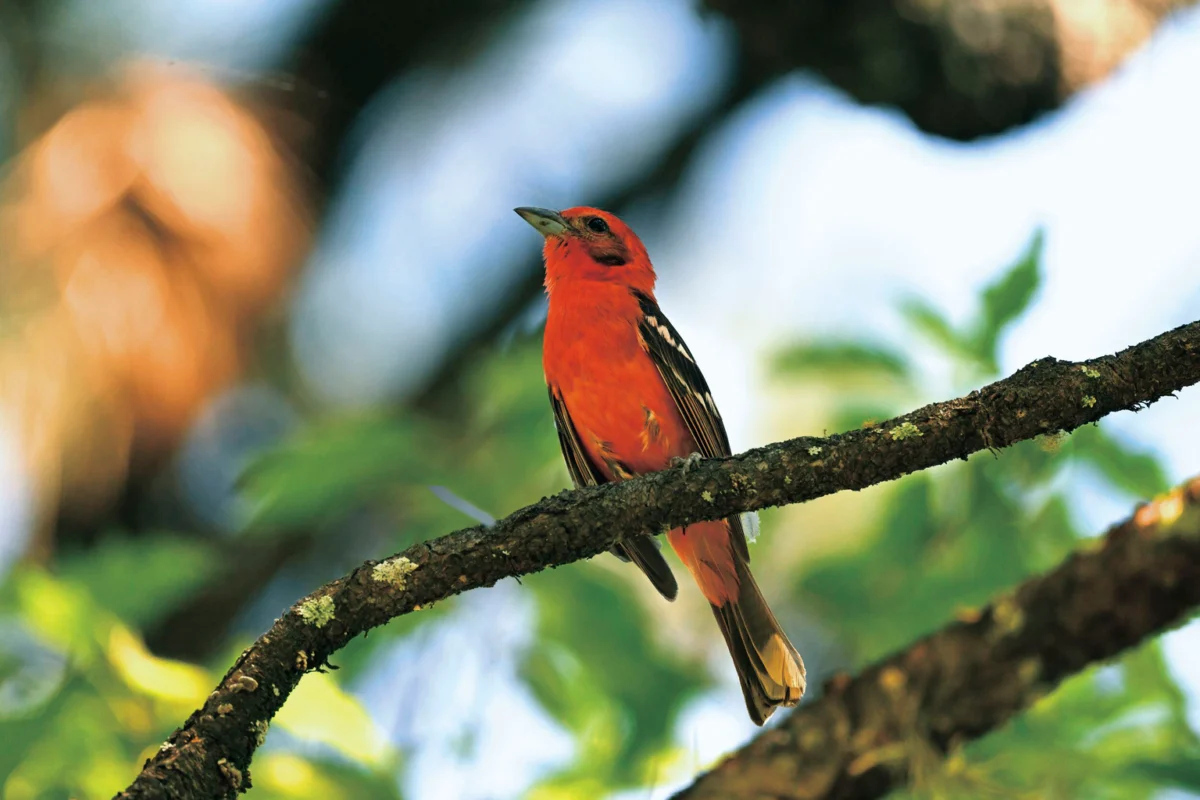
Her field observations included the Flame-colored Tanager (Cardinalidae family), a resident bird of the region’s evergreen forests. Observations indicated a shift in the species’ foraging behavior, with the birds focusing on insect consumption rather than fruit or seeds during the period of study. Additionally, the Dusky-capped Flycatcher (Tyrannidae family), known for its aerial insect-hunting tactics, was documented in the forested habitats of the park. These observations provide anecdotal data that contributes to the broader understanding of local species activity cycles in response to current climatic conditions.
Urban Restoration: The Trinity River Audubon Center
The transition to the Trinity River Audubon Center in Dallas highlighted a different facet of conservation: the rehabilitation of former industrial and waste sites. The 48-hectare facility is situated on land that previously functioned as an illegal dumping ground. Since its opening in 2008, the center has successfully restored critical habitats, including lowland broadleaf forests, wetlands, and the Blackland Prairie.
The site currently serves as a vital stopover and habitat for species such as the Tricolored Heron (Ardeidae family) and the American White Ibis (Threskiornithidae family). The presence of these birds in an urban setting—merely 10 minutes from the Dallas city center—underscores the efficacy of urban planning that prioritizes biodiversity alongside human development. The center’s dual role as a research hub and an educational institution offers a model for other metropolitan areas seeking to integrate green space into their infrastructure.

The Intersection of Global Sport and Conservation
The 2026 FIFA World Cup served as the logistical framework for this trip, providing a rare opportunity to observe the intersection of human-centric entertainment and nature-centric conservation. By engaging with BirdLife International’s local partners—Pronatura in Mexico and the National Audubon Society in the United States—the Princess emphasized that the passion found in the stadium is, or should be, mirrored by the passion required to protect the planet’s ecosystems.
This comparative analysis suggests that the cultural momentum generated by global sporting events can be leveraged for environmental advocacy. Officials from both Pronatura and the National Audubon Society expressed that the visit served to amplify the visibility of their ongoing projects. By highlighting the challenges faced by these organizations—ranging from climate change-induced habitat degradation to the pressures of urban encroachment—the visit provided an international platform for regional environmental issues.
Data-Driven Environmental Implications
The environmental data observed during this tour reflects broader global trends. The necessity of protecting the Sierra Madre Oriental mountain range, for instance, is increasingly urgent as climate change alters the distribution of endemic pine species. Similarly, the success of the Trinity River project demonstrates that "rewilding" is a viable strategy for mitigating the "urban heat island" effect, which was particularly noticeable during the June heatwaves in North America.
From an institutional perspective, the involvement of a high-profile figure like Princess Takamado facilitates a deeper integration between international policy and local conservation. BirdLife International, which acts as a partnership of organizations across 120 countries, relies on this form of high-level visibility to maintain funding and public interest. The implications of this visit extend beyond mere tourism; they represent a deliberate effort to link international cultural exchange with the necessity of preserving global biodiversity.

Official Perspectives and Future Directions
While the trip was personal in its photographic scope, the official nature of the Princess’s roles underscores a growing trend of "soft diplomacy" in environmentalism. By comparing the dedication of football supporters to the commitment of conservationists, the Princess posited that the preservation of nature requires a similar level of collective fervor and public support.
Conservation experts noted that such visits are essential for keeping environmental issues at the forefront of international discourse. As cities like Monterrey and Dallas continue to expand, the pressure on local ecosystems will only intensify. The work being done at the Trinity River Audubon Center and the Chipinque Ecological Park serves as a blueprint for sustainable development. These sites are not merely repositories of biological specimens but are active centers for research, public education, and community engagement.
The visit concluded with a clear message: that the stewardship of the natural world is a global responsibility that transcends borders and disciplines. As the world moves further into the 2026 calendar, the observations gathered by the Princess provide a detailed record of the specific avian populations and habitat conditions encountered during the summer, serving as a baseline for future environmental assessments in these regions.
In summary, the journey of HIH Princess Takamado across the Americas served to illuminate the critical work being conducted by environmental organizations in the shadow of major international events. By documenting the avian life of the Sierra Madre Oriental and the restored prairies of Texas, the expedition reinforced the necessity of protecting biodiversity in both remote ecological strongholds and the heart of modern metropolitan centers. This synthesis of sport, culture, and science highlights a path forward where global events and environmental preservation are not mutually exclusive, but are instead interconnected pillars of a healthy, global society.

