


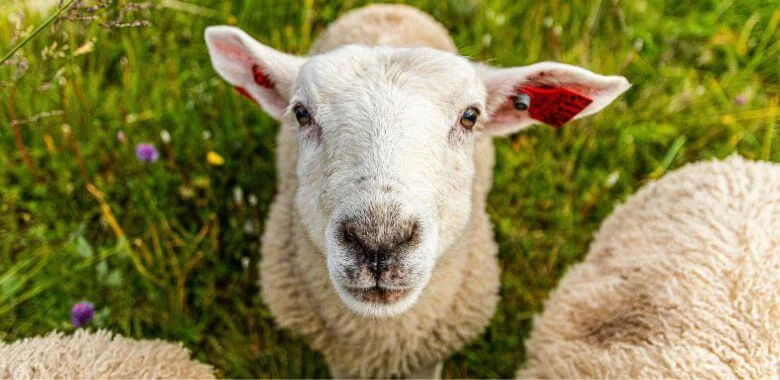
Public perception surrounding animal-derived textiles is undergoing a fundamental shift, as recent data suggests that consumers are increasingly drawing parallels between the controversial fur trade and the mass production of wool. According to a comprehensive national survey conducted by The Harris Poll on behalf of People for the Ethical Treatment of Animals (PETA), a significant majority of Americans—71%—now agree that raising and slaughtering animals for wool is just as ethically objectionable and cruel as doing so for fur. This growing consensus highlights a broader cultural reevaluation of animal welfare within the global fashion economy, challenging long-held assumptions that the wool industry is inherently humane.
The release of these polling metrics coincides with heightened scrutiny of retail giants and luxury labels, driven largely by direct-action protests that have captured international media attention. Most notably, a disruption at the COS runway show during New York Fashion Week (NYFW) thrust the hidden realities of wool production into the public spotlight. As ethical fashion advocates push for systemic changes across supply chains, industry analysts are beginning to assess how these evolving consumer attitudes could reshape retail inventories, sustainable fashion certifications, and corporate accountability in the years ahead.
Unmasking the Reality: What Happens Behind the Scenes in Global Wool Production
For decades, the commercial fashion sector has marketed wool as a sustainable, natural, and benign byproduct of sheep farming—a stark contrast to the visceral imagery historically associated with mink and fox fur farming. However, animal welfare investigators have repeatedly challenged this narrative, documenting widespread systemic abuse across multiple continents.
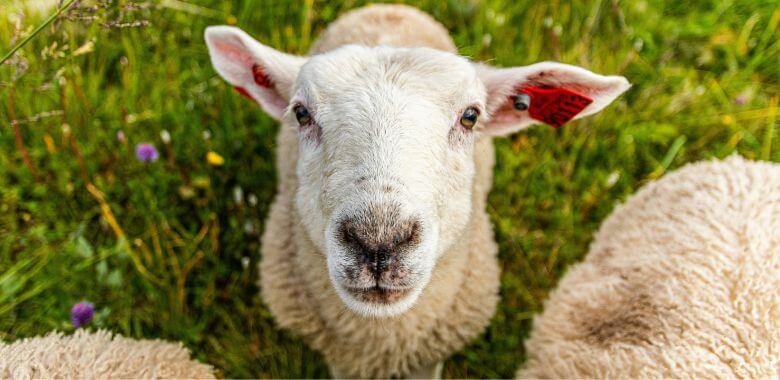
Sheep are biologically complex, sentient animals capable of recognizing human faces, forming deep social attachments, and experiencing distinct emotional states ranging from curiosity to profound stress. Despite these cognitive traits, industrial wool operations typically manage sheep at a volume that prioritizes speed and volume over animal well-being. Investigative reports compiled by PETA entities across more than 150 operations worldwide have consistently revealed routine instances of physical abuse. Workers have been documented punching, kicking, and mutilating animals during shearing processes, while cutting through sensitive skin with mechanical shears in the rush to meet production quotas.
Of particular concern to consumers are certified supply chains that claim to uphold rigorous ethical standards. Recent undercover documentation from PETA Asia exposed extreme cruelty at a NATIVA-certified wool farm—a facility linked directly to a contracted supplier associated with the H&M Group, the parent company of the contemporary fashion brand COS. Investigators recorded farmhands kicking and stomping on adult sheep, dragging vulnerable lambs by their limbs, and leaving animals with untreated, gaping wounds following hasty shearing sessions. Such exposés have dismantled consumer trust in voluntary industry certifications, prompting broader questions regarding supply chain transparency and oversight.
Chronology of Escalation: From Farm Investigations to the New York Runway
The friction between animal rights advocates and major apparel corporations reached a dramatic crescendo during the autumn 2026 fashion season in New York City. The timeline of events underscores how targeted activism can rapidly amplify niche ethical concerns into mainstream national discourse:
- Early 2026: Investigative footage emerges from PETA Asia detailing animal abuse at a certified wool-producing farm tied to major international retailers, including supply chains connected to the H&M Group.
- September 13, 2026: During New York Fashion Week, PETA advocates stage a high-visibility protest directly on the runway during the COS fashion show. Protesters hold banners demanding an end to the use of sheep wool, bringing the issue directly to editors, buyers, and media representatives.
- Mid-September 2026: A physical confrontation between a fashion executive and a demonstrator during the NYFW protest is recorded and rapidly disseminated across social media platforms, generating millions of views and international news coverage.
- Late September to October 1, 2026: The Harris Poll conducts a national survey measuring public awareness and sentiment regarding the protest, wool production ethics, and consumer purchasing intentions, culminating in the formal release of the data on October 1.
Quantifying the Shift: Public Awareness and Statistical Insights
The intersection of investigative journalism and direct protest has measurably moved the needle on public awareness. The Harris Poll data reveals that the disruption at New York Fashion Week successfully penetrated the public consciousness, yielding stark metrics regarding consumer education and sentiment:
- Awareness and Impact: Among U.S. adults who reported hearing about the PETA protest at NYFW, an overwhelming 81% stated that the event heightened their awareness regarding sheep welfare concerns within the wool industry.
- First-Time Exposure: For 40% of those familiar with the protest, the demonstration served as their initial introduction to the ethical issues surrounding wool production. Another 41% reported prior awareness but noted that the protest deepened their understanding of the topic.
- Shifting Purchasing Intentions: When asked how this information influences their buying habits, 42% of surveyed Americans indicated they were less likely to purchase wool products moving forward.
- The Rise of Vegan Fashion: More than half of respondents—56%—expressed an increased interest in exploring animal-free, plant-based, or synthetic vegan alternatives to traditional textiles.
- Corporate Reputation: Retailers and fashion brands should take note of consumer accountability metrics; 45% of participants stated they would view a clothing retailer more favorably if it elected to phase out the sale of wool entirely.
Industry Implications and the Broader Future of Ethical Fashion
The implications of the Harris Poll findings extend far beyond a single runway disruption. As consumer demographics shift toward younger, more ethically conscious buyers—particularly Millennials and Generation Z—retailers face mounting pressure to align their material sourcing with stated corporate social responsibility (CSR) goals.
For many years, wool was championed as an eco-friendly alternative to fossil-fuel-derived synthetics like acrylic and polyester, owing to its biodegradability and renewable nature. However, the environmental footprint of livestock agriculture, coupled with documented animal welfare violations, has complicated this narrative. Sustainable fashion advocates argue that true sustainability must encompass ethical treatment, prompting a surge in innovation surrounding plant-based and lab-grown textile alternatives, such as organic cotton, hemp, Tencel, bamboo, and advanced agricultural waste-derived fibers.
Major fashion conglomerates, including the H&M Group, face a strategic crossroads. While corporate entities have increasingly adopted ethical sourcing policies, animal rights organizations maintain that auditing systems are fundamentally flawed and unable to prevent abuse in large-scale animal husbandry. The growing public equivalence between wool and fur suggests that retailers continuing to rely on animal-derived fibers may face long-term reputational risks and declining market share among ethically motivated shoppers.
Ultimately, the convergence of rigorous data analytics, investigative media exposure, and active consumer advocacy points toward a transformative period for the apparel industry. As public perception continues to evolve away from traditional animal exploitation, the demand for transparent, cruelty-free alternatives is poised to transition from an alternative market segment into an industry-wide imperative.

