


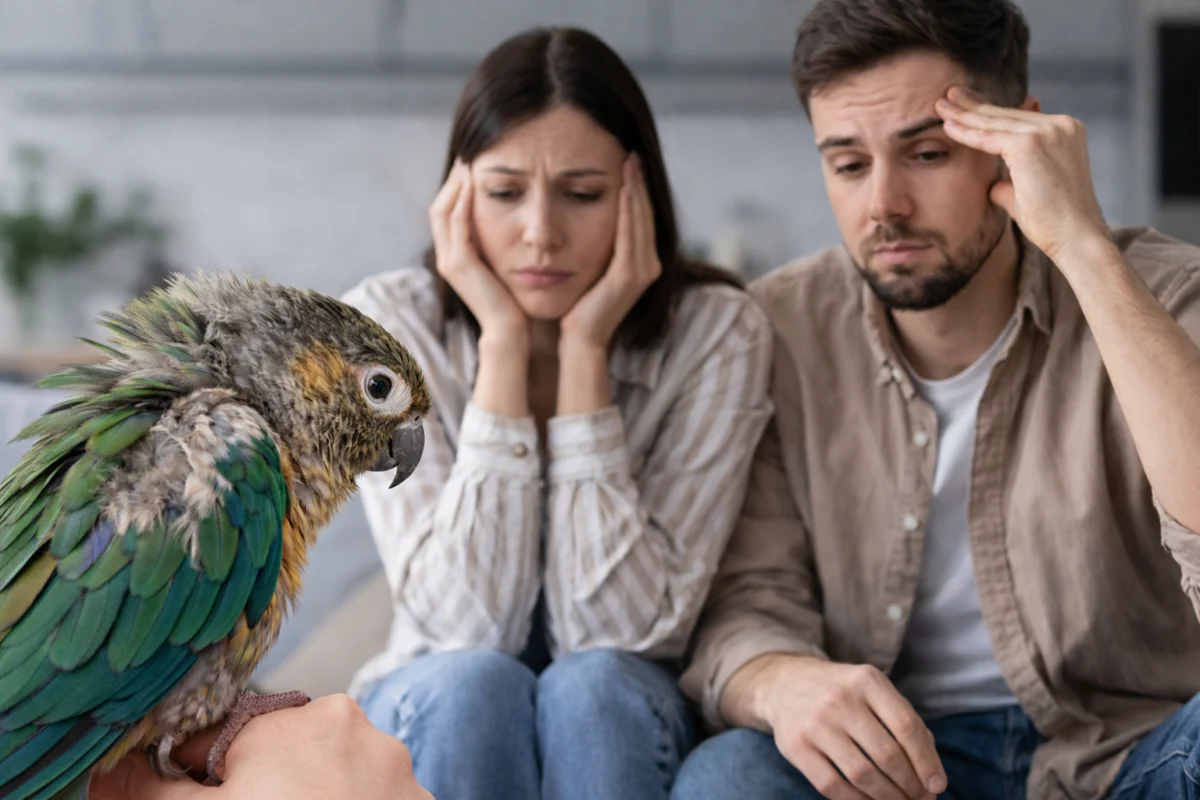
Chronic feather, skin, or “never-ending molt” issues in companion birds do not emerge spontaneously; they are typically the culmination of weeks or months of observable distress and suboptimal health. Pet bird owners frequently find themselves navigating a perplexing cycle of feather loss, poor regrowth, persistent irritation, and the unsettling question of whether their bird is experiencing a prolonged molt or engaging in self-destructive plucking. This situation transcends a single "bad feather day," evolving into a pattern that signals a deeper physiological or environmental imbalance. Published on February 1, 2026, and last updated the following day, this comprehensive guide, authored by Diane Burroughs, LCSW, aims to equip owners with the knowledge to navigate these challenging conditions.
The challenges associated with avian integumentary health are complex, demanding a nuanced approach that moves beyond reactive measures to proactive, evidence-based care. As noted by Diane Burroughs, LCSW, a recognized authority in avian behavior and wellness, the critical juncture for intervention arrives when a bird’s body consistently fails to complete its natural repair processes. This guide is designed for that pivotal moment, offering insights into recognizing the patterns, understanding the underlying dynamics, and implementing effective strategies to support a bird’s recovery and long-term well-being. It eschews superficial advice, focusing instead on observable bird behavior, the physiological demands of feather growth, and the precise conditions under which behavior modification becomes a viable and ethical intervention, always secondary to ruling out medical etiologies.
The Intricacies of Avian Molt: Normal Versus Concerning Patterns
Molting is a fundamental biological process for birds, essential for replacing worn or damaged feathers with new, healthy ones. This periodic renewal is crucial for maintaining insulation, waterproofing, flight efficiency, and display. A normal molt typically occurs in predictable waves, with old feathers systematically shed and new pin feathers emerging to replace them. This process, while energy-intensive, resolves within a defined timeframe, leaving the bird with a refreshed plumage. Even the characteristic "spiky" appearance of developing pin feathers is a temporary phase, typically subsiding as the feathers unfurl and the underlying skin recovers. This natural cycle is often influenced by seasonal changes, photoperiod, and reproductive status, ensuring the bird maintains optimal feather condition throughout its life.
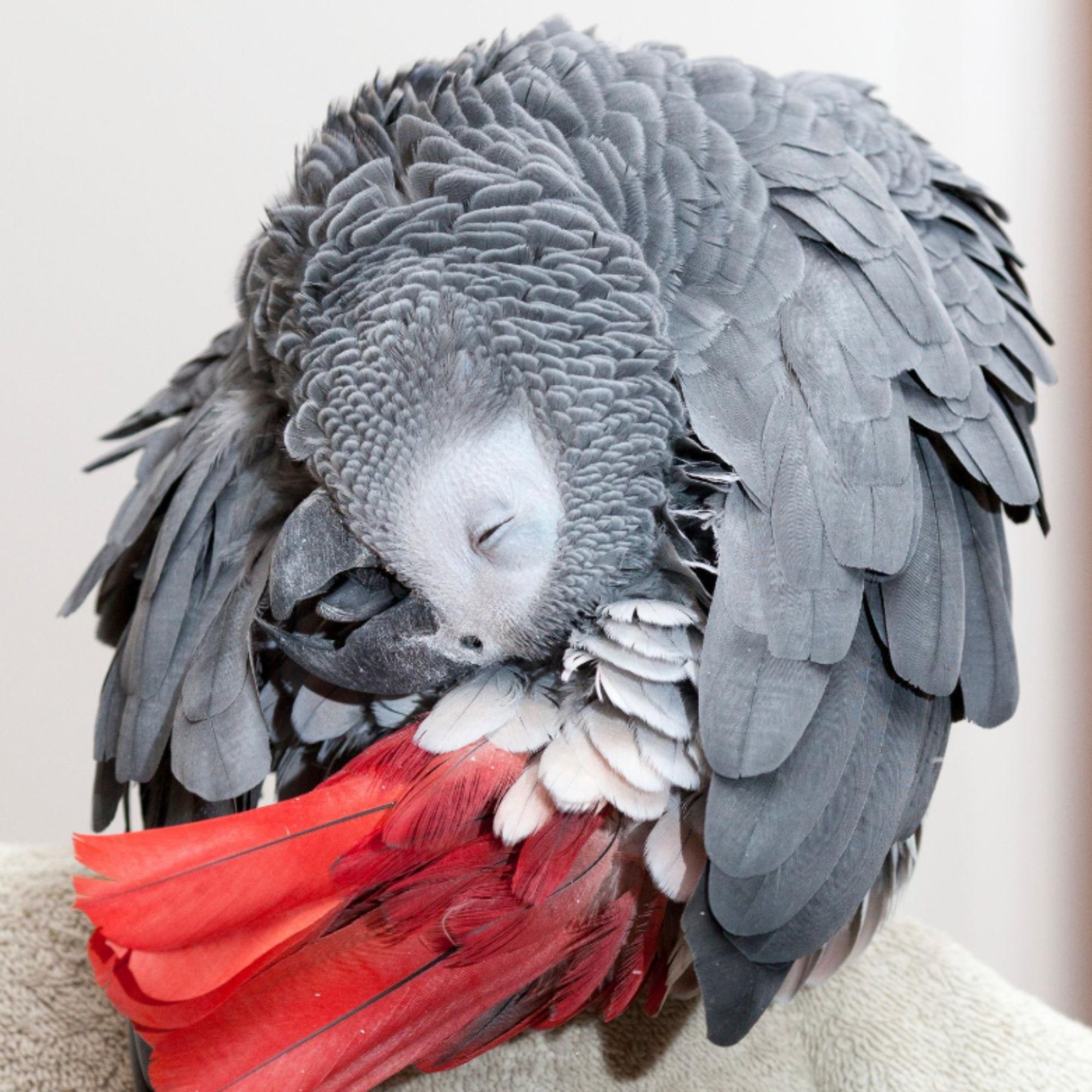
However, distinguishing a normal molt from a problematic, chronic condition is paramount for bird owners. What raises concern is a pattern that deviates significantly from this healthy cycle. Indicators of a persistent issue include:
- Unending Cycles: The molt appears to last indefinitely, or new feathers grow in, only to be shed or damaged prematurely, initiating a rapid, unhealthy cycle. This often gives the impression of a bird constantly "in molt" without ever achieving a full, healthy coat.
- Poor Feather Quality: New feathers are misshapen, discolored, brittle, or exhibit "stress bars"—transverse lines or areas of weakness in the feather vane, indicative of a physiological disturbance during their formation. Research by Chen et al. (2020) highlights the intricate molecular and nutritional factors underpinning feather growth, underscoring how disruptions manifest in feather quality. These bars are a historical record of stress, indicating a period of illness, nutritional deficiency, or environmental disturbance during the feather’s development.
- Visible Skin Irritation: The skin beneath the feathers appears red, inflamed, dry, flaky, or develops lesions from excessive scratching or picking. This can range from mild dermatitis to severe self-mutilation, leading to open wounds and secondary infections.
- Bald Patches or Thinning Plumage: Localized or generalized areas where feathers are absent or noticeably sparse, often without signs of regrowth. Common areas include the chest, wings, and under the wings, though any part of the body can be affected.
- Behavioral Changes: Increased itching, excessive preening that transitions into plucking, or self-mutilation. The bird may also exhibit signs of discomfort, irritability, lethargy, or reduced engagement in typical parrot activities, such as foraging, playing, or social interaction. This shift in behavior is a critical indicator that the bird is experiencing more than just a typical molt.
Owners are encouraged to maintain a simple yet effective action plan: document the bird’s feather condition. Define a baseline when feathers were last healthy and photograph the same areas weekly under consistent lighting. This systematic approach provides objective evidence to confirm whether a pattern is truly ongoing, moving beyond speculative "molting vs. plucking" guesswork. Such documentation can be invaluable for veterinary consultations. Resisting the urge to compare one’s bird to others is vital; the most relevant comparison is always to the bird’s own historical condition and the duration of the current rough cycle. A pattern that fails to break typically signifies that the bird’s body has not been afforded the necessary environment or resources for healing.
Multifaceted Causes: Unpacking the Roots of Chronic Feather Issues
The persistence of feather and skin problems in companion birds often points to a complex interplay of medical, nutritional, environmental, and behavioral factors. Addressing these issues effectively requires a holistic diagnostic approach. The Merck Veterinary Manual (Lightfoot, 2024) provides extensive documentation on the myriad of potential causes.
Medical and Physiological Causes:
A wide array of underlying health conditions can disrupt normal feather growth and skin integrity. These include:

- Nutritional Deficiencies: Inadequate dietary intake of essential vitamins (e.g., Vitamin A for epithelial health, biotin), minerals (e.g., calcium, zinc), and amino acids (e.g., methionine, lysine) can severely compromise feather structure and growth. All-seed diets are notoriously deficient in these crucial nutrients, as detailed in related research by McGraw (2006) on coloration and feather health, and are often implicated in poor feather quality. A lack of specific fatty acids can also lead to dry, flaky skin and dull plumage.
- Infections: Bacterial, fungal, or viral pathogens can directly affect the skin and feather follicles. Specific viral diseases like Psittacine Beak and Feather Disease (PBFD) or Polyomavirus can cause severe feather dystrophy and immune suppression. Fungal infections, such as Candida species, can cause dermatitis, while bacterial infections can lead to folliculitis.
- Parasites: External parasites (mites, lice) cause intense itching and irritation, leading to self-trauma. Internal parasites can also impact nutrient absorption, indirectly affecting feather quality. Avian mites can be particularly insidious, causing chronic irritation that leads to plucking.
- Organ Disease: Liver disease, kidney disease, or other systemic illnesses can manifest in poor feather condition due to impaired metabolism and detoxification. The liver, in particular, plays a vital role in fat and protein metabolism, essential for feather production.
- Hormonal Imbalances: Thyroid dysfunction or reproductive hormone imbalances can interfere with the molting cycle and overall feather health. Over-preening in certain areas can sometimes be linked to reproductive hormonal fluctuations.
- Environmental Toxins: Exposure to heavy metals (e.g., lead, zinc) from toys, cage materials, or household items, or inhaled irritants (e.g., smoke, chemical fumes from cleaning products, air fresheners) can lead to systemic illness reflected in the integument.
- Allergies: While less common, birds can develop allergic reactions to environmental allergens (e.g., dust, pollen) or dietary components, leading to skin irritation and feather damage.
- Chronic Pain: Undetected injuries, arthritis, or chronic pain can cause a bird to focus excessively on a specific body part, leading to feather plucking or self-mutilation as a coping mechanism.
Environmental and Behavioral Stressors:
Even in the absence of overt medical disease, a suboptimal environment can induce chronic stress, which directly impacts a bird’s ability to maintain healthy plumage.
- Inadequate Sleep: Birds require 10-12 hours of uninterrupted darkness for proper physiological function. Disruptions to this sleep cycle can elevate stress hormones, impair immune function, and interfere with molting, leading to a state of chronic fatigue.
- Poor Humidity and Bathing Opportunities: Indoor environments, especially with central heating/cooling, often lack sufficient humidity. Regular bathing or misting is essential for feather health, cleanliness, and reducing skin irritation. Dry skin and feathers become brittle and uncomfortable, increasing the urge to pick.
- Lack of Enrichment and Boredom: Intelligent, active birds like parrots require constant mental and physical stimulation. A lack of foraging opportunities, appropriate toys, and social interaction can lead to boredom, frustration, and redirecting energy towards feather destructive behaviors (FDB). Birds in barren environments are significantly more prone to FDB.
- Social Stress: Loneliness, inappropriate handling, perceived threats from other pets or household members, or even an overly stimulating environment can be significant stressors. Incompatible cagemates or perceived competition for resources can also induce stress.
- Inconsistent Routines: Birds thrive on predictability. Frequent changes in cage location, daily schedules, or caregiver can induce anxiety and a feeling of insecurity.
- Dietary Monotony/Seed-Based Diets: Beyond nutritional deficiencies, the lack of varied foraging opportunities inherent in a seed-only diet contributes to behavioral boredom and stress, as the bird expends minimal effort to obtain food.
The interplay of these factors can create a vicious cycle. For instance, a bird with a mild nutritional deficiency might experience a difficult molt, leading to itchy, poorly formed feathers. This discomfort, combined with an already stressful environment, could then prompt the bird to excessively preen or pluck, further damaging feathers and skin, and perpetuating the problem. Stettenheim (2000) and Lucas & Stettenheim (1972) have extensively detailed avian integumentary morphology, providing foundational understanding of how these disruptions impact the physical structure of feathers and skin.
Immediate Action: Prioritizing Stabilization Over Quick Fixes
When faced with chronic feather and skin issues, the immediate imperative is to focus on stabilization rather than attempting to "fix" everything at once. This phase is about providing the bird’s body with the optimal conditions for recovery and healing, akin to offering comfort and rest to a convalescing human. The goal is to reduce overall physiological and psychological stress, allowing the body’s natural repair mechanisms to engage.
Key components of this stabilization phase include:
- Ensuring Adequate, Uninterrupted Sleep: Establish a consistent sleep schedule of 10-12 hours in a quiet, dark environment. This is non-negotiable for hormonal regulation, immune function, and stress reduction. Covering the cage at a consistent time nightly can facilitate this.
- Optimizing Nutrition: Transition the bird to a high-quality, species-appropriate pelleted diet supplemented with a diverse range of fresh, nutrient-rich vegetables and fruits. Avoid abrupt dietary changes; introduce new foods gradually. Consulting an avian veterinarian for specific dietary recommendations is often beneficial, particularly if nutritional deficiencies are suspected.
- Providing Regular Bathing/Misting Opportunities: Offer daily access to bathing (shallow water, bird bath) or gentle misting with plain water. This helps hydrate skin, loosen feather dander, and promotes healthy preening. Warm, clean water is ideal.
- Maintaining Optimal Environmental Humidity: Consider using a humidifier, especially in dry climates or during winter months, to support skin and feather health. Humidity levels between 40-60% are often recommended for many parrot species.
- Establishing Predictable Routines: Consistency in feeding times, interaction, and cage cleaning can significantly reduce anxiety and provide a sense of security. Birds thrive on predictability, and deviations can be a significant source of stress.

