


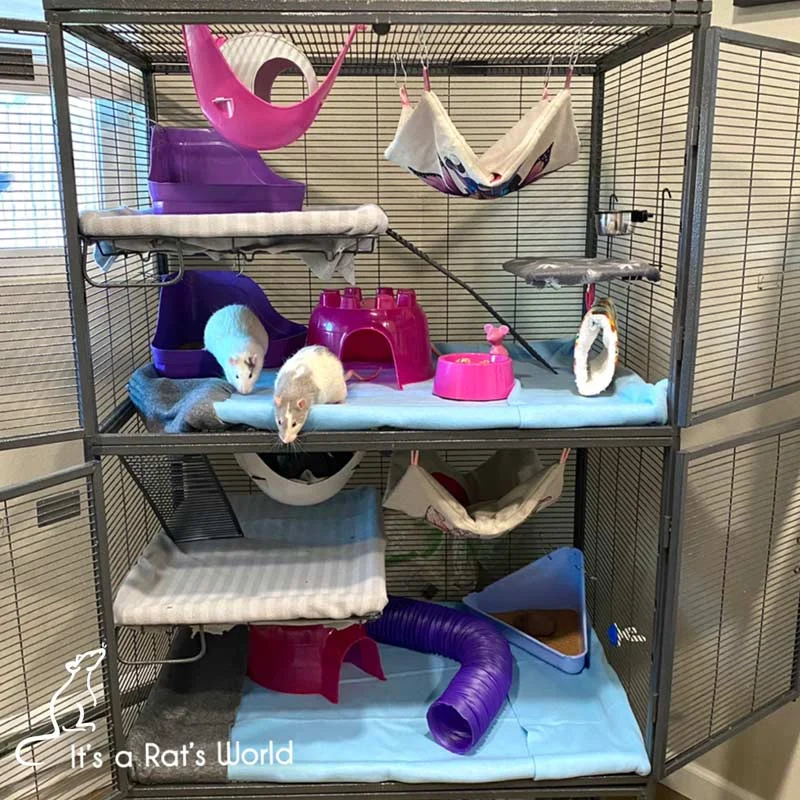
Respiratory disease remains the most prevalent health challenge for domestic rats, representing a significant concern for veterinarians and owners alike. Because all domestic rats are born with Mycoplasma pulmonis, a bacterium residing in the respiratory tract, they possess an inherent susceptibility to murine mycoplasmosis. This condition, if triggered, can progress from mild upper respiratory infections to severe, life-threatening pneumonia and systemic complications. Understanding the biological nature of this bacterium, the environmental triggers that exacerbate it, and the necessary clinical interventions is vital for ensuring the longevity and well-being of these animals.
The Biological Foundation of Mycoplasmosis
Mycoplasma pulmonis is a small bacterium lacking a cell wall, making it uniquely difficult to eliminate. It is vertically transmitted from mother to offspring, meaning that for most domestic rats, infection is inevitable from birth. While many rats live their entire lives as asymptomatic carriers, the bacterium serves as the primary root cause for a spectrum of respiratory and genital diseases.
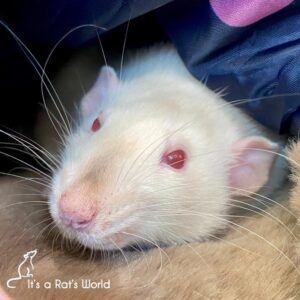
Clinical research suggests that the interaction between the host’s immune system and the Mycoplasma load determines the severity of the disease. Stressors such as poor nutrition, overcrowding, or environmental pollutants can suppress immune function, allowing the bacteria to proliferate. This can lead to chronic respiratory inflammation, permanent tissue damage in the lungs, and, in advanced cases, secondary infections that may involve congestive heart failure.
Chronology of Symptom Progression
The onset of respiratory distress in rats typically follows a predictable, yet often subtle, trajectory. Owners must be trained to recognize early indicators before a situation becomes critical.
- Initial Stage: The first signs are frequently characterized by repetitive sneezing and the appearance of porphyrin. Porphyrin is a reddish-brown secretion produced by the Harderian gland located behind the eyes. While often mistaken for blood by novice owners, it is a physiological response to stress or respiratory irritation. At this stage, the rat may appear otherwise healthy.
- Intermediate Stage: As an upper respiratory infection (URI) takes hold, owners may notice audible "snuffling" or "clicking" sounds. Squinting or lethargy may occur. If the infection reaches the inner ear, clinical symptoms like head tilting, circling, or persistent scratching at the ears become evident. Without intervention, permanent neurological damage or balance issues can occur.
- Advanced Stage: Lower respiratory infections indicate that the disease has settled into the chest cavity. This is an emergency scenario. Symptoms include labored, "wet" breathing, gasping, a hunched posture (a common indicator of pain in small rodents), and significant weight loss. Rats at this stage are in immediate danger of respiratory failure and require urgent veterinary assessment.
Environmental Factors and Mitigation Strategies

Environmental quality is the most significant modifiable factor in preventing respiratory flares. Domestic rats are highly sensitive to particulate matter and chemical vapors.
The use of soft wood shavings, such as pine or cedar, is strongly discouraged by veterinary experts. These woods contain phenols and aromatic hydrocarbons that are toxic to rodents, causing damage to the liver and severely irritating the respiratory tract. Modern standards favor paper-based or kiln-dried aspen bedding, which minimize dust and volatile compounds.
Furthermore, cage hygiene is paramount. Ammonia, produced by the breakdown of urine, is a potent respiratory irritant that accumulates rapidly in poorly ventilated enclosures. Regular sanitation, including the washing of fabric hammocks and liners, is required to prevent the inhalation of ammonia vapors. Beyond the cage, owners must consider household air quality. Perfumes, aerosol cleaning agents, cigarette smoke, and incense can trigger acute respiratory episodes in susceptible individuals.
The Role of Ethical Sourcing and Quarantine
The prevalence of Mycoplasma in the rat population is often compounded by poor breeding practices. Rats sourced from commercial pet stores or feeder-breeding operations are frequently raised in high-density environments that prioritize volume over genetic health. These conditions facilitate the rapid spread of not only Mycoplasma but also external parasites like lice and mites, which weaken the immune system and increase overall susceptibility to disease.
To protect an existing colony, the implementation of a formal quarantine protocol is non-negotiable. When introducing a new rat, a minimum two-week isolation period in a physically separate airspace is required. Experts note that central air conditioning systems can circulate airborne pathogens, making separation in a different building or a sealed room essential. During this period, the new arrival should be monitored for sneezing, porphyrin discharge, and signs of skin parasites. If clinical signs appear, veterinary intervention—often utilizing selamectin for parasite control and targeted antibiotics for infection—must be completed before the quarantine can be lifted.
Clinical Perspectives and Veterinary Care
Veterinarians specializing in exotic animal medicine emphasize that there is no "cure" for Mycoplasma pulmonis. Instead, the objective of veterinary care is management. Antibiotic therapy, often involving combinations like enrofloxacin and doxycycline, is the gold standard for controlling bacterial loads during acute flares.
However, the efficacy of these treatments is entirely dependent on early detection. Rats are "prey species," and their survival instinct involves masking signs of illness until they are no longer able to compensate for the disease. By the time a rat shows overt signs of being "deathly ill"—such as gasping or complete lethargy—the disease is often in an advanced state.
Recent veterinary guidelines suggest that owners maintain a relationship with an exotics-specialist veterinarian who is comfortable with small rodent dosages. Relying on general practitioners who lack experience with rat pharmacology can lead to ineffective dosing or the use of contraindicated medications.
Broader Implications for the Fancy Rat Community
The long-term health of the pet rat population relies on a cultural shift within the pet community toward informed husbandry and ethical sourcing. Organizations like local rat rescues often act as a buffer, providing the necessary quarantine and medical stabilization that individual owners may struggle to perform.
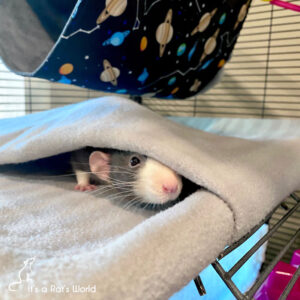
The psychological well-being of the rat is also a critical component of its physical health. Chronic stress, whether from social isolation, bullying by cage mates, or an environment that does not permit natural hiding and foraging behaviors, has been shown to decrease immune efficacy. Consequently, creating a "low-stress" habitat is not merely a comfort measure—it is a preventative health strategy.
Conclusion
While the genetic predisposition to respiratory disease makes life with rats challenging, it is not an insurmountable obstacle. By prioritizing high-quality, dust-free environments, practicing strict quarantine measures, and maintaining a low-stress lifestyle for the animals, owners can significantly reduce the frequency of respiratory flare-ups. The key to successful ownership lies in the transition from a passive approach to one of active observation, ensuring that any deviation from normal behavior is met with swift, informed veterinary action. As our understanding of murine physiology continues to grow, so too does our ability to provide these highly social, intelligent animals with the long, healthy lives they deserve.

