


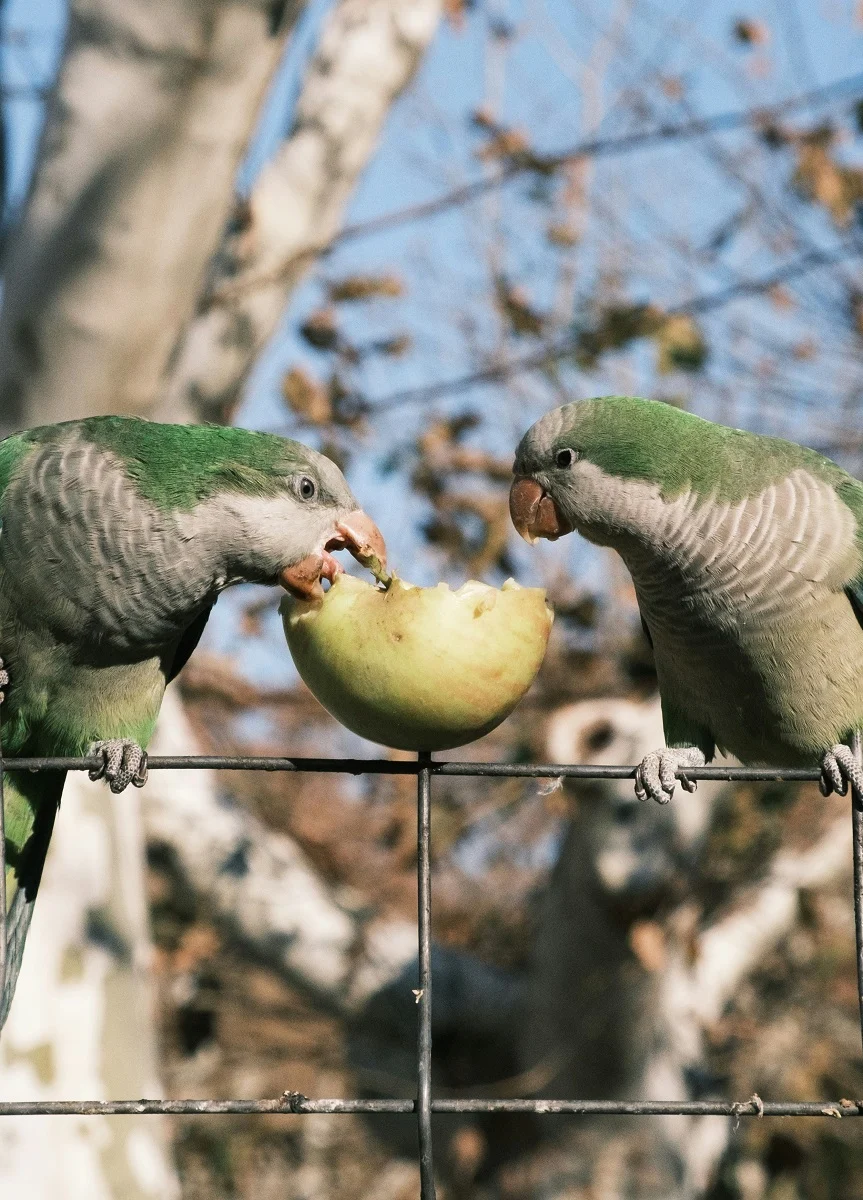
The Quaker parrot, scientifically known as Myiopsitta monachus, and also commonly referred to as the Monk parakeet, represents a compelling paradox in the avian world: a beloved pet in many households and a significant invasive species in numerous ecosystems globally. Originating from the temperate and subtropical regions of South America, these cheerful and intelligent parrots have captivated enthusiasts with their vibrant personalities, while simultaneously posing complex challenges for conservationists and agricultural sectors outside their native range. This article delves into the multifaceted aspects of Myiopsitta monachus, from its natural history and ecological impact to the intricate considerations involved in its care as a companion animal.
Natural History and Distinctive Characteristics
Myiopsitta monachus is native to a broad swath of South America, specifically inhabiting southern Brazil, eastern Bolivia, most of Paraguay and Argentina, and all of Uruguay. This lowland species thrives in elevations up to 3,300 feet, preferring diverse habitats such as wooded and sparsely wooded areas, palm forests, savannahs, and increasingly, urban parks and agricultural lands. Their adaptability to varied environments is a key factor in their success, both in their native range and as an introduced species.
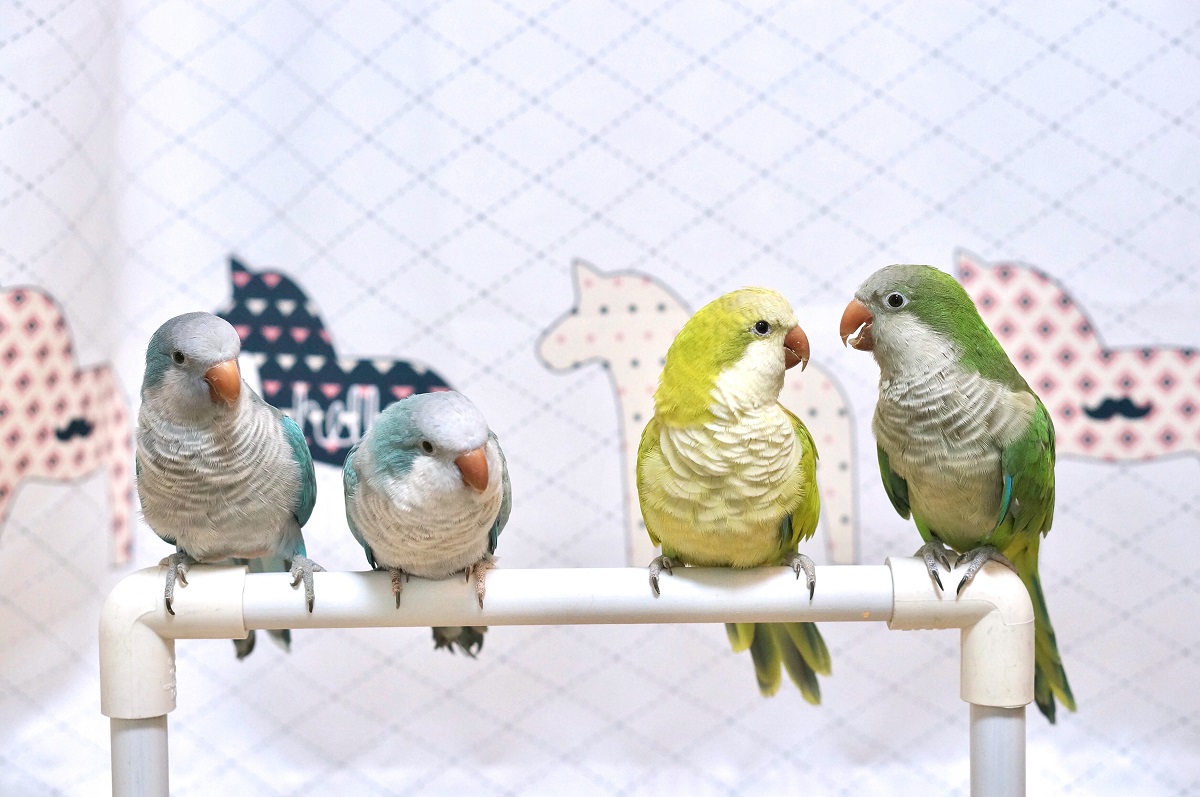
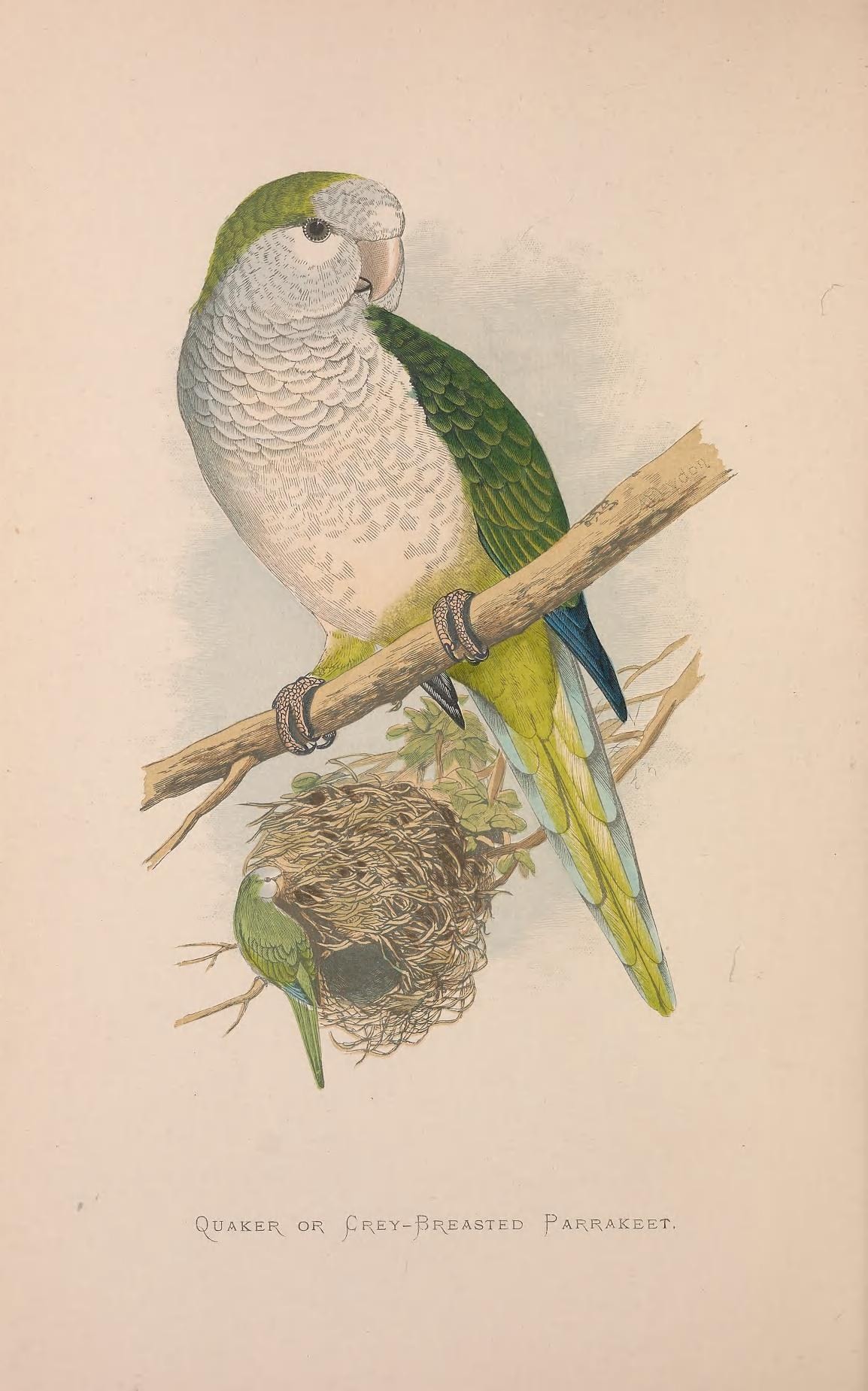
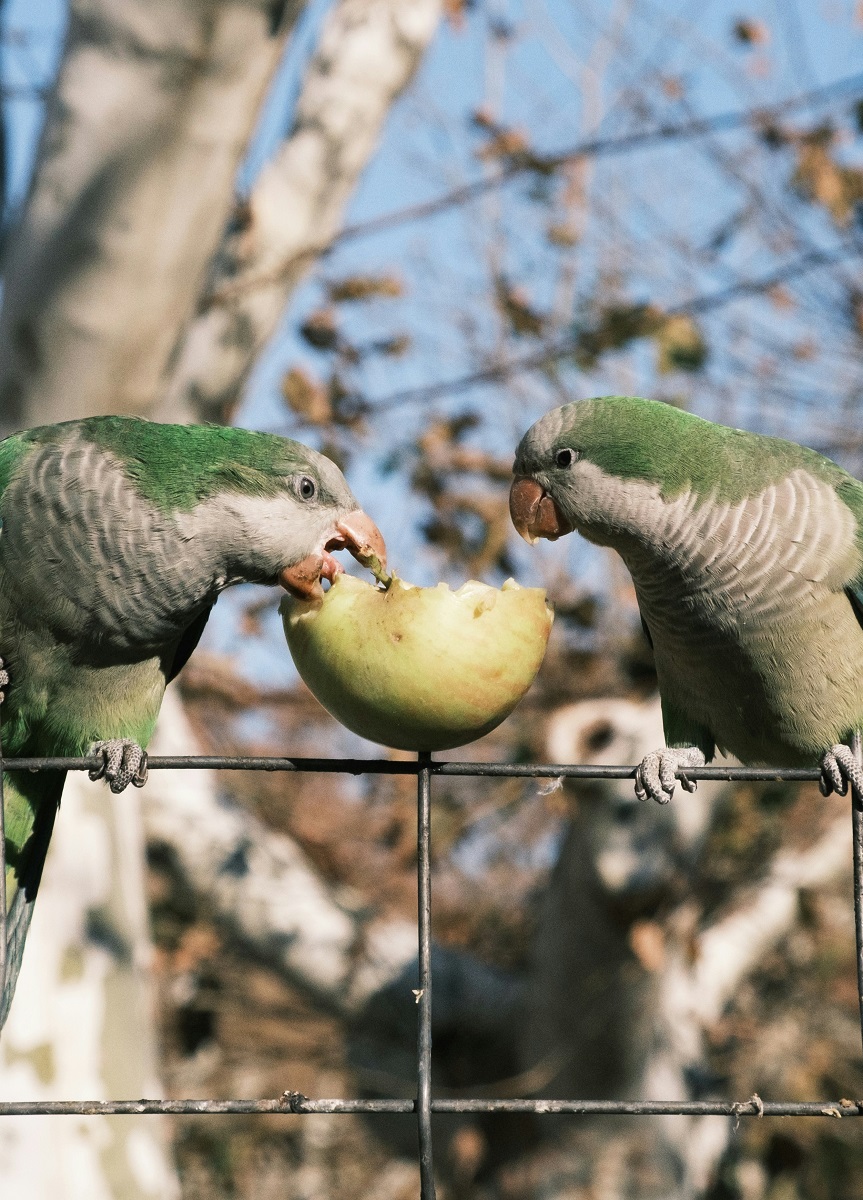
The Quaker parrot is a relatively small parrot, typically reaching an adult size of up to 13 inches in length and weighing approximately 140 grams. Wild specimens are readily identified by their striking mossy green backs, contrasting gray fronts, brilliant blue flight feathers, and a long, tapering tail. A distinctive skin-colored beak further aids in their identification. While visual distinction between sexes is nearly impossible, with females being only marginally smaller, DNA testing remains the most reliable method for sex determination. Through selective breeding programs, a diverse array of color morphs has emerged in captivity, including blue, yellow, gray, white, and various other mutations, adding to their appeal as pets.
Conservation Status and Ecological Dynamics
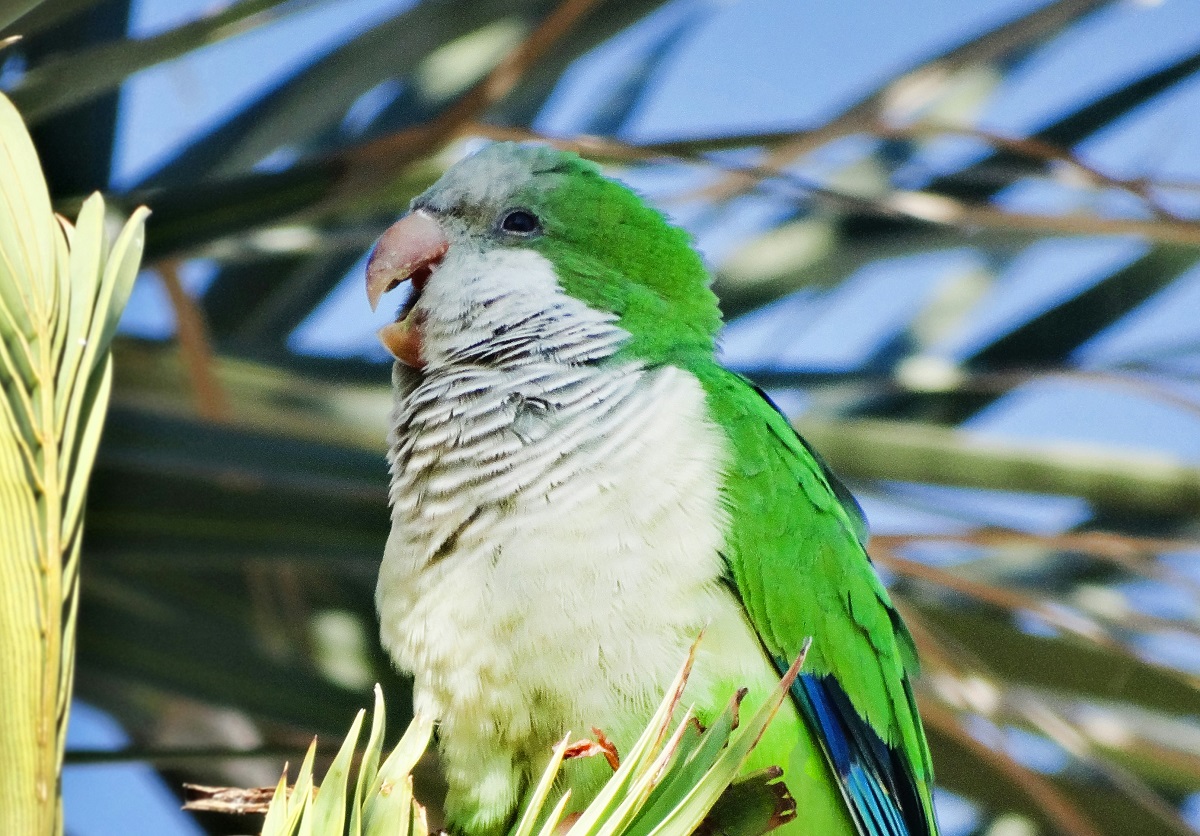
According to the IUCN Red List, Myiopsitta monachus is classified as a species of "Least Concern." This assessment reflects its widespread distribution and stable, even increasing, populations in its native range. Intriguingly, the species appears to be benefiting from certain anthropogenic activities that typically threaten other wildlife. For instance, the expansion of Eucalyptus forests for paper pulp production provides new nesting sites, while the proliferation of agricultural crops, particularly maize, offers abundant food sources. This adaptability to modified landscapes highlights their resilience and opportunistic nature.
In stark contrast, the only other species within the genus Myiopsitta, the similar M. luchsi (Bolivian Monk Parakeet), faces a far more precarious future, classified as "Near Threatened." This disparity underscores the unique ecological pressures and adaptive capacities that differentiate closely related species. The conservation status of M. monachus in its native range, therefore, provides a backdrop against which its global invasive potential is critically examined.
The Invasive Species Phenomenon
Beyond its native South American domain, the Quaker parrot has achieved notoriety as a highly successful invasive species across numerous continents. Self-sustaining feral populations have become established in countries worldwide, including significant presences in the United States, various European nations (such as Spain, where large colonies are common in cities like Valencia and Madrid), and parts of Asia. The proliferation of these populations is primarily attributed to escapes from the pet trade and deliberate releases, often by owners unprepared for the long-term commitment or challenging behaviors of these intelligent birds.
The ecological and economic ramifications of invasive Quaker parrot populations are substantial. Ecologically, they compete with native bird species for food and nesting sites, potentially displacing vulnerable indigenous fauna. Their communal nesting habits, involving the construction of large, elaborate stick nests that can weigh hundreds of pounds, pose a unique threat. These massive structures are frequently built on utility poles and other infrastructure, leading to power outages, fire hazards, and significant maintenance costs for utility companies. Economically, their voracious appetite for seeds and grains makes them agricultural pests, causing considerable damage to crops like corn, sunflowers, and various fruits, impacting farmers’ livelihoods.
The timeline of their global spread often traces back to the mid-20th century, coinciding with an increase in international pet trade. By the 1970s and 1980s, established feral colonies were documented in the United States, particularly in Florida, Texas, New York, and Illinois. This prompted regulatory bodies and wildlife officials to implement measures to control their spread. In several regions and states, the ownership, sale, or breeding of Quaker parrots is either restricted or outright banned due to their proven invasive potential. Wildlife biologists and environmental agencies consistently warn against the release of any non-native species into the wild, citing the Quaker parrot as a prime example of the cascading negative effects on local biodiversity and infrastructure. These bans, while controversial among pet owners, are a direct response to the demonstrable harm caused by these highly adaptable birds.
Life in Captivity: Responsible Pet Ownership
For individuals considering a Quaker parrot as a companion, understanding their specific needs and committing to responsible ownership is paramount. These birds are not merely decorative additions; they are highly intelligent, social, and long-lived creatures requiring significant time, attention, and resources.
Dietary Requirements: A healthy and varied diet is fundamental to a Quaker parrot’s well-being and longevity, which can extend up to 30 years in captivity. The outdated practice of feeding a seed-heavy diet is now widely discouraged by avian veterinarians due to its high fat content and nutritional deficiencies, often leading to malnutrition and related health issues. The cornerstone of a captive Quaker parrot’s diet should be a high-quality, formulated pellet food, which provides a balanced spectrum of essential nutrients. This should be supplemented daily with a diverse array of fresh fruits and vegetables. Safe options include:
- Vegetables: Leafy greens (kale, spinach in moderation), carrots, bell peppers, broccoli, sweet potatoes, peas.
- Fruits: Apples (without seeds), berries, melons, bananas, grapes, oranges.
- Other: Small amounts of cooked whole grains (quinoa, brown rice), lean cooked protein, and occasional healthy nuts (almonds, walnuts) as treats.
Access to a mineral block is also crucial for providing essential calcium and other trace elements. Fresh water should be available at multiple sites within the cage and changed daily.
Housing Essentials: Despite their relatively small size, Quaker parrots require ample space to move, climb, and stretch their wings comfortably. A cage measuring at least 30 inches wide, 24 inches deep, and 30 inches high is considered a minimum, though larger is always preferable. Bar spacing should be appropriate for their size, typically around 1/2 to 3/4 inch, to prevent escapes or injury. Cage length is often more critical than height, as parrots tend to utilize the upper portions of their enclosure more frequently.
The cage should be furnished with a variety of natural wood perches of different diameters to promote foot health and prevent pressure sores. Avoid dowel perches as the sole option. A diverse selection of parrot-safe toys—including shreddable toys, foraging toys, and puzzle toys—is essential for mental stimulation. Clean food and water bowls, ideally made of stainless steel, should be securely mounted. Environmental enrichment extends beyond toys; providing opportunities for bathing (misting or a shallow water dish), and access to full-spectrum UV lighting (specifically UVA and UVB) can significantly contribute to their physical and psychological health, mimicking natural sunlight conditions vital for vitamin D synthesis. Optimal humidity levels, particularly in dry climates, also play a role in feather health.
Enrichment and Mental Stimulation: Quaker parrots are highly intelligent and inquisitive creatures that bore easily. Without adequate enrichment and consistent interaction, they can develop behavioral issues such as screaming, feather plucking, or aggression. Preventing boredom requires a multifaceted approach:
- Toys: A rotating selection of safe, destructible, and puzzle toys.
- Foraging: Integrating foraging opportunities by hiding food in various locations or specialized foraging boxes encourages natural behaviors.
- Training: Positive reinforcement training, including target training and teaching tricks, provides mental exercise and strengthens the bond between bird and owner.
- Social Interaction: As highly social animals, solitary Quaker parrots require substantial daily interaction with their human caregivers. This involves direct play, talking, and simply "hanging out" for several hours each day. A lack of social engagement can lead to loneliness and stress.
- Out-of-Cage Time: Daily supervised time outside the cage is critical for physical exercise and mental stimulation. This prevents obesity and allows for exploration in a safe environment. Rooms must be thoroughly "bird-proofed" to eliminate hazards such as open windows, toxic plants, chemicals, hot surfaces, and ceiling fans. A dedicated parrot play gym on top of the cage or in another area of the home can serve as a safe and engaging "birdie hang-out spot."
Temperament and Social Dynamics: Quaker parrots are renowned for their confident, boisterous, and playful personalities. A well-socialized Quaker is often described as clownish and full of zest, bringing immense joy but also a degree of delightful chaos to a household. They possess a strong capacity for bonding, often becoming quite cuddly with their chosen human. However, this strong bond can sometimes manifest as an intense attachment to a single individual, potentially leading to territorial aggression or jealousy towards other family members.
These birds also exhibit strong territorial instincts regarding their cage, which they perceive as their personal space. This territoriality can make routine tasks like cleaning or refilling food and water bowls challenging, requiring patience and careful management to avoid nips. Understanding and respecting these inherent traits is key to fostering a harmonious relationship. The common name "Quaker" is derived not from religious affiliation, but from the characteristic "quaking" or flapping of wings young birds exhibit when begging for food, a literal description of their behavior.
Vocalization and Talking Ability: Quaker parrots are not silent birds, ranking in the low-to-moderate range for noise among parrots. While their flock calls can be quite grating, they also produce a steady stream of whistles, chirps, and can be impressive mimics of human speech and household sounds. Owners must be prepared for their vocalizations, and it is advisable to listen to recordings or visit a Quaker parrot in person before committing.
A happy and comfortable Quaker parrot may produce a soft "purring" sound, and like many other parrot species, they often grind their beaks when content, particularly before sleeping. Their ability to mimic human speech places them among the "good talkers" in the parrot world. While their voices are distinctively squeaky, they are highly motivated to learn and can acquire impressive vocabularies and even short phrases. Repetition is key to teaching them words, phrases, or tunes, demonstrating their remarkable cognitive capacity for vocal learning. It is important to note that while they can mimic, they do not inherently understand the meaning of the words they speak, rather they associate sounds with contexts or reactions.
Health and Emergency Preparedness
Owning a Quaker parrot entails a commitment to their health and well-being. Regular check-ups with an avian veterinarian, who specializes in bird care, are crucial for preventative health. Owners should be aware of common avian ailments and potential signs of illness, such as changes in appetite, droppings, feather condition, or behavior. Given their active nature, accidents can happen, from minor injuries like wood splinters in feet to more serious incidents. Therefore, having an avian first-aid kit readily available and knowing the contact information for an emergency avian vet are essential preparedness measures. Understanding basic emergency care, such as how to stop minor bleeding or provide immediate comfort, can be life-saving.
Conclusion
The Quaker parrot, Myiopsitta monachus, presents a compelling narrative of adaptation and resilience. From its vibrant presence in South American ecosystems to its dual role as a cherished companion animal and an impactful invasive species across the globe, its story underscores the profound implications of human-animal interactions. For those considering welcoming a Quaker parrot into their home, it is imperative to approach this decision with comprehensive knowledge, unwavering commitment, and a deep understanding of their complex needs. Responsible ownership, encompassing appropriate diet, spacious housing, consistent enrichment, and proactive health care, ensures a long and fulfilling life for these intelligent and spirited birds. Simultaneously, awareness of their ecological impact as an invasive species reinforces the critical importance of preventing escapes and supporting conservation efforts, thereby navigating the intricate balance between human fascination and environmental stewardship.

