


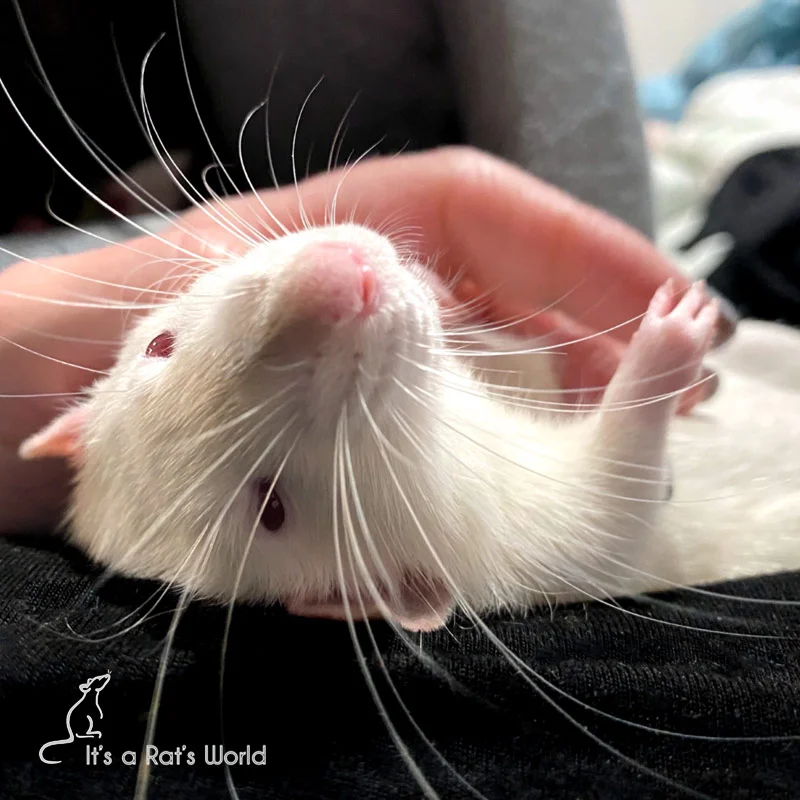
The decision to transition away from pet ownership is often fraught with emotional weight, social stigma, and logistical complexity. For owners of exotic small mammals, such as domestic rats (Rattus norvegicus), this burden is frequently compounded by the specialized nature of their care and their relatively short life expectancies. While domestic rats are celebrated for their intelligence, social complexity, and capacity for bonding, an increasing number of enthusiasts are finding themselves at a crossroads where the demands of husbandry—financial, medical, and psychological—no longer align with their current life circumstances. This phenomenon, often termed "pet ownership burnout," has become a subject of discussion within the veterinary and animal advocacy communities as owners navigate the difficult choice between continuing a commitment and prioritizing personal or animal well-being.
The Complexity of Exotic Pet Husbandry
Domestic rats, as exotic pets, require a higher level of specialized care than traditional companion animals like dogs or cats. Their physiological makeup, characterized by a rapid metabolic rate and a predisposition to specific respiratory and neoplastic conditions, necessitates access to exotic-specialist veterinarians. According to current veterinary standards, rats are highly social creatures that must be kept in groups to maintain psychological health. This group requirement creates a compounding cycle of commitment: as one animal ages and passes, the owner is often tasked with the responsibility of integrating new, younger rats to prevent the remaining individual from suffering the deleterious effects of isolation.

The economic landscape of the 2020s has further complicated this commitment. Data from the American Pet Products Association suggests that the cost of exotic pet ownership has risen by approximately 15% to 20% over the last three years, driven largely by inflation in veterinary services and high-quality specialized nutrition. For many, the financial threshold required to provide consistent, high-standard care for a colony of rats has moved from a manageable hobby expense to an unsustainable financial burden.
Chronology of the Commitment Dilemma
The trajectory of rat ownership typically follows a predictable timeline, which experts note can lead to sudden, overwhelming periods of burnout.
- The Initial Phase (Months 0–12): Owners often report high levels of engagement, driven by the novelty and the interactive nature of the pets. During this time, the financial and temporal costs are usually manageable.
- The Maintenance Phase (Years 1–2): As the animals mature, the onset of common age-related ailments, such as mycoplasmosis or mammary tumors, begins. This phase marks the shift from routine care to intensive medical management.
- The Crisis Point (Year 2+): This is the period where the "perpetual cycle" occurs. The death of one or more group members creates a logistical crisis: the owner must decide whether to continue the cycle by acquiring more rats or rehoming the remaining individuals. It is during this phase that many owners report the onset of "compassion fatigue."
Professional Perspectives on Compassion Fatigue
Veterinary professionals often encounter the fallout of this cycle. Dr. Aris Thorne, a specialist in exotic animal medicine, notes that the "caretaker burden" is frequently underestimated by prospective owners. "We see a significant number of clients who enter the world of exotic pets unprepared for the intensity of the end-of-life care," says Dr. Thorne. "The cycle of constant medical intervention for short-lived animals can result in a form of cumulative grief that is rarely acknowledged in broader pet ownership discourse. When an owner realizes they can no longer provide the level of care required, it is not necessarily a failure of character, but a recognition of their current limitations."

Studies in human-animal interaction (HAI) suggest that the emotional labor involved in nursing a sick pet, combined with the social isolation that can sometimes accompany the care of less conventional pets, contributes to a higher rate of burnout compared to owners of larger companion animals.
The Logistics of Ethical Rehoming
When an owner determines that they can no longer provide the appropriate standard of care, the process of rehoming presents significant ethical challenges. The risk of improper rehoming is high; the prevalence of online marketplaces has led to concerns regarding the safety of animals being transferred to unknown parties.
Animal welfare organizations emphasize that rehoming should be a final, calculated resort rather than an impulsive decision. The recommended protocol for responsible rehoming includes:

- Direct Surrender to Specialized Rescues: Utilizing non-profit, breed-specific or exotic-specific rescues that perform home checks and background verification.
- Veterinary Referrals: Contacting established exotic veterinary clinics, which often maintain lists of prospective, vetted adopters or foster networks.
- Community Networking: Engaging with established, non-commercial pet enthusiast groups that prioritize animal welfare over transaction speed.
Conversely, "dumping" or releasing animals into the wild is not only illegal in most jurisdictions but is also invariably fatal for domestic rats, who lack the survival instincts and immune resistance of their wild counterparts.
The Broader Impact and Societal Implications
The trend of owners stepping back from the hobby of rat keeping reflects a broader shift in how society views the "sanctity" of the human-animal bond. In previous decades, the social pressure to maintain a pet throughout its life, regardless of the owner’s changing socioeconomic status, was absolute. Modern discourse is shifting toward a more nuanced understanding of "conscious decoupling"—the idea that ending a caretaking relationship can be an act of responsible stewardship if the owner recognizes that the animal’s needs are no longer being met.
The implications for the pet industry are significant. Retailers and breeders are increasingly being urged to provide more transparent information regarding the lifetime costs and the inevitability of frequent end-of-life care. Educational initiatives aimed at prospective owners now emphasize the necessity of building an "exotic pet emergency fund" and securing a reliable, accessible exotic veterinarian before the first animal is acquired.

Conclusion: Redefining Ownership Success
Ultimately, the measure of a successful pet owner is not defined by an uninterrupted tenure of ownership, but by the quality of life provided to the animals under their charge. Whether an individual chooses to continue their journey with rats or enters a period of hiatus, the priority remains the welfare of the living creatures. For those who choose to step away, the decision is often characterized by a period of profound personal reflection and grief. However, industry experts suggest that normalizing this transition is essential for the long-term health of both the owners and the animals, ensuring that when ownership does occur, it is grounded in sustainability, financial readiness, and the capacity to meet the demanding requirements of these highly complex, sentient beings. As the community continues to evolve, the focus is shifting toward support systems that allow owners to exit the hobby with dignity, ensuring that no animal is left without adequate care due to the changing circumstances of their human counterparts.

