


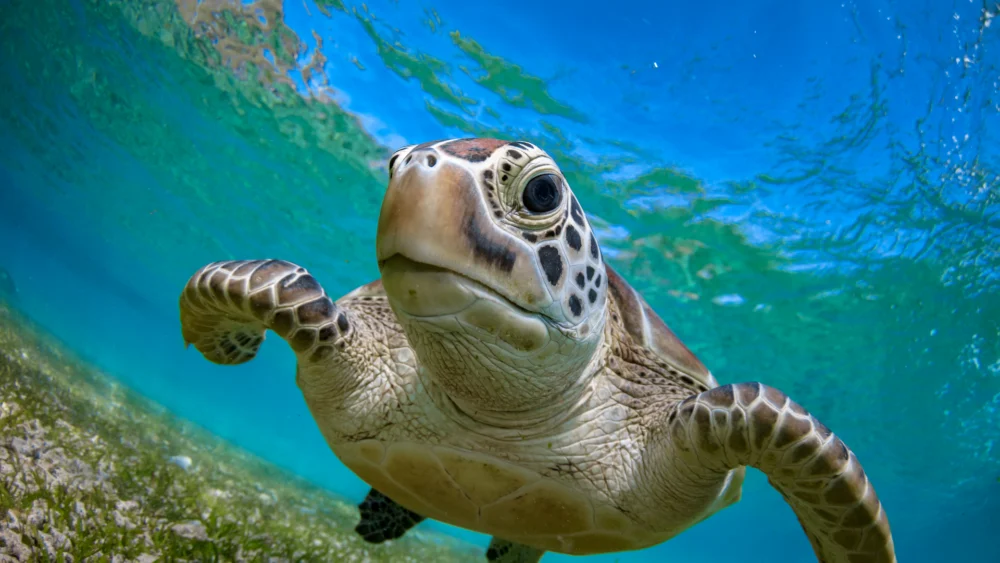
The field of sea turtle medicine has undergone significant professionalization as veterinary clinicians navigate the complex intersection of federal regulations, conservation biology, and intensive clinical care. With seven distinct species of sea turtles recognized globally—most of which are listed as threatened or endangered under the United States Endangered Species Act—the mandate for specialized medical intervention has never been more urgent. Recent developments in the clinical management of stranded, injured, or diseased turtles reflect a shift toward evidence-based medicine, moving away from anecdotal practices toward standardized, high-level diagnostics and therapeutics.
Regulatory Framework and Clinical Oversight
Sea turtle rehabilitation operates within a stringent regulatory environment. Practitioners must adhere to both state and federal mandates, typically requiring specialized licensure before any intervention occurs. This oversight ensures that conservation efforts remain aligned with species recovery goals. Veterinarians like Dr. Heather Barron, Chief Science Officer at the Loggerhead Marinelife Center, emphasize that while individual patient care is vital, it must always be balanced with the broader objectives of population recovery. The current protocol necessitates thorough documentation and communication with wildlife authorities, as most sea turtle presentations are the result of anthropogenic threats—ranging from vessel strikes and plastic ingestion to entanglement in discarded fishing gear.
Diagnostic Innovations and Standards of Care
Effective clinical management begins with a robust diagnostic database. For sea turtles, the physical examination remains the cornerstone of medical intervention. Clinicians are now prioritizing the collection of a minimum database within the first hour of rescue, which includes a core body temperature assessment, diagnostic imaging (radiography, ultrasonography, or CT scans), and a comprehensive hematological profile.
A critical evolution in diagnostic practice is the transition away from EDTA as an anticoagulant in blood samples. Because EDTA is known to cause significant lysis of sea turtle red blood cells, practitioners have shifted toward the use of lithium heparin. Furthermore, the preferred site for phlebotomy in most sea turtle species is the external jugular vein, often referred to as the dorsal cervical sinus.
In cases of respiratory distress—frequently associated with cold-stunning events—clinicians are increasingly utilizing bronchoalveolar lavage (BAL) to identify specific pathogens and guide antimicrobial therapy. Gastrointestinal studies have also become more refined; current protocols suggest a calculated gavage of iohexol, water, and barium to monitor transit times, which can span several days due to the naturally slow metabolic rate of chelonians.
Critical Care and Nutritional Support
The physiological resilience of reptiles is both an asset and a diagnostic hurdle. These animals can often survive traumatic injuries that would prove fatal to mammalian species; however, this durability makes it difficult to assess the true severity of a condition. Fluid therapy is a primary intervention, yet it must be administered with caution. If a patient is hypothermic, aggressive rehydration can be counterproductive, as metabolic processes are slowed. Standard practice now involves gradual warming to the species-specific Preferred Body Temperature (PBT) over several days, complemented by controlled fluid administration.
Nutritional support is similarly nuanced. Prolonged fasting in sea turtles can lead to metabolic shifts, including an increase in insulin levels. Force-feeding or gavage-feeding must be approached with an awareness of refeeding syndrome, a condition characterized by dangerous electrolyte imbalances. Consequently, clinicians often initiate support at 50% of the patient’s calculated energy needs. For turtles that remain non-responsive to oral intake, the placement of an indwelling esophagostomy tube is considered a gold standard, allowing for weeks or months of assisted alimentation without the repeated trauma of daily gavage.
Advances in Anesthesia and Pain Management
The management of pain in sea turtles has transitioned from simplistic models to complex, multimodal analgesic protocols. Sedation frequently involves a combination of atropine, dexmedetomidine, and opioids such as hydromorphone. A key finding in recent pharmacokinetics studies is the variance in drug efficacy between species; for example, meloxicam has shown limited utility in loggerheads, whereas it remains effective for Kemp’s ridley and green sea turtles.
Anesthesia also requires an understanding of reptilian cardiac shunting. Unlike mammals, reptiles possess the physiological ability to bypass the lungs, which influences the distribution and elimination of anesthetic agents. Injectable protocols are currently preferred over inhalants for minor procedures to ensure a more rapid and stable recovery. In surgical cases involving shell fractures or mass removal, regional anesthetic blocks—such as the use of lidocaine or bupivacaine—are increasingly utilized to minimize the need for systemic gas anesthesia.
Fibropapillomatosis: Addressing an Endemic Challenge
Fibropapillomatosis (FP), a disease linked to the chelonid herpesvirus (ChHV5), remains one of the most visible and widespread threats to juvenile green sea turtles. Prevalence rates in some coastal waters reach as high as 92%. The clinical approach to FP has evolved from simple excision to a more comprehensive management strategy. Surgical removal, often performed via CO2 laser or radiosurgery, is now supplemented by research into electrochemotherapy.
Despite the visual severity of the tumors, the prevailing veterinary consensus is to treat rather than euthanize. Evidence suggests that many turtles eventually develop the necessary immune competence to control the virus. As such, rehabilitation facilities maintain strict biosecurity, often isolating FP-positive turtles in dedicated tanks with independent life-support systems to prevent cross-contamination while allowing the patient’s immune system to overcome the oncogenic effects of the virus.
Cold-Stunning and Mass Stranding Events
Climate-related mass stranding events, known as cold-stunning, represent a significant operational strain on rehabilitation centers. During these events, hundreds of turtles may require care simultaneously. Recent research by experts such as Dr. Charles Innis has provided invaluable data on the pharmacokinetics of injectable antibiotics like oxytetracycline in cold-stunned populations. The consensus is that while the turtles are hypothermic, their ability to metabolize drugs is severely limited. However, administering long-acting injectables can serve as a "depot," ensuring that therapeutic levels of medication are absorbed as the patient warms and metabolic function returns to normal.
The Future of Sea Turtle Rehabilitation
The integration of clinical medicine with field research has created a more holistic understanding of sea turtle health. Collaborative efforts between institutions—such as the Loggerhead Marinelife Center and the New England Aquarium—have standardized protocols for everything from cross-matching blood for transfusions to the use of blood-patch pleurodesis for treating lung tears.
The implications for the field are clear: as anthropogenic pressures continue to impact marine ecosystems, the role of the specialized veterinary clinician will grow. The focus is shifting from simple rescue to a more profound understanding of long-term rehabilitation, survival, and the eventual reintegration of these animals into the wild. As professional education programs—such as those approved by the AAVSB RACE—continue to disseminate these findings, the quality of care for sea turtles will likely continue to rise, providing a vital lifeline for these ancient species in a rapidly changing environment.
Ultimately, the goal of modern sea turtle medicine is not merely to save the individual, but to contribute to the viability of the population. Through rigorous science, specialized training, and international collaboration, the veterinary community is establishing a robust framework capable of addressing the complex health challenges facing sea turtles in the 21st century.

