


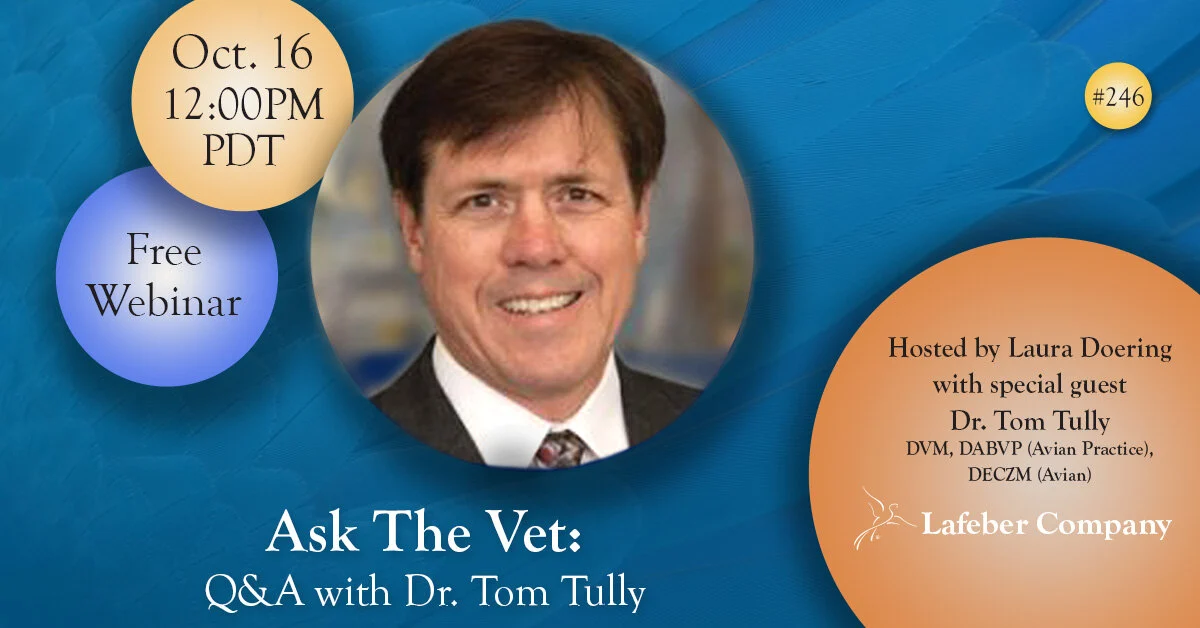
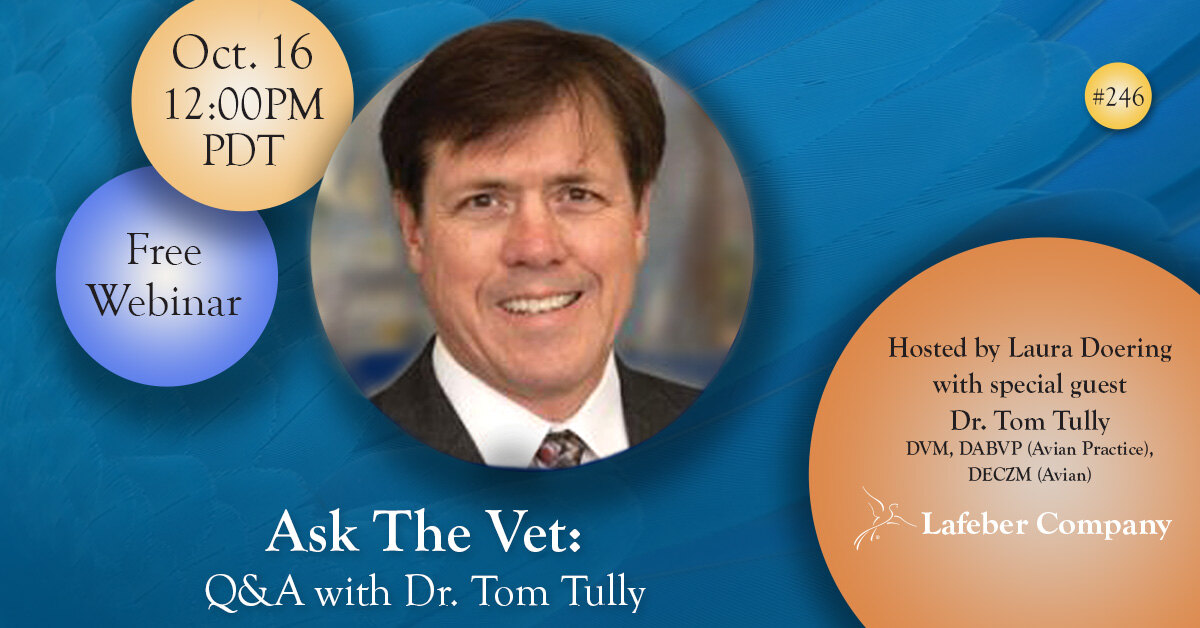
The landscape of avian veterinary care is set to receive a significant boost in accessibility as Dr. Tom Tully, a world-renowned expert in avian medicine, prepares to host a live, interactive educational session on Friday, October 16, 2026. Scheduled for 12:00 p.m. PDT, the event serves as a high-level forum for pet bird owners to engage directly with one of the field’s most distinguished practitioners. Facilitated by Laura Doering, a veteran journalist formerly at the helm of Bird Talk and Birds USA magazines, the webinar aims to bridge the gap between complex veterinary science and the practical, day-to-day needs of avian households.
A Legacy of Avian Education
The "Ask the Vet" series has long been recognized as a cornerstone of the avian community’s efforts to improve domestic bird welfare. By leveraging digital technology, the series provides a platform where specialized knowledge—often confined to clinical settings or academic journals—becomes accessible to the general public. Dr. Tully’s participation is particularly notable given his extensive credentials as a Diplomate of the American Board of Veterinary Practitioners (Avian Practice) and the European College of Zoological Medicine (Avian). His involvement reflects a growing industry commitment to the "educated steward" model, which posits that an informed owner is the primary factor in extending the lifespan and quality of life for companion parrots.
The chronology of this initiative traces back to the early 2020s, a period that saw a dramatic surge in pet bird ownership. As avian medicine evolved from a niche discipline into a sophisticated branch of veterinary science, the need for public outreach intensified. Dr. Tully has been a consistent voice in this evolution, frequently advocating for standardized nutritional guidelines and the early detection of behavioral markers that often mask underlying physiological ailments in exotic species.
The Intersection of Health and Behavior
One of the core challenges addressed by Dr. Tully during these sessions is the frequent conflation of behavioral issues with physiological pathology. In the wild, parrots are prey animals, a biological reality that necessitates the masking of illness until a condition has reached a critical stage. Consequently, owners often misinterpret lethargy, feather plucking, or decreased appetite as behavioral "acting out" rather than symptoms of systemic infection or malnutrition.
According to data from the Association of Avian Veterinarians, a significant percentage of exotic bird mortality in captivity is preventable through early intervention and improved husbandry. During the webinar, Dr. Tully is expected to dissect the nuances of avian metabolic needs. This includes an analysis of how improper diet—specifically the over-reliance on seed-based diets—leads to Vitamin A deficiencies, hepatic lipidosis, and long-term immunosuppression. By providing a clinical perspective on these common pitfalls, the session seeks to shift the paradigm from reactive veterinary care to proactive, preventative health management.
Supporting Data and Industry Trends
The avian pet market has seen a notable shift toward evidence-based care. Market analysts report that since 2020, there has been a 15% increase in annual expenditure on veterinary-prescribed dietary supplements and avian-specific wellness checkups. Despite this, there remains a critical "information deficit" among first-time owners who may struggle to find reliable, non-anecdotal advice.
Dr. Tully’s session arrives at a time when digital health consultations—telemedicine for pets—have moved from an emergency contingency to a standard service. The infrastructure for this webinar, provided by the Lafeber Company, utilizes a Zoom-based interface that allows for real-time engagement. This format is not merely a lecture but an audit of the owner’s current practices. By answering questions in detail, Dr. Tully provides a forensic look at specific cases, allowing participants to learn from the challenges faced by their peers. This peer-to-peer learning model has been empirically shown to increase the retention of veterinary advice compared to static informational pamphlets or generalized online articles.
Expert Perspectives on Stewardship
The philosophy driving this event is rooted in the concept of "Avian Stewardship." Dr. Tully has frequently stated in academic settings that the responsibility of the bird owner extends beyond basic provision. It requires a deep understanding of the avian respiratory system, the complexities of psittacine social structures, and the environmental triggers that dictate psychological well-being.
Laura Doering, who has moderated dozens of these sessions, notes that the depth of inquiry from the audience has evolved significantly over the past decade. "We have moved past basic questions about cage size or seed varieties," Doering noted in a previous post-webinar summary. "Owners are now asking about blood chemistry, the efficacy of specific avian-safe disinfectants, and the implications of hormonal cycles on long-term health. The audience is becoming more medically literate, and Dr. Tully’s ability to translate high-level science into actionable advice is the reason for the sustained popularity of these webinars."
Broader Implications for Avian Welfare
The implications of such educational outreach are far-reaching. By demystifying the veterinary process, the webinar helps lower the barrier to entry for professional care. Many owners are intimidated by the prospect of an exotic animal vet visit, fearing both the cost and the potential for a poor prognosis. By demystifying common health markers, Dr. Tully encourages earlier clinical consultation, which, according to veterinary research, correlates with higher success rates in treating chronic conditions like Proventricular Dilatation Disease (PDD) or Aspergillosis.
Furthermore, the session serves to standardize the information available to the public. The internet is saturated with conflicting advice regarding bird care, much of it contradictory or dangerous. Having a DVM with Dr. Tully’s credentials provide a definitive, evidence-based stance on controversial topics—such as the ethics of wing clipping, the necessity of full-spectrum lighting, or the safety of non-stick cookware—acts as a vital corrective mechanism for the community.
Preparing for the Session
For those interested in participating, the organizers emphasize the importance of preparation. Because the webinar is interactive, the quality of the answers provided is often dictated by the specificity of the questions asked. Attendees are encouraged to have their bird’s recent medical history, current diet logs, and a clear description of any concerning behaviors ready for discussion.
The event, which is free to the public, requires registration via a dedicated Zoom portal. Given the high demand for Dr. Tully’s expertise, the session is expected to reach capacity, reflecting the continued public interest in the specialized care of companion birds.
In summary, the October 16, 2026, webinar represents more than just a Q&A session; it is a critical intervention in the ongoing effort to improve the standards of domestic avian care. As the human-animal bond continues to deepen, the role of expert-led education becomes indispensable. Through this collaborative effort, Dr. Tully and his colleagues are helping to redefine what it means to be a responsible bird owner in the 21st century, ensuring that the legacy of these complex, intelligent creatures is one of health, longevity, and high-quality stewardship.

