


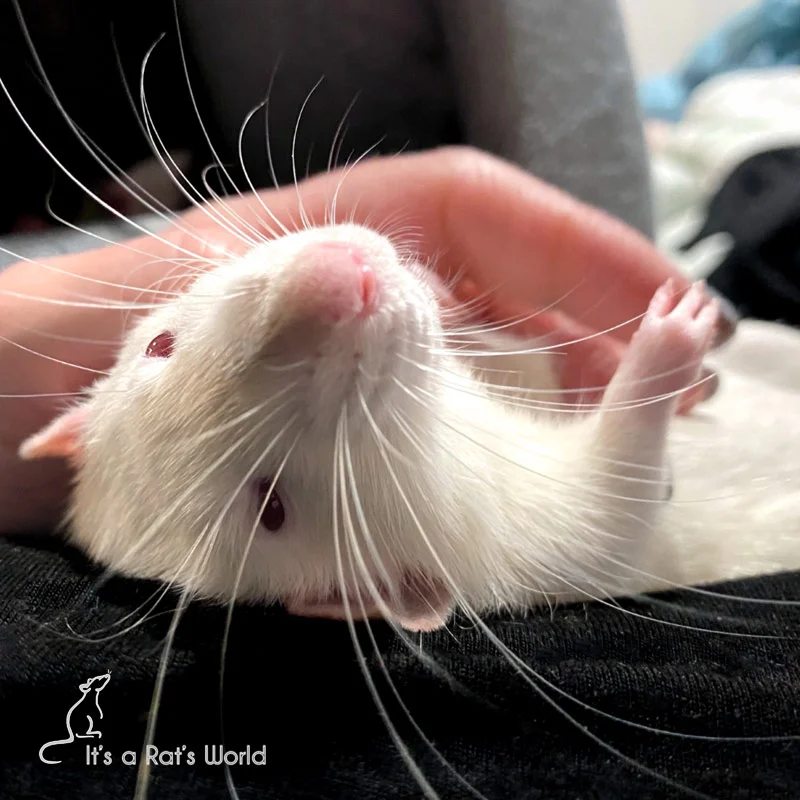
The decision to relinquish pet ownership is rarely made lightly, particularly when the animals in question are highly social and intelligent creatures like domestic rats (Rattus norvegicus). While pet rat ownership is often championed for the profound emotional bonds formed between human and animal, a growing number of owners are finding themselves forced to reassess their ability to provide high-quality care due to shifting life circumstances. This phenomenon, often described as "caregiver burnout" or "compassion fatigue," highlights the significant, often underestimated, demands of maintaining specialized exotic pets in an era of rising costs and personal volatility.
The Scope of the Commitment
Domestic rats are classified as exotic pets, a designation that carries specific biological and husbandry requirements. Unlike domesticated dogs or cats, rats have a significantly shorter lifespan—typically ranging from 24 to 36 months. This compressed life cycle necessitates frequent, often intensive, medical intervention during their senior years. Data from veterinary associations indicates that exotic animal care has seen a marked increase in overhead costs over the last five years, largely due to specialized training requirements for veterinarians and the high price of diagnostic imaging and pharmacology tailored to small mammals.

For many, the initial appeal of rat ownership—their intelligence, sociability, and ease of housing—is eventually eclipsed by the reality of their medical needs. Respiratory infections, mammary tumors, and pituitary adenomas are statistically common in the species, often requiring surgical intervention or long-term medication management. When an owner faces a convergence of these medical realities with personal financial instability or chronic health issues, the "sacred commitment" of care can reach a breaking point.
Chronology of the Caregiving Crisis
The trajectory of a typical "rat-owner burnout" case often follows a predictable pattern. It frequently begins with a period of high engagement, where the owner establishes a group—essential for the species’ social health. As the rats age, the frequency of veterinary visits increases, placing a strain on both the owner’s schedule and finances.
- Initial Phase: Adoption and establishment of a social group, usually comprising 3 to 5 individuals to satisfy the animal’s need for companionship.
- Maintenance Phase: Standard husbandry, involving daily cage cleaning, socialization, and dietary management.
- Escalation Phase: The emergence of chronic health issues, typically after the 18-month mark. This involves daily medication, nebulizer treatments, or frequent transit to specialized exotic veterinary clinics.
- Crisis Phase: The point at which the owner’s personal capacity—due to illness, financial hardship, or emotional exhaustion—no longer aligns with the high-maintenance requirements of the aging pets.
Economic and Logistical Pressures
The financial burden of exotic pet ownership is a primary driver of rehoming decisions. Because rats are not considered "companion animals" in the same regulatory category as dogs or cats, they often fall outside the scope of low-cost spay/neuter programs or community-funded veterinary initiatives. A single surgical procedure to remove a tumor in a rat can cost several hundred dollars, often rivaling the cost of procedures for larger animals, despite the disparity in the pet’s expected longevity.

Furthermore, the logistical challenge of finding a qualified "exotic" veterinarian remains a significant barrier. Many general practice veterinarians do not have the specialized equipment required to treat small rodents, forcing owners to travel long distances for care. For an owner suffering from their own chronic health issues or mobility constraints, the inability to easily access medical care for their pets creates an unsustainable environment for both parties.
Psychological Implications and Burnout
The phenomenon of "compassion fatigue" is well-documented in human-animal interaction studies. For those who keep rats, the constant cycle of grief is uniquely accelerated. Because a rat’s lifespan is rarely more than three years, an owner who maintains a consistent group size will experience multiple bereavement events within a single decade.
Psychologists suggest that this "serial loss" can lead to a form of chronic grief. When an individual is already managing high levels of stress—whether from career changes, family obligations, or personal health decline—the emotional toll of repeatedly managing end-of-life care for multiple animals can lead to total detachment or burnout. This is not a reflection of the owner’s lack of affection, but rather a biological and emotional limit on the human capacity for sustained caregiving in the face of frequent, inevitable loss.

Ethical Rehoming and Community Standards
The consensus among animal welfare organizations is that the permanent rehoming of a pet should be a measure of last resort. However, when the alternative is neglect due to inability to provide care, ethical rehoming becomes the priority.
Industry experts and welfare advocates warn against the use of classified advertisement sites such as Craigslist or public social media marketplaces. These platforms pose significant risks, as they lack the vetting processes necessary to ensure the animals do not end up in dangerous or abusive environments.
Recommended pathways for responsible rehoming include:
- Specialized Rescues: Working with licensed, non-profit rat-specific rescue organizations that have the capacity to quarantine and medically evaluate the animals.
- Veterinary Referrals: Consulting with exotic veterinarians who often maintain networks of clients looking to adopt or who may know of reputable foster homes.
- Direct Peer Networks: Utilizing established, moderated communities on platforms like Reddit or Facebook, provided the owner performs rigorous background checks on potential adopters.
Broader Implications for Pet Ownership
The current shift in how owners perceive their responsibilities toward small mammals suggests a move toward more realistic expectations. There is a growing movement within the veterinary community to better educate potential owners on the "lifetime cost" of exotic pets before the adoption process begins. By emphasizing that rats are not "starter pets" but high-maintenance companions with specific, intensive requirements, advocates hope to reduce the frequency of unplanned rehoming.
For those currently navigating this transition, the prevailing professional advice is to avoid the "replacement cycle." For many, the instinct is to immediately find a companion for a remaining "singleton" rat. While social isolation is detrimental to rats, owners in crisis are encouraged to consider whether they are in a position to commit to another two years of care. If not, the most humane option may be to focus on providing maximum enrichment for the remaining animal while refraining from adding new individuals to the household.
Ultimately, the decision to retire from pet ownership is a somber acknowledgment of the limitations of human capacity. As the veterinary and welfare communities continue to evolve, the focus remains on the animal’s welfare above all else. Whether the owner is forced to step away due to a changing economic landscape or personal health decline, the recognition of these limits is, in itself, a final act of responsible stewardship. The "rat-shaped hole" left by these animals is a testament to the depth of the bond, and acknowledging the need for a break is a valid, often necessary, component of the human experience in the world of animal husbandry.

