


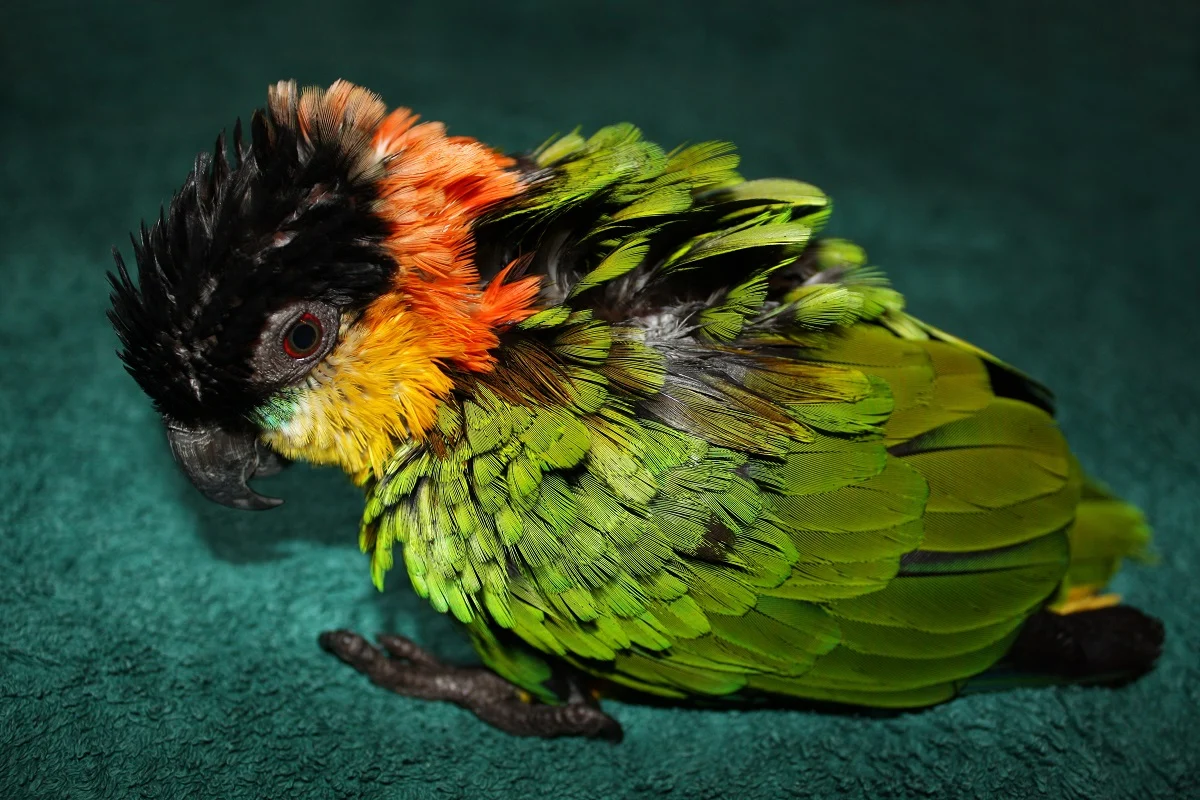
The health and physical well-being of pet birds represent a critical responsibility for owners navigating the fragile biology of avian species. Unlike mammals, companion parrots are exceptionally adept at masking pain and physical decline, a survival mechanism inherited from their wild ancestors to deter predators. Consequently, by the time an owner notices overt signs of illness or physical distress, the medical condition has frequently reached an advanced, highly critical stage. Veterinary experts and avian specialists emphasize that establishing a comprehensive emergency protocol—including preventative household safety measures, assembling a specialized first aid kit, and identifying the closest qualified avian veterinarian—is essential for maximizing survival rates during a medical crisis.
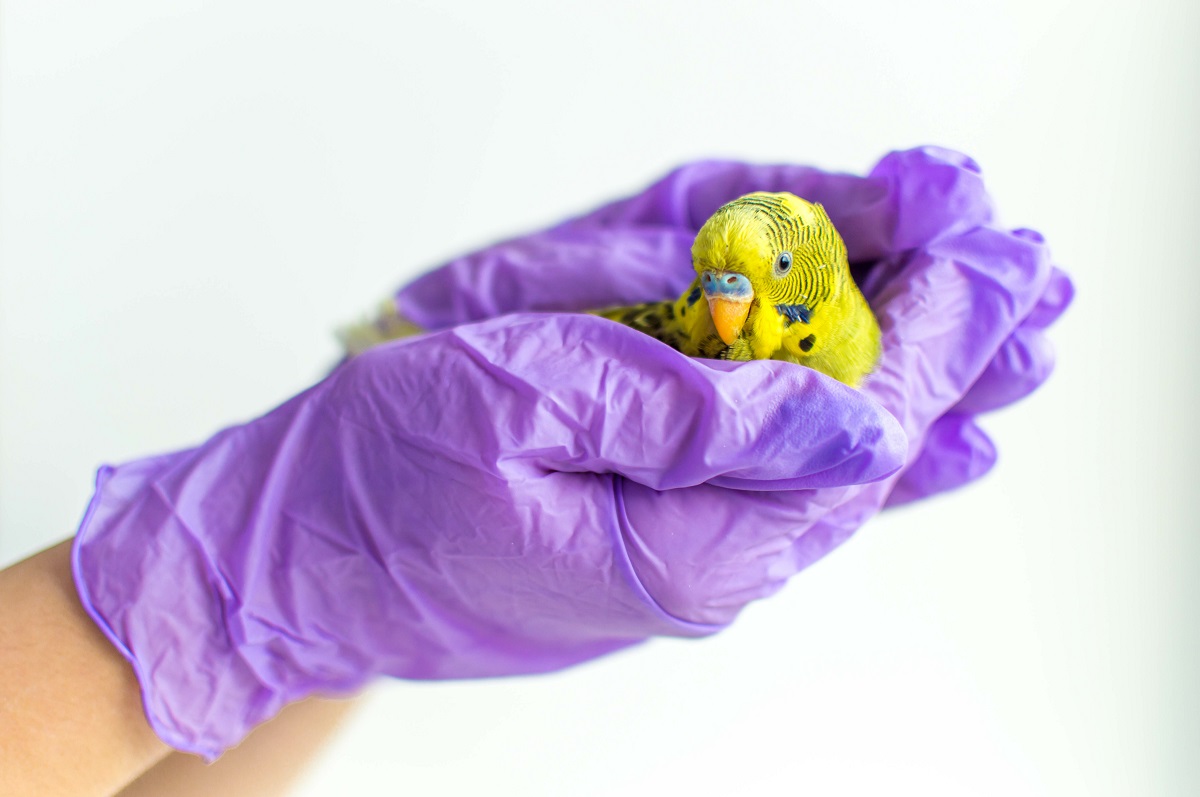
Avian physiology differs fundamentally from that of dogs, cats, and humans, leaving very little margin for error when trauma or illness occurs. According to clinical data provided by resident veterinarians, a parrot’s total blood volume accounts for approximately 10% of its overall body weight. Furthermore, an individual bird can safely lose only about 10% of that circulating volume before entering hemorrhagic shock. For a standard 100-gram cockatiel, this means the critical threshold is a mere one milliliter of blood loss. Because bleeding from a broken blood feather or physical trauma can quickly become fatal, immediate intervention is non-negotiable.
Preparation for potential emergencies begins long before an incident occurs. Veterinary organizations strongly advise pet owners to locate and establish a relationship with a certified avian veterinarian prior to any health crisis. Standard feline and canine practitioners frequently lack the specialized training, diagnostic equipment, and pharmacological knowledge required to treat exotic birds safely. In addition to securing professional contacts, establishing an emergency veterinary fund or acquiring specialized pet insurance is increasingly recommended, as diagnostic testing, hospitalization, oxygen therapy, and avian surgeries can impose substantial financial burdens on owners.

Proactive hazard mitigation is the primary defense against domestic accidents. Parrots are naturally high-intelligence, highly curious foragers with a propensity for exploring their environments using their powerful beaks. Domestic settings frequently present hidden dangers, including toxic houseplants such as Dieffenbachia, exposed electrical wiring, lead-based paint, non-stick polytetrafluoroethylene (PTFE) cookware coatings that release lethal fumes when overheated, and unrestricted access to open windows or doors. Comprehensive "parrot-proofing" requires the complete isolation of hazard zones, strict monitoring during out-of-cage time, and routine safety inspections of bird toys to ensure components do not detach and cause intestinal blockages or entrapment.
When accidents or sudden illnesses do occur, immediate preparedness at home dictates the trajectory of recovery. Every household maintaining pet birds should house a dedicated avian first aid kit in a clearly marked, easily accessible location. Standard inclusions must comprise styptic powder or quick-clotting agents for halting nail or feather bleeding, sterile gauze pads, medical tape, blunt-tipped scissors, a clean transport carrier lined with paper towels, and a reliable heat source such as a microwaveable heating pad. Every member of the household should be familiar with the location of these supplies and instructed in the basic mechanics of applying gentle pressure to wounds without restricting the bird’s respiration. Unlike mammals, birds lack a diaphragm; they rely entirely on the expansion of the chest wall and sternum to breathe. Any external pressure applied during emergency stabilization must carefully avoid compressing the thoracic cavity.

Recognizing the subtle symptomology of avian illness is another vital competency for owners. Behavioral red flags indicating the need for prompt veterinary consultation include reduced vocalization, decreased appetite, prolonged fluffed feathers, drooping wings, spending abnormal amounts of time sitting on the cage floor, and changes in the consistency or color of droppings. Red or tarry droppings often indicate internal gastrointestinal bleeding, though owners must cross-reference recent dietary intake, as pigmented foods like beetroot or dark bell peppers can mimic the visual appearance of blood. More severe indicators—such as open-mouth breathing, tail bobbing while at rest, neurological head tilts, seizures, or total unresponsiveness—constitute immediate, life-threatening emergencies requiring instantaneous transport to a veterinary clinic while contacting medical staff en route.
In scenarios where immediate veterinary care is delayed due to transit times or clinic availability, at-home stabilization protocols become critical. Managing stress and preventing shock are paramount, as excessive handling can easily prove fatal to a compromised bird. Isolation in a warm, darkened, and quiet environment helps stabilize core body temperature, which is often regulated poorly by sick or injured parrots. The ideal ambient temperature for an emergency recovery enclosure is approximately 85 degrees Fahrenheit (29 degrees Celsius). For cases of suspected mild dehydration, assessed via a prolonged capillary refill time in the basilic wing vein, electrolyte or rehydration solutions warmed to body temperature may be administered cautiously via syringe, provided the bird is alert and capable of swallowing independently. Forced oral fluid administration by untrained individuals is strictly discouraged due to the immediate risk of aspiration and subsequent drowning or pneumonia.

The broader veterinary consensus underscores that home remedies are strictly temporary stopgaps designed to bridge the window between the onset of trauma and professional medical intervention. Because avian metabolic rates are exceptionally high and disease processes progress with rapid severity, timely access to oxygen supplementation, intravenous or subcutaneous fluid therapy, and targeted pharmaceutical intervention remains the definitive standard of care. By combining rigorous preventative safety measures, proactive veterinary networking, and rapid, informed responses to trauma, owners can significantly mitigate the inherent risks associated with keeping companion parrots.

