


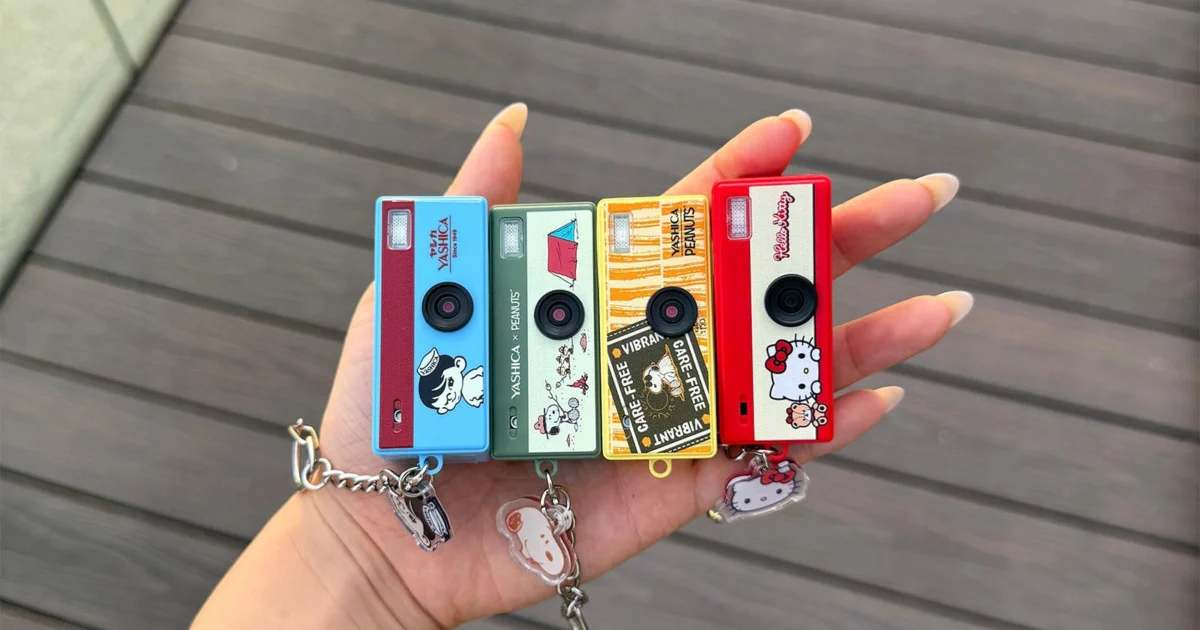
The photography world has witnessed a curious reversal in technological priorities over the last decade, moving from a race for higher megapixel counts to a burgeoning market for low-fidelity, nostalgic imagery. Yashica, a brand with a storied history in the film era that has reinvented itself as a lifestyle-oriented digital entity, has officially entered the "keychain camera" arena with the launch of the Funtastic. This ultra-compact device is a direct response to the massive success of the Kodak Charmera, released last year by Reto, and the subsequent wave of miniature digital cameras that have captured the attention of Gen Z and "kidcore" enthusiasts. Positioning itself at the intersection of wearable fashion and spontaneous photography, the Funtastic series leverages high-profile intellectual properties, including Peanuts and Hello Kitty, to appeal to a demographic that values aesthetic charm over technical perfection.
Product Overview and Design Philosophy
The Yashica Funtastic is described by its creators as a "new collection of ultra-compact keychain cameras" designed to be clipped onto bags, keys, or everyday carry items. Unlike the standard professional equipment Yashica was once known for—such as the legendary Electro 35 rangefinder—the Funtastic prioritizes portability and emotional resonance. The device measures a mere 6.3 x 2.2 x 2.5 centimeters and weighs only 22 grams, making it one of the lightest functional digital cameras on the market today.
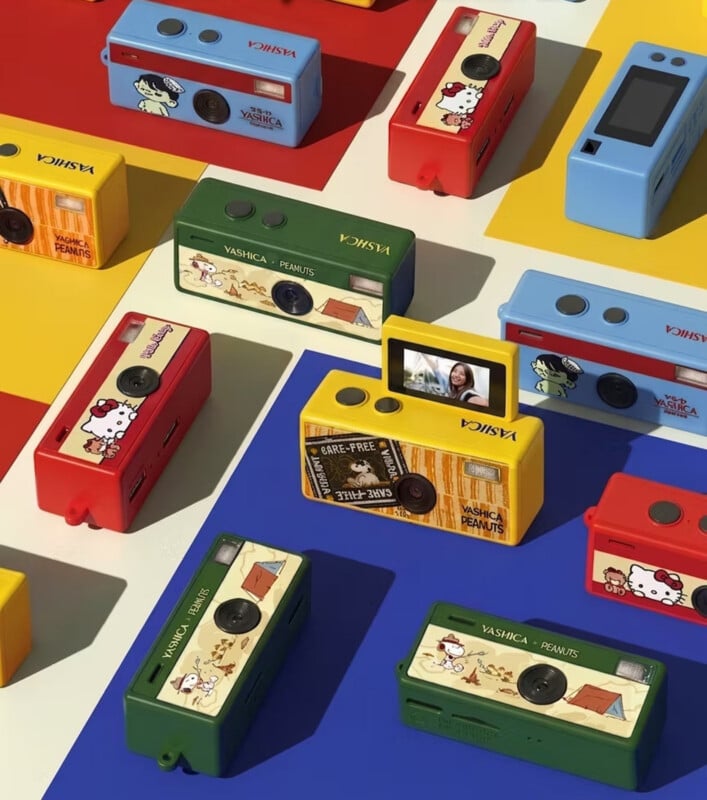
A defining feature of the Funtastic that distinguishes it from the original Kodak Charmera is the inclusion of a 180-degree flip screen. This hardware choice is a clear nod to the contemporary "selfie" culture, allowing users to compose self-portraits with ease despite the camera’s diminutive size. Yashica’s marketing materials emphasize that the name "Funtastic" is a portmanteau of "fun" and "fantastic," signaling a departure from the rigorous demands of professional photography in favor of a more whimsical, "spontaneous" creative experience.
Technical Specifications and the Appeal of Low-Fidelity
In an era where smartphones boast 50-megapixel sensors and sophisticated computational photography, the technical specifications of the Yashica Funtastic are intentionally modest. The camera is equipped with a 1-megapixel Type 1/4 image sensor. To put this in perspective, a 1-megapixel sensor produces an image roughly 1280 x 960 pixels in size, which is significantly lower than the resolution of a standard 4K monitor.
The lens is a fixed 3.2mm focal length. Due to the massive crop factor associated with a tiny Type 1/4 sensor, this 3.2mm lens provides a field of view equivalent to a standard wide-angle lens on a full-frame camera. The device operates with a fixed shutter speed of 1/125s, a setting traditionally used in daylight photography to minimize motion blur while maintaining adequate exposure. The camera captures images exclusively in JPEG format, ensuring that files are small and easily shareable.
Beyond still photography, the Funtastic is capable of recording 1440p video at up to 30 frames per second. While the resolution sounds high, the actual visual quality is constrained by the physical limits of the 1/4-inch sensor. This "lo-fi" output is not a bug but a feature for the target audience. There is a growing movement among younger photographers who find the clinical perfection of modern AI-enhanced smartphone photos to be "soulless." The Funtastic provides the grainy, saturated, and often unpredictable look reminiscent of early 2000s webcams and "digicams," a trend often referred to as the "Y2K aesthetic."
Strategic Brand Collaborations
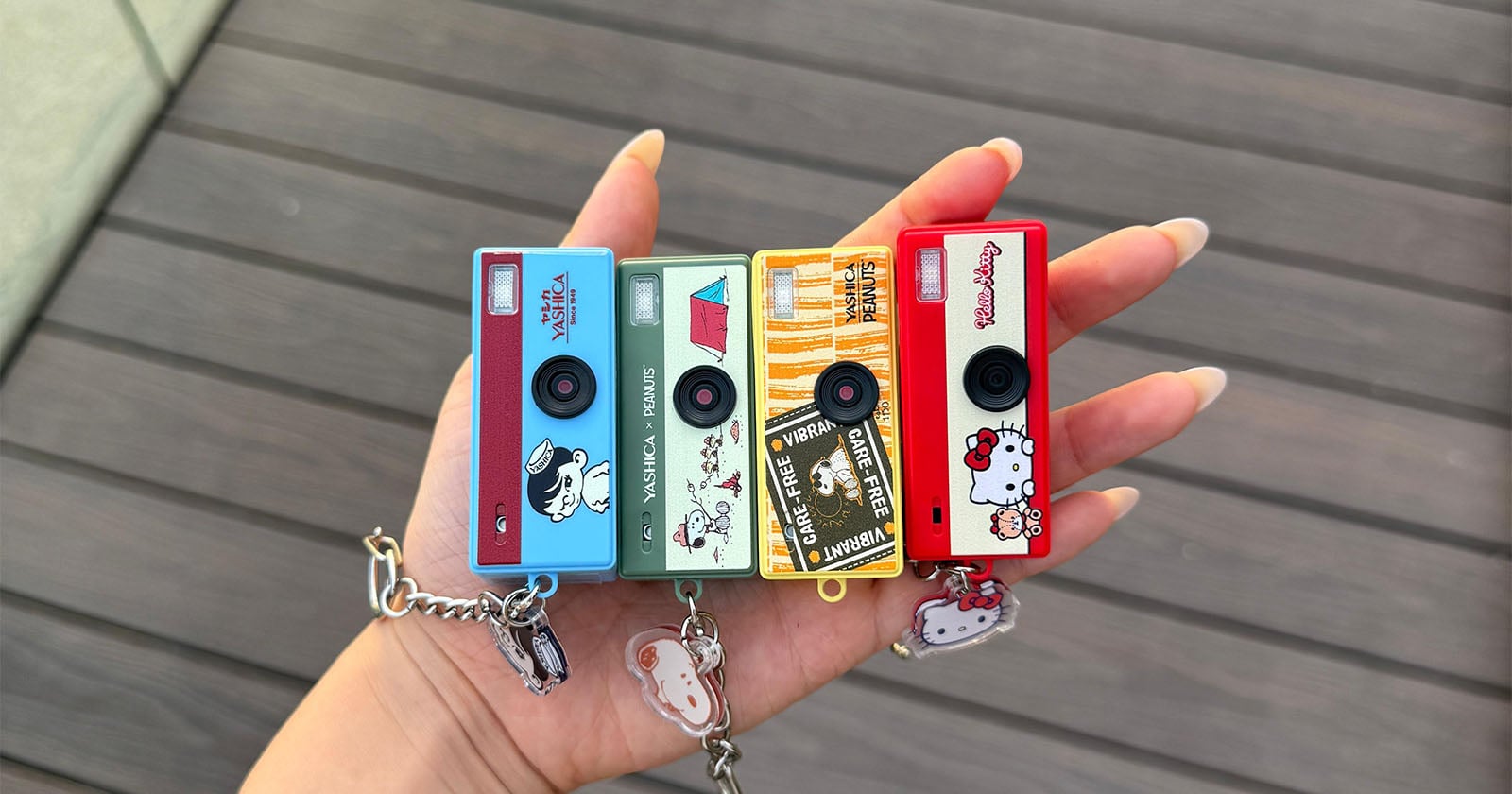
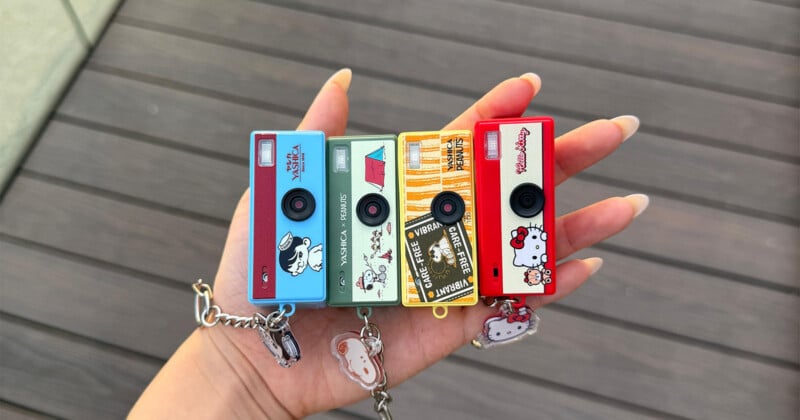
Yashica has recognized that in the toy-camera market, the exterior design is as important as the internal hardware. The Funtastic series launches with four distinct editions, three of which are licensed collaborations with global icons.
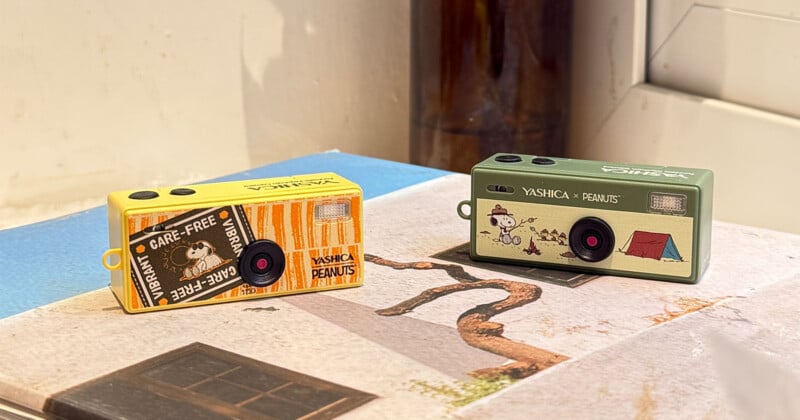
- Snoopy’s Summit Edition: This model features the iconic Peanuts character, Snoopy, dressed in hiking gear and roasting a marshmallow. The camera body is typically accented with outdoorsy greens and earthy tones, appealing to fans of the "gorpcore" aesthetic.
- Snoopy Sweet Dreams Home Edition: A more relaxed take on the Peanuts license, this version depicts Snoopy lounging in a beach chair. The bright yellow housing reflects a cheerful, "care-free vibe" as indicated by the camera’s own decals.
- Hello Kitty Edition: Leveraging one of the most recognizable characters in the world, the Hello Kitty Funtastic features the Sanrio mascot, Kitty White. This model is expected to be a primary driver of sales in the Asian market, where "kawaii" (cute) culture remains a dominant force in consumer electronics.
- Yashica Boy Edition: For fans of the brand’s own heritage, this edition features Yashica’s mascot—a young boy in a sailor’s hat. This model serves as a bridge between the company’s historical identity and its modern lifestyle pivot.
By utilizing these characters, Yashica transforms a simple piece of technology into a collectible accessory. This strategy mirrors the success of companies like Sanrio and Disney, which have long understood that character-driven hardware can command higher engagement than generic alternatives.
The Evolution of the Yashica Brand
To understand the Funtastic, one must look at the broader trajectory of the Yashica brand. Originally a Japanese company founded in 1949, Yashica was once a titan of the photography industry, particularly after its merger with Contax and its partnership with Carl Zeiss. However, after years of financial struggle and the decline of the film market, the brand name was eventually acquired by JNC Datum Tech International, a Hong Kong-based firm.
Under its current ownership, Yashica has pivoted away from competing with industry giants like Sony, Canon, or Nikon. Instead, it has embraced the "nostalgia economy." This began in earnest with the 2017 Kickstarter campaign for the Yashica Y35, a "digifilm" camera that used physical cartridges to switch digital filters. While the Y35 received mixed reviews regarding its build quality, it proved that there was a massive, untapped market for cameras that prioritized the feeling of photography over technical specs.
More recently, the company released the Yashica Tank, a compact camera that leaned heavily into retro-industrial design. The Funtastic is the latest step in this evolution, moving further into the "toy" and "lifestyle" category where the barrier to entry is lower, and the emphasis is on social media "virality" rather than optical performance.
Context: The Rise of the Keychain Camera Trend
The Funtastic does not exist in a vacuum. It arrives following the cultural phenomenon of the Kodak Charmera, a similar keychain-sized digital camera produced by Reto under license from Kodak. The Charmera became a viral sensation on platforms like TikTok and Instagram, where users shared the grainy, nostalgic photos it produced.
The success of the Charmera led to a flood of "knockoffs" and unbranded versions on e-commerce sites like AliExpress and Temu. These devices often featured different shells but similar internal components. By releasing the Funtastic, Yashica is attempting to reclaim the "branded" space in this niche market. By offering a legitimate brand name and high-quality licensed characters, Yashica provides a level of consumer trust and "cool factor" that unbranded alternatives lack.
Pricing and Market Positioning
The Yashica Funtastic has been launched with a retail price of $198 HKD, which translates to approximately $25 USD. This aggressive pricing strategy positions the camera as an "impulse buy." At $25, the Funtastic is priced similarly to a high-end keychain or a couple of movie tickets, making it accessible to teenagers and young adults who may want a "fun" camera for parties, concerts, or vacations without the risk of damaging an expensive smartphone.

Industry analysts suggest that this pricing is key to the device’s potential success. In the current economic climate, consumers are increasingly looking for "affordable luxuries"—small, inexpensive items that provide a sense of novelty and joy. The Funtastic fits perfectly into this category, serving as both a functional tool and a conversation piece.
Official Statements and Philosophy
In their official announcement, Yashica representatives emphasized the emotional aspect of the product. "Rather than focusing on technical perfection, Funtastic is designed around ease of use, emotional connection, and the habit of keeping memories close," the company stated. "Its small size and approachable design encourage users to carry it regularly and document everyday life more freely."
This philosophy aligns with the "slow photography" movement, which encourages photographers to move away from the rapid-fire, perfectionist nature of digital photography and instead embrace the imperfections of the moment. By limiting the user to a fixed shutter speed and a 1MP sensor, the Funtastic forces a certain level of simplicity. There are no menus to navigate, no apertures to adjust, and no filters to toggle in-camera. It is a "point-and-shoot" in its purest, most literal form.
Broader Impact and Implications for the Industry
The launch of the Yashica Funtastic highlights a significant shift in the consumer electronics landscape. For decades, the industry was driven by "Moore’s Law"—the idea that technology would become more powerful and complex every year. However, the Funtastic represents a "counter-trend" where simplicity and aesthetic charm are becoming more valuable than raw power.
This trend has implications for major manufacturers. While Sony and Fujifilm continue to push the boundaries of sensor technology, they are also seeing massive success with their own "nostalgic" products, such as the Fujifilm Instax line or the high demand for the retro-styled X100VI. The Yashica Funtastic occupies the entry-level tier of this movement, proving that there is a sustainable market for "lo-fi" digital devices.
Furthermore, the Funtastic underscores the power of intellectual property in hardware sales. By integrating Snoopy and Hello Kitty, Yashica is not just selling a camera; they are selling a piece of "merch." This blurring of the lines between consumer electronics and character merchandising is likely to continue as brands seek new ways to differentiate themselves in a crowded marketplace.
Conclusion
The Yashica Funtastic is a bold, if technically humble, addition to the world of digital photography. By eschewing the traditional metrics of resolution and dynamic range in favor of portability, character-driven design, and a $25 price point, Yashica has created a product that speaks directly to the desires of the modern, social-media-savvy consumer. Whether it remains a fleeting trend or becomes a staple of the "lifestyle tech" category, the Funtastic serves as a clear indicator that in the world of photography, "fun" can often be more important than "fantastic" specs. As the device rolls out to authorized retailers globally, it will likely find a home on thousands of keychains, capturing a grainy, nostalgic, and decidedly "funtastic" view of the world.

