


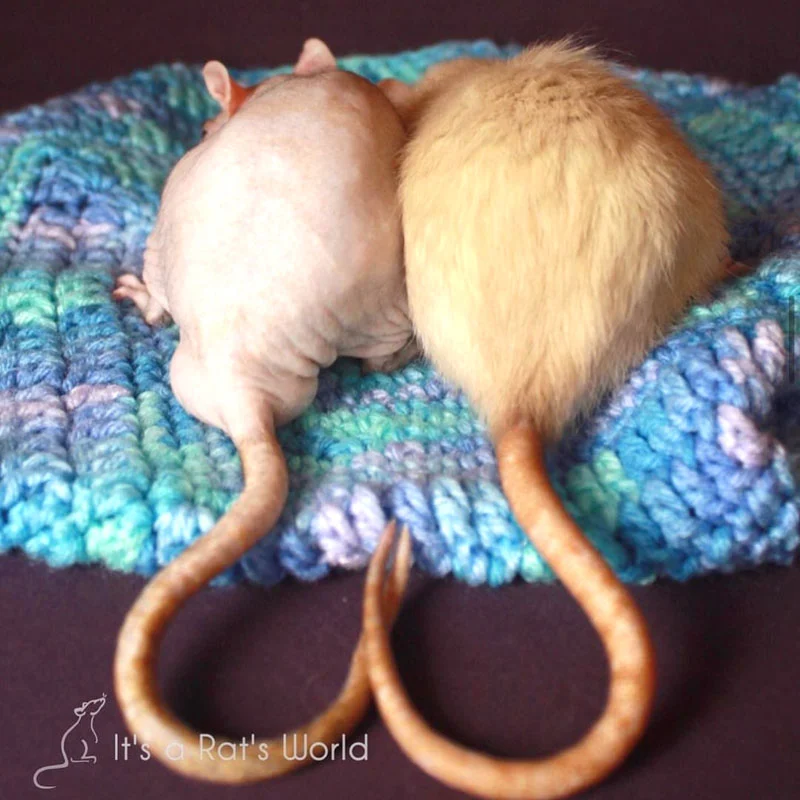
Domesticated rats (Rattus norvegicus) have transitioned from laboratory subjects to popular companion animals over the last several decades. As their popularity as "pocket pets" has grown, so too has the body of veterinary research regarding their specific physiological and psychological needs. Despite this, a significant gap remains between modern husbandry standards and the practices often observed in casual pet ownership. Experts in small animal welfare have identified ten primary areas where improper care—often stemming from outdated information or inadequate retail guidance—compromises the health and longevity of these animals.
The Evolution of Husbandry Standards
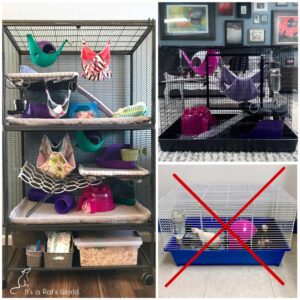
The historical approach to rat care, particularly during the 1990s and early 2000s, was characterized by a lack of specialized resources. Many owners relied on anecdotal advice or the practices of large-scale pet retailers, which frequently recommended inappropriate housing, such as 10-gallon glass aquariums. These environments lack the vertical space necessary for climbing and, more importantly, provide insufficient ventilation. The accumulation of ammonia from urine—a byproduct of protein metabolism—can reach hazardous concentrations in enclosed glass tanks within hours. This exposure is a primary contributor to the high incidence of Mycoplasma pulmonis and other chronic respiratory conditions prevalent in domestic rat populations.
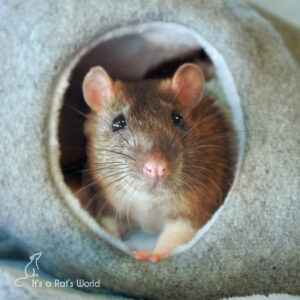
1. The Dissemination of Misinformation
A significant hurdle in modern pet care is the prevalence of contradictory data found online. While social media platforms and influencer-led content have increased the visibility of rats as pets, they have also created an environment where "bro-science" often supersedes veterinary consensus.
Data from the Rat Guide and veterinary oncology journals indicate that the average lifespan of a domesticated rat is approximately 24 to 36 months. Achieving the higher end of this spectrum requires a rigorous adherence to evidence-based care. Owners are encouraged to prioritize resources vetted by organizations like the Association of Exotic Mammal Veterinarians (AEMV). Furthermore, reliance on generative artificial intelligence for medical advice remains a point of concern for experts, as these models often synthesize information without distinguishing between outdated husbandry myths and contemporary clinical standards.
2. Structural Deficiencies in Housing
Housing must be viewed as an ecosystem rather than a containment solution. The modern gold standard for rat housing is a multi-level, powder-coated wire cage that allows for maximum airflow. The use of solid flooring is mandatory to prevent bumblefoot (pododermatitis), a painful bacterial infection of the footpads caused by constant pressure on wire mesh.

A 2023 survey of exotic animal rescues suggested that nearly 40% of surrendered rats arrived with health complications directly linked to improper bedding. The use of pine or cedar shavings, which contain aromatic oils like phenols, remains a critical error. These oils are known to cause respiratory irritation and potential hepatic enzyme induction in small mammals. Substitutes such as paper-based pellets or kiln-dried aspen, combined with fleece liners, are now recommended as the safer alternatives.
3. The Sanitation Imperative
The metabolic rate of a rat is exceptionally high, necessitating a frequent cleaning cycle. A buildup of ammonia not only damages the respiratory tract but also leads to secondary skin infections. Professional guidelines suggest a partial "spot clean" daily and a full sanitation of the habitat at least twice weekly. This routine is essential for maintaining the integrity of a rat’s sensitive respiratory system, which is arguably their most vulnerable physiological feature.
4. Nutritional Precision
Nutritional mismanagement is perhaps the most common reason for early-onset obesity and tumor development. Rats are opportunistic omnivores, but their metabolic requirements are specific. Many commercial "rat mixes" available in grocery stores are deficient in essential amino acids and overly high in simple carbohydrates.
A balanced diet should consist of high-quality lab blocks, which prevent selective feeding, supplemented by small, measured quantities of fresh vegetables. Occasional treats, such as high-fat or high-sugar human foods, should be restricted to less than 5% of total caloric intake. Obesity in rats puts extreme pressure on their joints and cardiovascular system, significantly increasing the risk of mammary tumors and pituitary adenomas in aging females.
5. Cognitive and Physical Enrichment
Rats are highly social and intellectually curious. A sedentary lifestyle is a catalyst for behavioral issues, including cage rage and depression. Enrichment is not optional; it is a clinical requirement. Rotating cage layouts, providing puzzle feeders, and allowing for supervised "free-range" time in a rat-proofed environment are essential activities. The psychological health of a rat is intrinsically tied to their ability to forage and explore.
6. The Physiology of the Tail
A recurring misunderstanding in pet handling involves the use of the tail as a restraint tool. The tail is not merely a balance aid; it is a highly vascularized extension of the spine. It contains a complex network of blood vessels used for thermoregulation. Pulling a rat by the tail can lead to "degloving," a severe injury where the skin is stripped from the tail, causing significant trauma and requiring surgical amputation. Proper handling requires supporting the animal’s weight from underneath, typically by scooping them into the palms.

7. The Financial Burden of Exotic Care
The cost of veterinary care has risen by approximately 60% since 2014, a statistic that underscores the importance of financial preparedness. Rats are prone to specific, costly medical issues: respiratory infections, mammary tumors, and neurological declines. Owners must secure an "exotic" veterinarian—not a standard small-animal clinic—before an emergency occurs. Setting aside a "medical contingency fund" is a recommended best practice to ensure that euthanasia is not the only option when treatable conditions arise.
8. The Risks of Free-Roaming
Allowing rats to roam the home is a standard enrichment practice, but it carries inherent risks. Rats are instinctive chewers and are capable of gnawing through electrical wiring, which presents a significant fire hazard. Furthermore, household toxins, including certain houseplants and cleaning residues, can be fatal. A controlled, designated "rat-zone" is recommended over free-roaming in a multi-room environment.
9. Senior Care Adjustments
As rats enter their second year, their needs shift dramatically. Aging rats often suffer from hind-leg degradation and muscle wasting. Owners must modify the habitat to eliminate high vertical climbs, provide easy access to water bottles, and offer soft, high-protein supplemental food if the animal struggles to gnaw harder lab blocks. Pain management in senior rats—often administered via low-dose NSAIDs under veterinary supervision—can add months of quality time to their lives.
10. The Commitment to Socialization
Rats are intensely social animals. Scientific literature consistently shows that rats housed in isolation suffer from higher cortisol levels and increased anxiety. Keeping a single rat is widely considered a failure of care. The commitment to owning rats is a commitment to maintaining a social group (a "mischief"). Daily interaction is required to build trust and ensure the owner is attuned to subtle changes in health, such as a dulling coat, lethargy, or a change in social standing within the group.
The Impact of Improved Husbandry
The broader implication of adopting these ten standards is a shift toward a more proactive, rather than reactive, approach to animal welfare. By moving away from outdated "pet store advice" and toward clinical, evidence-based practices, owners can significantly extend the lifespan of their pets and reduce the prevalence of preventable diseases. As the community of rat owners continues to professionalize its care standards, the focus remains clear: through education and intentional husbandry, the quality of life for these intelligent, social creatures can be vastly improved.

