


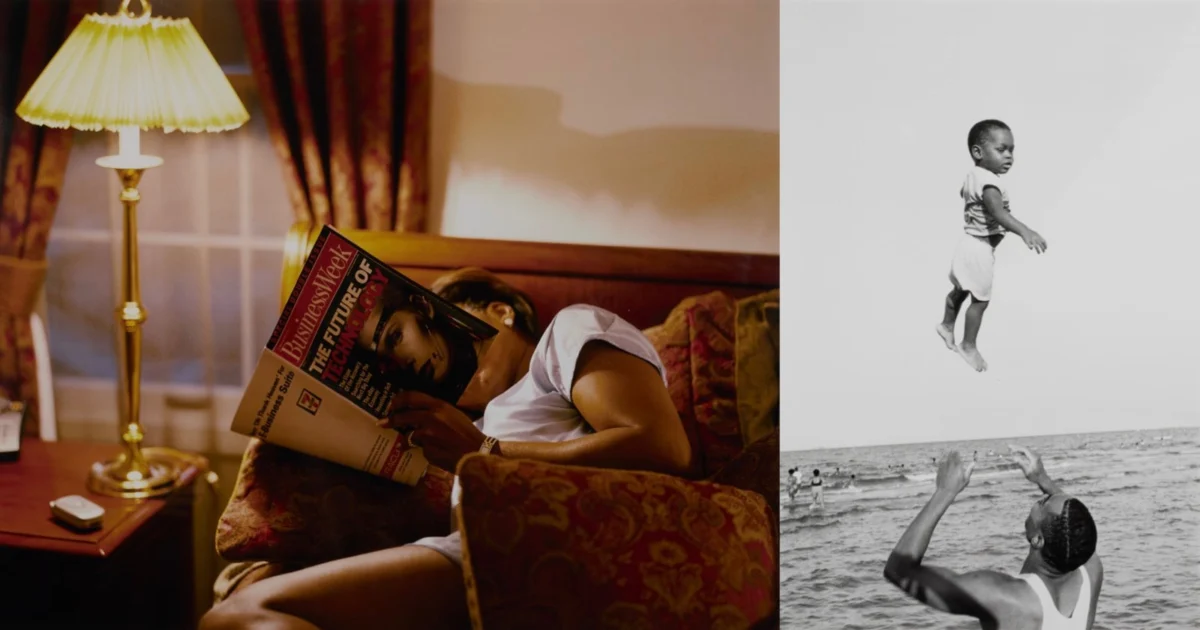
The Tragedy of 1955: A Catalyst for Change
The narrative of Emmett Till is etched into the collective memory of the United States as a defining moment in the struggle for racial equality. In August 1955, Till, a young teenager from Chicago, was visiting relatives in Money, Mississippi. His abduction, brutal torture, and subsequent lynching at the hands of Roy Bryant and J.W. Milam—triggered by an unfounded accusation of harassment by a white woman—exposed the harrowing reality of the Jim Crow South to the rest of the nation.
The decision by Till’s mother, Mamie Till-Mobley, to hold an open-casket funeral in Chicago forced the world to look at the physical toll of racial hatred. The image of his mutilated body became a galvanizing force. The acquittal of his killers, despite overwhelming evidence, served as a grim indictment of the judicial system of the era, fueling the nascent civil rights movement. Historians frequently point to this period as the moment the movement shifted from local resistance to a national imperative.
A Chronology of a Stolen Future
The exhibition curated by Sarah Lewis operates on a poignant premise: if Till had returned to Chicago in 1955, his life would have spanned the eras of the Civil Rights Movement, the Vietnam War, the rise of the digital age, and the eventual election of the first Black President of the United States.
The timeline of Till’s theoretical life would have tracked as follows:
- 1955: The catalyst event; the murder of Emmett Till in Mississippi.
- 1960s: Till would have been in his early 20s, potentially witnessing the Civil Rights Act of 1964 and the Voting Rights Act of 1965.
- 1970s–1980s: He would have navigated adulthood during the shifting social landscapes of the post-Vietnam era, likely experiencing the rise of Black cultural pride and the urban development of Chicago.
- 1990s–2000s: A man in his 50s and 60s, Till would have seen the global rise of the internet, the tenure of various presidential administrations, and the historical election of Barack Obama—a fellow Chicagoan.
- 2026: Till would have celebrated his 85th birthday.
By juxtaposing these eras through the works of renowned photographers like Gordon Parks, Dawoud Bey, and Dorothea Lange, the exhibition constructs a visual biography of an American man who was denied the chance to participate in these historical transitions.
Photographic Perspectives on American Life
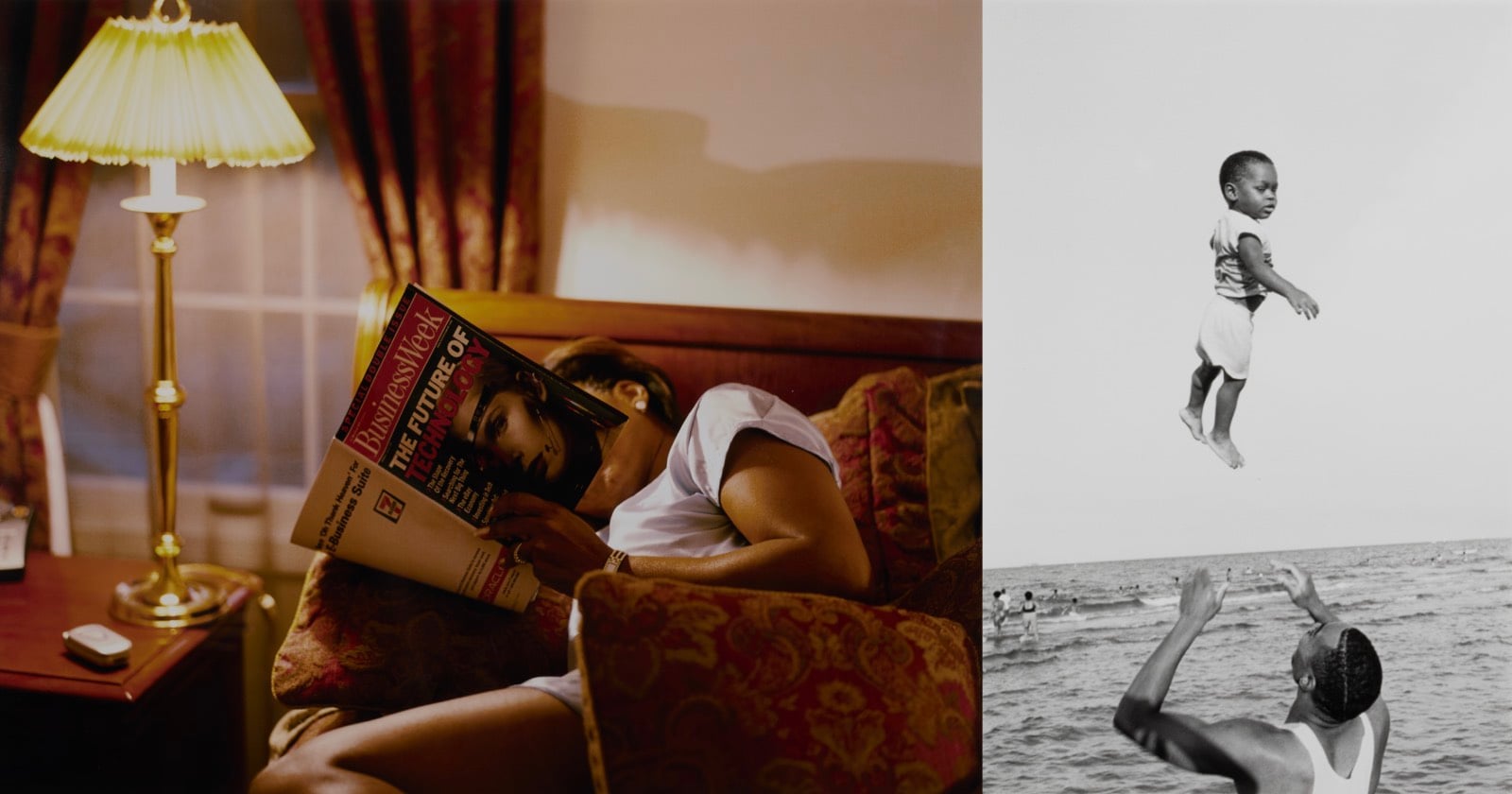
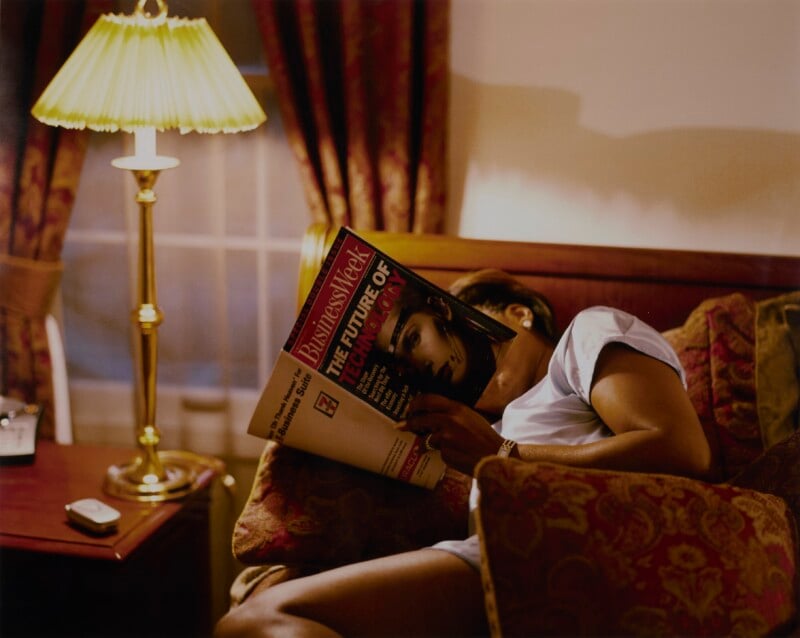
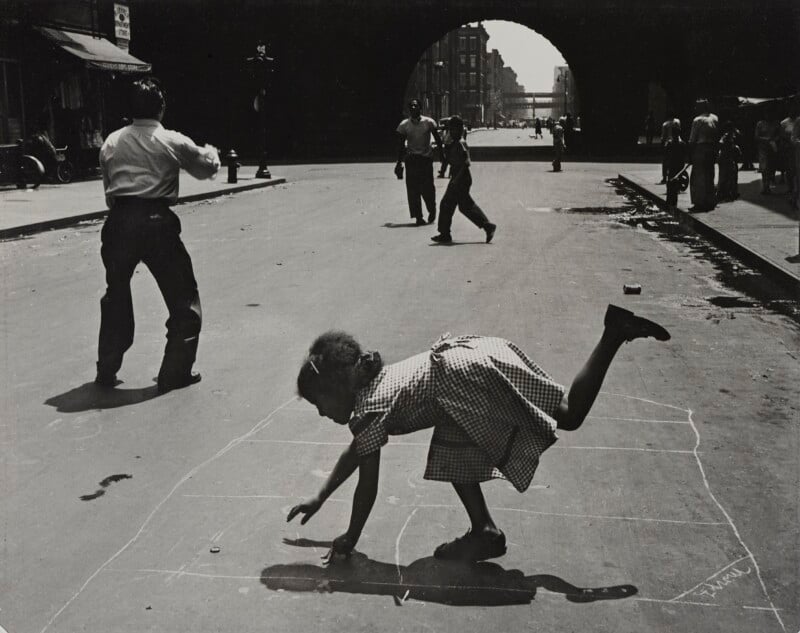
The exhibition is structured around various themes: the movement of people across the country, the intimacy of domestic life, and the public struggles for justice. The photographs selected represent a multi-generational dialogue on what it means to live, grow, and age in America.
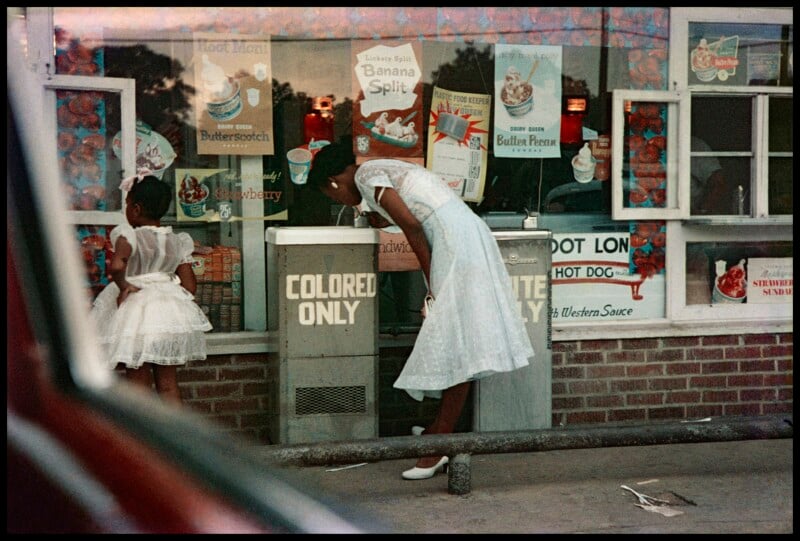
Images by Gordon Parks, particularly his documentation of the segregation era, provide the necessary historical counterweight to more contemporary pieces. Parks’ work, which captured the indignity of "Colored Only" water fountains in Alabama in 1956, serves as a bridge between the world Till left behind and the progress that followed.
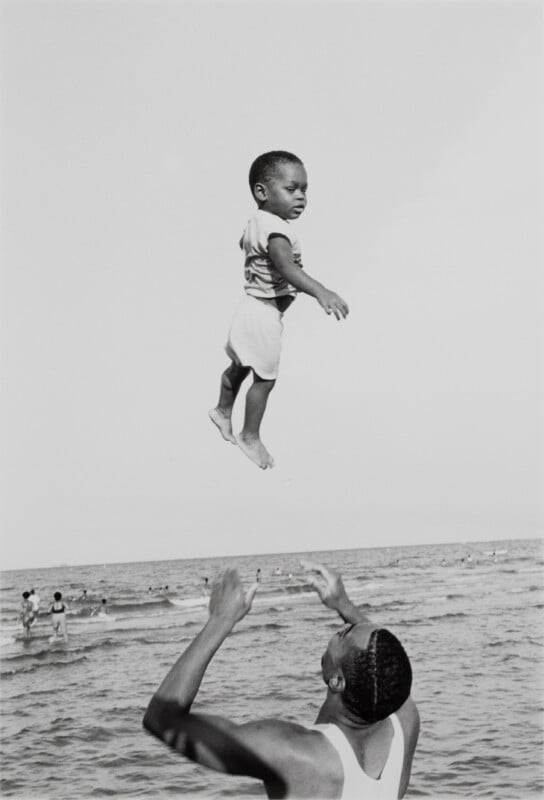
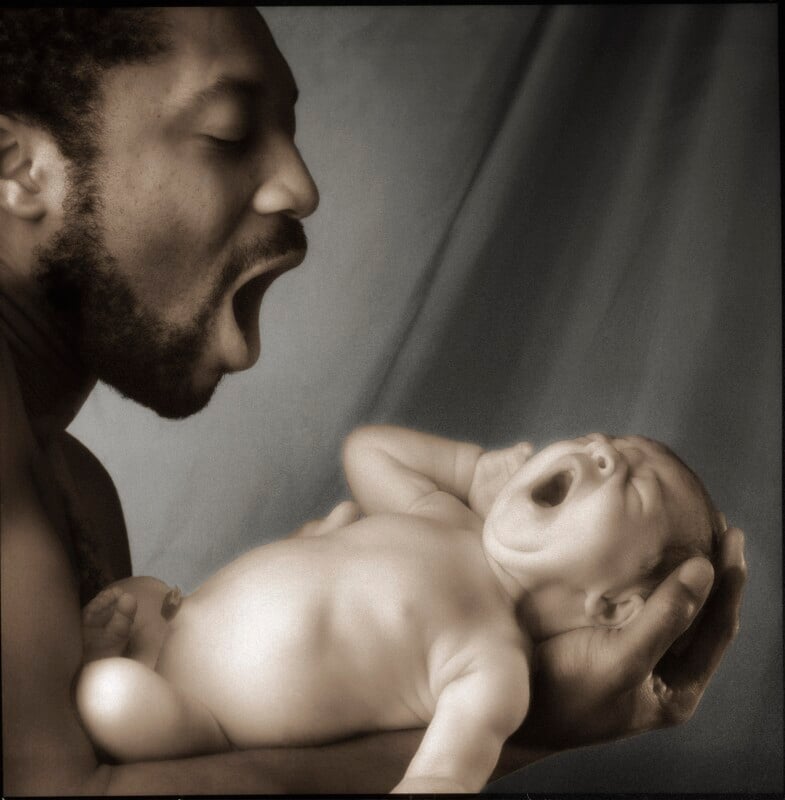
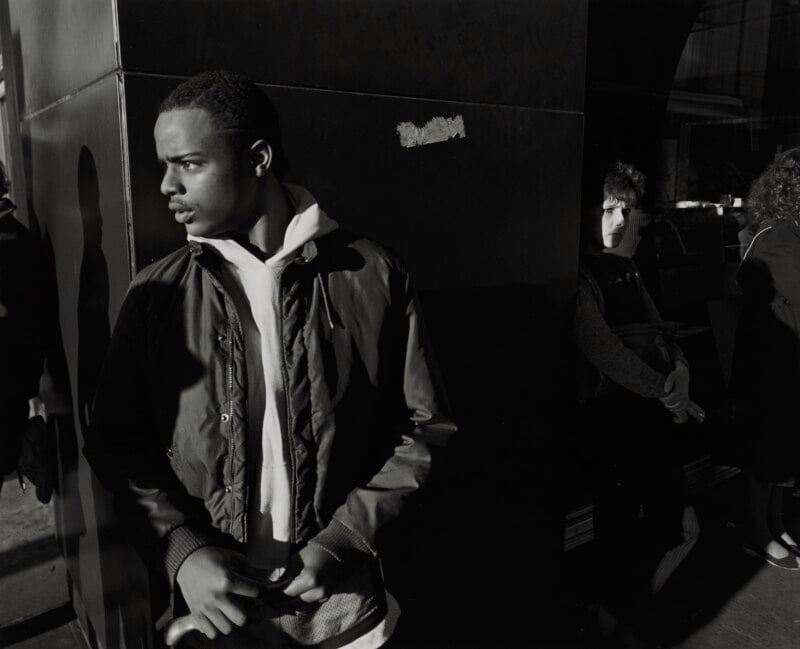
In contrast, portraits by photographers such as Barbara Crane and Dawoud Bey capture the complexity of the human experience in the latter half of the 20th century. By showcasing images of everyday joy—children playing, people waiting for buses, families gathered—the exhibition asserts that Till had a right to these ordinary moments. The inclusion of political imagery, such as portraits of Barack Obama, highlights the distance traveled by the nation, while also serving as a reminder of the fragility of that progress.
Institutional and Scholarly Context
The Museum of Contemporary Photography at Columbia College Chicago has positioned this exhibition as a creative monument to human rights. Curator Sarah Lewis emphasizes that the exhibition is not merely a memorial, but an interrogation of current societal health.
"Why create this show and publication now?" Lewis asked in her exhibition statement. "Because more than seventy years after Emmett Till’s death, we are still asking, have we made good on the sacrifice of his life? We should not have to ask this question."
The exhibition serves as an extension of academic and public discourse regarding racial violence. By framing the photographs as a "counter-narrative" to the tragedy, the institution provides a space for reflection on systemic issues. The exhibition also draws from the institution’s deep archival collection, which includes works by some of the 20th century’s most influential photographers, including Henri Cartier-Bresson and Carrie Mae Weems, ensuring that the visual quality of the exhibit matches its intellectual weight.
Societal Implications and Analysis
The significance of the 1955 Civil Rights Act, which was debated in the shadow of Till’s death, remains a subject of intense study. Data from the era confirms that the public outcry following the trial contributed to the legislative pressure that eventually led to the 1957 Civil Rights Act. This act was the first federal civil rights legislation passed by Congress since the Reconstruction Era. It established the Civil Rights Division in the Department of Justice and empowered federal prosecutors to obtain court injunctions against interference with the right to vote.
However, the "If Emmett Till Lived" project asks whether the legislative progress of the past seven decades has been sufficient to ensure the safety and liberty of Black Americans today. The curator suggests that the exhibition is a response to the ongoing "untaken journey" of marginalized individuals in the United States. By claiming the ground of Till’s potential life, the exhibit forces a confrontation with the reality that, for many, the "right to stand" remains contested.
A Legacy of Visibility
The exhibition is a sobering reminder that history is not just a sequence of past events, but a series of possibilities that were either realized or destroyed. By focusing on the potential life of a boy whose name became synonymous with the fight for justice, the museum underscores the inherent value of every life.
The inclusion of diverse photographic styles—from the stark, documentary style of the mid-century to the more intimate, contemporary portraiture—serves to humanize a figure often reduced to a symbol of trauma. The visitors to the exhibition are invited to look past the iconic, horrific image of the 1955 funeral and instead imagine a man who might have been a father, a professional, a neighbor, or a citizen participating in the democratic process.

Conclusion: The Unfinished Conversation
As the nation moves toward the late 2020s, the relevance of the Emmett Till case has not waned. The exhibition at the Museum of Contemporary Photography serves as a critical junction where art, history, and social justice meet. It is an invitation to acknowledge the past while critically evaluating the present.
The exhibition’s closing statement, provided by Sarah Lewis, serves as its thesis: "This exhibition and book are a creative monument to the life that Till—that anyone, any black or brown boy—has a right to live." Through the medium of photography, the exhibition effectively captures the essence of a life that was erased, while simultaneously highlighting the endurance of the American spirit in the face of persistent injustice. As the institution continues to host this exhibition, it remains a vital site for public discourse on the legacy of the Civil Rights Movement and the ongoing quest for true equality on American ground.

