


The University of Surrey’s Centre for Vision, Speech and Signal Processing (CVSSP) has entered into a landmark three-year partnership with Marwell Wildlife to design and deploy a bespoke artificial intelligence (AI) camera system aimed at transforming the way zoological institutions monitor animal health. This collaboration represents a significant leap forward in the application of computer vision within the field of conservation biology, moving beyond simple observation to proactive, automated welfare management. By utilizing sophisticated algorithms to analyze behavior in real-time, the project seeks to provide zookeepers with a 24-hour "digital eye" capable of identifying the subtle precursors of illness, injury, or distress that often go unnoticed by human staff, particularly during the night.
The Technological Foundation of Automated Welfare
At the heart of this initiative is the expertise of the CVSSP, a world-leading research center specializing in the analysis of visual and auditory data. The AI platform being developed is not merely a recording device but a complex diagnostic tool. Using deep learning architectures, the system is trained to recognize the "baseline" behavior of specific species and individual animals. This includes movement patterns, social interactions, feeding habits, and resting cycles. Once a baseline is established, the AI can detect "anomalous" behaviors—deviations from the norm that might indicate a health issue.
In the context of zoo management, many animals are evolutionary programmed to hide signs of weakness or pain to avoid predation, a trait known as "masking." This biological imperative makes it exceptionally difficult for even the most experienced zookeepers to detect the early stages of a condition during routine daytime checks. The AI system, however, can monitor animals continuously, identifying micro-changes in gait, posture, or activity levels that occur when the animals are unobserved by humans.
Bridging the Nocturnal Monitoring Gap
One of the primary drivers for this project is the lack of comprehensive data regarding animal behavior during the hours when zoo staff are off-duty. While many modern zoos utilize CCTV for security or basic monitoring, the manual review of hundreds of hours of footage is a logistical impossibility for most institutions. Consequently, animals are often left to their own devices from late evening until early morning.
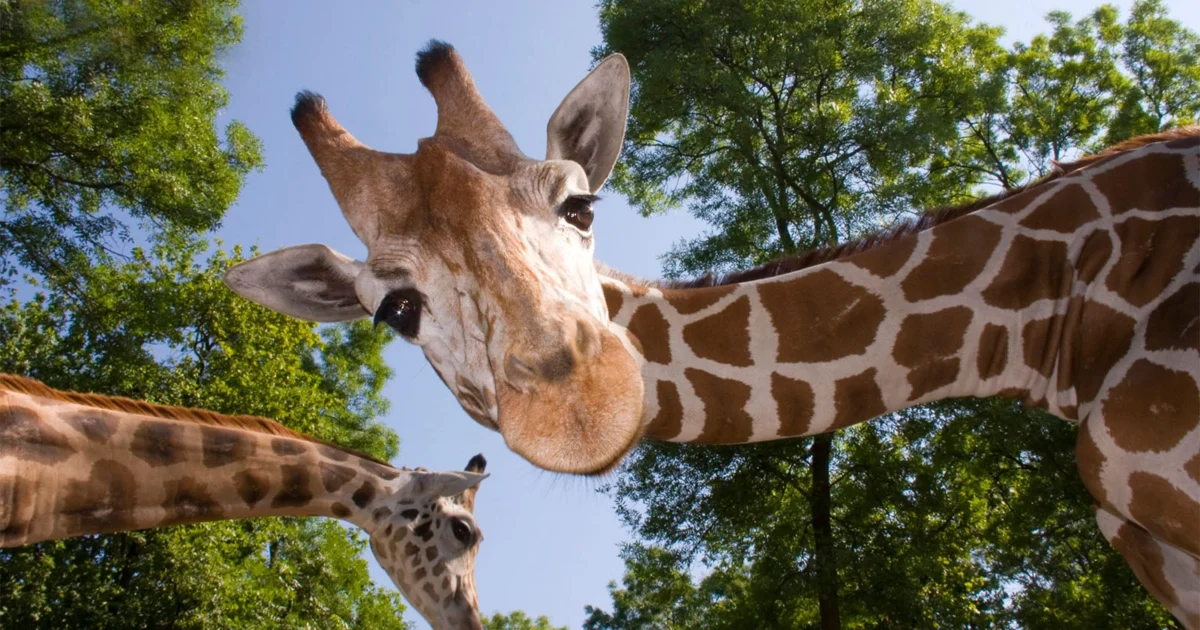
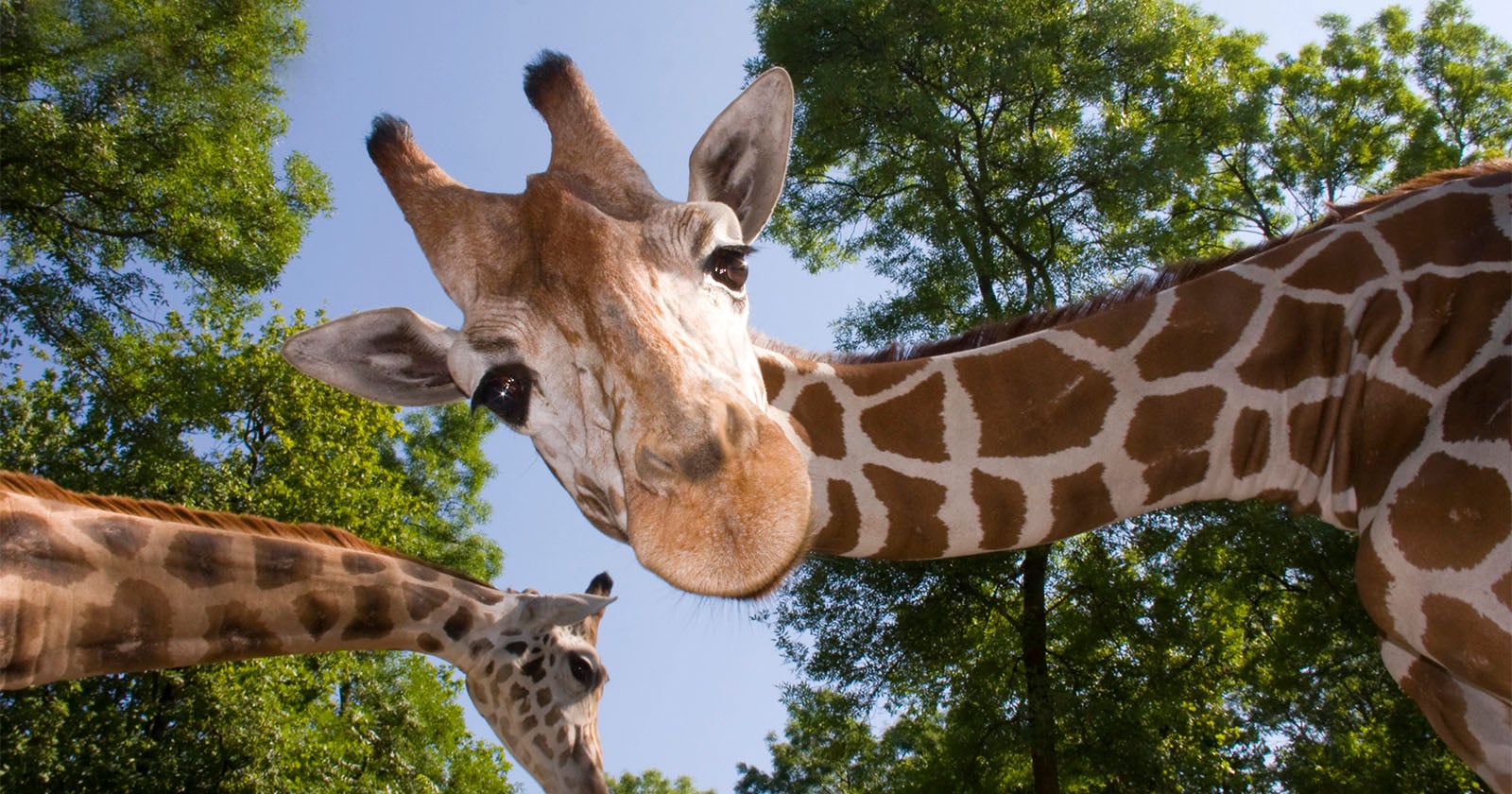
During these nocturnal hours, critical events such as the onset of labor, sudden bouts of colic, or social conflicts can occur. The AI-powered camera platform solves this problem by performing automated video analytics. If the system detects a giraffe pacing more than usual or a red river hog exhibiting lethargic behavior at a time it should be active, it can trigger an immediate alert for the veterinary team. This capability ensures that medical interventions can be staged at the earliest possible moment, significantly improving the prognosis for recovery.
A Phased Implementation: Giraffes and Red River Hogs
The three-year project is structured into distinct phases to ensure the robustness of the AI models. The initial focus will be on two vastly different species: the giraffe and the red river hog. This selection is intentional, as it allows researchers to test the system’s versatility across different body types, movement speeds, and enclosure environments.
- Phase One: Data Acquisition and Baseline Mapping: During the first year, researchers will install a network of high-definition cameras within the enclosures at Marwell Wildlife. This period is dedicated to collecting vast amounts of raw data to understand the standard behavioral repertoire of the animals.
- Phase Two: Algorithm Training and Anomaly Detection: In the second year, the CVSSP team will use the collected data to train neural networks. The AI will learn to distinguish between "normal" variations (such as seasonal changes in activity) and "abnormal" variations (such as limping or repetitive stereotypic behaviors).
- Phase Three: Real-Time Integration and Scaling: The final year will see the system move into a live operational phase where it provides real-time feedback to the Marwell staff. Once the system is proven effective for giraffes and hogs, the framework will be adapted for other species within the park, including more elusive or endangered animals.
Perspectives from the Partnership
The collaboration has been met with enthusiasm from both the academic and conservation sectors. Professor Kevin Wells of the CVSSP emphasized the uniqueness of the project, noting that while AI is frequently used in domestic pet care or livestock management, its application in the diverse and complex environment of a zoo is a pioneering step. "We are delighted to be working with the staff at Marwell on this exciting AI project that will deliver the first AI health and welfare monitoring system focused on zoo animals," Wells stated. He further noted that the project is a prime example of how academic research can be translated into practical tools for global conservation efforts.
Laura Read, Chief Executive of Marwell Wildlife, highlighted the institution’s commitment to evolving welfare standards. "At Marwell Wildlife, we have always prided ourselves on pushing the boundaries of animal welfare standards that are achievable in a zoo setting," Read said. She explained that the adoption of an evidence-based welfare framework is essential for modern zoos. "That is why we are very excited to be working with the University of Surrey on developing technology that could strengthen animal welfare further, giving us new insights into nocturnal behaviors and highlighting those extra details that can be difficult to spot with the human eye."
Broader Implications for Global Conservation and Agriculture
While the immediate application of this technology is within the gates of Marwell Wildlife, the long-term implications are far-reaching. The University of Surrey team anticipates that the platform could be adapted for a variety of environments beyond traditional zoos.
Wildlife Refuges and Reintroduction Sites: In protected areas where endangered species are monitored before being released into the wild, AI cameras could track their ability to hunt or forage without the need for invasive tagging or human presence, which can alter natural behavior.
Livestock and Agriculture: The technology has clear parallels in the agricultural sector. Large-scale livestock operations could use similar AI monitoring to detect outbreaks of disease (such as avian flu or foot-and-mouth disease) at the individual level before they spread to the entire herd, potentially saving millions in economic losses and preventing mass culls.
Anti-Poaching Efforts: By integrating behavior-recognition AI with existing field cameras in national parks, rangers could be alerted not just to the presence of humans, but to the "alarm behaviors" of prey animals that often precede a poaching event.
Data-Driven Welfare: The Future of Zoos
The integration of AI into zoo management marks a shift toward "precision zoology." Historically, animal welfare was assessed through periodic physical exams and subjective observations by keepers. While valuable, these methods are snapshots in time. The AI platform offers a continuous stream of objective data, allowing for a more nuanced understanding of an animal’s "affective state"—its emotional and psychological well-being.
Current trends in zoological science suggest that providing "naturally positive life experiences" is the new benchmark for welfare. This means not just the absence of disease, but the presence of opportunities for animals to express natural behaviors. By quantifying these behaviors, the AI system can help zoo curators design better enclosures and enrichment programs that truly meet the biological needs of the residents.
As the project progresses over the next three years, the data generated will likely contribute to a growing global database of species-specific behavioral metrics. This "big data" approach to conservation could eventually lead to a standardized, AI-assisted welfare certification for zoos worldwide, ensuring that every animal, regardless of its location, benefits from the highest possible level of digital oversight.
The partnership between the University of Surrey and Marwell Wildlife serves as a blueprint for future collaborations between technology hubs and conservation organizations. By leveraging the power of artificial intelligence, the project ensures that the animals of today receive the most advanced care possible, while simultaneously developing the tools necessary to protect the species of tomorrow.

