


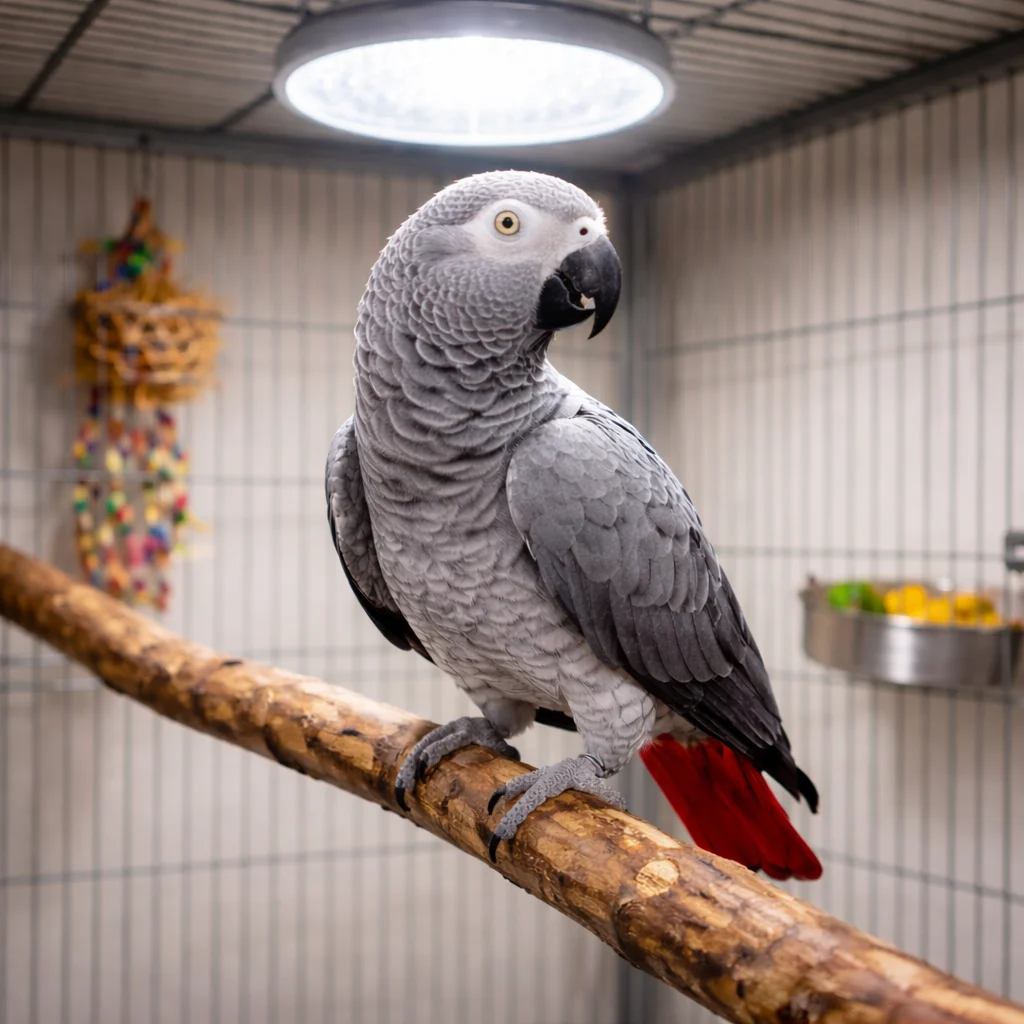
As winter casts its long shadow, a silent threat often looms over the health of countless indoor companion birds: calcium deficiency, primarily triggered by insufficient exposure to ultraviolet B (UVB) light. While often overlooked by even diligent owners, this condition can insidiously weaken a bird’s skeletal structure, compromise neuromuscular function, and profoundly impact overall well-being. Avian wellness educators and veterinarians are issuing a timely warning as colder months restrict natural sunlight, emphasizing the critical need for proactive intervention to safeguard the health of these vulnerable pets. The issue, which manifests in symptoms ranging from subtle behavioral shifts to severe physiological distress, underscores a fundamental misunderstanding of avian biology in a domestic setting.
The Biological Imperative: Understanding Vitamin D3 and Calcium in Avian Health
For birds, particularly those originating from sun-drenched tropical and subtropical regions, exposure to specific wavelengths of ultraviolet light is not merely beneficial but a biological imperative. Natural sunlight provides UVB radiation (wavelengths between 290 and 315 nanometers), which is crucial for the synthesis of pre-vitamin D3 in the skin. This pre-vitamin D3 is then converted into active Vitamin D3 (calcitriol), a hormone-like substance essential for calcium absorption from the gut and its subsequent utilization throughout the body. Without adequate Vitamin D3, dietary calcium, no matter how abundant, largely passes through the digestive system unabsorbed, rendering it biologically useless.
Calcium itself is a cornerstone of avian physiology, playing a multifaceted role far beyond bone integrity. Approximately 99% of a bird’s calcium is stored in its bones, providing structural support. However, the remaining 1% circulates in the bloodstream and is vital for critical processes such as muscle contraction, nerve impulse transmission, blood clotting, enzyme activation, and hormone regulation. For female birds, calcium is indispensable for eggshell formation, making them particularly susceptible to rapid depletion and related complications like egg binding. In essence, a bird’s entire physiological system is intricately linked to a consistent and bioavailable supply of calcium, orchestrated by Vitamin D3.
Silent Depletion: Recognizing the Subtle Onset of Deficiency
The insidious nature of winter-induced calcium deficiency lies in its often-silent progression. Birds possess a remarkable compensatory mechanism: when dietary calcium absorption falters, they will begin to resorb calcium directly from their own bones to maintain critical blood calcium levels necessary for cardiac and muscular function. This internal "borrowing" can continue for weeks or even months, masking the underlying problem until bone density is dangerously compromised. Owners may observe subtle changes that are easily dismissed as normal seasonal quirks or behavioral issues, unaware of the profound physiological stress occurring beneath the surface.
Early indicators of potential calcium depletion often include a weaker perch grip, where birds may slide or exhibit less firm footing. Owners might also notice an increase in shredding behavior, not necessarily indicative of boredom, but rather a manifestation of heightened nervous system excitability due to mineral imbalances. Feather quality can also serve as an early warning sign; dullness, stress bars (horizontal lines across the feather shaft), or a noticeably slower molt can point to impaired nutrient utilization, including calcium and D3, which are critical for robust feather follicle integrity. Lower activity levels, reduced flight endurance, and a general decrease in overall vigor are further clues that something is amiss. As the condition progresses, irritability, increased reactivity, and a "shorter fuse" can become apparent, reflecting the impact of calcium and magnesium imbalances on neurological stability.
A quick diagnostic overview for concerned owners can be summarized as follows:
| If the bird is… | Expert Verdict |
|---|---|
| Sliding on perches or gripping less firmly | Possible early calcium depletion affecting neuromuscular strength. Evaluate UVB exposure and dietary D3. |
| More irritable, reactive, or shredding excessively | Magnesium and calcium imbalances can heighten nervous system excitability. Assess mineral support. |
| Feathers look dull, stress-barred, or slow to molt | Low vitamin D3 reduces calcium utilization, impacting feather follicle integrity and overall feather health. |
| Showing reduced activity, shorter flights, or low energy | Indicates potential musculoskeletal weakness or systemic fatigue stemming from inadequate mineral metabolism. |
It is crucial to understand that these symptoms, particularly when observed during periods of limited natural light, are not merely "normal" winter behaviors. A healthy indoor bird, receiving appropriate light and nutrition, should maintain consistent strength, coordination, feather quality, and behavioral patterns year-round. Any deviation, especially a decline in these areas, should be treated as a significant health concern rather than a benign seasonal change.
Beyond the Pellet: Why Diet Alone is Insufficient Without Proper Lighting
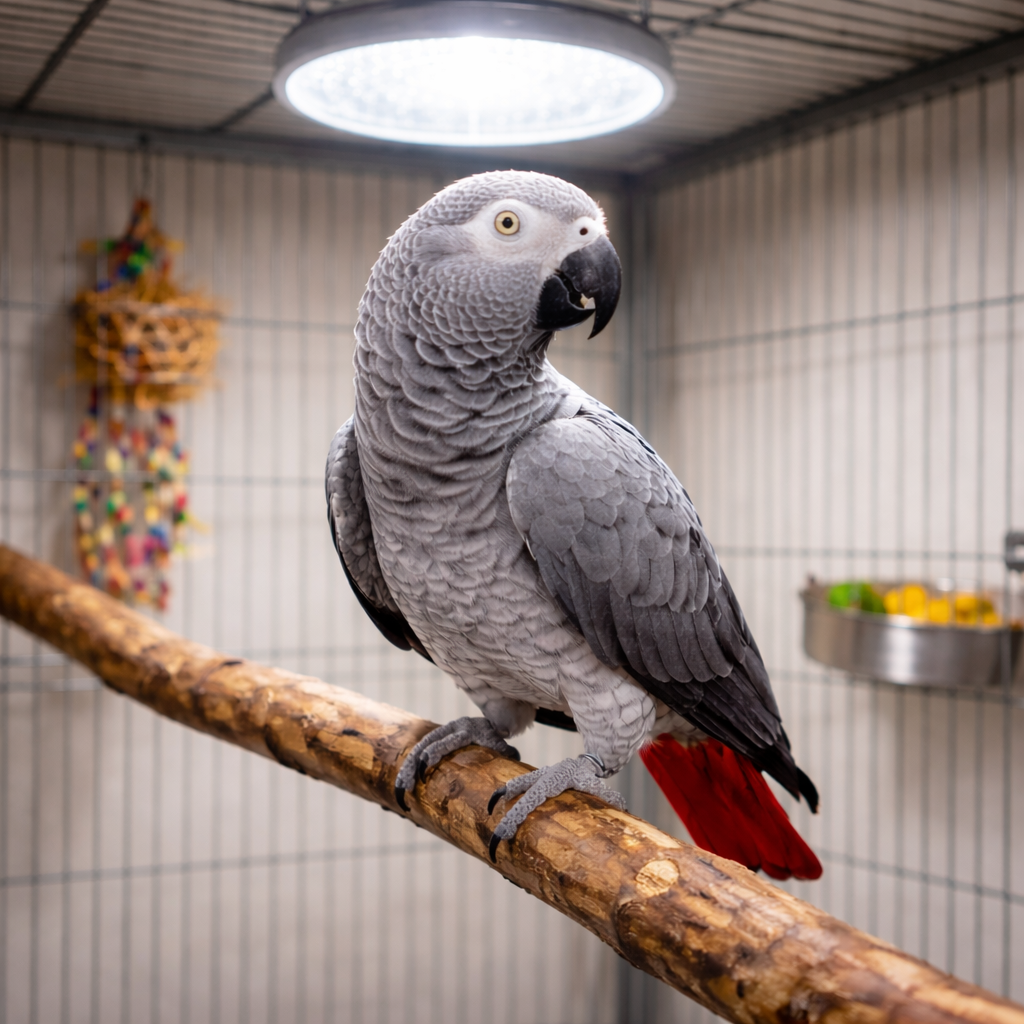
A common misconception among bird owners is that a high-quality pelleted diet, supplemented with fresh vegetables, provides all the necessary nutrients, including calcium. While commercial pellets are designed to be nutritionally complete, their efficacy in delivering calcium hinges entirely on the bird’s ability to absorb it. This is where the crucial link to Vitamin D3 and UVB light becomes apparent. Without adequate UVB exposure—either from direct, unfiltered sunlight or a specialized avian UVB lamp—the bird’s body simply cannot synthesize the Vitamin D3 required to process dietary calcium. Consequently, even if a bird consumes calcium-rich foods or supplements, the calcium largely passes through the digestive tract unutilized, offering no benefit to bones, muscles, or nerves.
This biological bottleneck means that simply offering more pellets, providing a cuttlebone, or adding a basic calcium supplement to the diet will not resolve a calcium deficiency if the underlying Vitamin D3 production mechanism is compromised. The bird requires usable calcium, which necessitates effective D3 synthesis. The problem, therefore, is fundamentally a "light problem" first and foremost. Addressing the lack of UVB light or providing appropriate Vitamin D3 supplementation is the primary corrective action needed to protect a bird’s skeletal integrity and overall stability.
Visual Checks and Veterinary Diagnostics
While not definitive, visual cues can help owners assess their bird’s general condition. A healthy, "winter stable" bird typically exhibits an alert posture, bright, clear eyes, smooth and vibrant feathers, and a confident, upright stance. Conversely, a bird suffering from potential calcium depletion might appear with a slightly slouched posture, dull or disheveled feathers, a subtle squint, and a less stable or hesitant stance. These visual differences serve as important prompts for owners to evaluate their bird’s lighting and nutritional regimen.
However, visual assessment alone cannot diagnose calcium deficiency. When symptoms persist or worsen, professional veterinary intervention is paramount. Avian veterinarians can perform diagnostic tests, including blood work to measure ionized calcium, total calcium, phosphorus, and Vitamin D3 levels. Radiographs (X-rays) can also be utilized to assess bone density, providing a clearer picture of the extent of bone demineralization. Early and accurate diagnosis is critical to prevent irreversible damage.
Mitigation and Prevention: A Comprehensive Approach to Avian Wellness
Addressing and preventing winter-induced calcium deficiency requires a multifaceted strategy focusing on environmental enrichment, appropriate lighting, and targeted nutritional support.
1. Optimizing UVB Lighting:
The most direct and effective intervention is to provide a dedicated avian UVB light source. These specialized lamps emit UVB wavelengths crucial for Vitamin D3 synthesis.
- Types: Options include fluorescent tube lamps and mercury vapor lamps. Fluorescent tubes are generally suitable for smaller enclosures, while mercury vapor lamps offer higher intensity and broader coverage, often providing heat as well.
- Placement: Lights should be positioned within the bird’s "UVI zone" (UV index zone), typically 12-18 inches from the bird’s primary perching area, depending on the lamp’s wattage and manufacturer specifications. Care must be taken to ensure no glass or plastic barriers obstruct the light, as these materials filter out beneficial UVB rays.
- Schedule: UVB lights should be on for 10-12 hours daily, mimicking natural daylight cycles.
- Maintenance: UVB output degrades over time, even if the light still appears to be working. Most fluorescent UVB bulbs need to be replaced every 6-12 months, while mercury vapor bulbs may last longer, typically 1-2 years. Adhering to manufacturer replacement guidelines is crucial.
2. Dietary Strategies:
While UVB light enables calcium absorption, a balanced diet remains foundational.
- Pellets: A high-quality, species-appropriate pelleted diet should form the bulk (60-80%) of a bird’s intake, providing a consistent baseline of nutrients.
- Fresh Foods: Offer a variety of calcium-rich vegetables (e.g., dark leafy greens like kale, broccoli, spinach) and fruits.
- Supplementation: If UVB exposure is inconsistent or a bird has known deficiencies, an avian-specific calcium and Vitamin D3 supplement may be recommended by a veterinarian. Oral D3 supplements must be administered with extreme caution, as over-supplementation can lead to Vitamin D toxicity, which is also dangerous. Never self-prescribe D3 supplements without veterinary guidance.
3. Managed Sunlight Exposure:
Whenever possible and safe, allow your bird access to direct, unfiltered sunlight outdoors. This provides the most natural and effective source of UVB.
- Safety: Ensure the bird is in a secure, predator-proof cage, supervised at all times, and has access to shade to prevent overheating.
- Window Limitations: It’s critical to remember that standard window glass blocks almost all beneficial UVB rays, so placing a bird near a window does not fulfill its light requirements.
When to Seek Veterinary Intervention: Recognizing Critical Red Flags

The progression of calcium depletion can be dangerously swift once overt symptoms appear. Birds, masters of masking illness, will only show severe signs when their compensatory mechanisms are overwhelmed. As noted by avian specialists, birds will continue to pull calcium from their own bones to keep vital organs like the heart and muscles functioning. By the time an owner observes symptoms such as falling from perches, tremors, or seizure-like episodes, the bird’s bone strength may already be severely, even critically, depleted, increasing the risk of spontaneous fractures.
Specific red flags that warrant immediate veterinary attention include:
- Falling or Loss of Balance: Any instance of a bird suddenly falling from a perch, struggling with balance, or inability to maintain an upright posture.
- Tremors or Seizures: Involuntary muscle twitching, shaking, or full-blown seizure activity are emergency indicators of severe neurological compromise due to critical calcium imbalance.
- Weakness or Paralysis: Any sudden onset of weakness in limbs or partial paralysis.
- Egg Binding: For female birds, difficulty passing an egg, which is often linked to insufficient calcium for proper muscle contractions.
- Lethargy and Loss of Appetite: Extreme lack of energy combined with a refusal to eat, signaling a systemic crisis.
These symptoms constitute an avian emergency. Prompt veterinary care is essential for diagnosis, stabilization, and initiating appropriate treatment, which may include injectable calcium and Vitamin D3.
Expert Perspectives and Industry Trends
Avian wellness educator Diane Burroughs, LCSW, whose expertise spans decades in behavior and nutrition, frequently emphasizes the profound link between light, D3, and calcium. "It is not normal or safe for your bird to get weaker in winter," Burroughs states, highlighting that physiological changes during colder months are often indicative of a correctable problem, not a benign seasonal shift. This sentiment is echoed by leading avian veterinarians, who increasingly advocate for a holistic approach to companion bird care, integrating advanced nutritional science with environmental enrichment, including precise lighting protocols.
The avian pet industry has responded to this growing awareness with innovations in full-spectrum lighting technology, offering more efficient and effective UVB lamps. There is also a greater emphasis on education for bird owners, with resources detailing the specific needs of various avian species. The trend is moving towards proactive, preventive care, recognizing that a significant portion of common avian ailments can be avoided through a deeper understanding of their natural biology and environmental requirements.
Conclusion: A Call for Proactive Avian Guardianship
The recurring challenge of winter-induced calcium deficiency in indoor birds serves as a potent reminder of the unique responsibilities inherent in avian guardianship. Providing a balanced diet is only one piece of the puzzle; ensuring adequate UVB light exposure is equally critical for the synthesis of Vitamin D3, the biological key to calcium absorption and utilization. As the publication date of February 21, 2026, suggests, this issue remains a pressing concern at the tail end of winter, when many birds have endured months of suboptimal light conditions.
By understanding the physiological mechanisms at play, recognizing early warning signs, and implementing preventive measures such as appropriate UVB lighting and managed nutrition, bird owners can significantly enhance their pets’ quality of life and longevity. Proactive engagement with avian veterinarians and continuous education are paramount in navigating the complexities of avian health, ensuring that our feathered companions thrive, not just survive, throughout every season. The welfare of these intelligent and sensitive creatures ultimately rests on the informed and diligent care provided by their human companions.

