


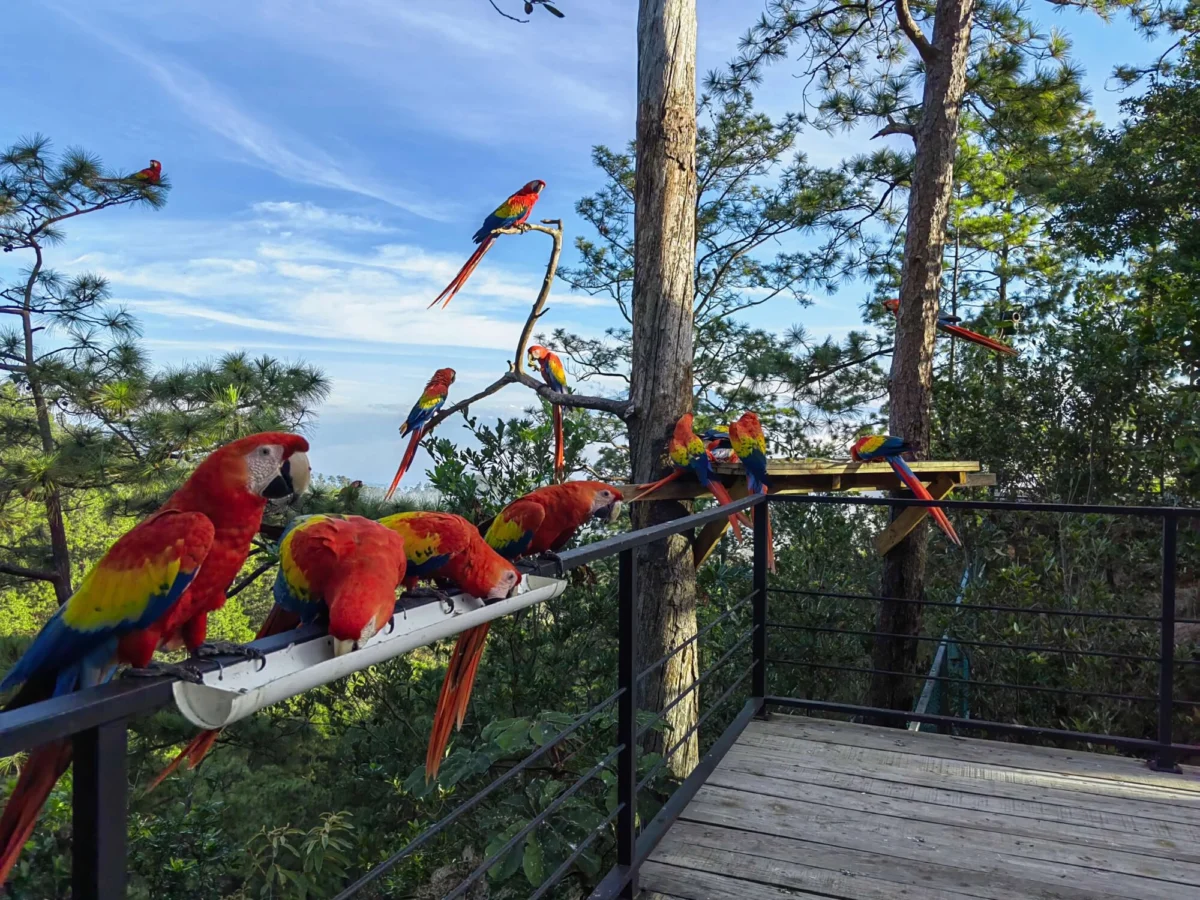
In 2018, a vibrant flash of scarlet, yellow, and blue sliced through the azure sky above Esquipulas, a Guatemalan town nestled near the Honduran border. This magnificent spectacle was a wild scarlet macaw (Ara macao), a likely trailblazer from the celebrated reintroduction programs flourishing in Copán Ruinas, Honduras. For the family fortunate enough to witness its fleeting passage, it was a moment of profound awe, a breathtaking encounter with nature’s vibrant artistry. Yet, for the wider village, such a sight was a novelty, and the immediate, instinctual response from local residents was to attempt to capture the striking bird, envisioning it as a unique pet. Fortunately, the resilient macaw evaded capture, disappearing back into the vast expanse of the sky, never to return to that specific location. This singular, pivotal encounter ignited a profound realization within conservation circles: while the majestic sweep of conservation efforts recognizes no human-drawn borders, the stark realities of survival unequivocally do. Today, a fervent, volunteer-driven movement is taking root in Guatemala, meticulously cultivated to ensure that when these iconic, vibrantly plumed birds inevitably traverse the international boundary, they are greeted not by snares and slingshots, but by informed, protective communities ready to embrace them as living symbols of their natural heritage.
The Scarlet Macaw: A Neotropical Icon on the Brink
The scarlet macaw (Ara macao) stands as one of the most recognizable and visually stunning members of the parrot family. Adorned in brilliant plumage of fiery red, sunshine yellow, and deep cerulean blue, these large, long-tailed parrots are synonymous with the lush tropical rainforests of Central and South America. Historically, their range extended from southeastern Mexico through Central America to the Amazon basin, including significant populations in Guatemala. They are highly intelligent, social birds, often observed flying in pairs or small family groups, and forming larger flocks at communal roosting sites. Known for their raucous calls that carry far through the forest canopy, macaws play a crucial ecological role as seed dispersers, aiding in the regeneration of the very forests they inhabit.
However, despite their wide historical distribution, scarlet macaws have faced severe declines in many parts of their range, primarily due to relentless habitat destruction and fragmentation, coupled with the persistent threat of illegal poaching for the pet trade. Their striking beauty makes them highly desirable, driving an illicit market that devastates wild populations. While globally classified as "Least Concern" by the IUCN Red List, this designation often masks the dire situation in specific regional populations, where they have become critically endangered or even extirpated. In Guatemala, centuries of human expansion, deforestation, and unregulated capture had pushed the scarlet macaw to the very precipice of local extinction, transforming what was once a common sight into a rare, almost mythical bird. The 2018 sighting near Esquipulas was therefore not merely a biological event, but a cultural awakening, signaling the potential return of a lost icon.
Honduras’ Macaw Mountain: A Model of Resurgence
A mere 15-minute journey from the Guatemalan border, nestled within the picturesque landscape surrounding Copán Ruinas, Honduras, lies a beacon of hope for scarlet macaw conservation: Macaw Mountain. This unique bird park and nature preserve, alongside its dedicated partner NGO, PRO ALAS (an organization committed to avian protection), has spearheaded a massively successful and internationally recognized reproduction, rehabilitation, and release program. Established with the vision of bringing the scarlet macaw back to its ancestral skies, particularly around the ancient Mayan city of Copán, the initiative has systematically worked to reverse the species’ decline.
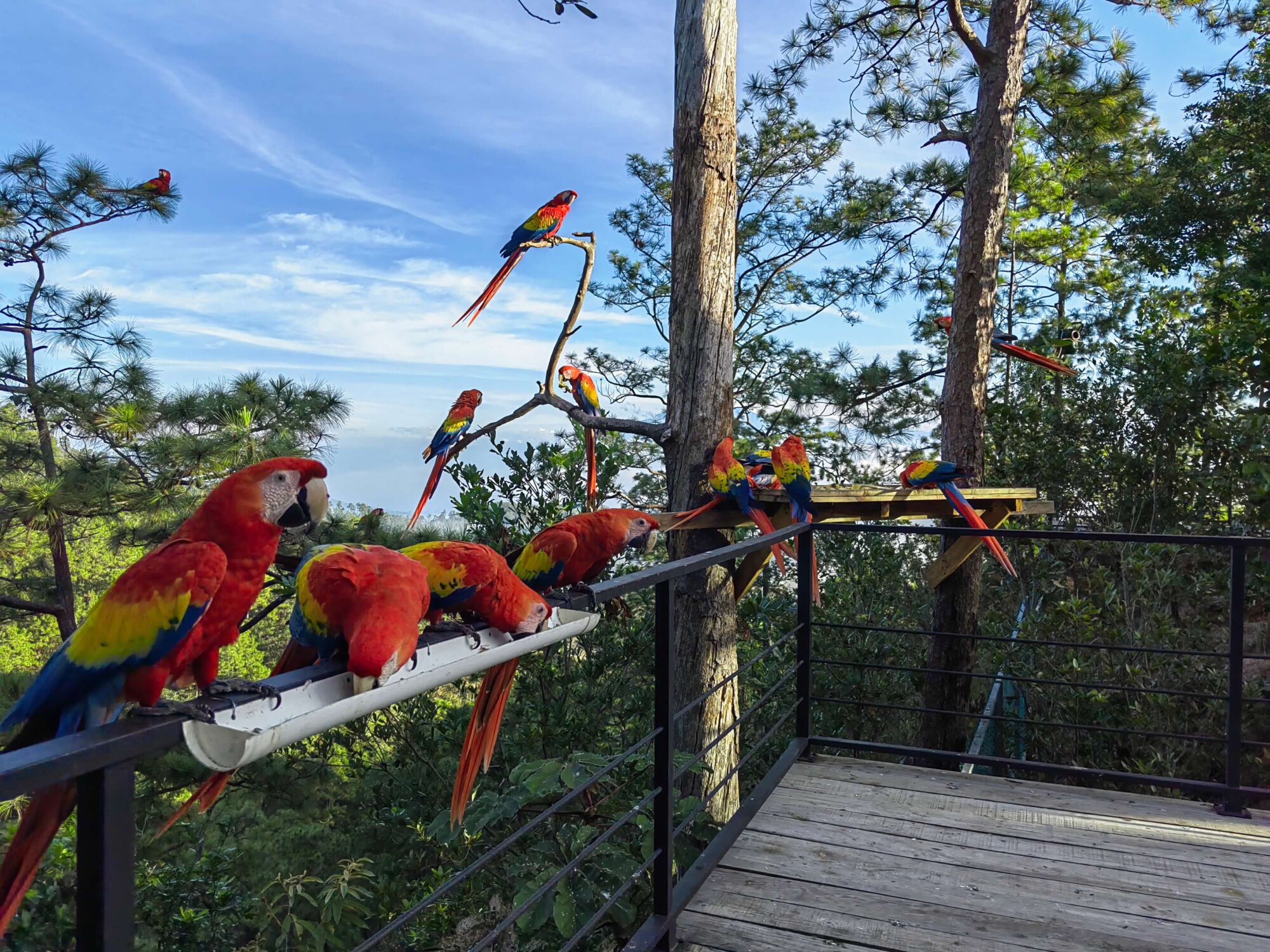
The program’s methodology is multifaceted, encompassing captive breeding of macaws, rehabilitation of birds rescued from the illegal pet trade, and a meticulously managed soft-release process designed to acclimate birds to the wild environment. Through consistent effort and scientific rigor, Macaw Mountain and PRO ALAS have successfully reintroduced over 150 wild macaws into the forests of Honduras. This monumental achievement has not only re-established a vibrant wild population but has also transformed the area into a significant ecotourism destination, demonstrating the tangible economic benefits that conservation can bring to local communities. The sight of dozens of scarlet macaws soaring freely above the ancient Mayan temples of Copán has become a powerful symbol of national pride and a testament to the potential for human-led ecological restoration.
The Perilous Cross-Border Journey: Guatemala’s Conservation Gap
The very success of the Honduran reintroduction program, however, presented a new, complex challenge: as the macaw population flourished and expanded its range, an increasing number of birds began to cross the largely porous international border into Guatemala. While this natural expansion was a testament to the macaws’ recovery, it also exposed them to immediate and severe dangers. On the Guatemalan side, the societal awareness and protective ethos cultivated in Honduras were largely absent. Stories frequently emerged of children, unaware of the birds’ protected status or ecological importance, throwing rocks at the large, colorful parrots. More alarmingly, adults, driven by the lure of quick profit, continued to attempt poaching these magnificent creatures for the lucrative illegal pet trade, perpetuating the very threat that had decimated their numbers decades prior.
It became abundantly clear that without a parallel, robust environmental education program in Guatemala, the remarkable achievements of Copán’s conservation efforts would be undermined, and the expanding macaw population would face an invisible, yet deadly, barrier at the border. The survival of these transboundary birds hinged not just on their ability to fly across a line on a map, but on the willingness of the communities on the other side to protect them.
A Grassroots Movement Takes Flight: Christian Chinchilla’s Vision
Driven by this pressing urgency and inspired by the macaws’ resilience, a young, passionate Guatemalan biologist named Christian Chinchilla stepped forward. Recognizing the critical need for immediate action, he joined forces with the Parrot Conservation Corps, a specialized initiative of One Earth Conservation (OEC). OEC, a global organization dedicated to community-based parrot conservation, provided Christian with comprehensive training, equipping him with the methodologies and insights necessary to launch a successful grassroots initiative. Armed with this specialized knowledge and a modest spark of seed funding from OEC, Christian and his dedicated girlfriend embarked on a mission to fundamentally shift mindsets in the border village of Caparja, Guatemala. Operating entirely on volunteer hours, their endeavor was a testament to the power of individual commitment in the face of daunting conservation challenges.
Their strategy was meticulously planned, prioritizing deep community respect and engagement before any direct intervention with children. The team understood that sustainable conservation begins with local buy-in. To this end, they forged crucial partnerships with Plan Trifinio, the tri-national government development agency responsible for coordinating development across the border regions of Honduras, Guatemala, and El Salvador, and the Municipality of Camotán. These collaborations were instrumental in legitimizing their efforts and opening doors within the community.
A critical first step involved organizing an eye-opening field trip: they transported local village leaders and primary school teachers directly to Macaw Mountain in Honduras. This immersive experience allowed these influential community members to witness the breathtaking beauty and profound ecological importance of the macaws firsthand. Seeing the birds thrive in their natural habitat, understanding the conservation success story, and realizing the potential benefits of their return, created a powerful foundation of understanding and support. This foundational work ensured that when the project moved into the classrooms, it did so with the full blessing and enthusiastic backing of community elders and educators.
Apples, Coloring Books, and Local Pride: Transforming Perceptions
With the community’s blessing firmly secured, Christian and his team took their message directly to the heart of the villages: the classrooms. Their educational outreach program was designed to be engaging, accessible, and deeply relevant to the children’s lives. Instead of abstract lectures, they used interactive methods tailored to primary school students. Children received apples as a healthy snack, creating a positive association with the learning experience. Coloring books featuring vibrant illustrations of scarlet macaws and their natural environment became powerful tools for creative engagement, allowing children to visualize and connect with the birds. Educational posters adorned classroom walls, depicting the macaws’ life cycle, their role in the ecosystem, and the threats they face.
Crucially, the lessons emphasized that macaws are not just exotic creatures, but a vital part of their local environment and a shared natural heritage. They taught children about the macaws’ diet, their nesting habits, and the importance of protecting their forest homes. They explained the negative impacts of poaching and the illegal pet trade, empowering children to understand why capturing these birds was harmful. The response from the children was nothing short of electric. They weren’t merely absorbing abstract biological facts; they were learning about the very birds they had seen flying over their own roofs, birds that were now presented as something precious to be cherished, not captured. This transformation was profound: the children were evolving from potential threats, guided by ignorance or curiosity, into enthusiastic future guardians of the macaws, imbued with a sense of local pride and responsibility.
Reclaiming a Mayan Legacy: A Deep Cultural Connection
This conservation work transcends mere ecological preservation; it is deeply intertwined with the rich cultural identity of the region. The border area is the ancestral home of the indigenous Ch’orti’ Maya population, whose communities have lived on both sides of this geographical line for generations, their history predating modern national boundaries. Just across the border, at the world-renowned Copán Ruins archaeological site—a magnificent ancient city built by the ancestors of the very Ch’orti’ people living today—macaws are omnipresent. Ancient stone glyphs, towering statues, and intricate sculptures are adorned with images of these majestic birds. For centuries, across various Mesoamerican cultures, macaws were revered symbols, representing the sun, the sky, the spirit world, and even royalty and fertility. Their vibrant plumage was prized for ceremonial regalia, and their powerful presence was associated with divine power and cosmic order.
By engaging Ch’orti’ children in Guatemala about the macaws, this project is doing more than just teaching science or environmental ethics. It is actively helping a community reconnect with a living, breathing, and soaring piece of their own profound history and cultural legacy. It reminds them that the macaws are not just wild animals, but ancestral spirits, sacred symbols, and a vital thread in the tapestry of their identity. This cultural resonance makes the conservation message far more powerful and enduring, fostering a sense of inherent responsibility and stewardship rooted in centuries of tradition.
Running on Fumes, But Hope is on the Horizon: Challenges and Triumphs
Despite the undeniable success and enthusiastic reception of the initial school visits, the project encountered a familiar, frustrating obstacle common to many grassroots initiatives: the initial seed funding from One Earth Conservation inevitably ran out. The crucial momentum generated in the border villages risked stalling. For a period, the entire campaign was sustained purely by the unwavering dedication and personal sacrifice of Christian Chinchilla and his girlfriend, who continued to volunteer their time, resources, and energy to maintain community engagement and prevent the crucial progress from unraveling. Their commitment during this lean period underscored the passion driving the project.
However, their tireless efforts did not go unnoticed. The remarkable impact and the compelling, border-bridging vision of the project began to garner attention at the highest levels of government. Through the persistent advocacy of Plan Trifinio, which recognized the strategic importance of this cross-border initiative, a significant breakthrough occurred: the Vice President of Guatemala, Dr. Karin Herrera, personally visited Macaw Mountain in Honduras. Deeply impressed and delighted by the project’s achievements and its potential for fostering regional cooperation and ecological restoration, she offered a promise of government support. This high-level endorsement marks a critical turning point, offering a tangible hope that institutional resources will materialize in the coming months, providing the much-needed stability and expansion capacity for the project.
Building a Safe Haven: The Path Forward
While the promise of long-term government aid is a monumental step, the reality is that macaws are crossing the border today. The urgent need for immediate "bridge funding" remains paramount. This crucial interim support is required to restart the vital school visits, expand the primary education campaign to cover the remaining border villages, and ensure that the foundational work already laid does not falter before larger institutional funding can be fully deployed.
Once the anticipated government funding lands, the team envisions a strategic pivot towards broader, more comprehensive conservation efforts. These larger institutional resources will be channeled into critical areas such as habitat protection, including the establishment of protected zones and enforcement against illegal logging. Nesting monitoring programs will be initiated to track breeding success and identify critical nesting sites. Furthermore, a significant focus will be placed on community-led reforestation efforts, directly involving villagers in restoring the degraded forest ecosystems that are essential for the macaws’ long-term survival. This holistic approach aims not just to educate, but to actively rebuild and safeguard the macaws’ natural home.
Let us collectively ensure that when a scarlet macaw embarks on its majestic flight from Honduras into Guatemala, it finds not a perilous frontier, but a safe haven, a welcoming community, and a new generation of children not only ready but eager to protect it. The continued support, like the recent donation from Lafeber, which is directed towards further educational programs in Guatemala, is instrumental. The people of Guatemala, inspired by the conservation results achieved just over the border in Honduras, are aiming for similar success. Thanks to One Earth Conservation for their initial catalyst and ongoing support, this vital project continues to build a future where the vibrant calls of the scarlet macaw once again echo freely across the ancient landscapes of Guatemala.

