


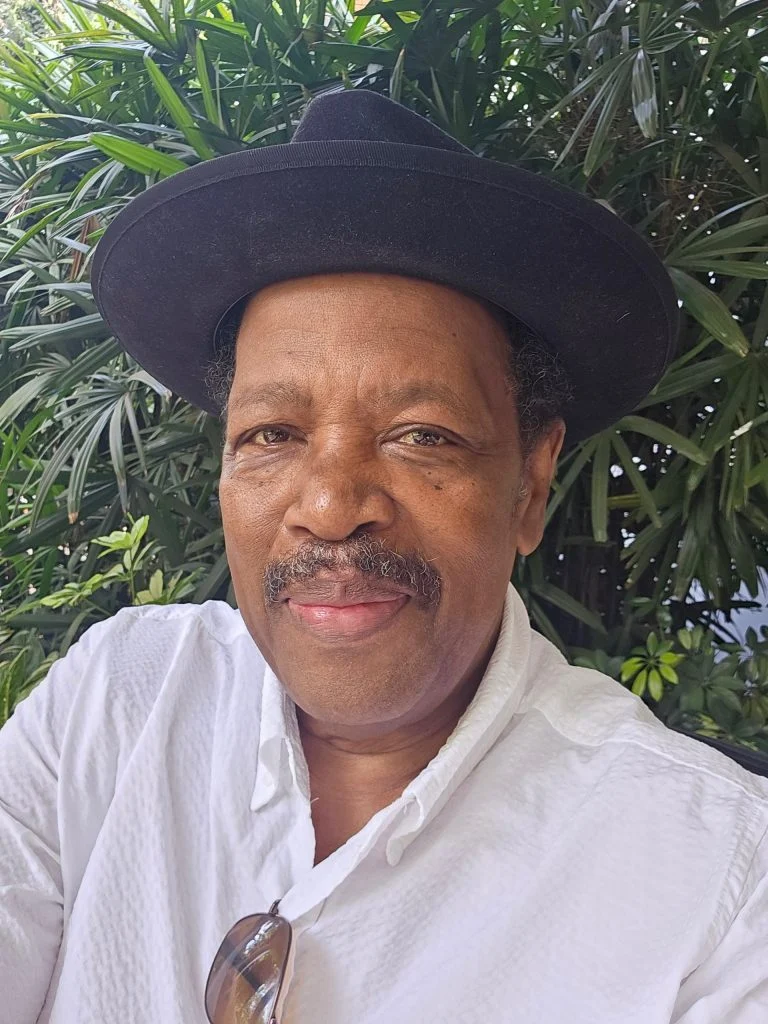
Tanzania’s vibrant conservation landscape is in mourning following the passing of John Salehe, the esteemed Chair of the Board of Directors of Nature Tanzania. Mr. Salehe, a deeply respected and profoundly dedicated champion for the environment, died on Friday, June 19, 2026. His departure represents a significant and keenly felt loss not only for conservation efforts within Tanzania but also across the broader African continent.
A Life Dedicated to Environmental Stewardship
John Salehe’s professional journey was one of unwavering commitment to the natural world. A formally trained forester, he amassed over four decades of invaluable experience, contributing his expertise to a diverse array of prominent organizations. His career included significant tenures with the Ministry of Natural Resources and Tourism, the World Wide Fund for Nature (WWF), and the African Wildlife Foundation (AWF). Beyond these, his international contributions extended to collaborations with the Food and Agriculture Organization (FAO) and the United Nations Development Programme (UNDP), where he played a pivotal role in implementing vital regional projects across East Africa.
His deep-seated belief in the power of community-led conservation and the crucial role of young people in safeguarding natural resources was a defining characteristic of his work. Mr. Salehe was a dedicated mentor, inspiring and guiding numerous young individuals in the fields of wildlife conservation, forestry management, and climate change adaptation. His influence extended to leadership positions on the boards of several key conservation initiatives throughout Tanzania, including the Tanzania Association of Foresters (TAF), Chakwetu Trust, the Tanzania Forest Conservation Group (TFCG), and the Community Wildlife Management Area Consortium (CWMAC), among others.
A Guiding Light for Nature Tanzania
The impact of John Salehe’s leadership on Nature Tanzania was immeasurable. Emmanuel Mgimwa, the Executive Director of Nature Tanzania, eloquently paid tribute to Mr. Salehe’s indelible mark on the organization: "John was not just a leader; he was the guiding light of our organization. His presence brought invaluable strength, wisdom, and direction to Nature Tanzania. He will be remembered every time we look to the skies and see the birds he fought so hard to protect. We will remember him in the thriving forests, the restored landscapes, and the communities empowered by his vision."
This sentiment was echoed by Werner Schroder from the Nature and Biodiversity Conservation Union (NABU), who had the privilege of working closely with Mr. Salehe. Mr. Schroder stated, "John Salehe played a vital role in the founding and development of Nature Tanzania. Nature Tanzania was his ‘baby,’ and he was deeply committed to it. It was an honour for me to accompany him during the founding of Nature Tanzania and to learn from him. We are grateful for his dedication and the legacy he has left. Nature Tanzania will continue to develop in the spirit of your vision."

Broadening Impact and Partnerships
John Salehe’s influence also significantly advanced the efforts of the BirdLife Partnership in East Africa. Dr. Kariuki Ndang’ang’a, Regional Director for Africa at BirdLife International, shared his recollections: "John will be fondly remembered as a key pillar of Nature Tanzania, and the BirdLife Partnership in East Africa. His passion for nature, determination, energy, and charismatic leadership will be sorely missed. The conservation community in Tanzania, and East Africa, has been made much poorer by this untimely loss."
These heartfelt tributes underscore the profound respect and admiration Mr. Salehe commanded within the conservation community. His ability to foster collaboration and inspire action across diverse organizations highlights his exceptional leadership qualities.
A Legacy of Action and Empowerment
John Salehe’s legacy is not merely one of words but of tangible achievements and sustained commitment. His work often focused on practical solutions for conservation challenges. For instance, the image accompanying this article, showing Mr. Salehe handing a motorcycle to rangers in Makao WMA (Wildlife Management Area), symbolizes his dedication to providing the necessary tools for effective ranger patrols and monitoring activities. Such initiatives are crucial in combating poaching, monitoring wildlife populations, and ensuring the security of protected areas, especially in remote and challenging terrains.
The establishment and growth of Wildlife Management Areas (WMAs) in Tanzania, a concept championed by Mr. Salehe, represent a significant stride towards inclusive conservation. WMAs empower local communities to actively participate in managing their natural resources, fostering a sense of ownership and providing tangible benefits from conservation, such as eco-tourism revenue and sustainable resource utilization. This approach is vital for long-term conservation success, as it directly links the well-being of communities with the health of the ecosystem.
Supporting Data and Context
The importance of Mr. Salehe’s work can be understood within the broader context of Tanzania’s rich biodiversity and the conservation challenges it faces. Tanzania is home to a significant portion of Africa’s iconic wildlife, including large populations of elephants, lions, wildebeest, and numerous bird species. The country’s protected areas, encompassing national parks, game reserves, and forest reserves, cover a substantial land area. However, these areas are under constant pressure from human activities, including habitat encroachment, agricultural expansion, illegal logging, and poaching.
According to data from the Tanzania National Parks Authority (TANAPA) and the Tanzania Wildlife Management Authority (TAWA), efforts to combat poaching and enhance anti-poaching patrols are ongoing. The provision of essential equipment, such as vehicles and communication devices, to rangers is a critical component of these efforts. For example, studies on the effectiveness of anti-poaching units have consistently shown that well-equipped and motivated rangers are more effective in deterring and apprehending poachers. Mr. Salehe’s direct involvement in providing such resources demonstrates a practical and impactful approach to conservation.

Furthermore, community-based conservation models, like those supported by Mr. Salehe through organizations like TFCG and CWMAC, have shown promising results in reducing human-wildlife conflict and improving local livelihoods. These models often involve revenue-sharing schemes from tourism and sustainable resource use, incentivizing communities to protect wildlife and their habitats. The success of these initiatives is directly tied to strong leadership and dedicated advocates like Mr. Salehe, who championed their establishment and sustained their growth.
A Chronology of Impact
While a precise chronological account of Mr. Salehe’s entire career is extensive, his involvement with key organizations can be broadly contextualized:
- Early Career (circa 1980s-1990s): Gaining foundational experience within governmental and international conservation bodies, likely focusing on forestry and wildlife management. This period would have involved understanding the landscape of conservation challenges in Tanzania.
- Mid-Career (circa 2000s-2010s): Taking on leadership roles in organizations like WWF and AWF, potentially contributing to major conservation programs and policy development. This era would have seen a greater emphasis on community engagement and the establishment of partnerships.
- Founding and Development of Nature Tanzania (circa 2000s onwards): Mr. Salehe was instrumental in the establishment and growth of Nature Tanzania, serving as its board chair. This period marked a dedicated focus on building a strong, independent conservation organization with a clear vision.
- Leadership in Multiple Conservation Bodies (concurrently): Serving on the boards of TAF, Chakwetu Trust, TFCG, and CWMAC, demonstrating a broad commitment to various facets of conservation in Tanzania.
- Advocacy for Youth and Community Conservation: Consistently promoting and mentoring young conservationists and advocating for the empowerment of local communities in conservation efforts throughout his career.
- Later Years (leading up to 2026): Continuing his leadership role at Nature Tanzania and remaining an active voice and influence in the East African conservation arena.
Broader Implications and the Path Forward
The passing of John Salehe leaves a void in the conservation leadership of Tanzania and East Africa. His passing is a stark reminder of the dedication and passion required to protect natural heritage in the face of evolving challenges. However, his legacy is one of empowerment and resilience. The organizations he led and influenced, including Nature Tanzania, TFCG, and CWMAC, are built on foundations of community engagement and strategic vision, principles that will undoubtedly guide their future endeavors.
The commitment to continuing his work, as expressed by his colleagues, signals a dedication to carrying forward his passion for protecting birds, forests, and wildlife. The conservation community now faces the imperative to build upon the strong frameworks he helped establish, ensuring that his life’s work continues to bear fruit for generations to come. His influence on fostering a generation of young conservationists suggests a ripple effect that will sustain his impact long into the future.
In his memory, the fight to save nature in Tanzania will undoubtedly be redoubled. The spirit of John Salehe, a true guardian of the wild, lives on in every protected landscape, every thriving species, and every empowered community he touched. His contributions serve as a beacon, illuminating the path towards a more sustainable and biodiverse future for Tanzania and beyond. As the conservation community collectively grieves, they also find inspiration in his enduring dedication and the powerful legacy he leaves behind.

