


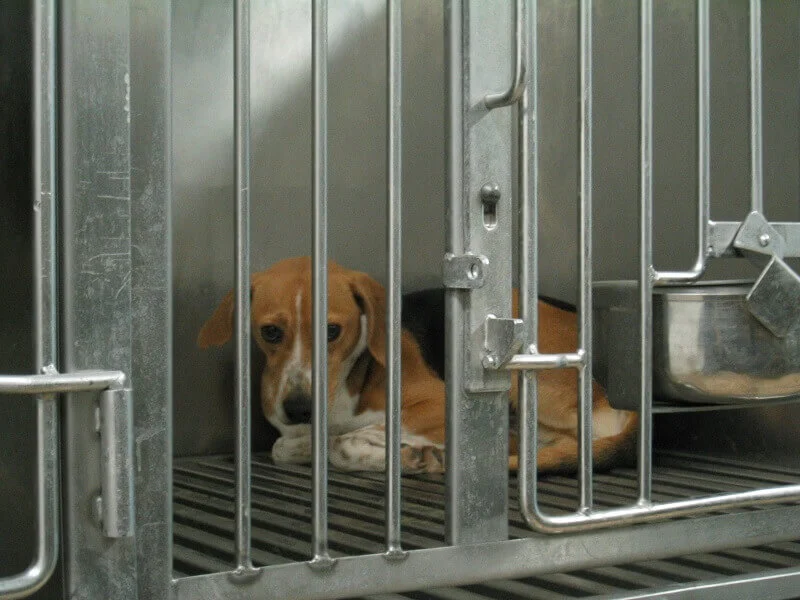
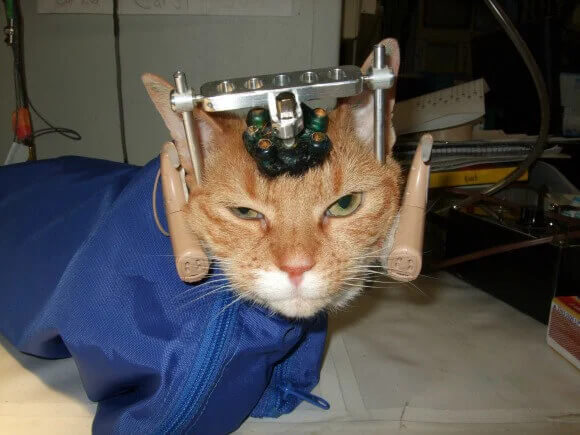
Every year, tens of thousands of domesticated animals—predominantly docile dogs and inquisitive cats—are subjected to invasive scientific testing inside United States research laboratories. These animals endure harrowing procedures, including being force-fed toxic substances, subjected to surgically induced diseases, and undergoing extensive physiological trauma before ultimately being euthanized for organ harvesting. For decades, this practice has remained a standard feature of biomedical and toxicological research funded by American taxpayers through federal health agencies. However, a significant legislative push aims to fundamentally alter this paradigm.
Bipartisan legislation introduced by U.S. Representatives Nick Langworthy (R-N.Y.-23) and Mark Pocan (D-Wis.-02) seeks to dismantle the regulatory and financial framework that supports animal experimentation on companion animals. Known as the Companion Animal Protection Against Cruel Testing (COMPACT) Act, the newly proposed bill targets federal funding streams administered by the Department of Health and Human Services (HHS). If enacted, the legislation would prohibit federal agencies, including the National Institutes of Health (NIH), from utilizing taxpayer dollars to finance, conduct, or support experimental procedures on dogs and cats.
The introduction of the COMPACT Act reflects a growing legislative and public interest in modernizing federal research protocols, shifting away from outdated animal models, and promoting the adoption of advanced, human-relevant non-animal testing methodologies.
Scale of Animal Testing in United States Laboratories
Data compiled by animal welfare advocates, regulatory agencies, and independent scientific watchdogs reveals the profound scale of companion animal use in contemporary research. Annually, more than 42,000 dogs are utilized in laboratories across the United States. Among these, Beagles are disproportionately represented due to a combination of genetic traits and temperament. Naturally docile, trusting, and manageable in laboratory settings, Beagles have long been the breed of choice for researchers conducting pharmaceutical testing, inhalation toxicity studies, and cardiovascular experiments.
Cats face a similarly grim reality, with approximately 12,000 felines subjected to laboratory environments each year. These animals are frequently used in neurological, ophthalmological, and pharmacological studies. Once inside research facilities, subjects are often surgically altered, subjected to chronic pain models, and exposed to hazardous chemical compounds. At the conclusion of these protocols, the vast majority of test subjects are killed, and their internal organs are harvested for further biochemical analysis.
Critics of these procedures argue that beyond the profound ethical concerns, animal models frequently fail to accurately predict human physiological responses due to fundamental biological differences between species. Consequently, a coalition of scientists, ethicists, and lawmakers has intensified calls for a transition toward sophisticated alternative testing methods, such as in vitro cell cultures, organ-on-a-chip technology, computer-based biological modeling, and human tissue-based assays.
Legislative Mechanics of the COMPACT Act
The COMPACT Act focuses specifically on the financial engine driving federal animal research: the Department of Health and Human Services. Under the proposed statutory framework, all HHS agencies—most notably the National Institutes of Health, which serves as the primary federal steward of biomedical and public health research—would be barred from allocating resources toward projects involving dogs and cats.
Specifically, the bill would instantly terminate:
- Federal research grants awarded to academic institutions, private corporations, and nonprofit laboratories.
- Direct contracts between federal agencies and external research contractors.
- Cooperative agreements involving joint federal and private research initiatives.
- Institutional fellowships, specialized training awards, and post-doctoral funding mechanisms that support experimentation on these specific species.
By cutting off the financial pipeline at the federal level, the legislation aims to render such experiments financially unsustainable for research institutions, effectively compelling them to pivot toward alternative, non-animal methodologies. The bill does not seek to halt medical research altogether; rather, it aims to redirect scientific inquiry toward methods that proponents argue are both more humane and scientifically rigorous.
Historical Context and Evolution of Animal Testing Regulations
The debate surrounding the use of animals in scientific research has a long and complex history in the United States. For over half a century, the primary federal statute governing the care, handling, and treatment of animals in research has been the Animal Welfare Act (AWA), originally enacted in 1966. While the AWA established minimum standards for housing, feeding, sanitation, and veterinary care for certain warm-blooded animals—including dogs and cats—critics have long argued that the statute contains sweeping exemptions for the actual pain and distress inflicted during experimental procedures.
Throughout the late 20th and early 21st centuries, mounting public pressure led to incremental reforms. Institutional Animal Care and Use Committees (IACUCs) were mandated within research facilities to review protocols and ensure that alternatives to animal use were considered whenever possible. However, animal protection organizations have consistently maintained that these internal review boards often function as rubber stamps for ongoing research rather than rigorous checks against unnecessary suffering.
In recent years, the legislative landscape has shown signs of shifting. A notable milestone occurred when Congress passed the FDA Modernization Act 2.0, which was signed into law. That legislation successfully removed a decades-old federal mandate requiring animal tests for new drug applications before human clinical trials could proceed, opening the door for regulatory acceptance of advanced alternative testing models. The introduction of the COMPACT Act represents the next logical step in this legislative evolution, targeting taxpayer-funded research budgets directly.
Perspectives from Lawmakers and Stakeholders
The bipartisan sponsorship of the COMPACT Act by Representatives Nick Langworthy and Mark Pocan underscores that opposition to cruel testing on dogs and cats transcends traditional partisan divides.
Supporters of the legislation emphasize both the fiscal responsibility of halting wasteful government spending and the moral imperative of protecting companion animals. In statements accompanying the bill’s introduction, proponents highlighted that millions of American taxpayers object to their hard-earned dollars being used to finance painful experiments on animals that are traditionally welcomed into homes as family pets.
Scientific and medical communities, however, remain divided on the pace and scope of legislative intervention in research protocols. While an increasing number of pharmacologists and toxicologists embrace human-cell-based models and computational simulations, some segments of the biomedical research establishment maintain that intact mammalian systems remain temporarily necessary for understanding complex systemic diseases, such as advanced neurological disorders and multi-organ immunological responses.
Nevertheless, institutional resistance is steadily encountering broader societal shifts. Major academic institutions and private pharmaceutical firms are increasingly investing in non-animal technologies, driven both by ethical considerations and the recognition that human-specific models often yield more reliable translational data for clinical drug development.
Broader Implications for Biomedical Research and Public Policy
If the COMPACT Act successfully navigates the legislative process and is enacted into law, its ripple effects would be felt across the entire American biomedical research ecosystem.
First, the legislation would necessitate a structural realignment of research priorities within the National Institutes of Health. Grant administrators and peer-review study sections would be required to evaluate proposed research projects through a strict compliance lens, ensuring zero utilization of canine and feline models. Laboratories currently reliant on federal funding for animal-based studies would face a critical choice: adapt their research paradigms to utilize non-animal alternatives or seek independent private-sector financing.
Second, the bill is expected to accelerate commercial investment and academic research into alternative testing technologies. By signaling a definitive federal pivot away from canine and feline experimentation, the legislation provides a powerful market incentive for biotechnology firms specializing in organoids, microfluidic systems, and artificial intelligence-driven predictive toxicology.
Finally, the COMPACT Act stands to reinforce shifting cultural norms regarding the moral status of animals. By legally distinguishing companion animals from traditional laboratory models, the legislation validates public sentiment that dogs and cats—animals deeply integrated into human social life—warrant heightened legal protections against institutionalized harm.
What Comes Next and Public Engagement
As the COMPACT Act moves through the preliminary stages of the congressional legislative process, its ultimate fate will depend heavily on sustained public advocacy and bipartisan negotiation within the House of Representatives and the Senate.
Animal welfare organizations and legislative sponsors are actively urging citizens to contact their respective members of Congress to voice support for the bill. Grassroots mobilization campaigns are emphasizing that public pressure is a vital catalyst for overcoming institutional inertia within federal research agencies.
For tens of thousands of Beagles and felines currently housed in research facilities across the nation, the enactment of the COMPACT Act could mean the difference between a lifetime of laboratory confinement and a future where federal research dollars are dedicated exclusively to modern, humane, and human-relevant scientific discovery.

