


The global state of avian biodiversity is currently at a precarious crossroads, with conservation organizations such as BirdLife International issuing urgent calls for public support as the pressures of habitat loss, climate change, and human encroachment intensify. While specific species have demonstrated remarkable resilience through intensive, multi-decade intervention, the broader picture remains one of systemic risk. The imperative to protect these species is not merely a matter of aesthetic or scientific concern; it is a vital indicator of ecosystem health upon which human agriculture, climate regulation, and biodiversity stability depend.
A History of Resilience: The Whooping Crane Recovery
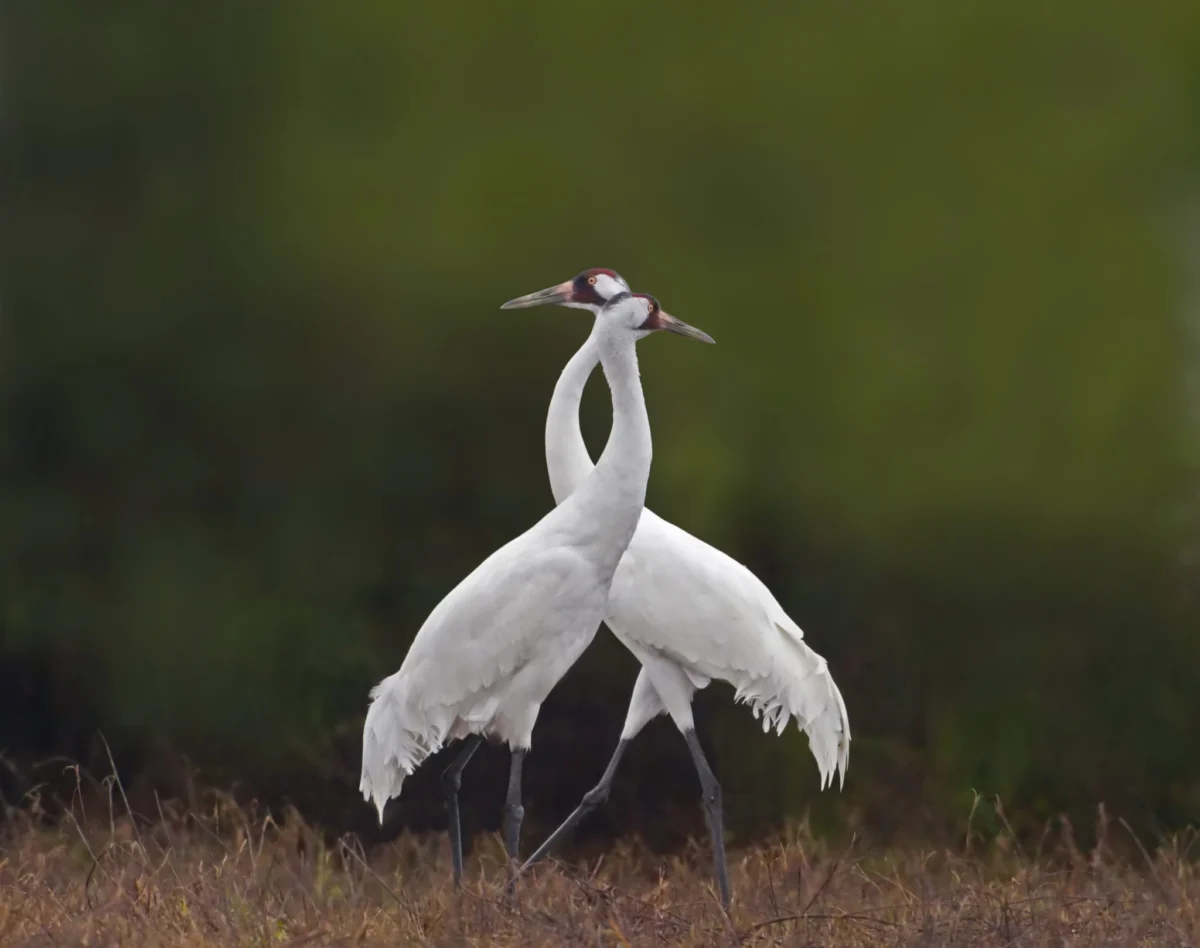
The Whooping Crane (Grus americana) serves as the definitive case study for the efficacy of dedicated conservation efforts. In 1941, the population of these iconic birds had plummeted to a catastrophic low of just 21 individuals in the wild. The collapse was driven by a trifecta of anthropogenic factors: unchecked hunting, the rapid conversion of wetlands into agricultural land, and general environmental disturbance that disrupted nesting cycles.
The subsequent recovery trajectory represents one of the most successful, albeit fragile, wildlife restoration programs in North American history. By implementing stringent legal protections under the Migratory Bird Treaty Act and engaging in active habitat restoration, conservationists managed to stabilize the population. Data from 2025 indicates the wild population has climbed to 557 individuals. While this represents a significant improvement from the brink of extinction, biologists emphasize that the species remains officially classified as endangered. The recovery remains vulnerable to disease outbreaks, such as avian influenza, and the long-term impact of climate change on the specific wetland ecosystems the cranes rely on for breeding and migration.
Community-Led Success: The Red-footed Falcon
In contrast to the solitary and widely dispersed breeding habits of the Whooping Crane, the Red-footed Falcon (Falco vespertinus) offers a different model for conservation success through social aggregation. Each spring, a staggering congregation of up to one million individuals gathers at a single, critical site in Angola.
Historically, this site became a focal point for illegal hunting and exploitation, which threatened to decimate a significant portion of the species’ global population. The turnaround for the Red-footed Falcon was not solely the result of government regulation, but rather the implementation of community-led conservation initiatives. By involving local stakeholders in monitoring, protection, and education, BirdLife and its partners transformed the falcon’s stopover point into a guarded sanctuary. This case highlights a critical shift in modern conservation: the movement away from top-down mandates toward localized stewardship. When local communities perceive the intrinsic value of migratory species—whether for ecotourism or ecosystem services—the likelihood of long-term survival increases exponentially.

Global Avian Trends and Scientific Context
The challenges faced by the Whooping Crane and the Red-footed Falcon are emblematic of a larger global crisis. According to the State of the World’s Birds report, approximately 48 percent of all extant bird species worldwide are undergoing population declines. This data suggests that the "success stories" of specific species are, at present, the exception rather than the rule.
The primary drivers of this decline are well-documented. Agricultural expansion accounts for the loss of nearly 70 percent of avian habitats globally. As human populations grow, the conversion of grasslands, forests, and wetlands into monoculture crop fields and urban developments continues to erode the "ecological corridors" required for migratory birds to travel thousands of miles between their wintering and breeding grounds.
Furthermore, climate change is altering the phenology of bird populations. Many species are finding that their traditional arrival times at breeding grounds no longer align with the peak availability of food sources, such as insects or budding plants. This "mismatch" leads to lower fledgling survival rates, creating a demographic bottleneck that is difficult for populations to overcome without supplemental support.
Timeline of Conservation Intervention
The history of organized avian protection has evolved from simple observation to sophisticated interventionist strategies. The following timeline outlines the maturation of these efforts:
- 1918–1940: Establishment of the Migratory Bird Treaty Act and the early formalization of national wildlife refuges.
- 1941: The nadir for the Whooping Crane; the creation of the Aransas National Wildlife Refuge begins to provide a secure wintering site.
- 1970s–1990s: The emergence of satellite telemetry and advanced genetic monitoring allows for precision conservation, enabling scientists to track migration routes with unprecedented accuracy.
- 2000s–2015: The rise of community-based conservation, focusing on the human-wildlife interface, particularly in the Global South.
- 2020–Present: The integration of "Big Data" and artificial intelligence to predict habitat loss and prioritize land acquisition for conservation.
The Economic and Ecological Stakes
The loss of bird species carries significant implications for human society. Birds serve as primary controllers of insect populations that would otherwise decimate food crops. They are essential pollinators for various plant species and act as crucial seed dispersers in forest ecosystems. The economic value of these "ecosystem services" is estimated to be in the trillions of dollars annually.
Beyond the financial metrics, there is an inherent moral and ethical component to the discourse. Scientists from leading ornithological institutions argue that the loss of biodiversity represents a permanent reduction in the biological library of the planet. Each species possesses a unique set of evolutionary traits—some of which have provided the basis for human medical and technological advancements.

Official Responses and Future Outlook
Conservation groups are currently calling for a "landscape-scale" approach to bird protection. This involves moving beyond the protection of individual species to the preservation of entire ecosystems. BirdLife International and similar organizations argue that focusing on "keystone" habitats, such as the wetlands in Angola or the migration corridors across North America, provides the highest return on investment for donor capital.
Official responses from intergovernmental bodies, such as the Convention on Biological Diversity (CBD), have increasingly focused on the "30×30" initiative, which seeks to protect 30 percent of the planet’s land and water by 2030. For birds, this goal is considered a minimum threshold for survival.
However, funding remains the primary obstacle. While public interest in nature conservation has increased, the gap between required funding and available resources is widening. Most conservation programs rely on a mix of government grants, private philanthropic donations, and corporate social responsibility funds. As the cost of implementing protective measures rises, the dependency on individual, small-scale donations has become more critical than ever.
Implications for the Public
For the average citizen, the opportunity to support these initiatives is no longer limited to passive observation. Modern conservation platforms offer mechanisms for individuals to track their impact, receive direct updates on specific project outcomes, and contribute to the scientific data collection process through "citizen science" applications.
The privacy and ethical standards surrounding these platforms have been tightened in recent years. Organizations are now emphasizing transparency in how donor data is handled, ensuring that personal information is protected while keeping contributors informed about the tangible results of their financial support.
As the world approaches the mid-century mark, the survival of species like the Whooping Crane and the Red-footed Falcon will serve as a bellwether for the success of human environmental policy. Whether these species continue their recovery or slide back into the decline depends on the sustained commitment of global stakeholders. The evidence suggests that while the threats are mounting, the mechanisms for protection—based on decades of trial, error, and scientific refinement—are more effective than at any point in the history of the conservation movement. The challenge remains one of scale and speed: acting fast enough to outpace the rapid degradation of the natural world.

