


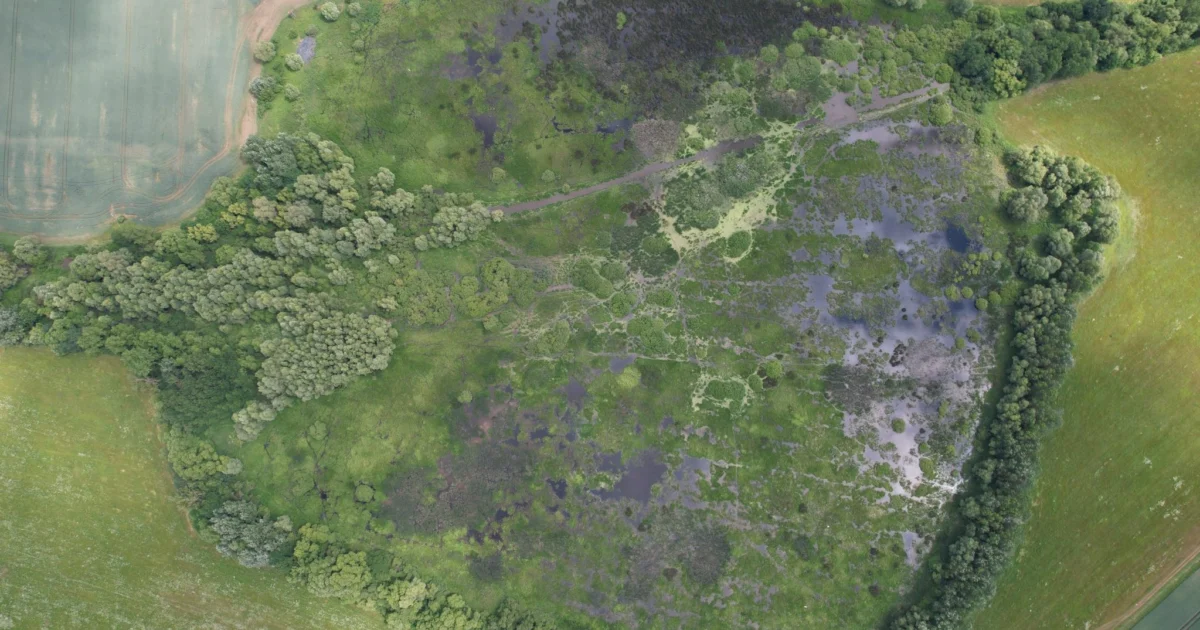
In southern Paraguay, the San Rafael landscape serves as a precarious sanctuary for one of the planet’s most endangered ecosystems, the Upper Paraná Atlantic Forest. This region, a designated Key Biodiversity Area (KBA), harbors 440 bird species, including seven found nowhere else on Earth. Yet, the existence of this forest is a triumph of persistence over overwhelming odds. For decades, the Atlantic Forest—once a sprawling, interconnected wilderness spanning parts of Paraguay, Brazil, and Argentina—has been systematically dismantled by industrial agriculture, cattle ranching, and infrastructure development. Today, San Rafael remains as one of the last major fragments, a 72,489-hectare bastion of biodiversity that is simultaneously a vital carbon sink and a critical water regulator for downstream communities. Despite its ecological significance, the reserve faces an existential crisis: it is underfunded, inconsistently enforced, and constantly encroached upon by illegal land-use changes.

A History of Fragility and Resilience
The vulnerability of San Rafael was laid bare in November 2020, when a series of wildfires of unprecedented magnitude decimated approximately 33,000 hectares, stripping away nearly 45% of the reserve. The fire, which drew international attention, highlighted the fragility of protected areas that lack adequate resources for fire management and rapid response. While the forest shows nascent signs of natural recovery, ecological experts project that full restoration of the biodiversity lost in those flames could take between 20 and 30 years.
The threat is not merely environmental; it is economic. Illegal agricultural conversion continues to claim approximately 800 hectares of forest per year within the vicinity. This creates a race against time: the speed at which a forest is cleared for soy or cattle is significantly faster than the pace at which a forest can regenerate. Consequently, the traditional model of conservation—relying on periodic philanthropic grants—has struggled to keep pace with the rapid, market-driven destruction of the landscape.

The Emergence of the Tangará Model
Recognizing that ecological protection requires more than temporary funding cycles, the organization Guyra Paraguay launched Tangará in 2021. Tangará functions as a social enterprise, designed not to replace philanthropy, but to provide a stable, self-sustaining financial foundation for the long-term stewardship of the San Rafael reserves. The enterprise seeks to generate at least 30 percent of the maintenance costs for the reserve network through commercial activities that depend on the forest remaining intact.
The core philosophy of Tangará is that the forest is an economic engine in its own right. By shifting the perspective from "forest as a barrier to development" to "forest as a provider of high-value commodities," the project creates a direct financial incentive for local communities to maintain the tree canopy. Tangará currently centers its operations on four distinct revenue streams: shade-grown organic yerba mate, honey production, petitgrain essential oil, and low-impact ecotourism.

Operational Success and Market Integration
The most significant success story for Tangará to date is its yerba mate production. To date, the project has managed the processing and export of over 110,000 kilograms of shade-grown, certified organic, and Fair for Life yerba mate to markets in the United States. This success provides a blueprint for how sustainable products can bypass the destructive "slash-and-burn" cycle.
Furthermore, the initiative has successfully tapped into international supply chains. Petitgrain essential oil, a byproduct of the bitter orange tree native to the region, has been supplied to the UK-based cosmetics company Lush. This partnership provides a consistent market for over 50 local producers. Meanwhile, ecotourism is beginning to gain momentum, with the Kangüery Biological Station serving as a hub for visitors interested in the unique biodiversity of the Upper Paraná region.

However, the path to commercial viability is uneven. While yerba mate has reached industrial scale, other sectors, such as honey production, remain in nascent stages, with approximately 60 kilograms commercialized thus far. This variance is not viewed as a failure, but rather as an honest reflection of the complexities involved in building diverse supply chains. The initiative’s strategy of "stacking" revenue streams ensures that the project is not beholden to the volatility of any single commodity, thereby building systemic resilience.
Institutional Support and Structural Challenges
The development of Tangará has been bolstered by the Forest Impact Accelerator, a program led by BirdLife International. The Accelerator provides the technical expertise necessary to bridge the gap between biodiversity science and market logistics. Initial seed funding from the Hempel Foundation was instrumental in absorbing the high risks associated with the project’s launch. Subsequent grants from the Darwin Initiative and the Jensen Foundation have allowed for the exploration of more complex financial instruments, including carbon finance opportunities related to Afforestation, Reforestation, and Revegetation (ARR).

Yet, for the organizations involved, the transition to this hybrid model has been a steep learning curve. Ana Barriga, Forest Program Coordinator for BirdLife International Americas, notes that "conservation alone is not enough." The process has required conservationists to acquire skills in logistics, product certification, market analysis, and governance—disciplines traditionally outside the scope of biodiversity science. This evolution represents a fundamental shift in how NGOs operate: they are no longer just land managers; they are now active participants in the local economy.
Broader Implications for Global Conservation
The global biodiversity financing gap is currently estimated to be between $598 billion and $824 billion annually, with current expenditures covering only roughly 20% of the required total. In this context, Tangará serves as a critical pilot study for the "Forest Impact" philosophy. By demonstrating that 132 families across eleven communities and two indigenous groups can derive a livelihood from sustainable forestry, the project provides a tangible counter-argument to the necessity of deforestation.

The implications for international policy are significant. If conservation organizations can successfully bridge the gap between ecological protection and sustainable economic development, they become more attractive partners for impact investors. Rodrigo Zárate of Guyra Paraguay has articulated a vision where these enterprises move beyond simple trade and eventually utilize financial instruments like debt to scale operations. The long-term goal is for conservation organizations to evolve into institutions that demonstrate financial maturity, making them viable partners for capital markets that are increasingly focused on environmental, social, and governance (ESG) criteria.
The Role of Philanthropy in a Market-Driven Era
Despite the pivot toward commercial revenue, the project organizers emphasize that philanthropy remains indispensable. Markets cannot always account for the public goods provided by a forest, such as carbon sequestration and water cycle regulation. Philanthropy serves the role of the "risk-absorber," funding the initial research and development phases that allow sustainable business models to eventually reach maturity.

Casper Thulstrup of the Hempel Foundation notes that the potential of initiatives like Tangará lies in their ability to foster new forms of resilience. By creating a system where local livelihoods, biodiversity protection, and sustainable market production reinforce one another, the project reduces the reliance on the volatile "grant-to-grant" existence that has historically hampered conservation efforts.
Looking Toward a Sustainable Future
As of late 2025, the San Rafael landscape remains an active, albeit threatened, laboratory for this hybrid conservation model. The project aims to expand its impact to reach 250 families in the coming years. Success will depend on several variables: the continued commitment of international buyers, the ability of local producers to maintain high-quality standards, and the political will of the Paraguayan government to secure the legal protections of the reserve.

The Forest Impact Accelerator’s broader success is evidenced by its impact on 1 million hectares of land and the involvement of 38,000 people globally. With the recent award of a £4.9 million Darwin Initiative Extra grant, the methodologies pioneered by Tangará are set to be scaled and replicated across other critical biomes.
In the final analysis, the Tangará project does not offer a panacea for the global biodiversity crisis. It does, however, provide a pragmatic framework for how to keep forests standing in an era of intense economic pressure. It challenges the binary view that pits nature against development, proposing instead that the future of the Atlantic Forest—and indeed many of the world’s most threatened landscapes—depends on an integrated system where commerce and conservation are not just compatible, but mutually dependent. In the words of those on the ground in San Rafael, the forest is no longer just a backdrop; it has become the foundation upon which the future of the local economy is being built. As long as that foundation holds, the biodiversity of San Rafael, and the communities that call it home, have a fighting chance at endurance.

