


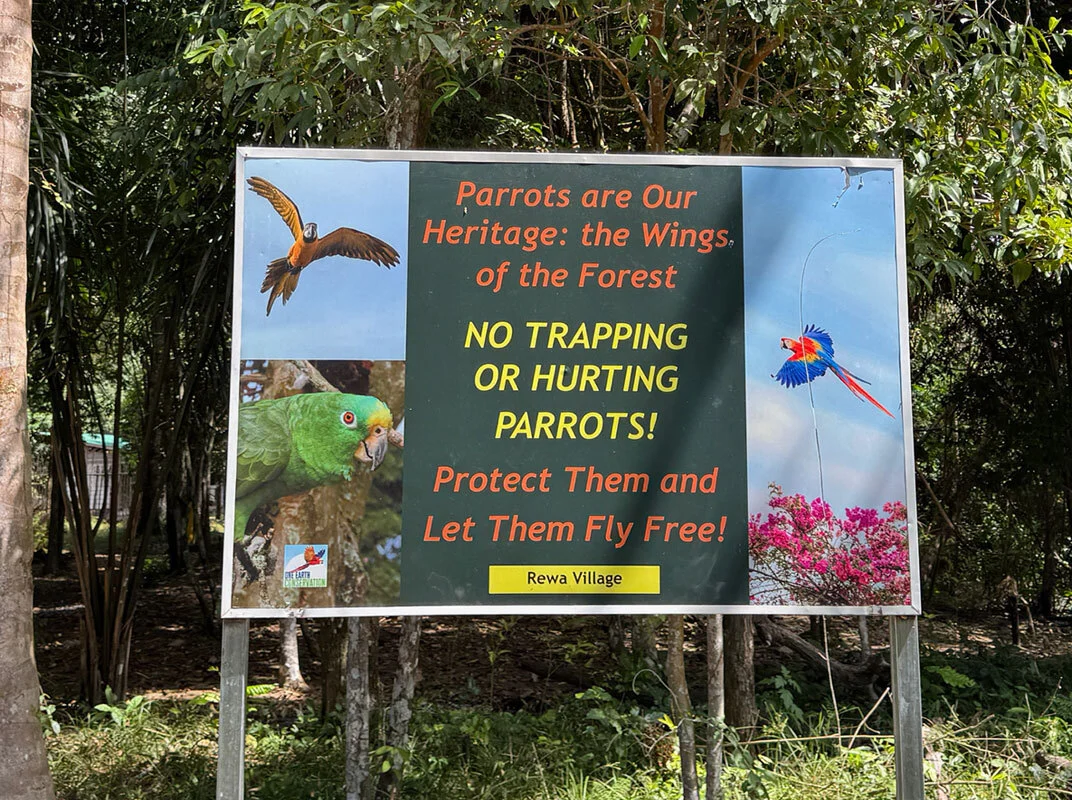
The sovereign nation of Guyana, nestled between Venezuela, Brazil, and Suriname, currently stands as one of the last bastions of pristine, untouched forest in South America. While the nation’s interior remains a vibrant tapestry of biodiversity, it faces an accelerating crossroads between the preservation of its ecological integrity and the pressures of modern industrial development. Recent reports from the field, following a Phoenix Landing expedition, highlight a burgeoning, community-driven conservation model centered in the remote village of Rewa, which offers a blueprint for wildlife protection in the face of regional economic shifts.
The Ecological Significance of the Guyanese Interior
Guyana is unique among its neighbors as the only English-speaking country on the South American continent. This geographic and linguistic isolation has, until recently, shielded much of its interior from the rapid, large-scale deforestation observed elsewhere in the Amazon basin. However, the discovery of significant oil and gold deposits has altered the geopolitical and economic landscape, introducing new threats from mining, logging, and infrastructure expansion.
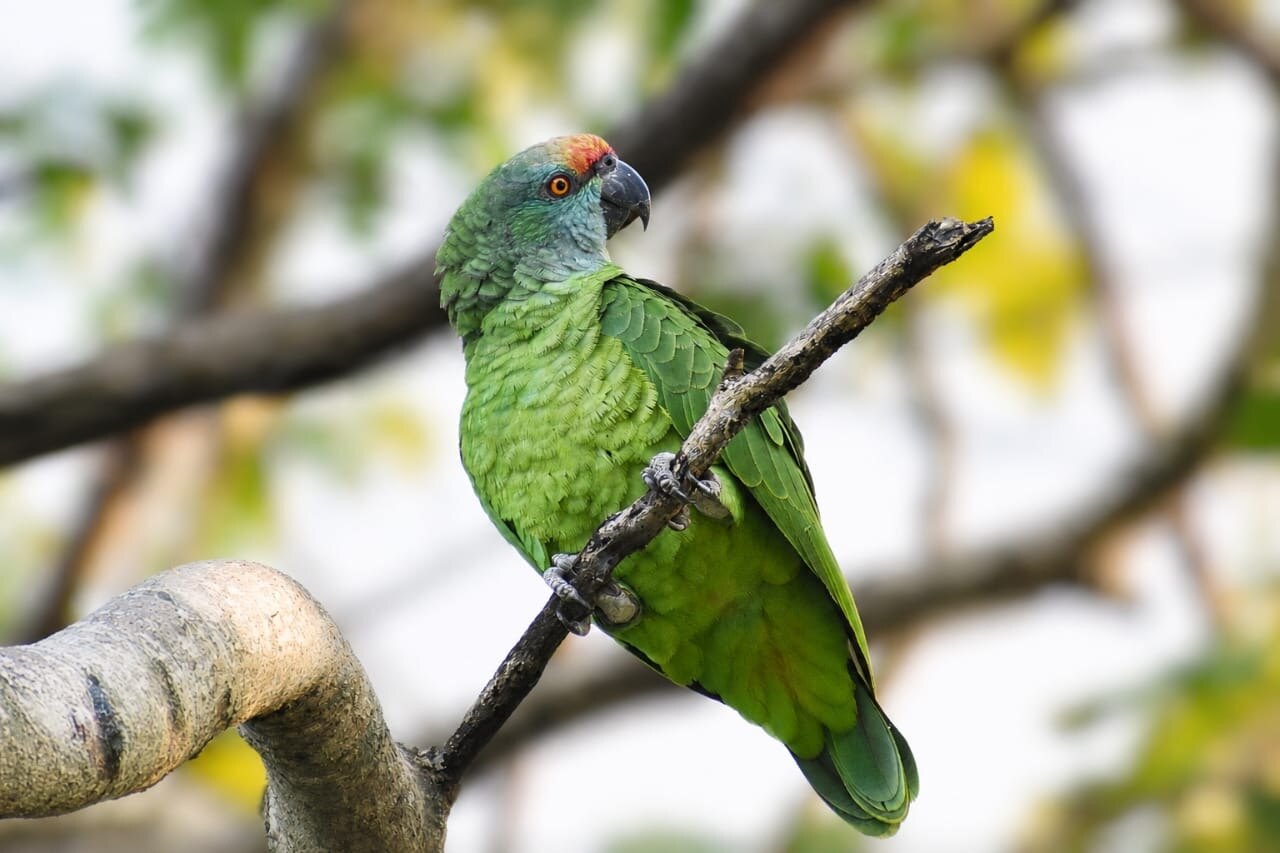
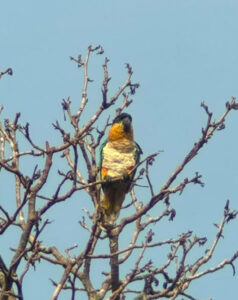
For ornithologists and conservationists, the stakes are exceptionally high. Guyana serves as a critical habitat for 29 distinct species of parrots, many of which are under pressure from legal trapping, which remains permitted under current national regulations. The Phoenix Landing ecotour provided a firsthand look at this delicate balance, documenting a wide array of psittacines including the Red-Fan (Hawk-headed) parrot, Festive, Yellow-crowned, and Orange-winged Amazons, Black-headed Caiques, and both Scarlet and Green-winged Macaws. These species, often elusive and sensitive to climate fluctuations, require expansive, undisturbed territories to survive—a requirement that is increasingly difficult to satisfy as the human footprint expands.
The Rewa Village Paradigm: A Chronology of Success
The conservation strategy employed by the indigenous community of Rewa village, located along the Rupununi River, has emerged as a beacon of effective grassroots activism. The trajectory of this initiative can be traced back to the 1990s, when the village leadership made the unprecedented, voluntary decision to ban the trapping of parrots within their ancestral lands. This move, which predated many formal international conservation frameworks, was rooted in a deep-seated cultural reverence for the forest.
In 2018, the initiative shifted from a passive policy to a rigorous scientific endeavor. Partnering with the Rewa Ecolodge and the organization One Earth Conservation, the community launched a systematic monitoring project. Given the dense canopy and the lack of traditional trails, the project adopted an innovative river-based transect methodology. By traveling along the waterways, researchers were able to establish reliable, longitudinal data on population densities—a method that has since been adopted as a gold-standard protocol in other regions of the Amazon.
The data gathered over the last six years is compelling. Initial assessments recorded 20 of the country’s 29 parrot species within the territory. By the end of 2023, that number had increased to 22. This growth is widely attributed to the cessation of trapping and the implementation of habitat preservation measures, which allow species to thrive in their natural nesting environments without the stress of constant human interference.
Indigenous Knowledge and Scientific Rigor
The success of the Rewa project is heavily reliant on the integration of traditional ecological knowledge (TEK) with modern conservation science. Guides such as Ron Allicock, a member of the indigenous Machusi lineage, exemplify this synthesis. Allicock’s family has been involved in regional conservation since his grandfather pioneered early wildlife protection efforts in the 1990s.
This deep, ancestral connection to the land provides an observational depth that standard scientific surveys often lack. It is a perspective that recognizes the interconnectedness of all species—from the apex predators like caimans to the small mammals and birds that populate the riparian zones. This holistic view of the ecosystem is what allows for the sustainability of the Rewa model; it is not merely a set of rules imposed from the outside, but a way of life that acknowledges that the health of the human community is inextricably linked to the vitality of the local wildlife.
The Broader Impact and Future Implications
The implications of the Rewa model extend far beyond the borders of a single village. The leadership of Rewa is currently engaged in outreach programs, working with the local Wildlife Club to share their "No Trapping" success stories with neighboring communities. The goal is to create a contiguous network of protected areas, a vital strategy for long-term biodiversity survival in a region that is increasingly attractive to extractive industries.
Furthermore, the expansion of the local ecotourism sector—specifically the development of artisan trade and hospitality infrastructure—provides a viable economic alternative to the short-term gains offered by poaching or mining. By demonstrating that live, wild birds are more valuable to the local economy through ecotourism than they are as trade commodities, the community is building a self-sustaining financial framework that incentivizes long-term conservation.
Scaling the Initiative: The Parrot Conservation Corps
To further solidify these gains, One Earth Conservation has announced the launch of a local chapter of the International Parrot Conservation Corps (PCC) in Georgetown. This effort aims to bridge the gap between rural indigenous protection and urban environmental policy. By recruiting participants from the capital, the program seeks to build a national network of advocates capable of influencing policy and managing small-scale conservation projects across the country.
The first cohort of 15 participants is set to begin specialized training in the coming year. Their objectives include data collection, community education, and policy advocacy. The launch of this program is supported by international partners, including a recent donation from Lafeber, which has earmarked funds specifically for the advancement of the Rewa monitoring project and the training of the new PCC recruits.
Analysis: Challenges and Potential
While the progress in Rewa is undeniable, the challenges facing Guyana’s parrots remain formidable. The primary risk is the "development trap"—the reliance on finite resources like oil and gold that can lead to rapid environmental degradation before sustainable ecotourism infrastructure can be fully established.
For the model to succeed on a national scale, it will require a combination of three factors:

- Legal Reform: Strengthening national protections to mirror the "No Trapping" policies already implemented by progressive communities like Rewa.
- Economic Diversification: Scaling up the ecotourism infrastructure to ensure that communities in remote areas have consistent, non-extractive income streams.
- Scientific Monitoring: Maintaining the long-term, river-based data collection to ensure that conservation policies remain evidence-based and responsive to shifts in population health.
The story of Guyana’s parrots is, at its heart, a story about human choice. By prioritizing the long-term health of the rainforest over the fleeting rewards of exploitation, the people of the Rupununi region are proving that conservation is most effective when it is led by those who live closest to the land. As the global community looks toward the Amazon for solutions to the biodiversity crisis, the methods pioneered in the small, quiet corners of Guyana may well offer the most viable path forward. The continued success of these programs will depend on the ability of local leaders to scale their initiatives while maintaining the authentic, nature-aligned practices that have allowed their region to remain a sanctuary for the world’s most vibrant parrot species.

