


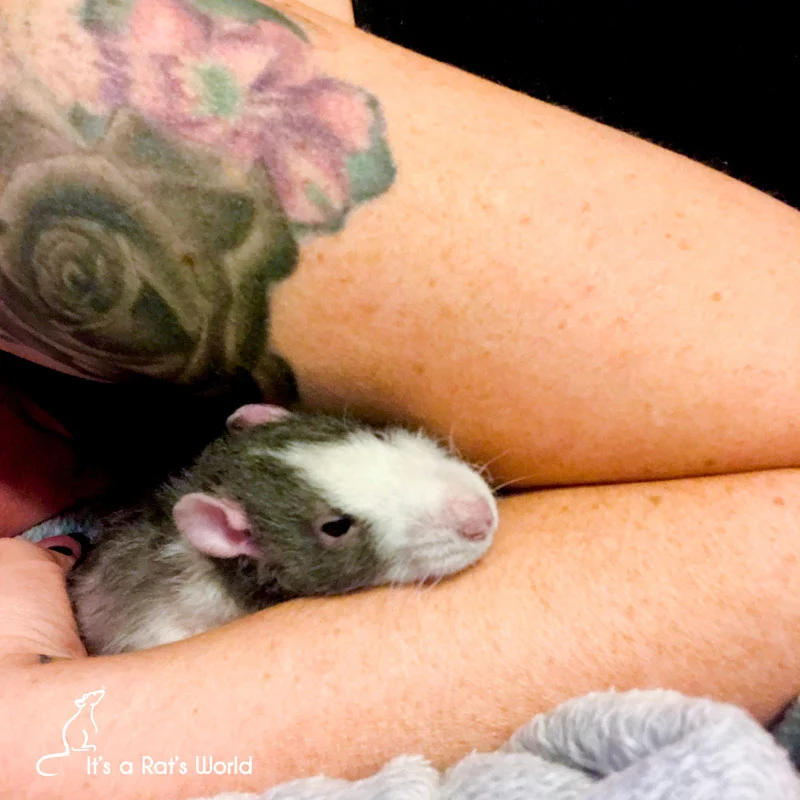
The domestication of Rattus norvegicus domestica has evolved significantly over the past century, transforming the species from laboratory subjects and pest-control assets into widely recognized companion animals. As of 2024, the domestic rat is one of the most popular small mammals in the pet industry, prized for its high cognitive capacity, social intelligence, and propensity for complex emotional expression. However, prospective and current owners often report difficulties in establishing a profound interpersonal connection with their pets. Understanding the distinction between trust-building and emotional bonding is essential for the welfare of these animals and the long-term success of the human-rat relationship.
The Ethology of the Human-Rat Relationship
Biological studies suggest that rats possess advanced social structures. In the wild, they are gregarious, living in hierarchical colonies characterized by cooperation and complex communication. When transitioned into a domestic environment, these social behaviors are redirected toward human caregivers. Research published in the journal Science has highlighted that rats exhibit empathy-driven behavior, sometimes choosing to rescue a trapped companion over consuming a preferred food treat. This innate capacity for empathy serves as the biological foundation for the human-rat bond.

Despite this, the transition from being viewed as a potential predator to a trusted companion requires a systematic approach. The process typically begins with environmental acclimation. Experts in exotic animal behavior note that a rat’s initial response to a new human is governed by its "flight or fight" mechanism. Because rats are prey animals, their default instinct is to retreat when faced with perceived threats. The development of a secure attachment requires the caregiver to mitigate these evolutionary stressors through a structured, multi-phase interaction plan.
A Chronology of Trust: From Acclimation to Attachment
Building a relationship with a domestic rat is rarely instantaneous. It follows a predictable, albeit variable, timeline:
- Phase I: The Acclimation Period (Days 1–14): During this initial stage, the rat is primarily focused on environmental safety. The animal learns the scents, sounds, and rhythms of its new habitat. Experts recommend minimal, low-stress interactions during this window.
- Phase II: Trust Foundation (Weeks 3–8): This period is defined by the establishment of the caregiver as a non-threatening entity. The introduction of hand-feeding and consistent verbal communication occurs here. The goal is to move the rat from fear to curiosity.
- Phase III: Active Bonding (Months 2–6): Once trust is established, the relationship moves into an active phase. This includes out-of-cage exploration, grooming rituals, and physical contact.
- Phase IV: Deepened Attachment (Ongoing): The final phase is characterized by mutual affection, where the rat actively seeks out the caregiver for comfort and companionship.
Supporting Data on Animal-Human Interaction
Data from the Human Animal Bond Research Institute (HABRI) indicates that regular, positive interactions with small mammals can significantly reduce cortisol levels in both the human and the animal. For the rat, which is highly susceptible to respiratory stress, the presence of a calm, consistent human caregiver acts as an environmental buffer.

Furthermore, behavioral assessments show that rats possess "personality types" that influence the speed of the bonding process. Extroverted, or "bold," rats—defined by their willingness to explore new objects—tend to reach the bonding phase 40% faster than "shy" or "neophobic" rats. However, the depth of the bond formed with a fearful, eventually trusting rat is often reported by owners to be more profound, as it represents a hard-won victory over the animal’s survival instincts.
Strategies for Effective Engagement
Successful bonding requires an intentional application of environmental and behavioral stimuli. The most effective methods include:
- Olfactory Familiarization: Rats rely heavily on their sense of smell. Allowing a rat to scent-mark the caregiver by permitting them to climb on the owner’s clothing helps the rat incorporate the human into their "colony" identity.
- The "Bringer-of-Food" Paradigm: Positive reinforcement is the cornerstone of rat training. By consistently providing high-value treats (such as peas or small portions of cooked protein) during interactions, owners can condition the rat to associate the human’s presence with reward-based dopamine release.
- Tactile Desensitization: Gradual physical contact, starting with light stroking near the ears and neck, mimics natural grooming behaviors within a rat pack. This fosters a sense of security and belonging.
Addressing Behavioral Barriers
Not every rat will display the same level of affection, and owners must remain cognizant of the animal’s boundaries. A common error in animal husbandry is the forced interaction, where an owner pulls a rat from its hiding spot. This action can induce significant anxiety and delay the bonding process by weeks or even months.

Professional behaviorists suggest the "Honoring Personal Space" protocol. If a rat retreats to its hammock or burrow, the caregiver should respect that choice. Providing "hideaways" or "bonding pouches"—small fabric enclosures that allow the rat to feel protected while still being physically near the human—serves as a bridge between the security of the cage and the intimacy of physical handling.
The Broader Implications of Animal Companionship
The implications of forming a deep bond with a domestic rat extend beyond the individual owner-pet relationship. For many, these animals provide a unique form of emotional support. Given the relatively short lifespan of a rat (typically 24 to 36 months), the relationship is intense and condensed. This brevity requires owners to maximize the quality of time spent together, often leading to a more focused and intentional level of care than one might provide to a longer-lived animal.
From a public health perspective, the rise in popularity of rats as companion animals has necessitated better educational resources for potential owners. Veterinarians specializing in exotic species have observed that owners who invest time in bonding are significantly more likely to detect early signs of illness, such as changes in grooming habits, appetite, or lethargy. Thus, the bond is not merely an emotional luxury; it is a critical component of preventative medical care.

Conclusion: A Lasting Legacy
Ultimately, the success of the human-rat bond is predicated on patience and consistency. While social media often depicts rats as inherently cuddly and outgoing, the reality is that each individual animal possesses a distinct temperament shaped by genetics, early life experiences, and environmental factors.
Owners who approach the process with a focus on empathy rather than expectation are the most likely to succeed. Whether a rat becomes a constant companion that rests in the crook of an arm or a cautious observer that expresses affection through proximity and trust, the endeavor remains a highly rewarding pursuit. The legacy of these relationships is found in the shared history of the pair, a testament to the fact that even the smallest creatures are capable of forming complex, enduring attachments with their human counterparts.

