


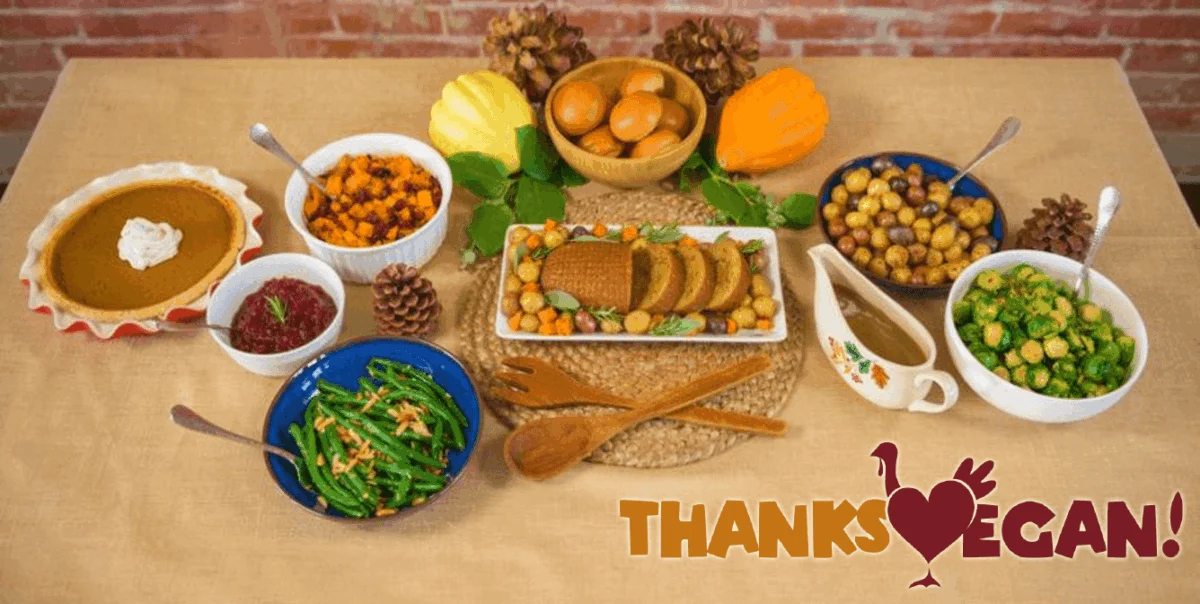
As communities across Canada prepare for Thanksgiving on October 12, 2026, a growing segment of the population is redefining the traditional holiday meal. Spearheaded by animal rights organizations like PETA alongside a robust network of digital culinary creators, the movement known as "ThanksVegan" has gained significant traction. This modern celebration reimagines the classic autumn feast—traditionally centered around a roasted turkey—as a completely plant-based culinary experience featuring savory mock meats, rich gravies, root vegetable sides, and cruelty-free desserts. Far from a marginal trend, the shift toward plant-based holidays reflects broader changes in Canadian consumer habits, environmental consciousness, and culinary innovation.
The Evolution of Canadian Thanksgiving and Plant-Based Diets
The Canadian Thanksgiving holiday, officially celebrated on the second Monday of October, traces its roots back to early European harvest celebrations, eventually becoming a national statutory holiday in 1957. For generations, the centerpiece of the table has remained consistent: a stuffed roasted bird accompanied by dairy-heavy side dishes. However, dietary habits in Canada have undergone a structural transformation over the past two decades.
According to various market research reports, the percentage of Canadians identifying as vegetarian, vegan, or actively reducing their meat consumption has risen steadily. Driven by concerns regarding animal welfare, the carbon footprint of industrial livestock farming, and personal health outcomes, consumers are increasingly seeking alternatives. The introduction of ThanksVegan serves as a cultural bridge, allowing individuals to maintain the warmth, community, and culinary indulgence of the traditional holiday while aligning their meals with ethical and environmental values.
Culinary Innovation: Crafting a Cruelty-Free Feast
Adapting traditional comfort food to fit a vegan diet no longer requires sacrificing flavor or texture. Culinary resources and grocery supply chains have evolved to support complex holiday cooking as well as quick, accessible meal preparation.
Modern plant-based Thanksgiving menus frequently feature sophisticated protein centerpieces, such as homemade seitan roasts or savory mock meatloaves made from lentils, mushrooms, and walnuts. Staples like mashed potatoes and stuffing are easily adapted using plant-based butters, vegetable broths, and rich, umami-forward mushroom gravies. Furthermore, seasonal produce takes center stage through dishes such as maple-sriracha roasted Brussels sprouts with cranberry wild rice, and classic three-step vegan pumpkin pies utilizing dairy-free milks and traditional autumn spices.
Grocery Accessibility Across Canadian Markets
A primary barrier to plant-based holiday adoption in the past was the availability of specialized ingredients. Today, major Canadian grocery chains stock an extensive array of vegan alternatives, ranging from pre-made holiday roasts to artisan plant-based cheeses, nondairy milks, and specialty butters.

National retailers and regional supermarkets alike have expanded their plant-based aisles to accommodate the seasonal demand. This retail shift ensures that consumers in both urban centers and rural communities can readily source the components needed for a comprehensive vegan feast. Organizations like PETA publish dedicated grocery guides to assist shoppers in navigating Canadian supermarket inventories, streamlining the preparation process for both veteran vegans and first-time hosts.
The Influence of Digital Creators and Culinary Educators
The proliferation of digital food culture has played a pivotal role in popularizing plant-based holiday cooking. Canadian vegan influencers and chefs have established comprehensive video libraries, step-by-step recipe indices, and social media tutorials designed to demystify holiday meal preparation.
Prominent digital personalities have introduced diverse culinary approaches to the autumn table:
- Rose of Cheap Lazy Vegan focuses on budget-friendly, accessible recipes tailored for individuals with minimal cooking experience, incorporating traditional comfort foods and global flavors.
- Candice Hutchings of The Edgy Veg specializes in elevated, crowd-pleasing comfort food classics designed to impress traditional meat-eaters at large gatherings.
- Lauren Toyota of Hot for Food delivers restaurant-quality vegan comfort dishes, including intricate holiday roasts that serve as visual and culinary centerpieces.
- Sam Turnbull of It Doesn’t Taste Like Chicken caters to time-constrained hosts with efficient guides, such as executing a full Thanksgiving dinner within an hour.
- Derek Simnett of Simnett Nutrition emphasizes whole-food, nutrient-dense ingredients, offering wholesome plant-based side dishes to elevate the nutritional profile of the holiday spread.
- Wil Yeung of Yeung Man Cooking introduces refined, soothing starters, such as vegan butternut squash soup, highlighting rich seasonal flavors.
These creators collectively demonstrate that plant-based cuisine is versatile, capable of satisfying diverse palates, and adaptable to various time constraints and skill levels.
Broader Implications and Environmental Context
The mainstreaming of initiatives like ThanksVegan carries implications that extend beyond individual dinner tables. Livestock production is a significant contributor to global greenhouse gas emissions, land use depletion, and water consumption. Public health initiatives and environmental advocacy groups increasingly point to dietary shifts as a practical mechanism for reducing individual and collective carbon footprints.
By replacing animal-derived centerpieces with plant-based alternatives during major cultural holidays, households can achieve a measurable reduction in their dietary environmental impact. Furthermore, the normalization of vegan holiday options fosters greater inclusivity at family gatherings, ensuring that guests with dietary restrictions or ethical commitments can fully participate in communal meals without feeling marginalized.
As October 12 approaches, public interest in vegan starter kits, holiday guides, and recipe archives underscores a sustained appetite for alternative celebration models. Whether driven by ethical convictions, environmental stewardship, or simply a desire for culinary exploration, Canadians participating in ThanksVegan are contributing to a redefining of traditional holiday customs for the twenty-first century.

