


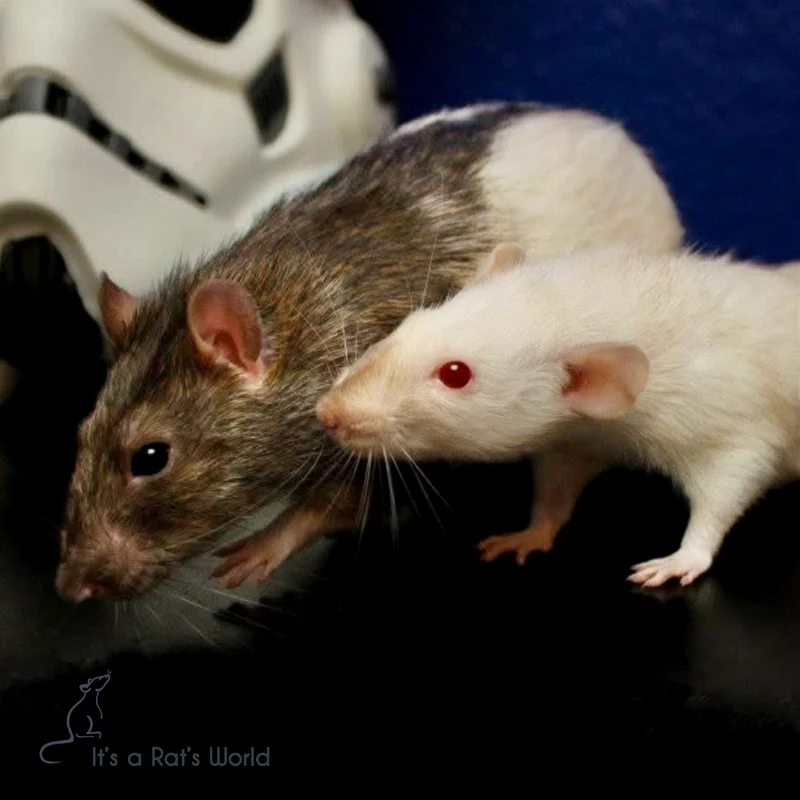
Prospective pet owners often face a fundamental decision when selecting domestic rats: whether to adopt males or females. While both genders are frequently cited by experts as highly social, intelligent, and affectionate companions, distinct biological, behavioral, and medical profiles exist that warrant careful consideration. Understanding these differences is essential for potential owners, as the specific needs of each sex can dictate the long-term success of the pet-owner bond and the overall welfare of the animals.
Biological and Physical Characteristics
The most immediate distinction between male and female domestic rats (Rattus norvegicus) is physical stature. Generally, males are larger and heavier than their female counterparts. Adult males typically weigh between 450 and 650 grams, measuring 10 to 12 inches in body length, excluding the tail. Females are typically more compact, weighing between 350 and 450 grams and measuring 9 to 10 inches. While exceptions occur based on genetics and diet, these size ranges are standard within the species.

Beyond size, fur texture often serves as a secondary identifier. Intact males produce a sebaceous secretion commonly referred to as "buck grease," an orangish-yellow oil that coats the coat. This oil is a natural byproduct of hormonal activity and can lead to a coarser fur texture compared to the generally softer, cleaner coat of the female. In some cases, high levels of buck grease may require human intervention, such as gentle grooming with unscented wipes, to prevent skin irritation. Neutering typically reduces the production of these secretions, often resulting in a noticeable improvement in the quality and texture of a male’s coat.
Sensory Profiles and Olfactory Differences
The olfactory characteristics of domestic rats are distinct enough to be discernible by human owners. Research into mammalian pheromones and glandular secretions suggests that male and female rats emit different scents. Females are frequently described as possessing a light, floral, or even grape-like aroma. Conversely, intact males often emit a more potent, musky scent, frequently likened to warm corn or toasted grain.
This scent profile is largely linked to the male’s hormonal status. When a male rat is neutered, his scent profile often shifts to mirror that of the female, losing much of the musky intensity. Owners who maintain both genders often note that the "marination" of bedding with urine—a common territorial behavior—contributes significantly to the scent of a cage. While both sexes exhibit marking behavior, it is statistically more prevalent in intact males, who use scent to define their territory and communicate with other members of their social group.
Behavioral Maturation and Social Dynamics
The timeline of a rat’s life is marked by significant behavioral shifts, particularly during the transition from infancy to social maturity. While physical puberty occurs between six and eight weeks of age, social maturity—the period where complex dominance hierarchies are established—typically peaks between six and nine months.
During this window, some male rats may exhibit increased aggression, territoriality, or irritability. This "adolescent" phase can manifest as redirected aggression toward cagemates or, less commonly, toward human handlers. Veterinary professionals often observe that while most rats remain docile, the potential for hormonal-driven volatility is higher in males during this developmental stage. In contrast, female rats may exhibit cyclical behavioral changes associated with their estrous cycle, which recurs every four to five days. These behaviors can include increased activity levels, restlessness, or agitation.
Social integration is another area where gender plays a role. Introducing new members to an established group is a standard procedure in rat husbandry. Data from long-term owners and rescue organizations suggest that female-to-female introductions tend to be less volatile than male-to-male introductions. The inherent territorial nature of some males often necessitates a more gradual, closely monitored introduction process. In cases of persistent aggression that threatens the safety of the colony, castration is often recommended by veterinarians as a primary behavioral intervention.

Medical Implications and Reproductive Health
The medical profiles of male and female rats differ significantly, primarily due to hormonal influence on tumor development. Female rats have a well-documented susceptibility to mammary tumors, which are frequently linked to estrogen levels. Early spaying—ideally between three and four months of age—is considered a primary preventative measure. By reducing the exposure to reproductive hormones, owners can significantly decrease the statistical likelihood of both mammary and uterine pathologies later in life.
Males, while less prone to mammary tumors, face their own specific medical risks, such as the development of vesical proteinaceous plugs in elderly or mobility-impaired individuals. Furthermore, while testicular cancer is rare, castration can eliminate the risk entirely and provide the added benefit of curbing hormonal-driven behavioral issues.
For households housing both sexes, the imperative for sterilization cannot be overstated. A female rat can reach sexual maturity as early as five weeks of age, and gestation periods are remarkably brief, typically lasting only 21 to 23 days. Given that a single litter can produce between 8 and 18 offspring, the potential for an unplanned population explosion is significant. Consequently, responsible pet ownership requires either strict gender segregation or the surgical sterilization of one or both sexes.

Strategic Considerations for Prospective Owners
When evaluating whether to adopt males or females, owners should prioritize their ability to provide for the specific needs of each. Females, often described as more high-energy and inquisitive, may thrive in environments with ample climbing structures and enrichment. Males, which tend to become more sedentary as they age, may be better suited for owners who prioritize "lap time" and lower-intensity interaction.
However, these are generalizations; individual personality remains the most significant variable. Many owners report that temperament is influenced as much by early socialization and genetics as it is by sex. The decision should not be based solely on preconceived notions of "laziness" versus "activity" but rather on a holistic view of the animal’s needs.
Conclusion and Expert Consensus
The consensus among animal welfare experts is that both male and female rats are capable of forming deep, lasting bonds with their owners. There is no objective "better" choice; rather, there are different sets of responsibilities. Prospective owners must weigh the higher incidence of reproductive-related health issues in females against the potential for territoriality and scent marking in intact males.

Regardless of the choice, the necessity of social interaction remains constant. Domestic rats are intensely social creatures that require the companionship of their own kind to thrive. Whether an owner chooses an all-male or all-female group, the commitment to providing adequate space, appropriate medical care, and consistent social stimulation is the hallmark of responsible husbandry. By understanding the physiological and behavioral nuances of each sex, owners can ensure a healthier and more rewarding experience for these intelligent companions.

