


The American Federation of Aviculture (AFA) has long stood as a cornerstone for avicultural education, bird welfare, and scientific research in the United States. Dedicated to preserving avian species through captive management, breeding, and conservation, the organization has continually expanded its pedagogical framework to serve hobbyists, professional breeders, veterinarians, and educators alike. At the forefront of this mission are two cornerstone educational initiatives: the multi-tiered Fundamentals of Aviculture online curriculum and the Avian Biology Classroom (ABC). Designed to bridge the gap between traditional amateur bird keeping and rigorous scientific methodology, these programs provide standardized, accessible resources aimed at elevating the overall standard of avian care.
Background and Historical Context of Avicultural Education

For decades, aviculture existed largely as an informal practice passed down through oral traditions, mentorship, and hobbyist club networks. While these grassroots methods fostered a passionate community, they often lacked standardization in healthcare, nutrition, and husbandry. Recognizing the need for a unified, scientifically backed educational framework, the AFA set out to develop structured learning paths that could address the complex biological and psychological needs of captive birds.
The inception of formal online coursework marked a paradigm shift for the organization. By transitioning from localized seminars to digital campuses, the AFA made comprehensive avian education accessible to a global audience. This evolution was significantly propelled by strategic collaborations with academic institutions and animal welfare organizations. Crucially, the development of the AFA’s primary educational infrastructure was made possible through a foundational grant from the Pet Care Trust, alongside vital funding and resource support from the Schubot Exotic Bird Health Center at the College of Veterinary Medicine, Texas A&M University. These partnerships ensured that the curriculum met rigorous academic standards while remaining directly applicable to real-world avicultural challenges.
Fundamentals of Aviculture: A Structured Learning Pathway

The crown jewel of the AFA’s educational offerings is the Fundamentals of Aviculture program, structured into progressive tiers designed to take learners from foundational novices to knowledgeable, intermediate-level practitioners.
Fundamentals of Aviculture Level I serves as the gateway for anyone entering the emerging science of aviculture. Delivered entirely online, the foundational course spans nine comprehensive chapters. The curriculum is meticulously designed to cover a broad spectrum of essential topics, beginning with avian anatomy and physiology and extending into the nuances of avian behavior. Students also receive vital instruction on the complex network of local, national, and international laws and regulations affecting aviculture, ensuring legal compliance and ethical stewardship. Furthermore, Level I places heavy emphasis on preventative medicine, proper housing design, and daily husbandry practices aimed at mitigating illness and maximizing the quality of life for birds in human care.
Upon successful completion of Level I, students become eligible to advance to Fundamentals of Aviculture Level II, often referred to as the Intermediate Aviculture Course. Spanning 15 intensive chapters, Level II dives deeper into the scientific and operational complexities of managing avian populations. The curriculum explores advanced themes such as conservation and research initiatives, courtship and nesting behaviors, basic avian genetics, color mutations, and the study of biological hybrids. Additionally, students examine breeding stimuli, specialized incubation techniques, and the intricate protocols required for hand-rearing chicks.

Recognizing that the avicultural world extends far beyond psittacines, Level II includes dedicated non-parrot studies, ensuring a well-rounded educational experience. The scientific rigour of the course is further reinforced by modules on basic microbiology, common avian illnesses, emergency first-aid protocols, and environmental enrichment strategies designed to prevent psychological distress in captive populations.
Accessibility and Enrollment Structure
To encourage widespread participation within the avicultural community, the AFA has maintained an accessible pricing structure. The introductory admission fee for the Level II course is set at $75 for current AFA members. For non-members wishing to pursue advanced certification, the organization provides a streamlined enrollment option to purchase a one-year AFA membership directly through the payment gateway. Prospective students can access the digital portal by visiting the official AFA Campus online platform, marking a seamless transition from enrollment to interactive learning.
The Avian Biology Classroom: Bringing Science to the Community
Beyond individual online courses, the AFA recognizes the vital role that local organizations and educators play in community outreach. To support this mission, the organization developed the Avian Biology Classroom (ABC), a dynamic educational initiative tailored for bird clubs, secondary and post-secondary teachers, and independent educators dedicated to avian science.
The ABC program allows instructors to download structured presentations in both Microsoft PowerPoint (PPT) and Portable Document Format (PDF), requiring standard software such as Adobe Acrobat Reader for viewing. By providing turnkey educational materials, the AFA empowers local leaders to conduct workshops, meetings, and classroom lectures without the burden of curriculum development from scratch. This grassroots approach ensures that accurate, scientifically validated information regarding avian biology reaches communities that might not otherwise have access to formal academic resources.
Curriculum Breakdown of the Avian Biology Classroom
The Avian Biology Classroom is divided into five distinct modules, each addressing a fundamental pillar of biological science through the specific lens of avian studies.
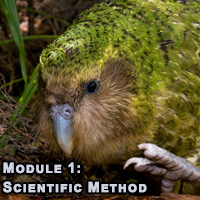
Module 1 focuses on the Scientific Method. This section introduces learners to hypothesis formulation, experimental design, data collection, and the critical evaluation of scientific literature. By grounding aviculture in the scientific method, the AFA encourages breeders and keepers to approach husbandry challenges—such as dietary adjustments or behavioral modifications—with empirical rigor rather than relying solely on anecdotal evidence.

Module 2 explores the Characteristics of Life. This module examines the core biological criteria that define living organisms, including cellular structure, metabolism, homeostasis, growth, adaptation, and reproduction. Applied to avian species, students learn how these biological principles manifest in the unique physiology and survival mechanisms of birds.
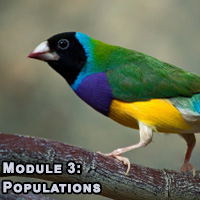
Module 3 shifts the focus from the individual organism to collective dynamics, addressing Populations. This segment covers population genetics, carrying capacities, demographic shifts, and the ecological pressures that influence group survival. For aviculturists and conservationists, understanding population dynamics is crucial for managing sustainable captive breeding programs and participating in species recovery initiatives.
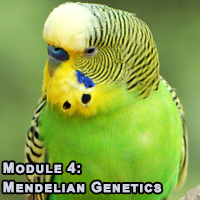
Module 4 delves into Mendelian Genetics. Building upon the basic genetic concepts introduced in advanced aviculture, this module provides a thorough examination of inheritance patterns, dominant and recessive traits, Punnett squares, and genetic probability. This foundational knowledge is especially valuable for breeders working with color mutations, enabling them to predict phenotypic outcomes responsibly while avoiding deleterious inbreeding depression.
Module 5 concludes the series with Ecological Terminology. This module equips learners with the vocabulary and conceptual frameworks necessary to understand ecosystems, habitats, trophic levels, and conservation statuses. By contextualizing aviculture within broader ecological systems, the ABC program reinforces the interconnectedness of captive breeding and wild conservation efforts.
Broader Impact and Implications for the Avicultural Community
The introduction and continuous refinement of the AFA’s educational tools represent a significant maturation of the avicultural sector. In an era marked by increasing regulatory scrutiny, habitat loss, and climate change, the role of aviculture has evolved far beyond recreational bird keeping. Modern aviculturists are frequently called upon to act as conservation partners, insurance populations for endangered species, and educators for the general public.
By standardizing knowledge through the Fundamentals of Aviculture and the Avian Biology Classroom, the AFA ensures that the next generation of bird keepers is equipped with the ethical, medical, and scientific expertise required to meet these challenges. The collaboration with academic institutions like Texas A&M University lends institutional credibility to these programs, bridging the often-wide gap between academic veterinary medicine and practical, hands-on husbandry.
Ultimately, these educational initiatives underscore a shared commitment to animal welfare and species preservation. As the AFA continues to update and expand its digital and community-based resources, it solidifies its position as a vital institution for anyone dedicated to the study, care, and conservation of the world’s avian species.

