


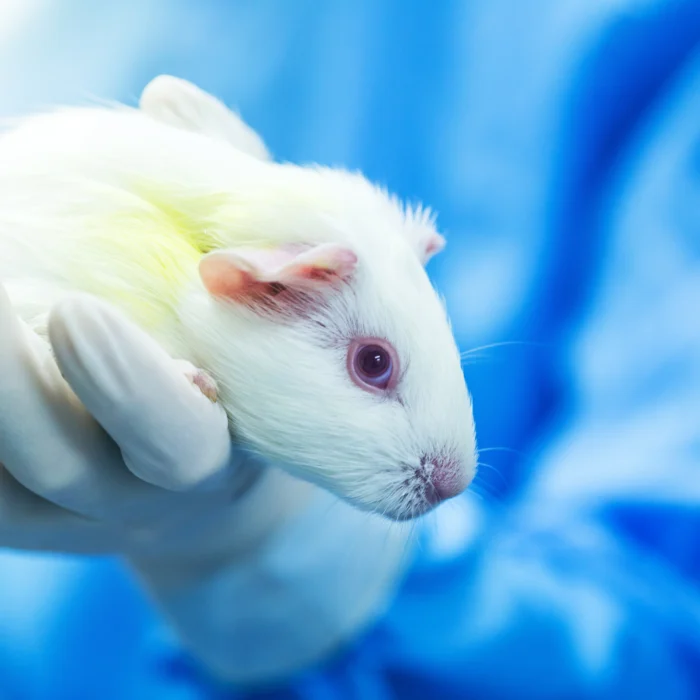
The landscape of biomedical research remains intrinsically linked to the clinical health and welfare of laboratory animal models, a subject addressed in a recent professional development initiative hosted by the University of Arizona College of Veterinary Medicine. On August 13, 2026, Dr. Amanda Fisher, DVM, MSc, presented a comprehensive webinar designed to elevate the standards of veterinary care across six primary research species: mice, rats, guinea pigs, rabbits, nonhuman primates, and zebrafish. This session, now officially RACE-approved for one credit hour, serves as both an educational resource for practitioners and a reflection of the evolving regulatory and ethical frameworks governing laboratory animal medicine.
The webinar, organized in collaboration with the University of Arizona’s Zoo, Exotics, Wildlife, and Aquatics Club, bridges the gap between basic laboratory maintenance and advanced clinical diagnosis. By utilizing a series of detailed case studies, the presentation highlights the intersection of species-specific physiology and the rigorous demands of scientific inquiry.
The Evolution of Laboratory Animal Welfare Standards
The necessity for such training is underscored by the shifting global paradigm regarding laboratory animal welfare. Over the past decade, the "3Rs" framework—Replacement, Reduction, and Refinement—has moved from a suggested guideline to a foundational requirement for research institutions globally. According to the National Institutes of Health (NIH) Office of Laboratory Animal Welfare (OLAW), the integration of veterinary oversight is critical not only for the ethical treatment of subjects but for the integrity of the data produced.
Dr. Fisher’s presentation aligns with this professional standard, emphasizing that health complications—such as those arising from poor husbandry or unrecognized disease states—can introduce confounding variables that invalidate months of scientific effort. The chronology of these standards has accelerated since 2020, with increased focus on environmental enrichment and the behavioral needs of non-traditional models like zebrafish and rodents.
Clinical Case Studies and Diagnostic Challenges
The core of the presentation focused on the unique pathological challenges encountered in specific laboratory models. By dissecting individual cases, Dr. Fisher provided a roadmap for veterinarians to identify and mitigate common risks:
- Rodent Dentistry and Oncology: The presentation addressed mouse malocclusion, a condition that, if left untreated, leads to severe weight loss and metabolic distress. Furthermore, the discussion extended to rat mammary fibroadenomas, a prevalent neoplasm that serves as a significant morbidity factor in aging laboratory rat populations.
- Dermatological Concerns in Caviomorphs: Guinea pig ulcerative pododermatitis, commonly known as "bumblefoot," was highlighted as a primary indicator of improper substrate management. This condition emphasizes the link between clinical pathology and facility husbandry.
- Gastrointestinal and Physiological Distress: The webinar examined instances of ileus and gastrointestinal obstruction, particularly in rabbits, where stress-induced stasis can be rapidly fatal.
- Systemic Conditions: Beyond mechanical or external issues, the presentation touched upon amyloidosis—a protein-deposition disorder that often goes undetected until necropsy, yet significantly impacts long-term longitudinal studies in mice.
The Role of Zebrafish in Modern Research
Perhaps the most contemporary aspect of the webinar was the inclusion of zebrafish. As the use of zebrafish as a model organism has surged—driven by their rapid reproductive cycle and genetic transparency—so too has the clinical literature regarding their specialized needs. Dr. Fisher’s analysis of zebrafish medicine addresses a historically underserved area in veterinary training, noting that as these organisms become central to genetic research, the medical community must adapt to handle their unique aquatic health requirements, including water quality monitoring and infectious disease control in high-density recirculating systems.
Professional Development and Regulatory Compliance
The RACE (Registry of Approved Continuing Education) approval of this webinar is a significant development for veterinary practitioners. RACE standards are established by the American Association of Veterinary State Boards (AAVSB) to ensure that continuing education programs meet a high threshold of clinical relevance and scientific accuracy.
For veterinary students and professionals alike, this certification provides an incentive to engage with specialized knowledge that is often peripheral to general small animal practice. The implications of this training are twofold: it improves the immediate quality of life for animals within the research setting, and it ensures that veterinarians remain at the forefront of the diagnostic techniques required to sustain modern scientific breakthroughs.
Broader Implications for Biomedical Research
The analysis provided by Dr. Fisher reflects a broader industry movement toward "precision animal medicine." In this model, the clinical care provided to an animal is as precise as the research being conducted. When a laboratory mouse or nonhuman primate is maintained at an optimal health status, the biological signals derived from those models are more reliable.
Data from the Foundation for Biomedical Research suggests that the reliability of clinical outcomes is directly correlated with the consistency of the animal’s environment. By training veterinarians to spot the subtle signs of pododermatitis or the onset of malocclusion early, institutions can prevent systemic health failures that compromise the validity of research data.
Future Directions in Veterinary Oversight
The veterinary community has increasingly recognized that the role of the laboratory animal veterinarian is evolving into a specialized consultancy. As research designs become more complex—incorporating gene editing, complex pharmacological interventions, and prolonged monitoring periods—the veterinary oversight must be equally sophisticated.
Statements from academic veterinary organizations, such as the American College of Laboratory Animal Medicine (ACLAM), have consistently emphasized that veterinary input should be integrated into the design phase of research protocols rather than serving as a reactive measure. Dr. Fisher’s presentation reinforces this proactive approach, advocating for a deep understanding of species-specific anatomy and physiology as a prerequisite for any research involvement.
Conclusion and Impact
The educational efforts led by professionals like Dr. Amanda Fisher are critical to maintaining the ethical and scientific standards of the laboratory animal sector. By providing structured, evidence-based insights into the medical care of mice, rats, guinea pigs, rabbits, nonhuman primates, and zebrafish, such programs ensure that the professionals tasked with the welfare of these animals are equipped with the latest diagnostic and clinical tools.
As the scientific community continues to push the boundaries of what is possible in medicine, the foundation upon which these discoveries are built—the health and welfare of the animal model—must remain secure. The transition toward enhanced veterinary training and the professionalization of laboratory animal medicine represents a vital component of responsible scientific progress. For practitioners, the availability of these RACE-approved resources is an essential step in maintaining the high standards of care that society expects and the scientific method demands. The continued focus on clinical excellence, husbandry, and the ethical management of research animals remains a cornerstone of the modern veterinary profession, ensuring that the legacy of biomedical research remains both effective and ethically sound.

