


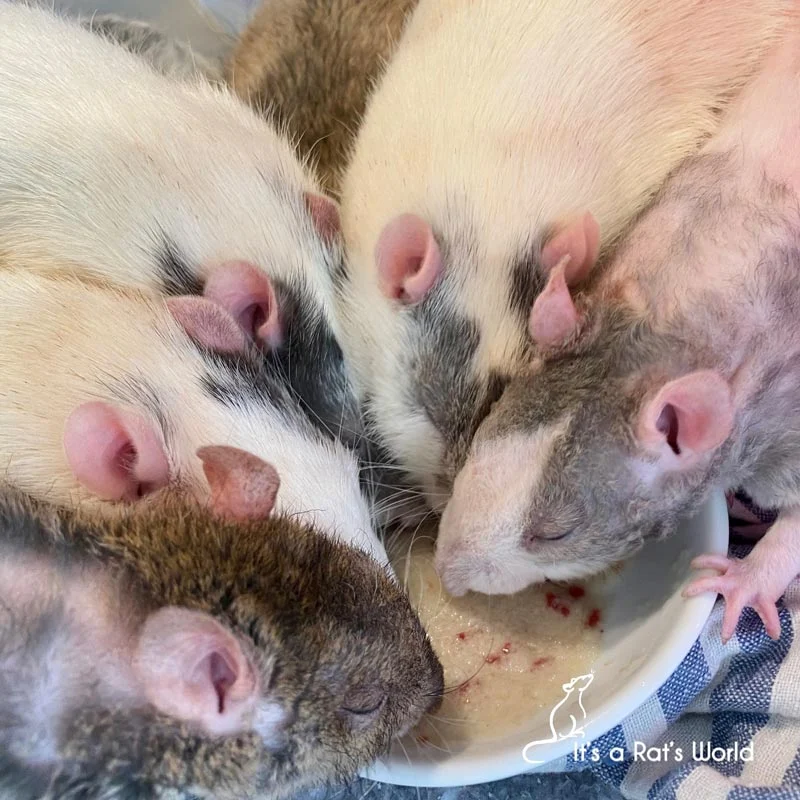
The pervasive cultural association between wild rats and unsanitary conditions remains one of the most persistent hurdles for domestic rat owners. Despite the long history of the Rattus norvegicus domestica as a companion animal, the general public often conflates the behaviors of disease-carrying wild rodents with those of their clean, captive-bred counterparts. Domestic rats are, by nature, fastidious groomers that do not act as vectors for the types of diseases associated with their wild ancestors. However, the question of whether "clean" equates to "odor-free" requires a nuanced understanding of rodent biology, environmental maintenance, and potential health indicators.
The Biological Basis of Rat Hygiene
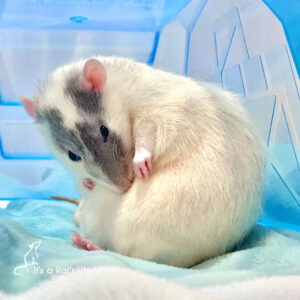
Domestic rats are biologically programmed to maintain their own cleanliness through rigorous, daily grooming routines. These animals spend a significant portion of their waking hours cleaning their fur, paws, and ears, often exhibiting grooming behaviors immediately after human contact, which some ethologists interpret as a way to remove foreign scents. Unlike many other small pets that require human-assisted bathing—which can actually strip away essential skin oils and cause stress—rats rarely require intervention to remain physically clean.
While the animals themselves are hygienic, their living environments present a distinct set of challenges. Because the cage serves as both a living quarters and a latrine, odor management is intrinsically linked to the efficacy of the owner’s sanitation protocol. The "smell" often attributed to rats is frequently a byproduct of ammonia buildup from urine, rather than the odor of the animals themselves.
Factors Influencing Odor Profiles
Several variables dictate the olfactory footprint of a rat habitat. Research into small mammal husbandry indicates that the number of individuals housed in a single enclosure is a primary driver of odor concentration. In a multi-rat colony, the cumulative output of waste necessitates a significantly more aggressive cleaning schedule compared to a pair. Furthermore, environmental conditions play a critical role; high humidity levels can amplify the volatility of organic compounds in bedding, making smells more apparent in tropical or rainy climates.
Gender-based differences also contribute to the aromatic profile of a habitat. Male rats, particularly those that are intact, are known to engage in "scent marking"—a behavior involving the deposition of small amounts of urine to claim territory. This behavior, combined with a tendency for some males to be less precise in their use of litter boxes, can create a more pungent environment. Conversely, while females and neutered males may produce less intense odors, individual temperament and hygiene habits vary significantly across the species.
Olfactory Markers as Diagnostic Tools
For the observant owner, the scent of a pet rat can serve as a vital diagnostic tool. A departure from the animal’s typical "natural" scent—often described by enthusiasts as reminiscent of warm grain or toasted cereal—can signal underlying physiological issues. Veterinary medical literature suggests that sudden, pungent, or foul odors are often early warnings of illness:
- Foul or "Rotting" Odors: These can indicate localized infections, abscesses, or, in more severe cases, neoplastic growth. For example, tumors of the Zymbal’s gland, located near the base of the ear, are known to produce a distinct, necrotic scent as they progress.
- Sweet-Smelling Urine: A sickly sweet odor, often accompanied by a chalky or calcified residue, is a hallmark of diabetes mellitus in rodents. Detecting this symptom early allows for dietary adjustments and insulin management.
- Genital Area Odors: Persistent, unpleasant smells emanating from the pelvic region may indicate urinary tract infections (UTIs) or the presence of vesical proteinaceous plugs—solidified secretions that can cause physical discomfort and blockages in older males.
Nutritional Impact on Systemic Health
A particularly severe and mysterious odor—often described as an intense, rancid, or "otherworldly" fecal scent—has been documented in rats rescued from environments of severe neglect or malnutrition. Clinical observations suggest that this is not merely a surface-level hygiene issue but a manifestation of severe gut dysbiosis. Rats that have endured poor diets often arrive with soft stools and a pervasive body odor that does not dissipate with bathing.
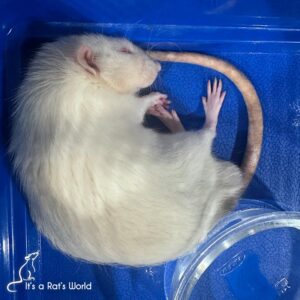
Analysis of these cases points toward a deficiency in the gut microbiome. The implementation of a high-quality, species-appropriate diet, supplemented with targeted probiotics and prebiotics (such as Bene-Bac Plus), has been shown to neutralize these odors within 60 to 90 days. This process suggests that systemic health, dictated by proper nutrition, is the ultimate determinant of a rat’s baseline scent.
Comparative Analysis: Rats vs. Other Domestic Pets
When evaluating pet odors, the subjective experience of the owner is paramount. A study of household pet dynamics reveals that different species present distinct challenges:
- Felines: While cats are generally considered clean, the chemical composition of their urine—specifically the high ammonia concentration—can be physically overwhelming, often leading to respiratory or sinus irritation for sensitive individuals.
- Canines: The "dog smell" is largely attributed to the oils secreted by their skin and the presence of bacteria in their fur. Unlike rats, which rarely transfer a persistent funk to human skin or clothing, dogs require consistent grooming and bathing to maintain a neutral scent. Furthermore, oral health in dogs is a common source of intense odor, whereas rats typically maintain dental hygiene that does not result in malodorous breath.
- Mustelids (Ferrets): Ferrets possess specialized scent glands that produce a natural, musky odor. While this is a biological constant for the species, it is frequently cited by potential owners as a deterrent. Unlike the odor of a neglected rat, which can be corrected through health management, the musky scent of a ferret is an inherent trait.
Implications for Responsible Ownership
The perception that rats are "stinky" is a generalization that largely ignores the responsibility of the caregiver. The evidence suggests that a well-maintained habitat, coupled with proactive veterinary care and a focus on gut health, renders the rat an exceptionally clean housemate.
The broader implication for pet ownership is that odor is rarely an indicator of the animal’s nature, but rather an indicator of the animal’s environment and health status. As more prospective pet owners turn toward smaller, non-traditional animals, the need for accurate information regarding hygiene and health monitoring becomes critical. By distinguishing between the "wild" stigma and the reality of domestic rat care, owners can foster a healthier, more pleasant living arrangement that benefits both the human and the rodent. Ultimately, the "natural" aroma of a healthy rat is a subtle, non-offensive scent, confirming that these animals are well-suited for indoor companionship when provided with proper, consistent care.

