


Since its inception in 1996, the African Bird Club (ABC) has functioned as a vital financial catalyst for ornithological research and habitat protection across Africa. By reaching the milestone of £755,241 in total grant disbursements, the organization has solidified its role as a premier supporter of grassroots conservation. This funding has directly facilitated 383 distinct projects, spanning 53 countries and territories, and providing essential resources to roughly 300 individuals and local organizations. As the organization reflects on this thirty-year trajectory, the impact of these small-scale, high-impact grants has become a cornerstone of biodiversity preservation efforts in a region facing rapid environmental change.
A Three-Decade Chronology of Conservation Support
The trajectory of the ABC Conservation Awards programme mirrors the evolving landscape of global conservation. When the initiative began in 1996, the primary focus was on filling critical data gaps regarding poorly studied species. In those early years, the grants were often the only source of funding for amateur and professional ornithologists working in remote areas.
As the program matured, it shifted toward a more holistic model of conservation, integrating scientific research with community-led stewardship. By the mid-2000s, the scope of funded projects expanded to include environmental education and the development of local capacity, recognizing that sustainable protection of avian habitats requires the participation of local populations. Today, the program distributes between £30,000 and £45,000 annually. This consistent financial pipeline has been sustained through a robust network of individual donors, private charitable trusts, and strategic partnerships with international environmental bodies, ensuring that the legacy of the program remains resilient despite fluctuations in the global economy.
Supporting the IUCN Red List and Endangered Species
The data behind the ABC’s portfolio reveals a strategic prioritization of species at the highest risk of extinction. With more than 60% of all species-focused projects targeting birds classified as Vulnerable, Endangered, or Critically Endangered on the IUCN Red List, the ABC has effectively directed its limited resources toward the most urgent conservation needs.
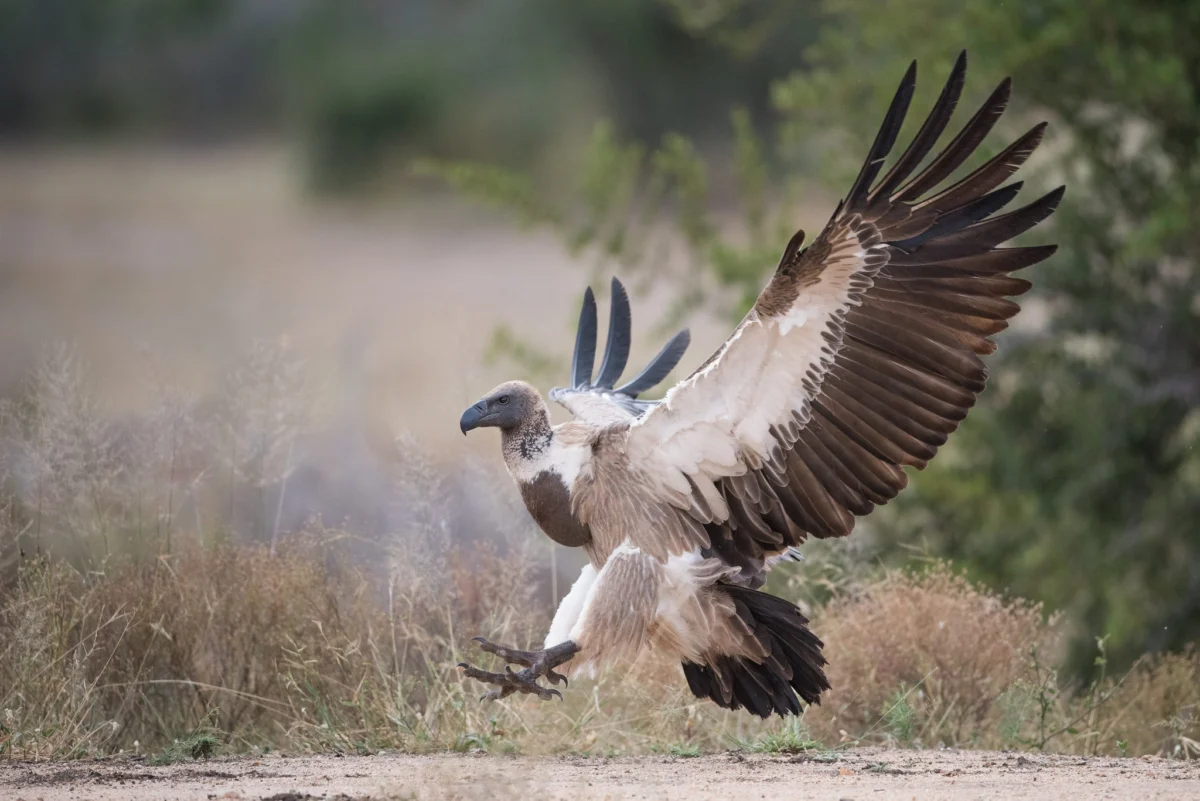
Vultures, which are among the most threatened avian groups on the planet, have received targeted attention from the club. Recognizing the catastrophic declines in vulture populations due to poisoning and habitat loss, the ABC has directed over £53,500 toward 23 specialized projects in 17 countries. This financial commitment has been instrumental in monitoring population trends and implementing mitigation strategies that prevent further loss of these essential ecosystem scavengers.

Ground-Level Impact: Success Stories in the Field
The practical application of these grants is perhaps best illustrated by localized success stories that have yielded significant ecological dividends. In Kenya, the protection of 323 hectares of the Dakatcha Woodland serves as a prime example. By securing this land, the ABC helped safeguard a vital sanctuary for the Clarke’s Weaver, the Sokoke Scops-owl, and the Sokoke Pipit. This project demonstrated that targeted funding could secure physical boundaries against development, thereby preventing the permanent loss of rare habitats.
In Zambia, the impact of the grant program extended to the discovery of previously unknown ecological hotspots. An aerial survey funded by the ABC in the Barotse Floodplain revealed massive, previously undocumented waterbird colonies. The survey identified one site hosting approximately 68,000 African Openbill nests and confirmed that another location serves as the largest known breeding concentration of African Spoonbills on the continent. This discovery not only added significantly to the scientific record but also provided the basis for long-term habitat management and monitoring programs that continue to operate today.
Furthermore, in Ghana, the use of camera-trap technology to study the nesting behaviors of the White-necked Picathartes has provided researchers with unprecedented insights into the reproductive failures of the species, allowing for more precise interventions against predation.
Cultivating the Next Generation of Conservationists
A significant portion of the ABC’s strategy involves investing in human capital. The organization has long recognized that long-term conservation success relies on local leadership. In Sierra Leone, the club’s funding supported the creation of youth-focused bird clubs and the development of educational materials in local languages, effectively lowering the barrier to entry for conservation-minded youth.
This investment in education is mirrored in Uganda, where the establishment of Village Bird Clubs around the Kibale National Park has engaged more than 200 children. These clubs have fostered a culture of stewardship, promoting activities such as tree planting and awareness campaigns regarding threatened species. By supporting these programs, the ABC is ensuring that the next generation of African conservationists is equipped with the knowledge and institutional support necessary to manage their local ecosystems.
Official Responses and Strategic Reflections
During the 2026 Annual General Meeting (AGM), Keith Betton, Chair of the African Bird Club, addressed the significance of the funding milestone. Betton emphasized that while the financial figure is impressive, the true measure of success lies in the cumulative effect of the projects. "Passing £750,000 in grants is an important milestone, but what matters most is the impact those funds have had—supporting dedicated people, generating knowledge, protecting habitats, and helping conserve some of Africa’s most threatened bird species," Betton stated.

This perspective highlights the club’s philosophy: that modest amounts of money, when directed toward the right individuals at the right time, can generate disproportionately large conservation gains. The organization’s ability to provide "seed money" often acts as a catalyst for recipients to leverage further funding from larger international entities, effectively multiplying the initial investment of the ABC.
Analysis of Current Challenges and Future Outlook
Despite the successes of the last thirty years, the demand for conservation funding in Africa continues to outpace available resources. The ABC currently receives over 100 applications per year, yet due to budgetary constraints, only about 15% of these projects can be approved. This shortfall underscores a persistent, systemic challenge in global biodiversity conservation: the lack of accessible funding for small-scale, field-based research and community engagement projects.
Larger, international conservation grants often require complex bureaucratic structures and long-term institutional stability that smaller, grassroots projects may not yet possess. The ABC’s niche—providing smaller, agile grants—fills this critical gap. However, the high rejection rate suggests that there is a significant amount of viable conservation work currently going unfunded across the continent.
The implications of this funding gap are profound. As environmental pressures—including climate change, land-use transformation, and the illegal wildlife trade—continue to intensify, the need for rapid, locally-led responses becomes more acute. The ABC’s ability to sustain its growth will be essential for the continued protection of Africa’s diverse avian species. Looking forward, the club’s reliance on a diverse donor base will be tested by shifting global priorities, yet the evidence of the past three decades suggests that the program is well-positioned to continue its legacy of fostering biodiversity, one project at a time. The success of the last 30 years provides a robust foundation for addressing the emerging threats to African birds in the decades to come.

