


The Rising Trend of Parrot Ownership and its Responsibilities
The popularity of parrots as companion animals has seen a steady increase over recent decades, driven by their intelligence, longevity, and capacity for interaction. From the vibrant macaws to the charming cockatiels, these birds offer unique companionship. However, this trend has also highlighted a significant challenge: many new owners are often unprepared for the specific safety requirements of avian pets. Unlike domesticated mammals, parrots retain strong instincts from their wild counterparts, including an insatiable curiosity and a powerful urge to explore and chew, which can be disastrous in a human-centric dwelling. This inherent drive, coupled with a lack of understanding of domestic hazards, contributes to a distressingly high rate of preventable accidents and fatalities among pet birds. Avian veterinarians consistently report a significant number of emergency cases resulting from household dangers, underscoring the urgent need for comprehensive owner education on parrot-proofing.
Understanding Avian Vulnerabilities: Why Parrots Need Special Protection
Parrots possess unique physiological and behavioral traits that render them particularly susceptible to household dangers. Their highly efficient respiratory systems, for instance, make them acutely sensitive to airborne toxins, a fact historically demonstrated by the "canary in the mine" phenomenon. Their beaks, essential tools for foraging and nesting in the wild, become instruments of exploration in the home, leading them to investigate and often ingest inappropriate materials. Furthermore, their instinct to seek out enclosed spaces for nesting can lead them into dangerous nooks and crannies. Recognizing these innate behaviors and vulnerabilities is the foundation of effective parrot safety.
Key Hazards and Preventative Measures: A Detailed Guide
Implementing a thorough parrot-proofing strategy requires a systematic approach, addressing potential dangers across various categories.
1. Electrical Hazards: A Silent Threat
Parrots’ natural chewing instinct, vital for maintaining beak health and modifying their environment in the wild, translates into a significant risk indoors. Electrical cords and outlets become tempting targets, with potentially fatal consequences. A bird gnawing through a live wire faces electrocution, which can cause severe burns, cardiac arrest, or neurological damage. Even if they survive, the trauma is immense and often results in lasting health issues.
- Prevention: All electrical cords in areas accessible to your parrot must be either completely hidden, encased in rigid PVC piping or flexible cord protectors, or secured behind heavy furniture where they cannot be reached. Unused electrical outlets should be fitted with child-proof covers. Regular inspection of cords for any signs of damage is crucial, and damaged cords should be immediately repaired or replaced. Owners must adopt a "zero tolerance" policy for exposed wiring in parrot-accessible zones.
2. Air Quality and Respiratory Health: The Invisible Dangers
One of the most critical, yet often overlooked, aspects of parrot safety is air quality. Parrots have highly efficient respiratory systems designed to extract maximum oxygen from the air, making them incredibly sensitive to airborne pollutants. What might be an innocuous scent to a human can be lethal to a parrot.
- Toxic Fumes: Aerosol sprays (hair spray, deodorants, cleaning products, air fresheners), scented candles, incense, plug-in air fresheners, and strong chemical cleaners can release volatile organic compounds (VOCs) that damage avian lungs.
- Overheated Non-Stick Cookware: The most notorious culprit is polytetrafluoroethylene (PTFE), commonly found in non-stick pots and pans. When overheated (above 500°F/260°C), PTFE releases toxic fumes that cause "Teflon toxicity," leading to rapid respiratory distress and often death within minutes or hours.
- Smoke and Soot: Cigarette, cigar, or vape smoke, fireplace smoke, and even smoke from burnt food (e.g., toast, forgotten pot on the stove) contain particulates and harmful gases detrimental to avian health.
- Prevention: Absolutely no scented products should be used in the same airspace as a parrot. All non-stick cookware should be replaced with bird-safe alternatives (stainless steel, ceramic, cast iron) or used exclusively in a well-ventilated area completely separate from the bird. High-quality air purifiers (without ionizers) can help, but ventilation is key. Carbon monoxide and smoke detectors are non-negotiable safety devices, not just for the birds but for the entire household.
3. Accidental Ingestion: The Curious Beak’s Peril
A parrot’s beak is its primary tool for interacting with the world. Anything within reach is a potential target for exploration, which often involves nibbling or outright consumption. This makes accidental ingestion of toxic substances a frequent cause of avian emergencies.
- Toxic Substances: Common household items dangerous to parrots include medications (human and pet), recreational drugs (marijuana, nicotine products), alcohol, cosmetics, personal care products, cleaning agents, and certain human foods like chocolate (theobromine), avocado (persin), caffeine, excessive salt, and fruit pits (cyanide).
- Heavy Metals: Zinc, often found in galvanized cages, toy components, or hardware, can cause severe poisoning. Lead, present in old paint, stained glass, or some costume jewelry, is also highly toxic.
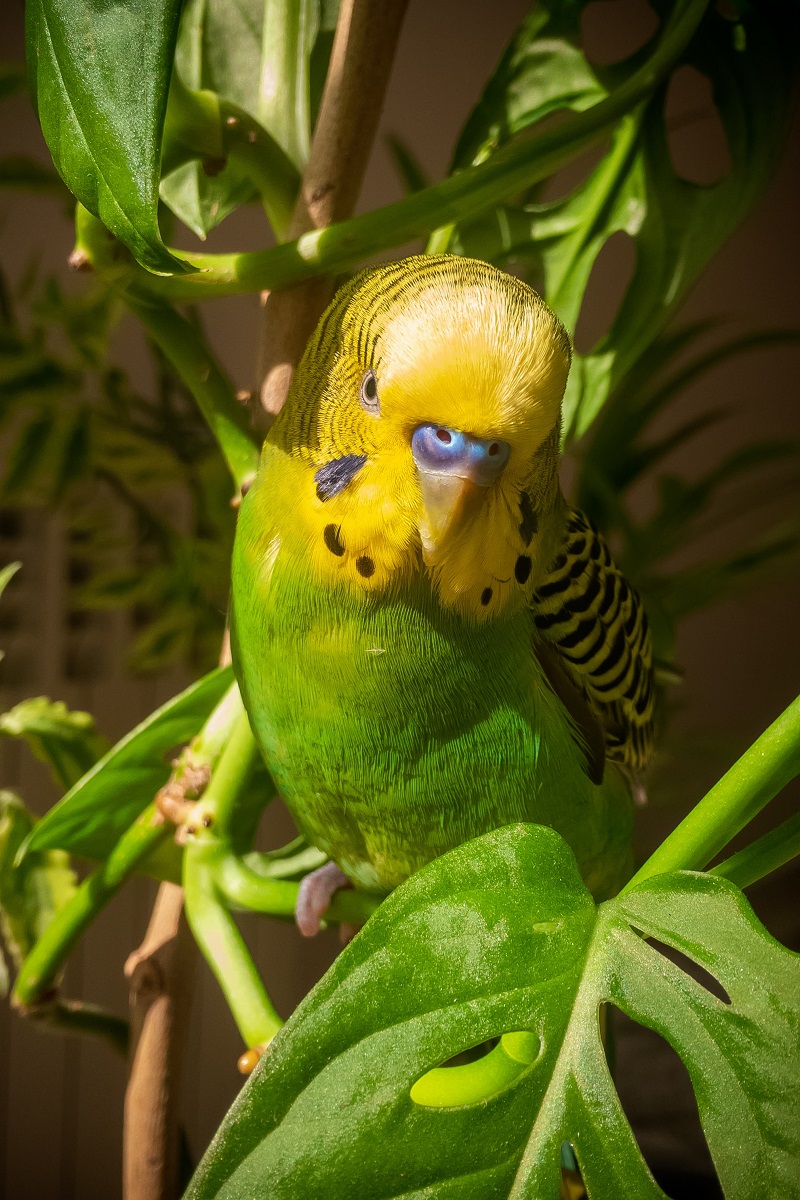
- Toxic Plants: While many houseplants are bird-safe, numerous common varieties are toxic, including lilies, philodendrons, poinsettias, azaleas, and diffenbachia.
- Prevention: All potentially toxic items must be stored securely out of reach, preferably in locked cabinets. Owners should meticulously research all plants in their home, removing or securing any that are toxic. Regularly inspect cages and toys for any signs of corrosion or exposed metals. A "bird-safe zone" where the parrot spends most of its out-of-cage time should be entirely free of potential ingestible hazards.
4. Environmental Traps: Doors, Windows, and Reflective Surfaces
The domestic environment presents unique spatial challenges for birds, particularly those new to flight or those prone to sudden frights.
- Escape Risk: Open doors and windows are primary escape routes. A parrot flying out can quickly become disoriented, lost, or fall prey to predators. Recovery rates for escaped parrots are alarmingly low.
- Collisions: Mirrors, glass doors, and large windows can appear as open spaces or other birds, leading to high-speed collisions that can cause concussions, broken bones, or fatal internal injuries.
- Physical Traps: Interior doors can become pinch points. Parrots often enjoy perching on door tops; an unsuspecting family member closing the door can crush a foot or tail feathers.
- Prevention: Establish strict protocols for opening and closing doors and windows. Consider double-door systems for dedicated bird rooms. Install mosquito netting on windows to allow ventilation without escape risk. Apply decals, window film, or even sheer curtains to reflective surfaces to make them visible to birds. Make it a routine to confirm the parrot is securely caged before any exterior door or window is opened. Keep interior doors closed to restrict access and prevent injuries.
5. The Cage Itself: A Sanctuary or a Hazard?
A parrot’s cage is its primary sanctuary, yet it can also harbor dangers if not properly selected and maintained.
- Bar Spacing: Incorrect bar spacing is a common issue. Bars too wide allow a bird to fit its head through but not its body, leading to strangulation. Bars too narrow can trap toes or beaks.
- Materials: Galvanized wire can leach zinc. Cheap painted cages can chip, allowing birds to ingest toxic paint. Powder-coated steel is generally the safest option.
- Wear and Tear: Rust, sharp edges from broken bars, or worn components can injure birds. Large parrots are powerful and can damage flimsy cages over time.
- Unsafe Toys: Toys are crucial for enrichment but can be dangerous if poorly designed or made from inappropriate materials. Loose threads, small bells that can trap beaks or toes, easily shattered plastic, or components containing heavy metals are hazards.
- Prevention: Invest in a high-quality, appropriately sized cage with safe bar spacing and materials. Regularly inspect the cage for any signs of damage, rust, or sharp points. Choose toys made from bird-safe materials (e.g., natural wood, untreated cotton rope, stainless steel). Discard or repair damaged toys immediately. "During the writing of this article, toys sold at a bird fair, marketed as bird-safe toys, were responsible for the death of one sun conure and severe illness of another in the authors’ practice," as noted by Lightfoot & Yeager (2008), underscoring the critical need for owner vigilance in toy selection.
6. Furniture and Hidden Spaces: Unseen Dangers
Parrots’ natural instinct to explore and seek out enclosed, dark spaces, reminiscent of tree hollows for nesting, can lead them into perilous situations within the home.
- Crushing Hazards: Reclining chairs, rocking chairs, and pull-out sofas can crush a bird seeking refuge or exploring underneath.
- Entrapment: Gaps behind appliances (refrigerators, washing machines), open drawers, cabinets, or even hollow furniture legs can become traps where birds can get stuck, injured, or suffocate.
- Prevention: Block off all potential hiding spots behind and under furniture. Always check under and around furniture before sitting down or moving pieces. Keep drawers and cabinet doors closed. Avoid leaving birds unsupervised in rooms with active furniture like recliners.
7. Water Hazards: Drowning Risks in the Home
Even small amounts of open water can pose a significant drowning risk for parrots, particularly smaller species or those not accustomed to swimming.
- Common Sources: Uncovered toilets, sinks filled with water, bathtubs, large vases, buckets, and even pet water bowls for other animals can be deadly.
- Aquariums: Open-top aquariums present a dual hazard of drowning and potential exposure to toxic aquarium chemicals or live food.
- Prevention: Always keep toilet lids down. Ensure all sinks, bathtubs, and buckets are empty or inaccessible when a parrot is out. Aquariums should have secure, bird-proof lids. Constant supervision is essential in any room containing open water sources.
8. Coexistence with Other Pets: A Risky Proposition
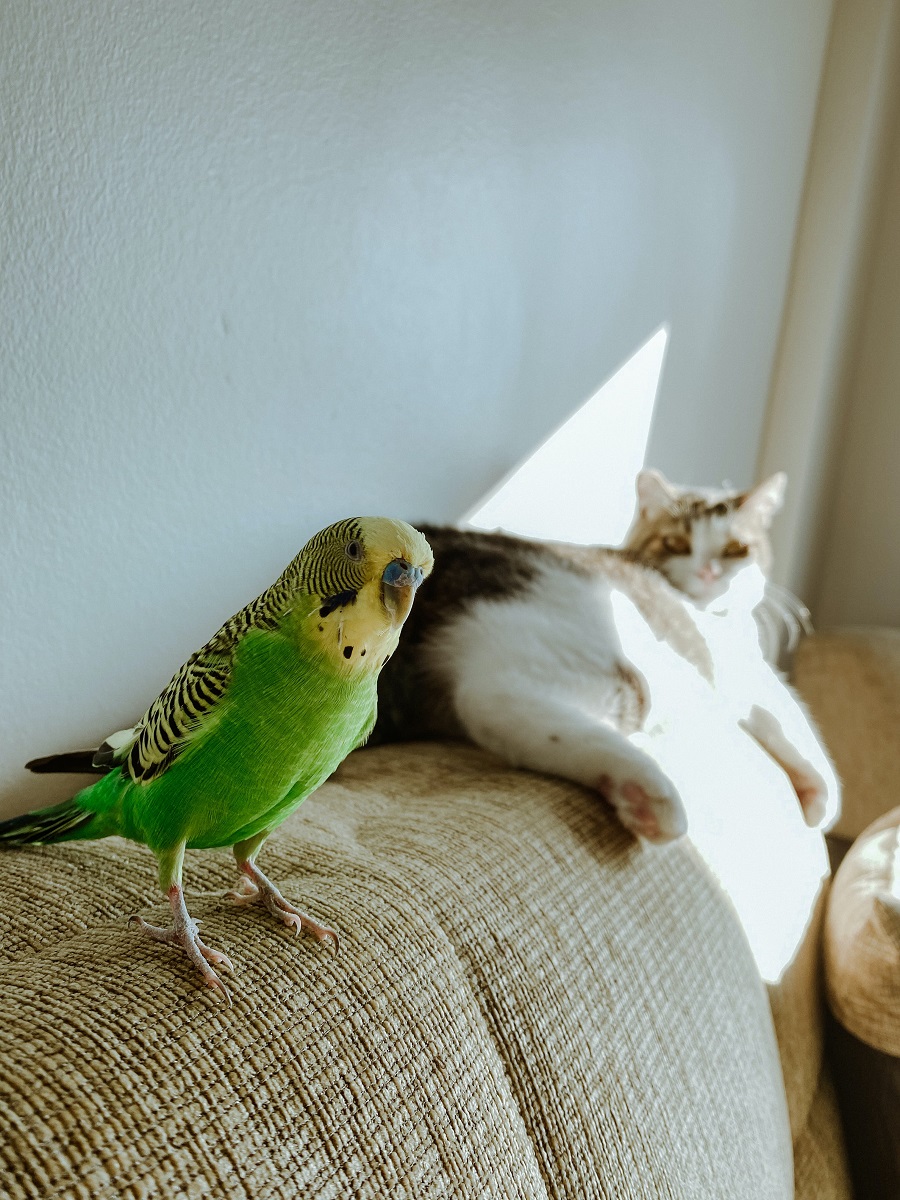
The presence of other household pets, particularly predators like cats and dogs, introduces an inherent and often underestimated risk to parrots.
- Predator Instinct: Even the most "well-behaved" dog or cat retains a natural prey drive. A parrot’s sudden movement or squawk can trigger this instinct, leading to a swift, often fatal, attack.
- Bacterial Risk: Cat and dog saliva contain bacteria (e.g., Pasteurella multocida) that are highly pathogenic to birds. Even a seemingly minor scratch or bite can lead to a severe, rapidly progressing infection and death.
- Crushing/Accidental Injury: A playful nudge or an accidental step by a larger animal can fatally injure a delicate parrot.
- Prevention: The safest approach is to ensure complete separation between parrots and other pets. This means separate rooms, secure caging, and never allowing them to interact, even under direct supervision. A barrier system, such as a baby gate or closed door, should always be maintained between the bird’s area and other pets. "They may look cute together," comments Sarah Jenkins, a spokesperson for the National Avian Welfare Alliance, "but even an accidental scratch from a cat or dog can kill a parrot. Responsible pet ownership demands acknowledging these inherent risks and actively preventing any contact."
Beyond the Basics: Comprehensive Safety Protocols
Beyond these eight critical categories, a few additional safety considerations are vital for overall avian welfare:
- Constant Supervision: An unsupervised parrot is an at-risk parrot. Active, direct supervision is the most effective safety measure.
- Kitchen Safety: Hot stovetops, open ovens, and hot liquids are severe burn hazards. Never allow a parrot in the kitchen while cooking is underway.
- Ceiling Fans: Always turn off ceiling fans when a parrot is out of its cage. Fast-moving blades are invisible to birds and can cause horrific injuries.
- Human Jewelry and Small Objects: Rings, earrings, and other small, shiny objects can be irresistible to curious birds, posing choking hazards or containing toxic metals.
- Pesticides and Insecticides: Never use bug sprays, ant traps, or rodenticides in areas accessible to birds.
- Temperature Extremes: Ensure the parrot’s environment is free from drafts and extreme temperature fluctuations.
Expert Perspectives and Calls for Awareness
The consensus among avian health professionals is clear: prevention is paramount. "The vast majority of avian household accidents we see are entirely preventable with proper owner education and vigilance," states Dr. Elara Vance, a board-certified avian veterinarian. "Owners must understand that a parrot’s natural curiosity, while endearing, makes them highly vulnerable in a human home. A proactive approach to safety can save countless lives and prevent immense suffering." Long-time parrot owner, Michael Chen, advises, "It’s not enough to just buy a cage; you have to think like a parrot. If they can chew it, climb it, or get into it, they will. Constant reassessment of your home from a bird’s perspective is key."
The Broader Implications of Responsible Avian Care
The implications of thorough parrot-proofing extend beyond the individual bird’s safety. It represents a fundamental aspect of ethical pet ownership, reducing the emotional distress and financial burden associated with emergency veterinary care for preventable accidents. Preventative measures, while requiring initial effort, are far less costly than treating injuries or illnesses caused by negligence, with emergency vet bills often running into thousands of dollars. More importantly, a safe environment fosters a parrot’s psychological well-being, allowing them to explore and interact without constant danger, leading to a happier, healthier, and more confident companion.
Creating a safe home for a parrot is an ongoing commitment, not a one-time task. It requires constant vigilance, regular reassessment of potential hazards, and a deep understanding of avian behavior and physiology. By meticulously parrot-proofing their homes, owners provide their feathered companions with the secure and stimulating environment they need to thrive, ensuring a long and joyful partnership.

