


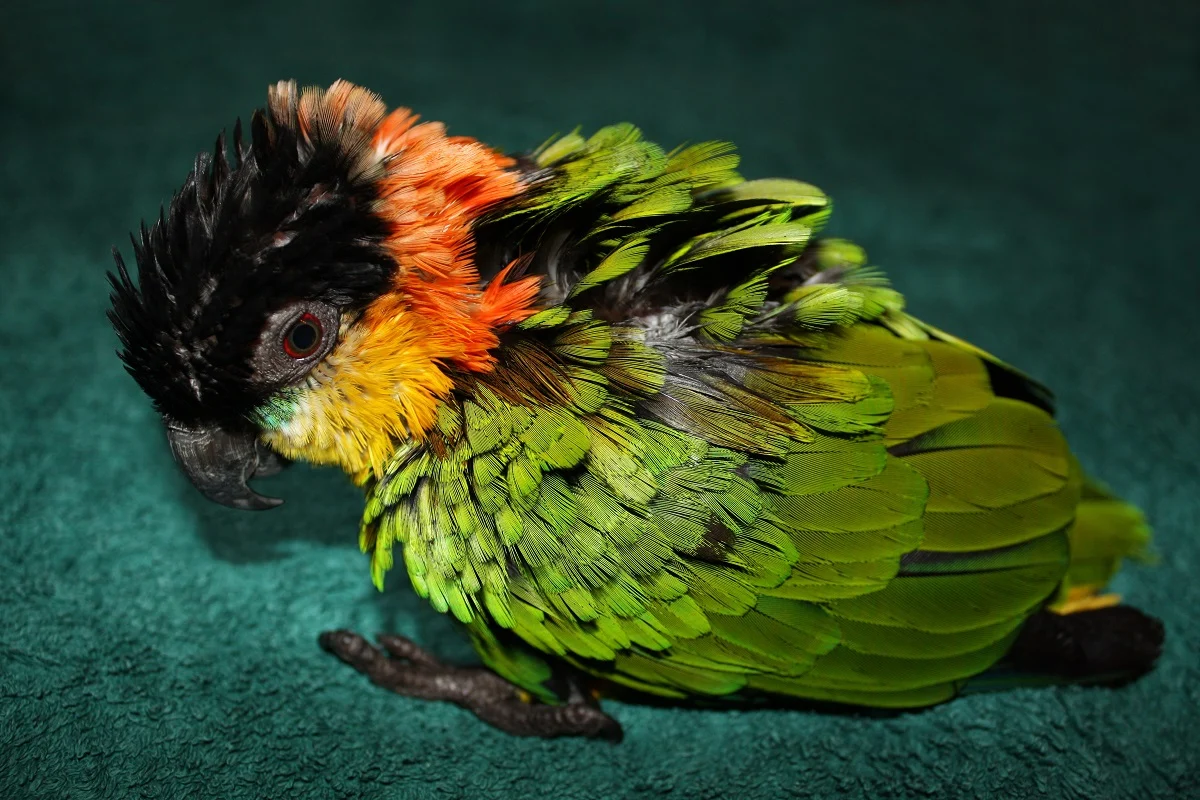
When a parrot faces a medical crisis, the immediate priority is to cease reading informational guides and take direct action. In cases of clear urgency, such as difficulty breathing, unresponsiveness, or severe trauma, the bird must be promptly secured in a carrier while a call is placed to the avian veterinarian en route. For situations where the urgency is less apparent, contacting the vet from home to describe symptoms allows for professional guidance on the appropriate course of action. Should an avian veterinarian not be immediately available, owners are advised to continue attempting to reach various clinics while initiating basic interim care measures detailed below.
The Critical Need for Avian Emergency Preparedness
The increasing popularity of parrots as companion animals underscores a growing responsibility for their specialized care. Unlike more common pets such as cats or dogs, parrots possess unique physiologies that often mask signs of illness until conditions are critical. This inherent survival instinct, evolved to protect them from predators in the wild, can unfortunately delay owner recognition of a problem, making early detection and rapid veterinary intervention absolutely crucial. Data from avian veterinary practices frequently indicate that delayed presentation is a leading cause of poor prognosis in sick or injured birds. The financial implications of emergency care for exotic pets are also substantial, with treatments often ranging from hundreds to several thousands of dollars, highlighting the importance of dedicated emergency funds or specialized pet insurance.
Establishing an Avian Veterinary Imperative
The first and most critical step in emergency preparedness is identifying and establishing a relationship with a qualified avian veterinarian. These specialists possess an in-depth understanding of avian anatomy, physiology, and pathology, which differs significantly from that of mammals. It is imperative that the chosen veterinarian has verifiable experience with birds, as a general practitioner may lack the specific expertise required for accurate diagnosis and treatment. This proactive measure ensures that when an emergency strikes, valuable time is not lost searching for appropriate professional help.
Key aspects of this preparatory phase include:
- Pre-emptive Consultations: Schedule an initial wellness check-up for your parrot with the chosen avian vet. This not only establishes a baseline for your bird’s health but also familiarizes you and your bird with the clinic environment.
- Contact Accessibility: Ensure the veterinarian’s primary and emergency contact numbers are readily saved in your phone and prominently displayed in your home, accessible to all household members.
- Financial Planning: Given the potentially high costs associated with emergency avian care, maintaining an emergency fund specifically for your bird or securing specialized pet insurance is highly recommended. Many standard pet insurance policies do not cover exotic animals, necessitating careful research into providers that offer avian-specific plans.
Proactive Prevention: Parrot-Proofing Your Environment
Prevention remains the most effective strategy against emergencies. Long-time parrot owners often develop an intuitive sense for potential hazards, yet periodic reviews of best practices are essential to maintain a safe environment. New parrot owners must quickly grasp that these intelligent and inherently curious birds are also incredibly sensitive, making them exceptionally prone to accidental injury or illness. Their inquisitive nature drives them to explore, chew, and interact with their surroundings in ways that can be detrimental.
Common hazards that necessitate rigorous parrot-proofing include:
- Electrical Wires: Exposed power cables are a significant risk, as parrots are prone to chewing, leading to electrical shock or burns.
- Toxic Substances: Many common household plants (e.g., Dieffenbachia, azaleas, lilies), cleaning products, human foods (e.g., avocado, chocolate, caffeine, alcohol), and even certain metals (e.g., lead, zinc found in older cages or toys) are highly toxic to birds.
- Confined Spaces: Parrots can become trapped in small gaps, behind furniture, or in open appliances, leading to injury or suffocation.
- Open Windows and Doors: An unsecured exit can lead to escape, often with fatal consequences due to predation, starvation, or exposure.
- Other Pets: Interactions with cats, dogs, or even other birds can result in severe injuries, even from seemingly minor scratches or bites due to the risk of bacterial infection.
- Household Items: Mirrors, ceiling fans, and hot stovetops pose collision or burn risks.
Therefore, designated parrot-friendly areas within the home must be meticulously secured. This involves ensuring all doors and windows are closed and locked, removing or securing all toxic and dangerous items, and restricting access for other household pets. Furthermore, the bird’s own cage requires regular scrutiny. Not all commercially available parrot toys are genuinely safe, and even safe toys can become hazardous as they degrade or break apart. Maintaining impeccable cage hygiene is also crucial to prevent the spread of bacteria and fungi that can cause illness.
Assembling the Essential Avian First Aid Kit
Despite the most diligent preventative measures, accidents can and do happen. A broken blood feather, an accidental collision, or a minor trauma can quickly escalate into a life-threatening situation. Having a readily accessible avian first aid kit is a non-negotiable component of emergency preparedness. This kit should be stored in a consistent, easy-to-reach location, and all household members should be aware of its contents and basic usage.
An avian first aid kit should include, at minimum:

- Styptic Powder/Cornstarch: Essential for stopping bleeding from minor cuts, broken blood feathers, or nail trims.
- Sterile Gauze Pads and Non-Adhesive Bandages: For applying pressure to wounds and covering injuries.
- Antiseptic Solution: Such as dilute chlorhexidine or povidone-iodine, for cleaning minor wounds.
- Saline Solution: For flushing eyes or wounds.
- Tweezers: For removing splinters or foreign objects.
- Small Scissors: For cutting bandages or feathers.
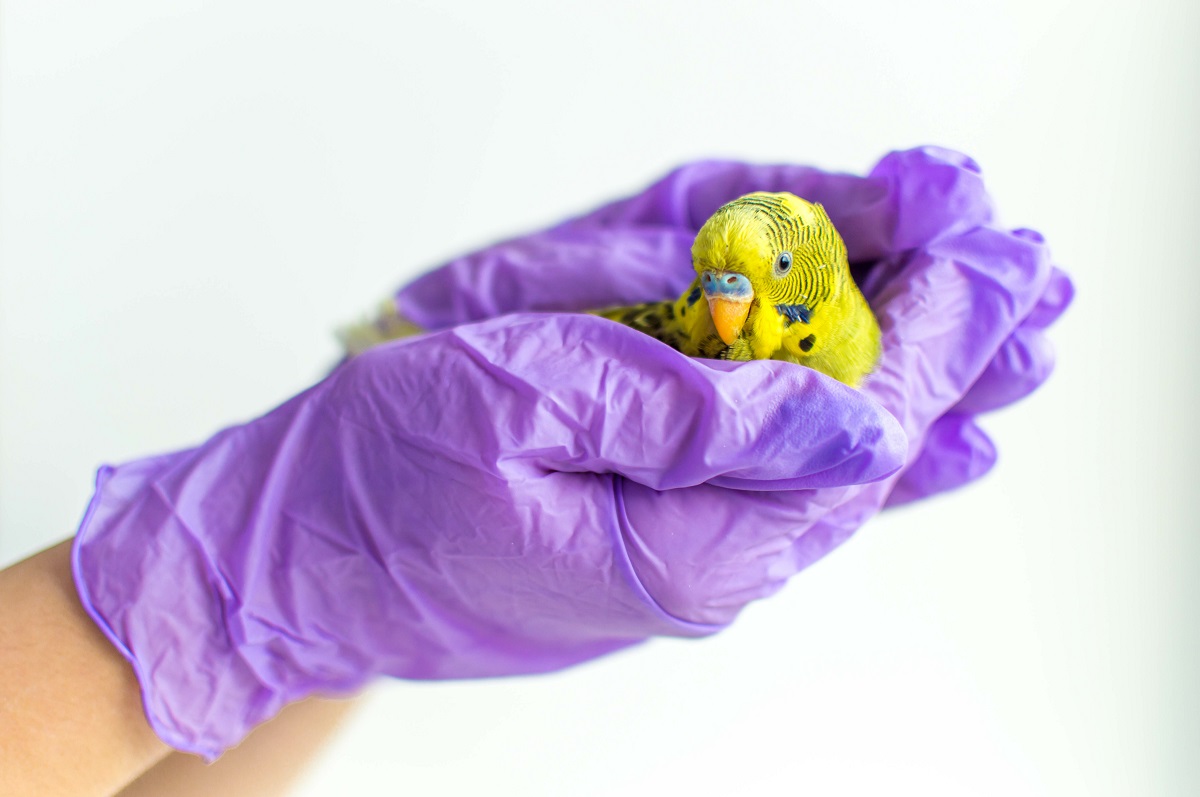
- Hand Sanitizer and Gloves: To maintain hygiene during examination or treatment.
- Heating Pad or Hot Water Bottle: To provide supplemental warmth to a compromised bird (microwavable heat pads are often safer than hot water bottles, which can burst).
- Small Carrier: A secure, small carrier lined with paper towels, capable of being darkened, is vital for safe transport to the vet.
- Rehydration Sachets: Oral electrolyte solutions to help combat mild dehydration.
- Syringes (without needles): For administering oral fluids or medications, especially for syringe-trained birds.
- Flashlight/Headlamp: For better visibility during examination.
Dr. Daisy May, a resident veterinarian specializing in avian care, emphasizes the critical importance of immediate action when a parrot is bleeding. "Parrots have a surprisingly small blood volume relative to their body size," she explains. "For instance, a 100-gram cockatiel has only about 10 milliliters of blood, and losing more than 10% of that—just 1 milliliter—can quickly become life-threatening." This physiological characteristic underscores why swift application of blood clotting agents and pressure is so vital.
Decoding Subtle Signs of Distress: Recognizing Illness and Injury
One of the most challenging aspects of parrot ownership is recognizing when a bird is ill or in pain, as they are master concealers of symptoms. This innate behavior, a survival mechanism against predators, means that by the time overt symptoms are visible, the underlying condition is often advanced. Therefore, becoming intimately familiar with your bird’s healthy baseline behavior, appearance, vocalizations, scent, and droppings is paramount. Any deviation from this baseline should trigger concern.
Veterinarian Dr. Daisy May recommends contacting your avian vet for guidance if you observe any of the following symptoms, as they may indicate a developing issue:
- Changes in Droppings: Diarrhea, unusually watery droppings, changes in color (unless recently consuming pigments like beetroot), or unusual consistency. Note: Red-tinged droppings could be blood, but also consider recent consumption of foods like beetroot or red bell pepper.
- Lethargy or Decreased Activity: Less energetic, sleeping more than usual, or reduced interest in play or interaction.
- Fluffed Feathers (Persistent): While birds fluff their feathers to regulate temperature, persistent fluffing, especially when combined with other symptoms, can indicate illness.
- Changes in Appetite or Thirst: Eating or drinking significantly more or less than usual.
- Weight Loss: Often subtle and best detected by regular weighing (weekly).
- Behavioral Changes: Increased irritability, aggression, or withdrawal.
- Minor Lameness: Favoring a foot, slight limp.
- Discharge from Nares (Nostrils) or Eyes: Any persistent wetness or crusting.
Certain symptoms, however, demand immediate, emergency veterinary attention, with the recommendation to call while en route. These indicate a severe, potentially life-threatening condition requiring oxygen, supplemental warmth in a brooder, and fluid therapy (oral or intravenous):
- Trouble Breathing: Open-mouthed breathing, tail bobbing, gasping, or audible clicks/wheezing.
- Non-Responsiveness or Collapse: Inability to perch, lying on the cage floor, extreme weakness.
- Severe Bleeding: Bleeding that cannot be stopped with direct pressure and styptic powder.
- Trauma: Any suspected fracture, deep wound, or head injury.
- Seizures or Tremors: Involuntary muscle contractions or shaking.
- Regurgitation or Vomiting (Persistent): Difficulty distinguishing between the two, but any persistent expulsion of food warrants concern.
- Significant Swelling: Anywhere on the body.
- Head Tilt or Loss of Balance: Disorientation or inability to maintain equilibrium.
- Prolapse: Tissue protruding from the cloaca.
- Sudden Weakness or Paralysis.
Regular twice-yearly health check-ups with an avian vet are an invaluable preventative measure. These routine examinations often allow for the early detection of subtle issues, such as nutrient imbalances or early stages of disease, before they manifest as critical emergencies.

Immediate Action: Navigating a Crisis While Awaiting Professional Care
When professional veterinary care is initiated but delayed—due to travel time or clinic availability—the owner’s ability to provide immediate, basic emergency care can be life-saving. Maintaining composure during this stressful period is paramount.
Controlling Hemorrhage
If a parrot is bleeding, stopping the blood flow is the absolute first priority. For minor bleeds, such as those from a broken blood feather or a nail trim, apply styptic powder (or cornstarch/flour as a temporary alternative) directly to the source of the bleeding and apply gentle, continuous pressure with clean gauze for several minutes. Avian blood clots relatively efficiently, so this usually suffices.
However, if the wound is deep and appears to penetrate a body cavity (abdomen or thorax), styptic powder will be ineffective. In such cases, the primary focus is to apply firm, consistent pressure with sterile gauze while immediately transporting the bird to the nearest avian vet. The pressure must be maintained throughout the journey. A critical caveat when applying pressure to a bird’s body is to avoid compressing its chest. Unlike mammals, birds lack a diaphragm and rely entirely on the expansion and contraction of their chest wall for respiration. Restricting this movement can lead to suffocation.
Stabilizing the Patient: Isolation and Warmth
Sick or injured parrots are highly susceptible to stress and shock, which can be fatal. Avian veterinarians often adopt a "hands-off" approach with severely compromised birds, understanding that even minimal handling can exacerbate their condition. Therefore, providing a calm, isolated, and warm environment is crucial.
A compromised parrot struggles to maintain its body temperature. Supplemental warmth, ideally around 85°F (29°C), is essential. This can be achieved by placing the bird in a small carrier or clean box lined with soft paper towels or a clean towel. A covered heating pad set on low or a wrapped hot water bottle can be placed beneath or alongside the carrier, ensuring direct contact is avoided to prevent burns. The enclosure should then be covered to darken it, reducing visual stimulation and promoting a sense of security. This prepared container can then double as the transport vessel to the veterinary clinic.

Addressing Dehydration
Vomiting, diarrhea, or prolonged illness can rapidly lead to dehydration in parrots. While severe dehydration necessitates immediate veterinary intervention, mild dehydration can sometimes be addressed at home.
A quick assessment of dehydration can be performed by checking the basilic wing vein refill time. Locate the basilic wing vein, a visible blue line running across the "elbow" (humeral-radioulnar joint) on the inside of the wing. Gently press on the vein to displace blood, then release. In a well-hydrated bird, the vein should refill instantly. A refill time exceeding two seconds indicates moderate to severe dehydration, requiring urgent veterinary attention. Even without this specific test, a visibly sick bird is likely to be dehydrated.
If the bird is mildly dehydrated, still bright, and capable of swallowing comfortably, offer an oral rehydration solution (prepared from specialized sachets found in the first aid kit) on a teaspoon or via a syringe. The fluids should be gently warmed to body temperature to prevent further chilling of an already compromised bird. It is critical to note that administering fluids directly into a bird’s mouth without proper training carries a significant risk of aspiration (fluid entering the lungs), which can be fatal. Unless explicitly demonstrated by a qualified avian professional, and if the owner is fully confident in the technique, attempting to force fluids should be avoided.
Broader Implications and Responsible Pet Ownership
The proactive measures discussed not only improve the chances of survival for individual parrots but also highlight the broader ethical responsibilities inherent in exotic pet ownership. The specialized needs of parrots, from environmental enrichment to dietary requirements and emergency care, demand a commitment that extends beyond routine feeding. Public awareness campaigns and educational resources play a vital role in equipping owners with the knowledge and tools necessary to provide optimal care, thereby reducing preventable emergencies and improving overall avian welfare. The economic realities of specialized veterinary care also underscore the importance of financial planning as a core component of responsible ownership.
Conclusion
In the event of any health concern, the absolute top priority for any parrot owner must be to secure prompt consultation with a qualified avian veterinarian. Parrots are inherently fragile creatures, and their health can deteriorate with alarming speed. Diligent preparation, encompassing vet identification, environmental safety, a well-stocked first aid kit, and an understanding of symptom recognition and immediate interim care, significantly enhances a parrot’s chances of survival and recovery during a crisis. This comprehensive approach to emergency preparedness is a testament to the profound bond between humans and their feathered companions.

