


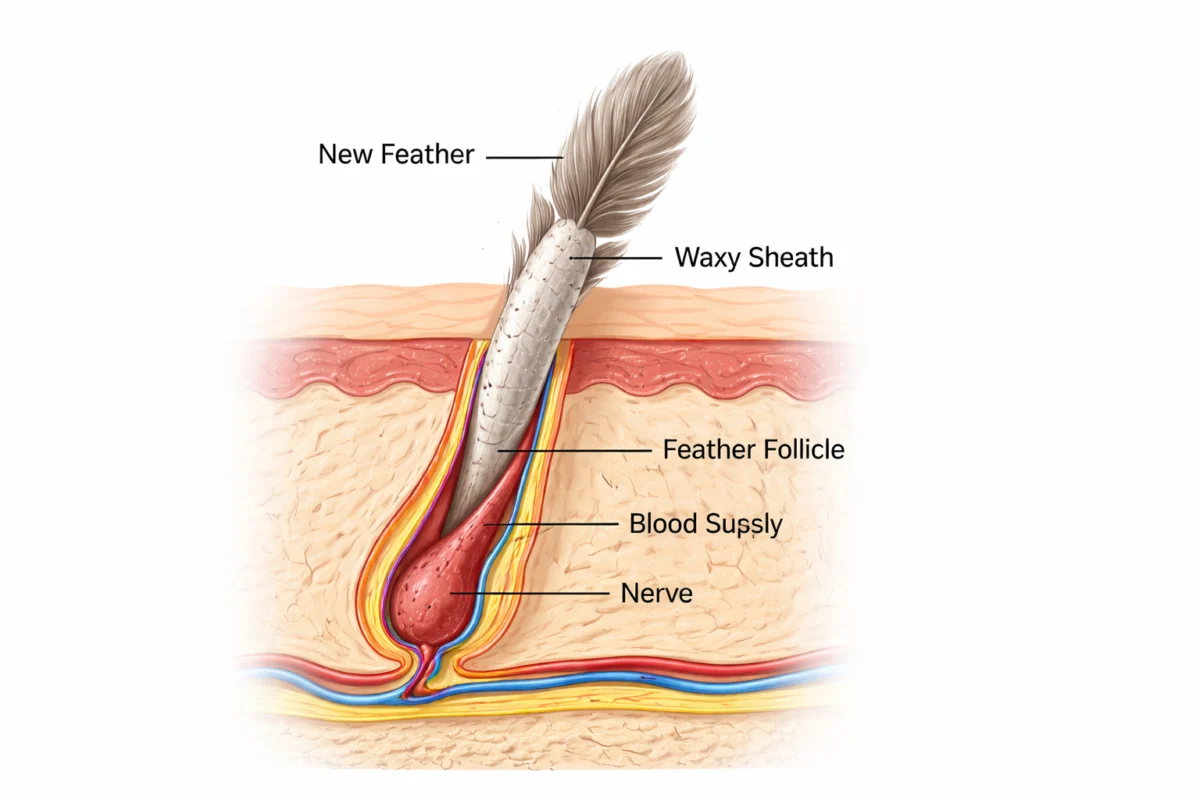
The appearance of "spiky" new feathers, commonly known as pin feathers, is a normal and essential part of a bird’s natural molting cycle, a critical physiological process for maintaining healthy plumage. This guide aims to provide bird owners with a detailed understanding of pin feathers, their developmental stages, associated discomforts, appropriate supportive care strategies, and clear indicators for when veterinary intervention becomes necessary. It is specifically designed for owners observing pin feathers and seeking to facilitate comfort and healthy feather growth in their pets, while strictly excluding situations involving open skin, active bleeding, rapidly expanding bald areas, obvious feather destruction, or systemic signs of illness such as weakness or loss of appetite, all of which mandate immediate professional avian veterinary care.
The Physiology of Feather Renewal: What Are Pin Feathers?
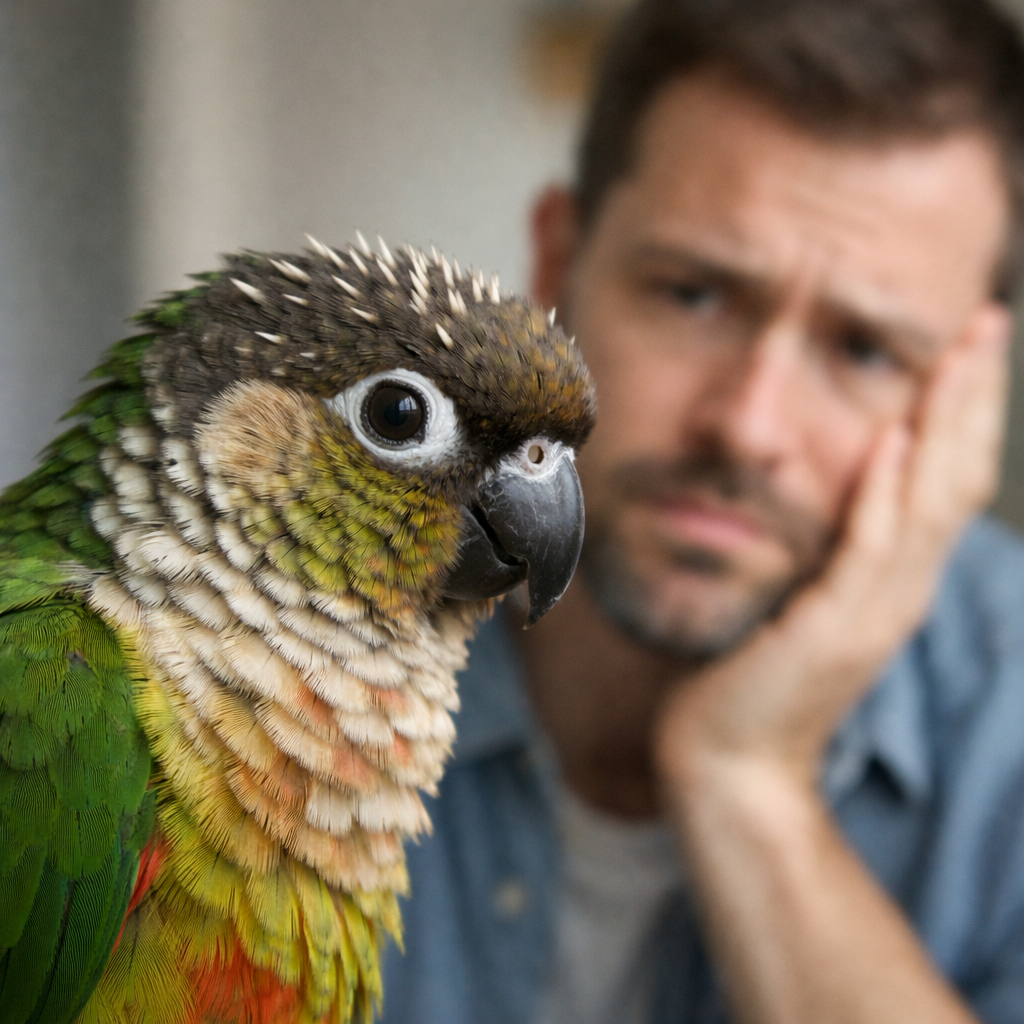
Pin feathers are nascent feathers emerging through the skin following the shedding of older, worn plumage. Each new feather is encased within a protective keratin sheath, a robust protein structure that safeguards the delicate developing feather during its early growth phases. Visually, these emerging feathers often present as pale or whitish "spikes," particularly prominent in areas like the head and neck where they are less obscured by mature feathers. During a significant molt, it is common for pin feathers to appear in clusters, which can lead to a bird’s temporary disheveled or "unkempt" appearance, even when the feather replacement process is progressing entirely normally. It is crucial to understand that unopened pin feathers are not "stuck"; rather, they are simply not yet physiologically ready to unfurl. The phenomenon of multiple pin feathers appearing simultaneously is rooted in avian biology. Feathers do not grow in isolation; instead, the avian body activates groups of feather follicles in concert, often within the same anatomical region. This synchronized activation ensures that old feathers are shed and new ones commence growth on a similar schedule, leading to the perception that pin feathers emerge "all at once." This coordinated growth pattern means that follicles have been actively preparing beneath the skin for some time, with their visible emergence marking a specific developmental milestone. The simultaneous growth of numerous feathers can render the skin "busy" and potentially irritated, even in the absence of any medical pathology.
The Molting Cycle: A Biological Imperative
Molting is a vital biological process in which birds periodically replace their old, damaged, or worn feathers with new ones. This process is essential for maintaining flight efficiency, insulation, waterproofing, and display coloration. The frequency and duration of molts vary significantly among species, influenced by factors such as age, season, reproductive status, and environmental conditions. Young birds undergo juvenile molts to replace their downy feathers with adult plumage, while mature birds typically experience annual or biannual molts. The initiation of a molt is hormonally regulated, often triggered by changes in photoperiod (daylight length), temperature, and food availability. As described by Lucas and Stettenheim (1972) in their comprehensive work on avian integument, the feather follicle undergoes a complex cycle of growth and rest. During the growth phase, specialized dermal papillae within the follicle produce the keratinocytes that form the feather shaft and barbs. The entire process is energetically demanding, requiring significant nutritional resources, particularly proteins and specific vitamins, as highlighted by Chen et al. (2020) regarding molecular signaling and nutritional regulation in feather growth.
Stages of Pin Feather Development and Associated Sensations
Understanding the distinct phases of pin feather development is paramount for bird owners to provide appropriate comfort and avoid causing distress. These stages progress from initial tenderness to an itchy phase, culminating in the release of the mature feather.
1. Early Growth: The Tender Phase
In its nascent stage, each pin feather retains a connection to a small, active blood supply, which is encased within the calamus (the quill). This vascularization renders the surrounding skin and the follicle itself highly sensitive. Consequently, any direct manipulation, such as touching or squeezing these newly emerging pin feathers, can induce significant discomfort or even pain for the bird. During this phase, birds may exhibit increased vocalizations when handled near affected areas, visibly flinch or pull away, and show an aversion to preening or being preened in these tender regions. The presence of a dark shaft or a reddish hue within the base of the pin feather indicates the active blood supply. At this delicate stage, the most beneficial approach is minimal intervention. Ensuring the bird has access to adequate hydration and a balanced diet is crucial, as is providing a calm environment to minimize stress. Owners should refrain from attempting to "help" open these feathers, as it risks causing pain, damaging the developing feather, or even breaking the blood supply, leading to hemorrhage.
2. The Itchy Phase: Keratin Breakdown and Irritation
As the pin feather matures, the keratin sheath begins to dry and break down, signifying the diminishing blood supply. This desiccation process often leads to intense itching, which is the most commonly observed symptom by bird owners. During this period, birds frequently escalate their scratching, rubbing against perches or cage bars, and engage in focused, sometimes vigorous, preening. Owners might observe their bird attempting to scratch its head with its foot, rubbing its head against objects, or exhibiting increased preening activity, particularly in hard-to-reach areas like the head and neck. While this behavior might appear obsessive, it is typically a physiological response to physical irritation rather than a behavioral problem. The dry, flaking keratin can be quite bothersome. Providing increased environmental humidity, regular misting, or supervised bathing opportunities can significantly alleviate this itchiness by softening the keratin sheath, making it easier for the bird to remove through preening.
3. The Release Phase: Unfurling and Comfort
Once a pin feather reaches full maturity, its protective keratin sheath completely dries and naturally flakes away. This process allows the feather to unfurl, expand, and settle into its final position within the plumage. During this stage, the fine white flakes of shed keratin are commonly visible around the bird’s cage or on its feathers. The bird’s comfort level markedly improves as the sheaths are shed and the new feathers emerge. Owners will observe the new feathers appearing sleek and vibrant, replacing the previously spiky appearance. The bird’s preening efforts become more focused on arranging the new feathers rather than vigorously removing sheaths. At this stage, continued access to bathing and adequate humidity remains beneficial, as it aids in the final shedding of any remaining keratin flakes and helps maintain overall feather health.
Pin Feathers vs. Blood Feathers: A Critical Distinction
While all growing feathers are initially "pin feathers" and possess a blood supply, the term "blood feather" typically refers to a larger, more mature feather (often a flight or tail feather) that is still actively growing and thus retains a prominent blood supply. The distinction is crucial due to the differing risks associated with injury. Pin feathers, especially smaller body feathers, also have a blood supply, but their smaller size means a broken one typically results in minimal bleeding. Blood feathers, found in the wings or tail where feathers are thicker and take longer to develop, contain a larger, more active blood supply. Consequently, breaking a blood feather can lead to significant and potentially dangerous hemorrhage, particularly in smaller avian species where blood loss can rapidly become life-threatening.
Managing a Broken Blood Feather: Emergency Protocols
If a blood feather breaks, immediate action is often required to prevent excessive blood loss. The primary goal is to stop the bleeding. Owners should have avian-safe clotting agents, such as styptic powder or cornstarch, readily available in their bird’s first-aid kit.
- Apply Direct Pressure: Gently but firmly apply pressure to the bleeding site with a clean gauze pad or cloth for several minutes.
- Apply Clotting Agent: If bleeding persists, apply a small amount of styptic powder, cornstarch, or even flour directly to the bleeding tip of the feather and continue to apply pressure.
- Monitor Closely: Once bleeding appears to have stopped, monitor the bird vigilantly for 30-60 minutes. Reapplication of the clotting agent may be necessary if minor bleeding recurs.
- Veterinary Intervention: If bleeding continues heavily for more than 10-15 minutes, if the owner is unable to control the bleeding, or if the bird shows any signs of weakness or distress, immediate contact with an avian or exotics veterinarian is imperative. Uncontrolled hemorrhage, especially in smaller birds, can rapidly lead to shock and death.
What Not to Do: Under no circumstances should an owner attempt to pull a broken blood feather themselves. Feather removal is an extremely painful procedure that can worsen bleeding, cause significant trauma to the feather follicle, and potentially lead to permanent damage or abnormal regrowth. Blood feathers should only be removed by a qualified avian veterinarian or a highly trained professional, as it requires specialized knowledge and tools to minimize pain and prevent further complications.
Effective Strategies for Alleviating Pin Feather Discomfort
The overarching goal of home support for itchy pin feathers is to ease skin irritation, prevent excessive or fixated scratching, and protect the integrity of the new feathers as they develop. These action steps generally provide meaningful relief for birds exhibiting normal molting discomfort without other signs of illness.
- Increase Environmental Humidity: Low humidity can exacerbate the dryness and irritation of keratin sheaths. Utilizing a humidifier in the bird’s living area can help soften the sheaths, making them more pliable and easier for the bird to preen open. Aim for a humidity level between 50-60%, which is beneficial for most avian species, especially those from tropical or subtropical climates.
- Regular Bathing and Misting: Providing frequent opportunities for bathing or gentle misting with plain, lukewarm water is one of the most effective ways to soothe itchy skin and hydrate the keratin sheaths. Birds often instinctively seek water during a molt. This can be offered through a shallow bath dish, a gentle misting bottle (ensuring the bird is comfortable with it), or even a supervised shower with the owner. The softened sheaths are then more readily removed during the bird’s natural preening process.
- Nutritional Support for Feather Health: The formation of new feathers is an energetically and nutritionally demanding process. A diet rich in high-quality protein, essential amino acids (especially methionine and cysteine, critical components of keratin), and specific vitamins and minerals is vital. Vitamin A is crucial for healthy skin and epithelial tissues, including the feather follicles. Vitamin E acts as an antioxidant, protecting cells from damage, and omega fatty acids (e.g., from flaxseed, chia, or specific avian supplements) support skin barrier function and reduce inflammation. While dietary changes initiated during an active molt won’t instantly resolve existing itchiness, supplementing with these nutrients supports the structural integrity of current feathers and primes the bird for healthier feather growth in subsequent molts. Scientific literature, such as that by McGraw (2006) on carotenoid-based coloration and its nutritional basis, underscores the link between diet and feather quality.
- Enrichment and Distraction: For birds prone to fixating on irritation, increasing environmental enrichment can redirect their attention. Providing new foraging toys, opportunities for supervised out-of-cage time, or novel interactive activities can help prevent the bird from excessively scratching or over-preening, which could otherwise escalate into feather destruction or plucking behavior.
- Consider Owner-Assisted Preening (with Caution): While most birds manage their pin feathers independently, owners can sometimes offer assistance, particularly for hard-to-reach areas like the head and neck. This should only be attempted when the pin feather is clearly in the "release phase" – meaning the keratin sheath is dry, flaky, and detaching easily. The bird must also be comfortable with physical contact. Gently rolling the dry sheath between two fingers (never squeezing or pulling) can help it flake off. This must be done with extreme gentleness, stopping immediately if the bird shows any sign of discomfort, pain, or if the feather is still dark at the base (indicating active blood supply). Many experienced owners opt not to assist, relying solely on bathing and humidity.
When Pin Feather Discomfort Signals a Deeper Issue
While some level of discomfort during molting is normal, certain signs indicate that the situation has progressed beyond routine pin feather irritation and warrants immediate veterinary consultation. Normal molting discomfort should gradually improve as sheaths open and new feathers emerge.
Key indicators that signal an abnormal situation include:
- Rapidly Expanding Bald Areas: While some temporary patchiness is normal, bald areas that grow quickly or appear suddenly, especially outside of typical molting zones, can suggest underlying health problems, nutritional deficiencies, or excessive plucking.
- Obvious Feather Destruction or Plucking: If the bird is not just preening but actively pulling out or damaging new or existing feathers, this is a serious concern. It can be a symptom of chronic pain, infection, parasitic infestation, psychological distress, or systemic disease.
- Signs of Illness: Weakness, lethargy, loss of appetite, changes in droppings, discharge from nares or eyes, or any other deviation from normal behavior accompanying the molt are red flags. Molting is energetically demanding, and illness can compromise the bird’s ability to cope with it. Lightfoot (2024) extensively details various skin and feather disorders of pet birds, many of which can mimic or exacerbate molting issues.
- Persistent Bleeding: Any ongoing or recurring bleeding from pin feathers or follicles, especially if not easily controlled, is a veterinary emergency.
- Skin Lesions or Inflammation: Red, irritated, broken, or inflamed skin beneath the feathers, or the presence of pustules or crusts, indicates a potential infection or dermatitis that requires medical attention.
- Chronic Molting: If a bird appears to be in a constant state of molt, or molts excessively frequently or out of season, it can indicate an underlying hormonal imbalance, nutritional deficiency, chronic stress, or environmental issues that need to be addressed by an avian veterinarian.
Should any of these signs appear, owners must cease home troubleshooting and promptly seek the expertise of an avian veterinarian. Early diagnosis and intervention are crucial for preventing more severe health complications.
Frequently Asked Questions (FAQ) for Bird Owners
Is it too late to help if my bird already has itchy pin feathers?
No, it’s never too late to provide comfort and support. While the physiological process of feather growth has already begun under the skin, immediate interventions such as increasing humidity, providing bathing opportunities, and gentle misting can offer significant relief from current itchiness and irritation. For long-term health, integrating targeted nutritional support, including vitamins A, E, and omega fatty acids, will bolster skin health and feather structure, helping current feathers complete their development robustly and setting the stage for healthier, less irritating molts in the future.
How long should pin-feather itchiness last?
The duration of pin feather itchiness can vary depending on the individual bird, the intensity of the molt, and environmental conditions. Generally, itchiness tends to come in waves, peaking as groups of feathers reach the dry sheath phase and gradually improving as these sheaths open and shed. A typical molt, including the itchy phase, might last several weeks to a couple of months. However, escalation of itchiness, or fixation on specific areas for an extended period (beyond a few weeks), suggests a potential underlying problem that warrants veterinary investigation.
Is it normal for head pin feathers to bother birds more?
Yes, it is very common for pin feathers on the head and neck to cause more visible irritation and discomfort for birds. The primary reason is that birds cannot effectively preen these areas themselves. Unlike other body parts that can be reached with their beak, the head and neck require assistance, either from a mate, another compatible bird, or sometimes the owner. The inability to relieve the itch or remove the dry sheaths on their own can lead to increased rubbing, scratching with feet, and overall frustration in these regions. Providing extra misting or bathing can be particularly helpful for these areas.
Can pin feathers turn into plucking?
Yes, persistent irritation from pin feathers without adequate relief can contribute to the development of plucking or other forms of feather destructive behavior. If a bird experiences prolonged or intense discomfort and cannot alleviate it through normal preening or environmental means, it may develop a fixation on the irritating sensation. This fixation, if left unaddressed, can sometimes escalate into an unhealthy habit of pulling out or damaging feathers, even after the initial molting discomfort has passed. Early and consistent comfort support, through proper husbandry and environmental enrichment, plays a crucial role in reducing this risk and preventing the transition from normal preening to destructive behavior.
The molting process, while natural, represents a period of significant physiological change and potential discomfort for birds. By understanding the science behind pin feathers, recognizing the different stages of their development, and implementing appropriate supportive care strategies, bird owners can play a vital role in ensuring their avian companions navigate this essential cycle with minimal stress and optimal health, ultimately promoting the growth of a full, vibrant, and functional plumage. When in doubt, consulting an avian veterinarian is always the safest course of action to rule out underlying health issues and ensure the bird receives the most appropriate care.

