


By Diane Burroughs, May 25, 2026 (Updated July 05, 2026)
The persistent issue of digestive irregularity in companion birds is increasingly recognized by avian health professionals as a primary indicator of long-term dietary inadequacy. While many owners associate sudden changes in droppings with acute illness, veterinary research indicates that the majority of these symptoms originate from chronic, low-grade dietary stress. In the context of avian care, the digestive tract serves as the most reliable barometer for overall health, yet the prevalence of dry, calorie-dense diets in domestic settings continues to compromise the gut integrity of parrots and other companion birds.
The Physiology of Avian Digestion
Birds have evolved to thrive on a diverse, seasonal intake of fresh plant materials, seeds, buds, and high-fiber vegetation. In their natural habitats, these nutrients provide the necessary enzymes and moisture required for efficient gastrointestinal transit. Conversely, many domestic birds are fed a static, dry diet consisting primarily of processed pellets or seeds. Over time, this lack of variety causes the digestive tract to atrophy in its ability to process complex nutrients, leading to issues such as inconsistent stool consistency, poor nutrient absorption, and a reliance on excess water consumption to move dry food through the system.
Data from the Merck Veterinary Manual and clinical studies in avian nutrition emphasize that the avian gut microbiome is highly sensitive to the pH balance and fiber content of ingested material. When fiber intake is low, the beneficial bacterial colonies that aid in fermentation and digestion are often suppressed. This creates a physiological imbalance where the bird may appear outwardly healthy but struggles with internal metabolic efficiency.
Recognizing the Spectrum of Digestive Health
Understanding the difference between a minor dietary adjustment and a critical health crisis is a fundamental skill for avian caregivers. A healthy bird dropping consists of three distinct parts: a solid, formed fecal portion; a white or cream-colored urate; and a small amount of clear urine. Deviations in these components—such as excess liquid, changes in color, or the presence of undigested food—require immediate observation.
However, professional veterinary intervention is non-negotiable in specific circumstances. If a bird exhibits clinical signs of systemic distress, such as persistent vomiting, visible blood in the stool, significant weight loss, lethargy, or the "fluffed" posture indicating a fever or pain, owners must prioritize emergency avian veterinary care over nutritional management. These symptoms represent acute pathology that requires diagnostic testing, such as fecal cultures, blood work, or radiographs, to identify bacterial, fungal, or viral infections.
The Role of Nutritional Enrichment
For birds that are not showing signs of acute illness but struggle with digestive inconsistency, a shift toward a more bio-diverse, moisture-rich diet is recommended. The integration of "living foods" is a cornerstone of this approach.
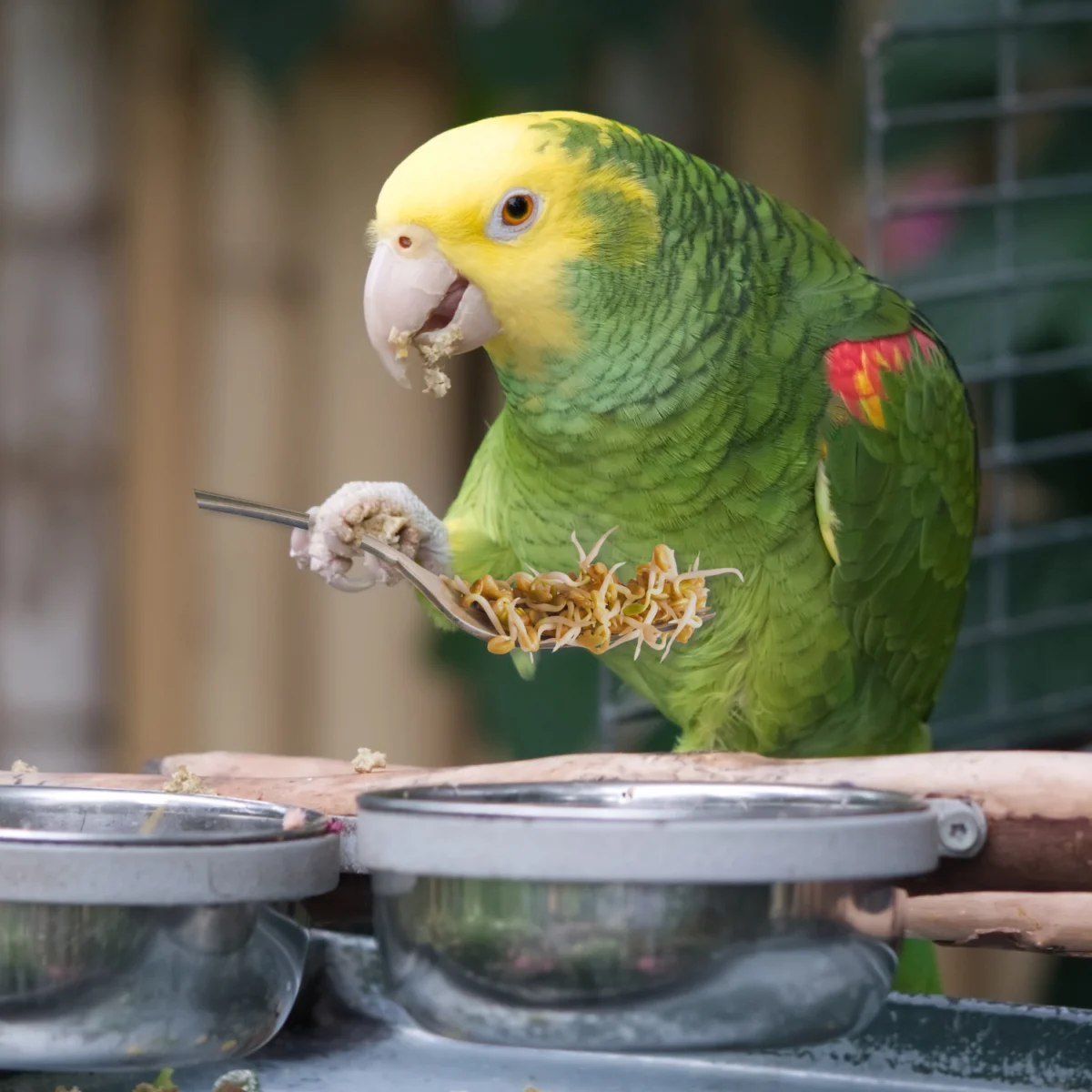
Sprouted seeds are perhaps the most effective nutritional upgrade available to home caretakers. The process of sprouting dormant seeds activates enzymes that are otherwise inaccessible, significantly increasing the moisture content and bioavailability of vitamins. This mimics the natural seasonal diet of wild birds and provides a texture that encourages natural foraging behaviors, which in turn stimulates the digestive tract’s muscular activity.
Furthermore, the inclusion of omega-rich supplements, such as chia, flax, and hemp hearts, provides essential fatty acids that support the integrity of the gut lining. These ingredients act as natural lubricants, facilitating smoother digestive transit and helping to normalize stool quality in birds accustomed to dry, processed diets.
The Impact of Stress on Gastrointestinal Function
The link between the avian nervous system and the gut is profound. Avian anatomy features a sophisticated enteric nervous system, often referred to as the "second brain," which reacts rapidly to environmental stressors. Changes in the household, hormonal cycles, loss of a companion, or even minor changes in routine can manifest as "stress poops"—characterized by sudden, watery, or frequent droppings.
Clinical observations suggest that during periods of high environmental stress, the transit time of food through the digestive tract can be altered, leading to poor nutrient absorption. To mitigate this, many practitioners now suggest the use of calming, herb-based infusions—such as chamomile or lemon balm—which have been shown in human and animal studies to soothe the gastrointestinal muscles and reduce the physical manifestations of anxiety.
Implications of Microbiome Management
In recent years, the commercial pet industry has heavily promoted the use of daily probiotics to address digestive issues. However, current veterinary evidence suggests that probiotics are, at best, a supplement to—not a replacement for—a high-quality diet. The long-term stability of a bird’s microbiome is dictated by the diversity of the plant matter it consumes. Relying on a probiotic powder while maintaining a low-quality, repetitive diet is akin to attempting to fertilize a garden in a desert; the environment must be improved for the flora to survive.
Building a "digestive-supportive" meal plan requires a shift away from singular food sources. By incorporating a variety of leafy greens, sprouts, and omega-rich fibers into a daily "chop" bowl, owners can create a prebiotic-rich environment that allows the bird’s natural gut flora to flourish independently.
A Chronology of Dietary Improvement
Successful dietary transition is not an overnight process but a calculated, gradual change. The following timeline is generally accepted by avian nutritionists for implementing positive change:
- Week 1: Introduction of sprouts and high-moisture vegetables in small, palatable quantities to test acceptance.
- Week 2: Systematic addition of omega-rich seeds to the daily ration to improve stool lubrication.
- Week 3: Monitoring of droppings and overall activity levels to ensure no negative gastrointestinal response to new food items.
- Week 4 and beyond: Consistent rotation of greens and herbs to ensure a broad spectrum of phytonutrients, while continuing to monitor weight and body condition.
Analysis: Moving Beyond Supplements
The broader impact of this nutritional shift is significant. Birds that maintain a healthy, diverse diet exhibit improved feather condition, more stable energy levels, and a stronger immune response. The reliance on veterinary-prescribed digestive medications can often be reduced when the underlying dietary stressors are removed.
The professional consensus remains clear: while modern veterinary medicine provides essential tools for treating acute disease, the daily, long-term health of a bird is determined by the quality of its nutrition. By prioritizing hydration, fiber, and variety, owners can move away from reactive, symptom-based management and toward a proactive model of wellness.
Conclusion and Recommendations
The objective of modern avian care should be the prevention of digestive imbalance through consistent, species-appropriate feeding habits. Owners should view the droppings not as a source of anxiety, but as a feedback mechanism that informs the quality of the bird’s diet.
When symptoms persist despite a high-quality diet, or when the bird shows signs of systemic lethargy, the necessity for a professional veterinary consultation remains the priority. The integration of science-backed nutrition and, when necessary, professional clinical care, ensures the longest and healthiest life possible for our companion birds. As research continues to advance in the field of avian nutrition, the emphasis will undoubtedly remain on the synergy between natural foraging behaviors and the intake of nutrient-dense, moisture-rich whole foods.

