


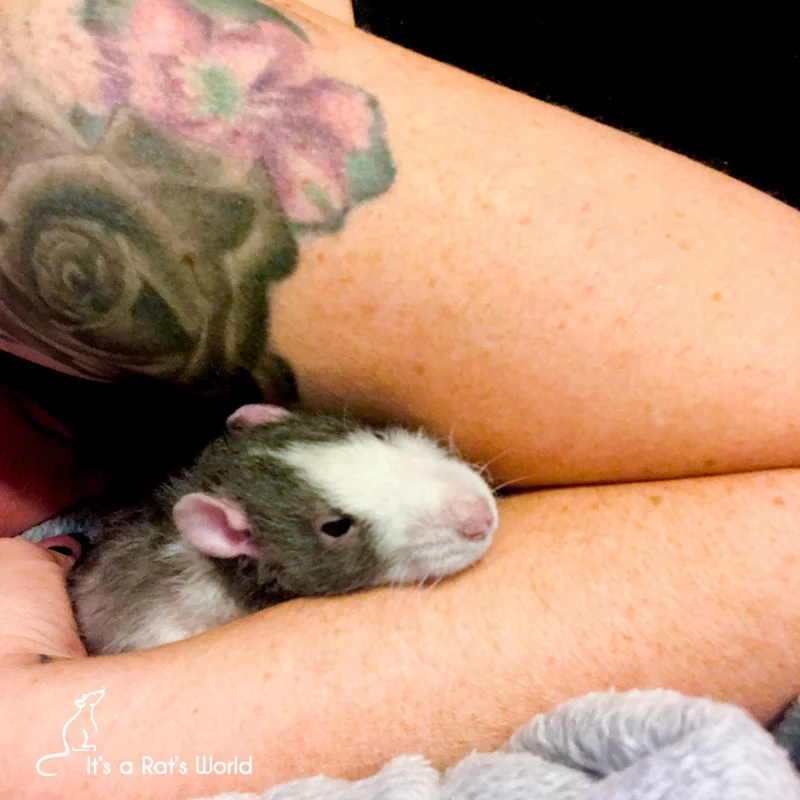
The domestic rat, Rattus norvegicus domestica, is frequently misunderstood in popular culture, yet among dedicated enthusiasts and animal behaviorists, these rodents are recognized for their remarkable capacity for complex social attachment. For many owners, the experience of being "ratless"—the state of living without these small companions—often creates a significant void in their daily routine. This phenomenon highlights a deeper psychological reality: the human-animal bond is not defined by the size of the animal, but by the frequency, quality, and mutual trust inherent in the interaction.
The Psychology of Human-Rodent Attachment
Data from the Human Animal Bond Research Institute (HABRI) suggests that the physiological benefits of human-animal interaction are near-universal across species. When an individual engages in tactile interactions with a companion animal—such as stroking fur or gentle petting—both the human and the animal experience a release of oxytocin, a neuropeptide associated with social bonding and stress reduction.

For the domestic rat, which is a highly social, crepuscular, and intelligent mammal, the bond with a human is an extension of their natural pack dynamics. In the wild, rats live in complex hierarchical colonies. In a domestic setting, the human becomes a surrogate member of the colony. When a rat exhibits behaviors such as "grooming" a human’s hand or seeking out physical proximity, they are essentially integrating the owner into their social security framework.
Chronology of Trust: From Fear to Familiarity
The process of bonding with a rat follows a predictable, albeit variable, timeline. For most new owners, the first 30 days are critical.
- The Acclimation Phase (Days 1–14): During this period, the animal is evaluating the environment. Fear-based responses, such as freezing or retreating to a hideaway, are standard survival mechanisms. Professional animal handlers suggest that during this phase, interaction should be passive—simply speaking near the cage or offering treats through the bars—to desensitize the animal to the human presence without triggering a "predator-prey" stress response.
- The Engagement Phase (Days 15–45): Once the animal acknowledges the human as a non-threatening entity, they begin to show curiosity. This is the period where "food-motivated" training proves most effective. By associating the owner’s voice and scent with positive reinforcements, the rat begins to view the owner as a reliable provider.
- The Affiliation Phase (Day 45 onwards): This is the maturation of the bond. At this stage, the rat may initiate contact, display jealousy when attention is diverted, or demonstrate "dancing" behaviors upon the owner’s arrival.
Fact-Based Analysis of Behavioral Variation
Not all rats possess the same temperament, and expecting a "one-size-fits-all" personality is a common error for new owners. Behavioral studies in laboratory settings have long identified "bold" versus "shy" phenotypes in rats.
Extroverted rats, characterized by high exploration rates, typically bond with humans within days. Conversely, "reactive" or shy rats require a more structured, patience-intensive approach. A critical finding in animal behavior is that a rat’s perceived "aloofness" is often a manifestation of high cortisol levels. By creating a "safe space"—such as utilizing bonding pouches or providing consistent, quiet environments—owners can lower these stress markers, allowing the animal’s natural personality to emerge.
The implication for owners is clear: the bond is not merely a result of the animal’s natural affection, but a reflection of the owner’s commitment to creating an environment where the animal feels physically and psychologically secure.
The Role of Environmental Enrichment and Routine
Beyond simple physical presence, the architecture of the rat’s living environment plays a significant role in their capacity to bond. Research into cognitive enrichment indicates that rats kept in environments with rotating puzzles, varied textures, and opportunities for "free-ranging" exhibit lower levels of anxiety.

When an owner incorporates "out-of-cage" time—specifically between one to two hours daily—they facilitate an environment where the rat can exercise agency. This agency is fundamental to the formation of trust. Whether through the introduction of mazes, obstacle courses, or simple shared space on a sofa, these activities allow the rat to explore the human’s proximity on their own terms.
Furthermore, vocalization is a key, if often overlooked, element. Rats communicate at ultrasonic frequencies, but they are also highly responsive to human tonal patterns. Consistency is the primary variable; using a specific tone of voice to signal mealtime or positive interaction creates a predictable framework that reduces the rat’s natural tendency toward defensive behavior.
Addressing the Misconception of "The Perfect Pet"
There is a persistent cultural narrative that equates the "perfect pet" with unconditional, immediate obedience. However, those who keep rats note that the most rewarding bonds are often those that require the most significant effort. The transformation of a rescue rat—one that has experienced trauma or neglect—from a state of hyper-vigilance to one of relaxed trust is described by many as a "monumental achievement."

It is important to note that the bond is not always reciprocal in the human sense. Some rats may remain independent, tolerating human presence without ever becoming "cuddly." Expert handlers emphasize that respecting these individual boundaries is not a failure, but rather an essential part of the ethical stewardship of the animal. Pushing an animal beyond its comfort threshold is the most common cause of the breakdown in the human-animal relationship.
Broader Implications for Animal Welfare
The rise in the popularity of "pocket pets" like rats has led to an increased need for education regarding their specific welfare requirements. Unlike dogs or cats, which have been integrated into domestic life for thousands of years, the domestic rat’s history as a pet is relatively short.
As the trend of "rat-fluencers" on social media platforms grows, there is a risk that potential owners may view the high-intensity bonding videos as a standard experience. Experts warn against this, noting that social media often captures the "finished product" of a long, often difficult, training process. Prospective owners must recognize that a deep connection with a rat is a byproduct of long-term investment, not an inherent trait of the species.
Conclusion: The Lasting Impact of the Bond
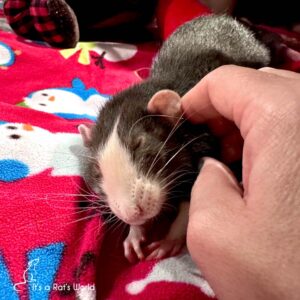
When a rat reaches the end of its life cycle—which typically spans 24 to 36 months—the depth of the grief experienced by the owner is often proportional to the intensity of the, at times, daily interaction. The legacy of a pet rat is found in the memory of these simple, daily rituals: the specific sound of a "treat call," the sensation of grooming, and the mutual trust established over years of shared space.
Ultimately, the bond between human and rat serves as a poignant reminder of the capability for interspecies connection. Whether the relationship results in a soulmate-level attachment or a respectful coexistence, the effort required to earn the trust of a creature so much smaller than oneself provides a unique perspective on the nature of empathy, patience, and the profound, quiet joy of companionship. For those who choose to walk this path, the reward is not just a pet, but a small, living testament to the power of consistent, compassionate engagement.

