


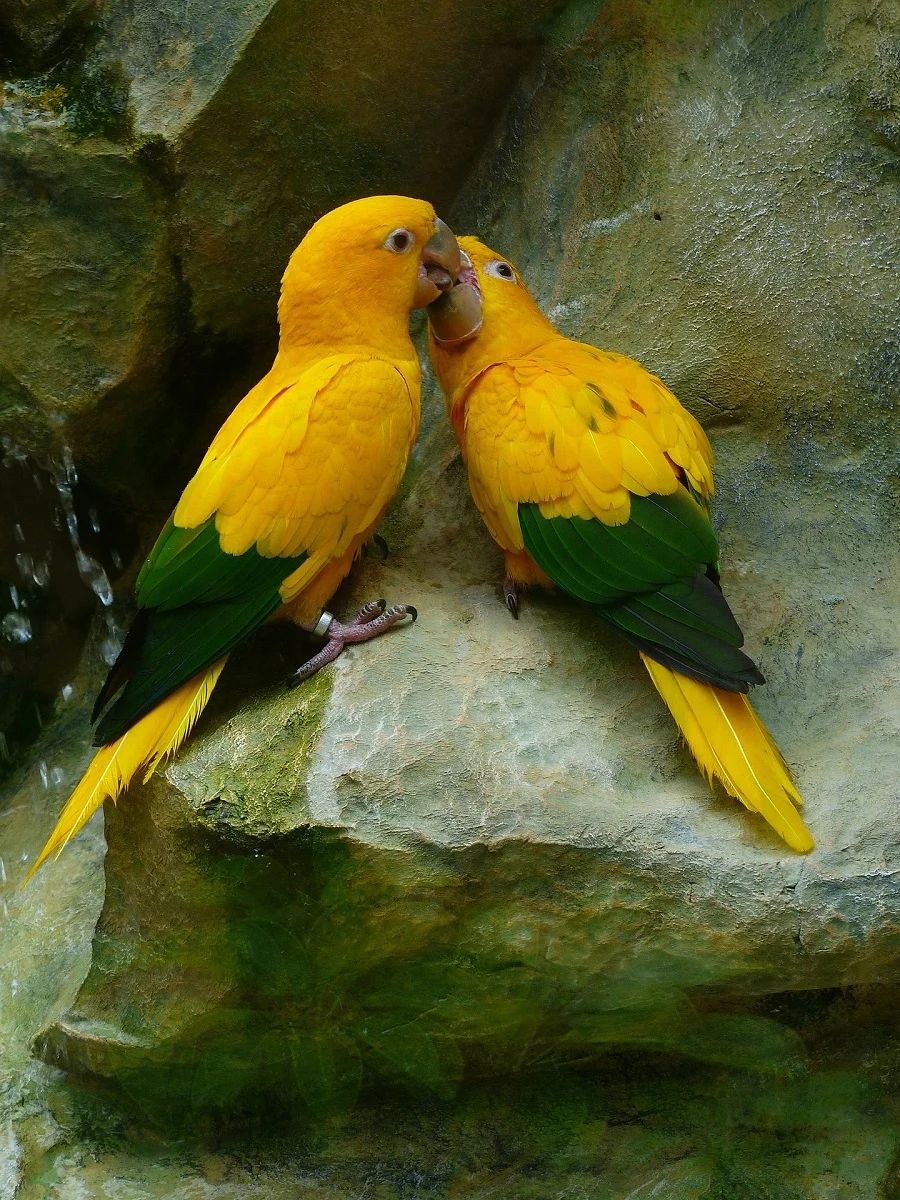
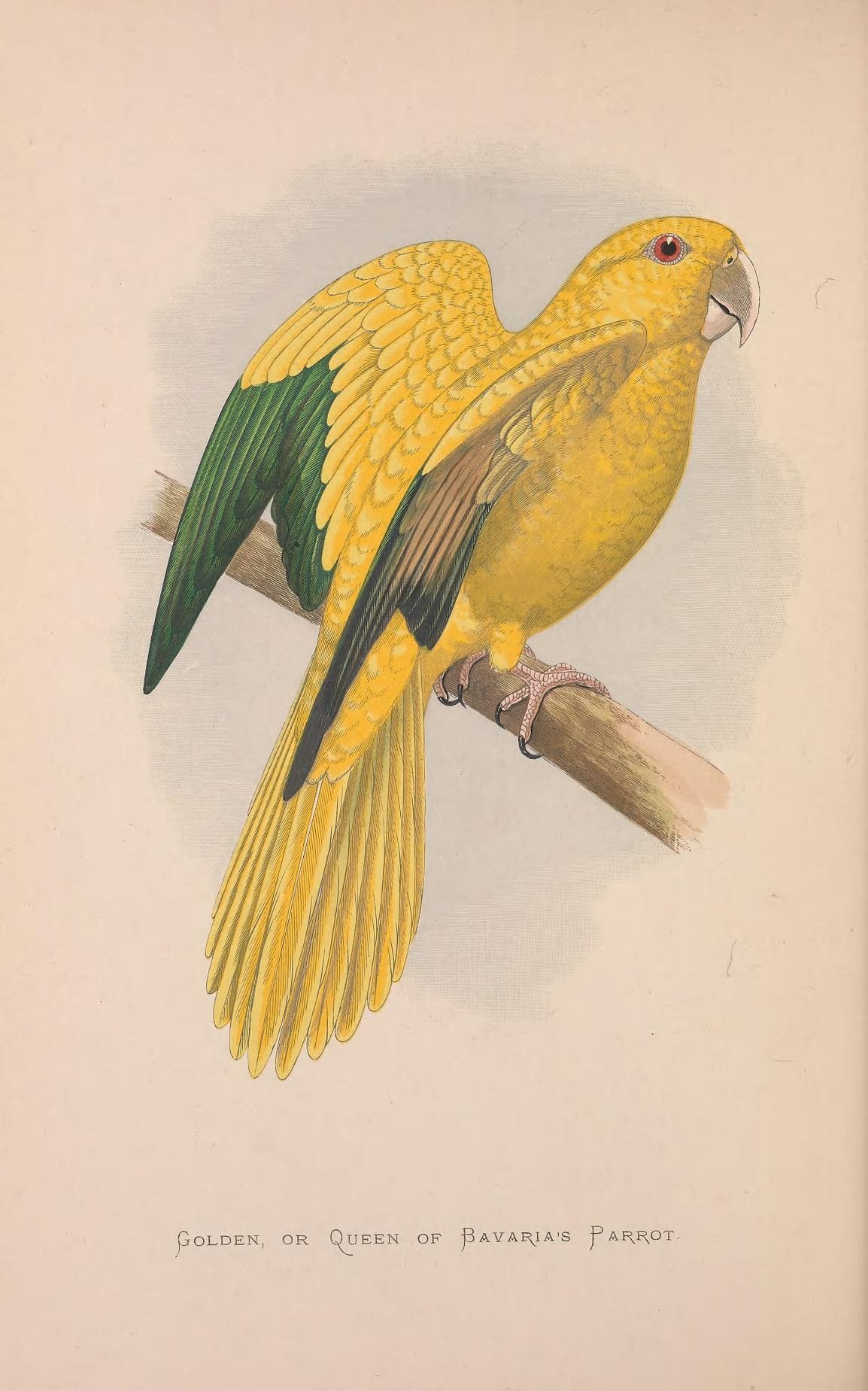
The golden conure, scientifically designated as Guaruba guarouba and historically recognized as the Queen of Bavaria conure, stands as one of the most visually striking and distinctive psittacine species native to the Neotropical region. Characterized by its brilliant, uniform yellow plumage offset by contrasting dark green wing tips, this medium-sized parrot has captured the attention of ornithologists, conservationists, and aviculturists alike. Indigenous exclusively to the Brazilian Amazon Basin, the species presents a complex profile encompassing evolutionary taxonomy, specialized ecological requirements, demanding captive husbandry standards, and a vulnerable conservation status under international wildlife frameworks.
Taxonomic Evolution and Phylogenetic Classification
The classification of the golden conure has undergone significant revision since early ornithological descriptions, reflecting broader shifts in avian taxonomy driven by modern genetic and phylogenetic research. Historically, the species was shifted through multiple genera, including Conurus, Eupsittula, and Aratinga. For decades, its precise evolutionary relationships remained a subject of academic debate, largely due to its unique morphological traits that set it apart from typical conure species.
A critical milestone in the taxonomy of the species occurred in 2006 when ornithologist Joseph Forshaw cataloged the bird as Guaruba guarouba in his comprehensive reference work, "Parrots of the World." This assignment was subsequently corroborated by landmark phylogenetic studies published in 2006, which analyzed mitochondrial and nuclear DNA sequences of Neotropical parrots. These genetic investigations revealed that Guaruba is phylogenetically closer to the red-shouldered macaws of the genus Diopsittaca than to the traditional Aratinga conures. This genetic validation confirmed the bird’s status as the sole member of its distinct genus, reinforcing its unique evolutionary lineage within the family Psittacidae.
Geographic Distribution and Natural Habitat
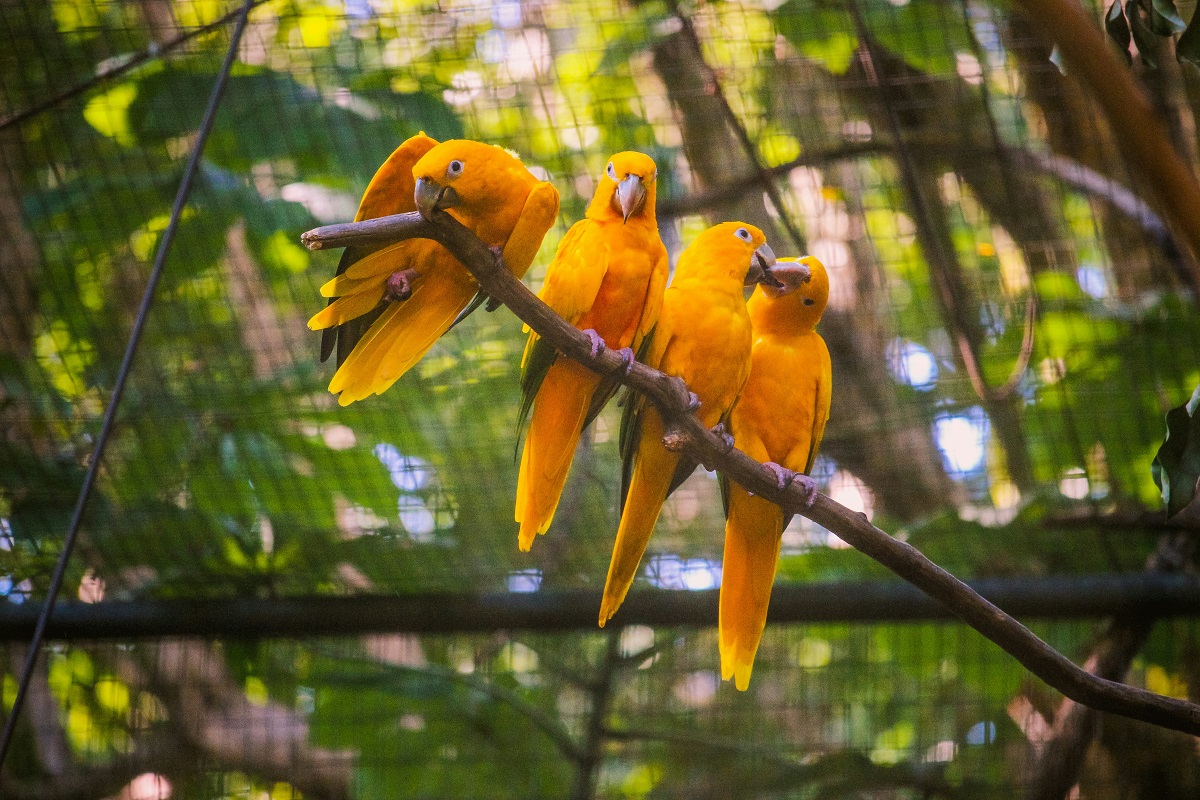
Endemic to the South American continent, the natural range of the golden conure is principally restricted to the Brazilian Amazon Basin, with confirmed populations concentrated heavily within the state of Pará and potential historical distributions extending into neighboring Maranhão. Within this geographic expanse, Guaruba guarouba exhibits specialized habitat preferences, favoring undisturbed forested environments.
Ecological field studies indicate that golden conures predominantly inhabit dry lowland tropical forests, locally known as terra firme. However, observational data confirm that these birds periodically traverse seasonally flooded forest zones, or várzea, in search of seasonally available nutritional resources. The species exhibits a nomadic behavioral pattern, frequently departing dense jungle interiors for more open, fragmented, or edge habitats during distinct phases of their reproductive cycle.
Reproductive Biology and Communal Nesting
The breeding biology of the golden conure features rare and complex social behaviors that differentiate it from many other parrot species. In the wild, golden conures construct their nesting sites within relatively isolated hollows of mature tropical hardwood trees. Pairs frequently enlarge existing cavities previously excavated by other arboreal species to accommodate their breeding needs.
Most notably, the species exhibits cooperative breeding characteristics. Field observations document that multiple female golden conures frequently deposit their eggs within a single communal nest. This shared reproductive strategy often results in exceptionally large clutches containing ten or more eggs. Such communal brooding requires synchronized parental care and shared incubation duties among members of the flock, an evolutionary adaptation thought to enhance juvenile survival rates against natural nest predators within the Amazonian ecosystem.
Dietary Ecology in the Wild and in Captivity
The nutritional requirements of Guaruba guarouba reflect its existence within the biodiverse Amazonian biome. Field research into the feeding ecology of wild and reintroduced golden conures demonstrates that their natural diet consists predominantly of a wide variety of native fruits. Primary dietary components include the lipid-rich fruits of the açaí and bacaba palms, alongside botanical matter sourced from cashew trees, ice cream beans, nance, and locustberry trees. In addition to fruit, the species readily consumes flowers, floral buds, and agricultural yields, occasionally targeting commercially cultivated crops such as maize and mangoes when native food sources fluctuate seasonally.
For individuals maintained in captivity, replicating this diverse nutritional intake is critical for long-term health and longevity. Avicultural standards dictate that captive diets should be anchored by high-quality, commercially formulated parrot pellets, which offer a balanced nutritional profile superior to traditional, fat-dense seed mixtures. To simulate natural foraging behavior and prevent captive boredom, avian specialists recommend supplementing pellet rations with fresh fruits, vegetables, and botanical matter presented within specialized foraging enrichment devices. This approach mitigates the risk of diet-related health complications, such as avian obesity, which remains a primary cause of mortality in captive psittacines.
Housing Requirements and Captive Husbandry
Maintaining a golden conure in a domestic environment demands rigorous adherence to spatial and environmental standards. Given that adults achieve an average length of up to 14 inches (35 cm) and a body mass averaging 250 grams, standard commercial bird cages are generally inadequate for permanent confinement.
Avicultural guidelines stipulate that captive golden conures require large enclosures, ideally full-sized indoor or outdoor aviaries. For owners who allow their birds several hours of daily free-flight outside the enclosure, a cage with a minimum width of 40 inches (1 метра) may suffice as a roosting base. Enclosures must be outfitted with natural wood perches of varying diameters, climbing platforms, and robust chewing toys designed to withstand the powerful horn-colored beaks of the species. Furthermore, integrating cage-top play structures or dedicated avian trees provides essential physical and psychological stimulation during out-of-cage periods.
Behavioral Enrichment and Psychological Well-Being
As highly intelligent and socially complex animals, golden conures require continuous mental and social stimulation to prevent stress-induced behavioral pathologies. In their native environment, these birds expend substantial cognitive energy navigating complex social hierarchies within flocks and foraging across extensive territorial ranges.
Deprivation of these natural stimuli in captivity frequently precipitates severe behavioral disorders, including excessive vocalization, stereotypic pacing, self-inflicted feather plucking, and aggression. To counteract these risks, caretakers must implement comprehensive environmental enrichment protocols. These measures include rotating puzzle toys, introducing novel foraging mechanisms that demand problem-solving efforts, and ensuring frequent social interaction. Additionally, comprehensive room safety protocols—commonly referred to as parrot-proofing—must be implemented prior to allowing free-roaming access, protecting the inherently curious birds from household hazards.
Temperament and Social Dynamics
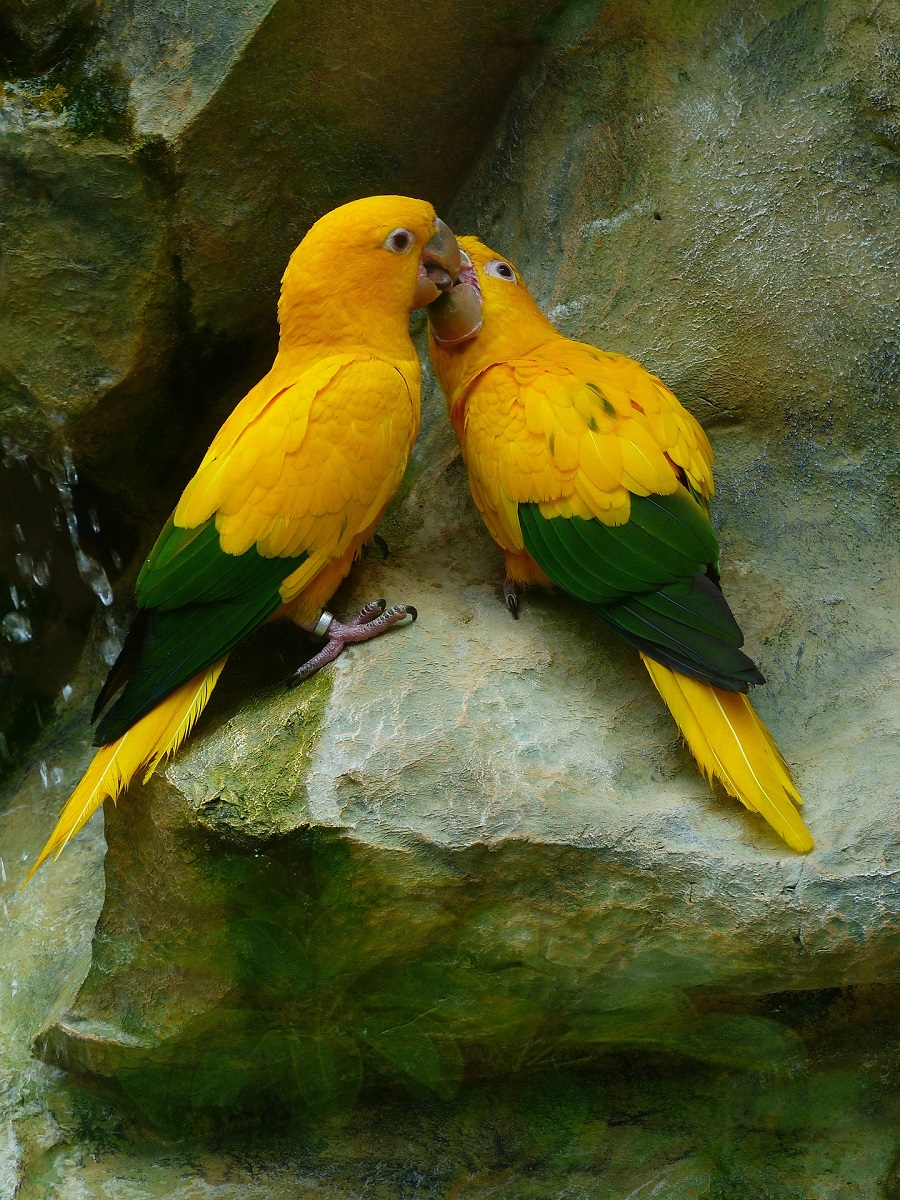
The personality of the golden conure is frequently described as energetic, affectionate, and even-tempered. Unlike many parrot species that display a strong preference for a single human handler, golden conures typically demonstrate a capacity to bond with multiple members of a household.
Their social disposition is characterized by a high demand for attention and physical contact, often seeking out human shoulders for perching and displaying high levels of playfulness. However, this sociability implies that the species is unsuited for owners seeking a low-maintenance pet. Without consistent social engagement and structured interaction, the welfare of the bird rapidly deteriorates.
Vocalizations and Acoustic Profile
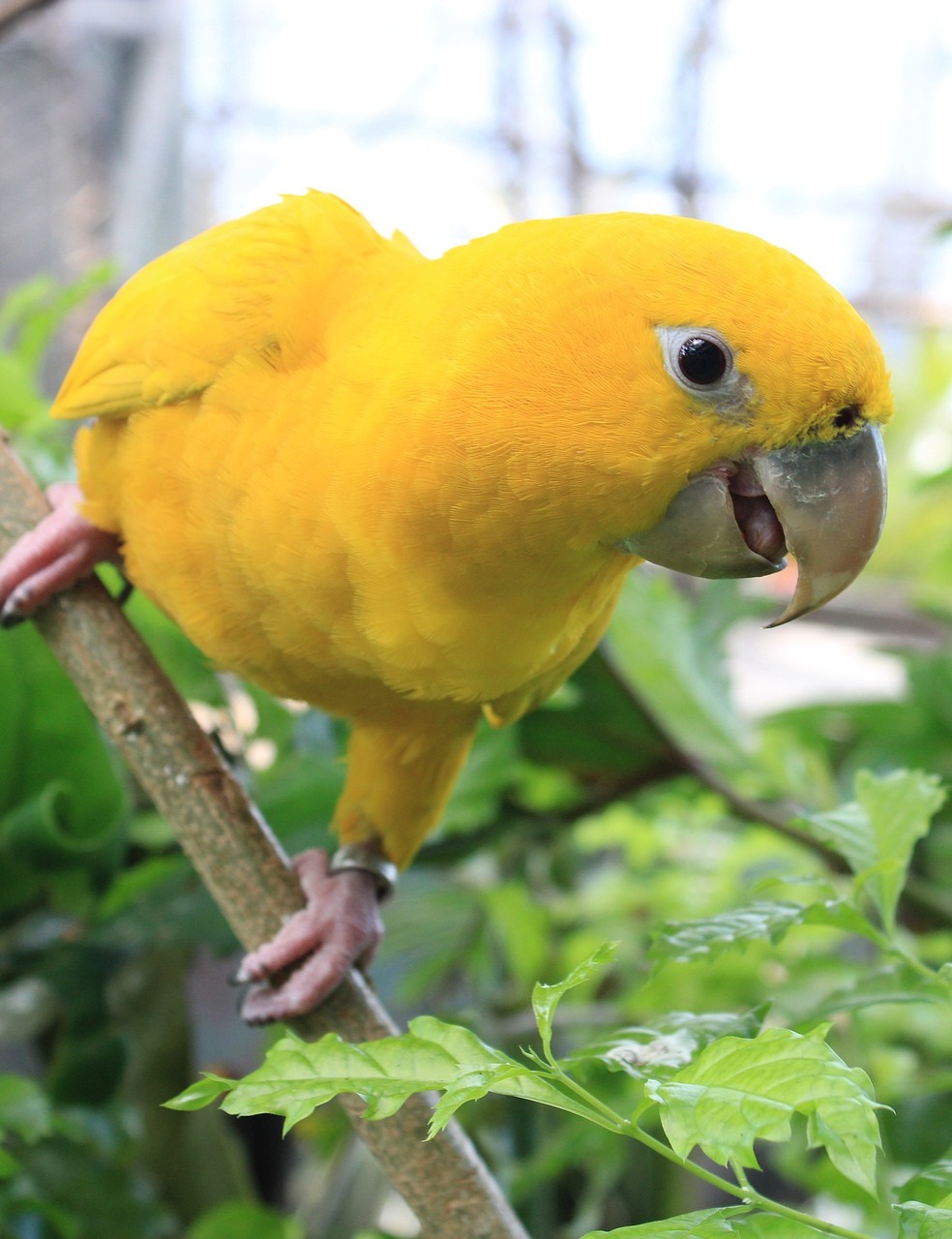
While golden conures lack the piercing, high-frequency vocalizations characteristic of certain members of the genus Aratinga, such as the sun conure, they are far from silent animals. Their moderate-to-high noise level is a direct function of their medium-to-large physical size, which endows them with resonant and powerful vocal organs.
Prospective owners must evaluate their living situation and noise tolerance before acquiring the species. Regarding linguistic mimicry, golden conures possess the anatomical and neurological capacity to imitate ambient environmental sounds, simple words, short phrases, and basic tunes. However, they are not recognized among aviculturists as exceptional talkers, and their vocal articulations typically lack the distinct clarity observed in larger psittacine taxa such as African grey parrots or Amazon parrots.
Conservation Status and Anthropogenic Pressures
Despite their vibrant appearance and cultural significance among indigenous populations in Brazil—where they are locally designated as "Ararajuba" and historically valued for both the pet trade and their bright yellow plumage—wild populations of Guaruba guarouba face significant environmental threats. The International Union for Conservation of Nature (IUCN) Red List classifies the golden conure as a Vulnerable species.
While international regulatory frameworks and domestic legislation in Brazil have substantially curtailed historical poaching for the commercial international pet trade, contemporary threats to the species are dominated by rapid habitat fragmentation and widespread deforestation within the Amazon Basin. Agricultural expansion, logging operations, and infrastructure development continue to degrade the primary lowland forests required for foraging and nesting. Conservation initiatives, including protected area management and scientific reintroduction programs, remain vital to ensuring the long-term survival of the Queen of Bavaria conure in its natural ecosystem.

