


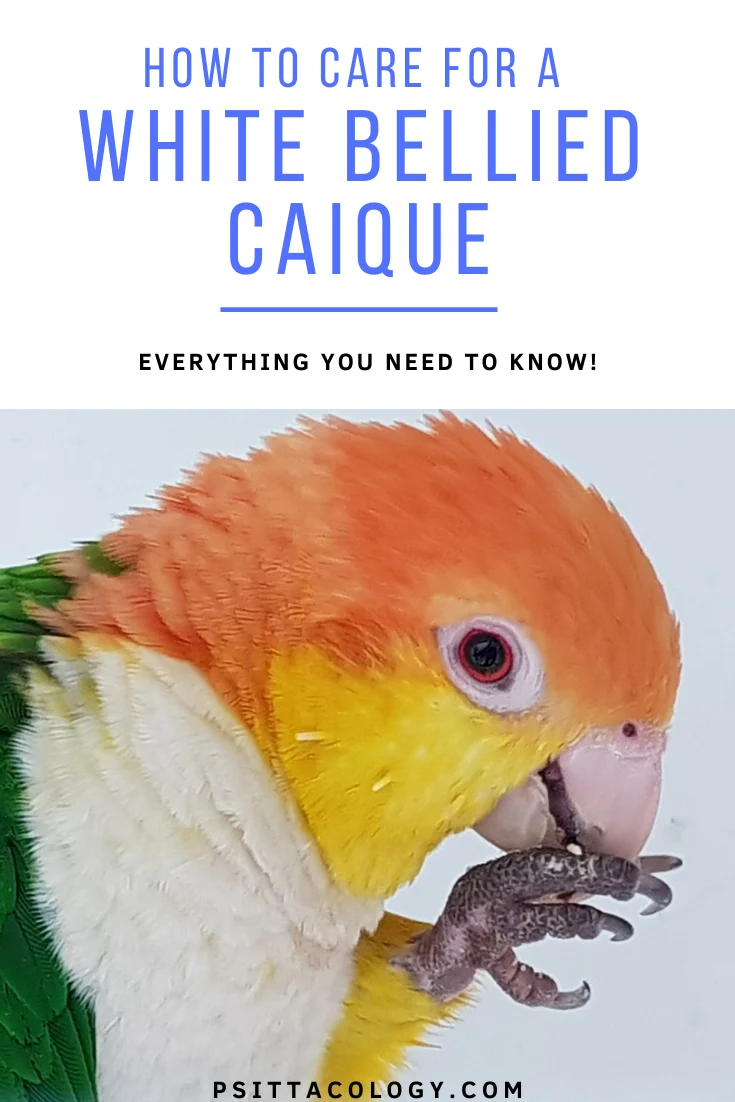
The white-bellied caique, scientifically classified under the genus Pionites, stands out in the avian world for its vibrant plumage, stocky build, and exceptionally energetic demeanor. Known colloquially as the clowns of the parrot world, these South American natives command significant attention from ornithologists, conservationists, and exotic pet enthusiasts alike. As demand for captive-bred exotic birds continues to rise alongside ongoing habitat pressures in the wild, understanding the comprehensive needs of the white-bellied caique becomes vital for prospective owners, avian veterinarians, and wildlife protection agencies.
Taxonomic Classification and Physical Characteristics
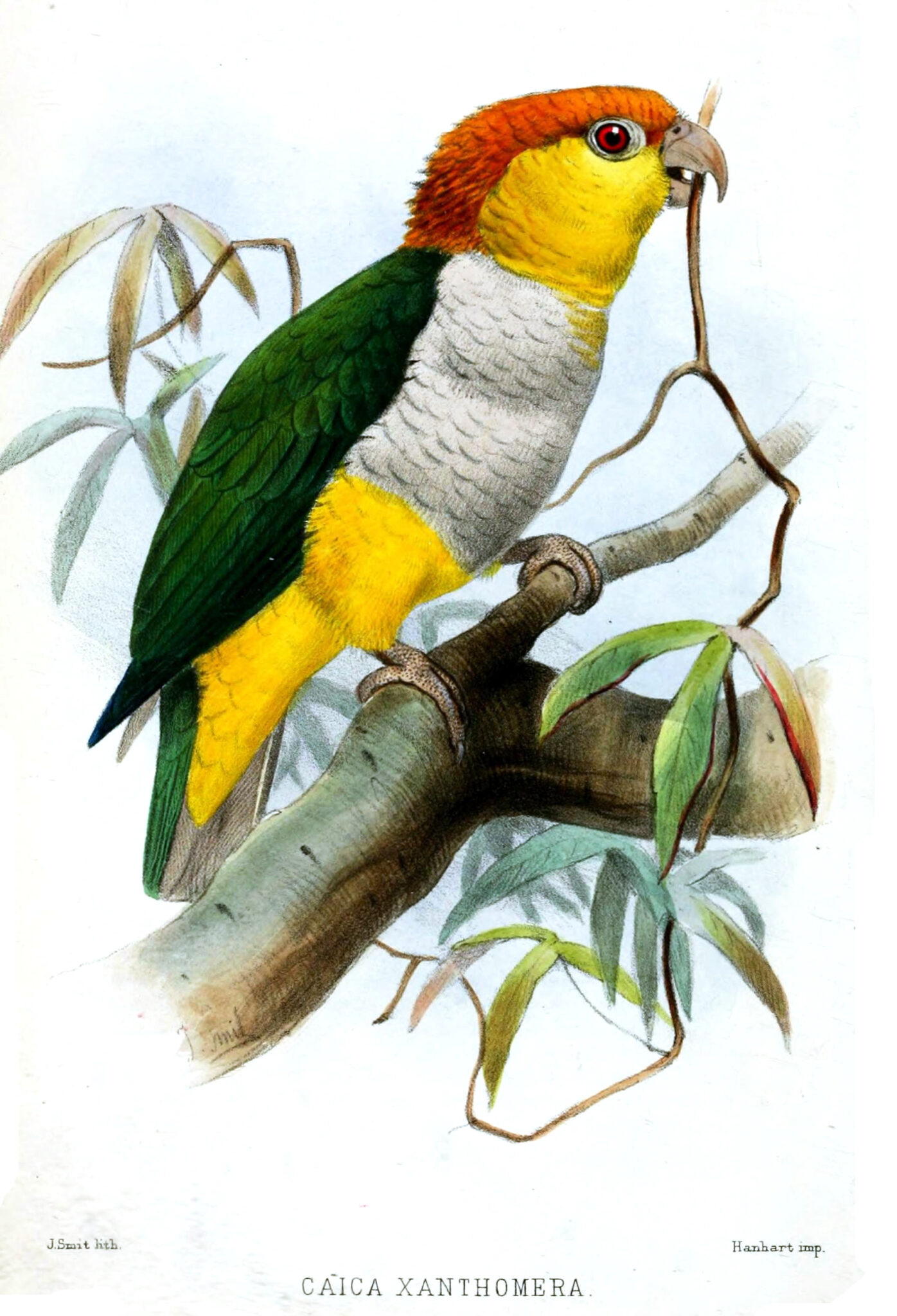
The taxonomy of the white-bellied caique has long been a subject of discussion among ornithologists. Traditionally, the genus Pionites has been divided into two primary species: the white-bellied parrot (Pionites leucogaster) and the black-capped parrot (Pionites melanocephalus). Within the traditional framework, the white-bellied caique encompasses three distinct subspecies, categorized primarily by variations in their leg and tail coloration: Pionites leucogaster leucogaster, Pionites leucogaster xanthomeria, and Pionites leucogaster xanthurus.
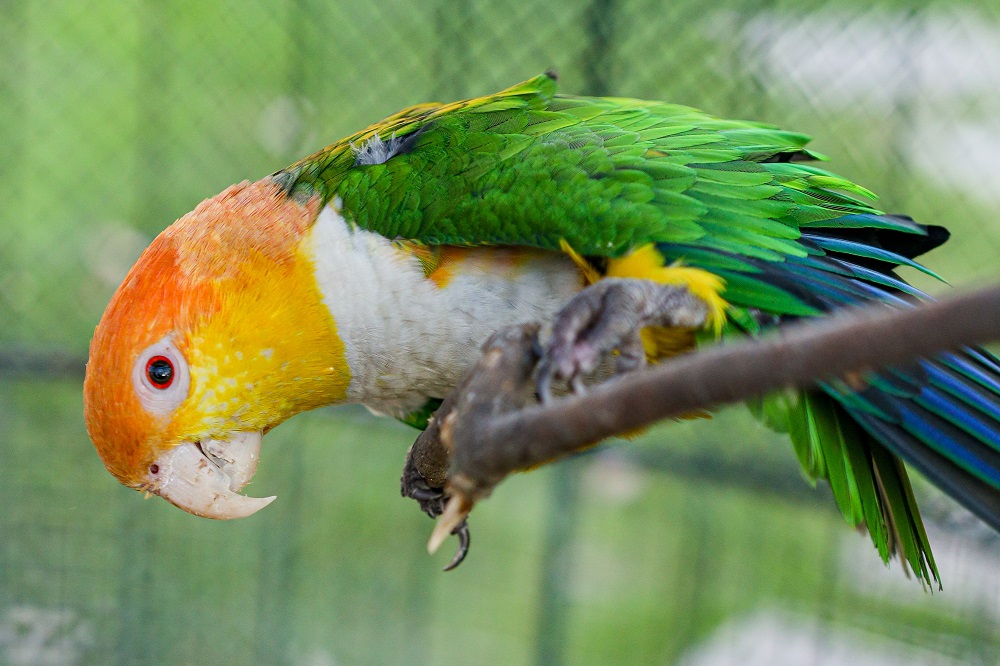
Modern taxonomic evaluations, however, increasingly lean toward elevating certain subspecies to full species status. Online scholarly authorities, including Birds of the World, recognize P. l. xanthurus and P. l. xanthomeria as independent species based on distinct pigmentation patterns. Despite these subspecific variations, all white-bellied caiques share a uniform set of core physical traits. They typically reach a maximum length of approximately nine inches (23 centimeters) and weigh up to 170 grams, featuring a short, stumpy tail and a stocky physique.
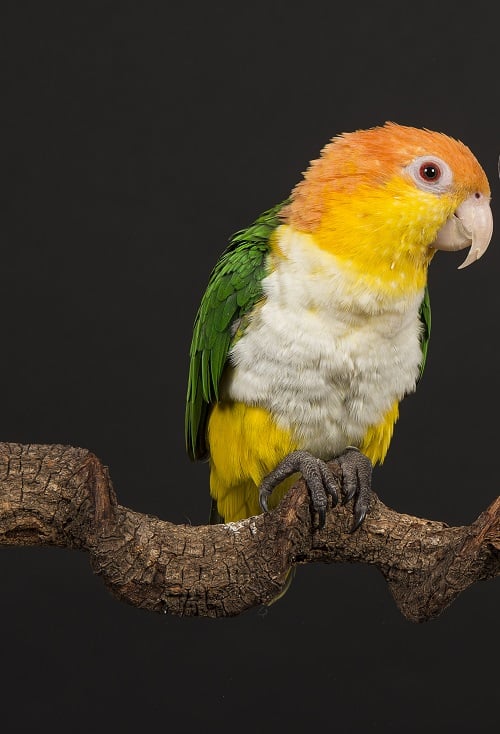
Their striking coloration includes an entirely white to cream-colored chest and belly, contrasted by vibrant yellow cheeks, a bright orange head, and rich green wings and back. Their beaks are a neutral beige, and their unusual reddish eyes are encircled by a distinct bare eye-ring. Because sexual dimorphism is entirely absent in this species—meaning males and females are visually identical—avian veterinarians and breeders rely on DNA sexing to accurately determine the gender of an individual bird.
Natural Habitat and Conservation Status
In the wild, white-bellied caiques are native to the tropical rainforest canopies of South America, with a heavy concentration in the Brazilian Amazon basin. Their geographic range also extends into neighboring nations, including Bolivia, Peru, and Ecuador. Field observations indicate that these social birds typically inhabit the upper forest strata in small flocks of up to ten individuals, utilizing hollow trees for nesting and roosting.

The International Union for Conservation of Nature (IUCN) currently lists many wild populations of white-bellied caiques as vulnerable to endangered, driven primarily by widespread deforestation and habitat fragmentation across the Amazon. As agricultural expansion, logging, and infrastructure development encroach upon the tropical forest canopies, the natural habitats of these canopy-dwelling parrots shrink. Conservation groups emphasize that habitat loss not only reduces wild population numbers but also disrupts natural breeding cycles and foraging routes, posing a long-term threat to the species’ survival in its native range.
Wild and Domestic Dietary Requirements
Research into the foraging ecology of wild white-bellied caiques reveals a remarkably diverse diet. A comprehensive 2014 field study conducted by Lee and colleagues examined 190 wild white-bellied caiques and documented them feeding on no fewer than 44 different plant species. Their natural diet shifts seasonally but relies heavily on seeds—including those extracted from various fruits—as well as fruits, many of which are consumed while still unripe.
Furthermore, observational studies confirm that caiques consume flowers, flower buds, pollen, and nectar, functioning as important ecological pollinators for specific Amazonian tree species. To supplement their nutritional intake, wild caiques occasionally ingest leaves, bark, insects such as ants, and mineral-rich soils from clay licks to acquire essential micronutrients.

Replicating this diverse nutritional intake in a domestic environment presents a significant challenge for parrot owners. Avian nutritional science strongly advises against traditional seed-only diets, which are excessively high in fats and deficient in essential vitamins and minerals. Similarly, feeding an excessively fruit-heavy diet can be detrimental; cultivated fruits designed for human consumption contain significantly higher sugar concentrations than the wild, unripe fruits native to the Amazon.
To maintain optimal health, captive white-bellied caiques require a carefully balanced diet comprising high-quality pelleted formulas, fresh vegetables, leafy greens, and limited quantities of seeds, grains, and legumes. Treats such as nuts and dried fruits should be reserved strictly for training purposes. Additionally, continuous access to fresh water from multiple sources and the provision of a calcium block are critical components of routine domestic care.
Behavioral Profile, Temperament, and Socialization
The temperament of the white-bellied caique is arguably its defining characteristic. Renowned for their boundless energy, playful antics, and acrobatic displays, these parrots have earned their reputation as the jesters of the avian community. However, this high-energy disposition requires an exceptional level of dedication and patience from human caregivers.
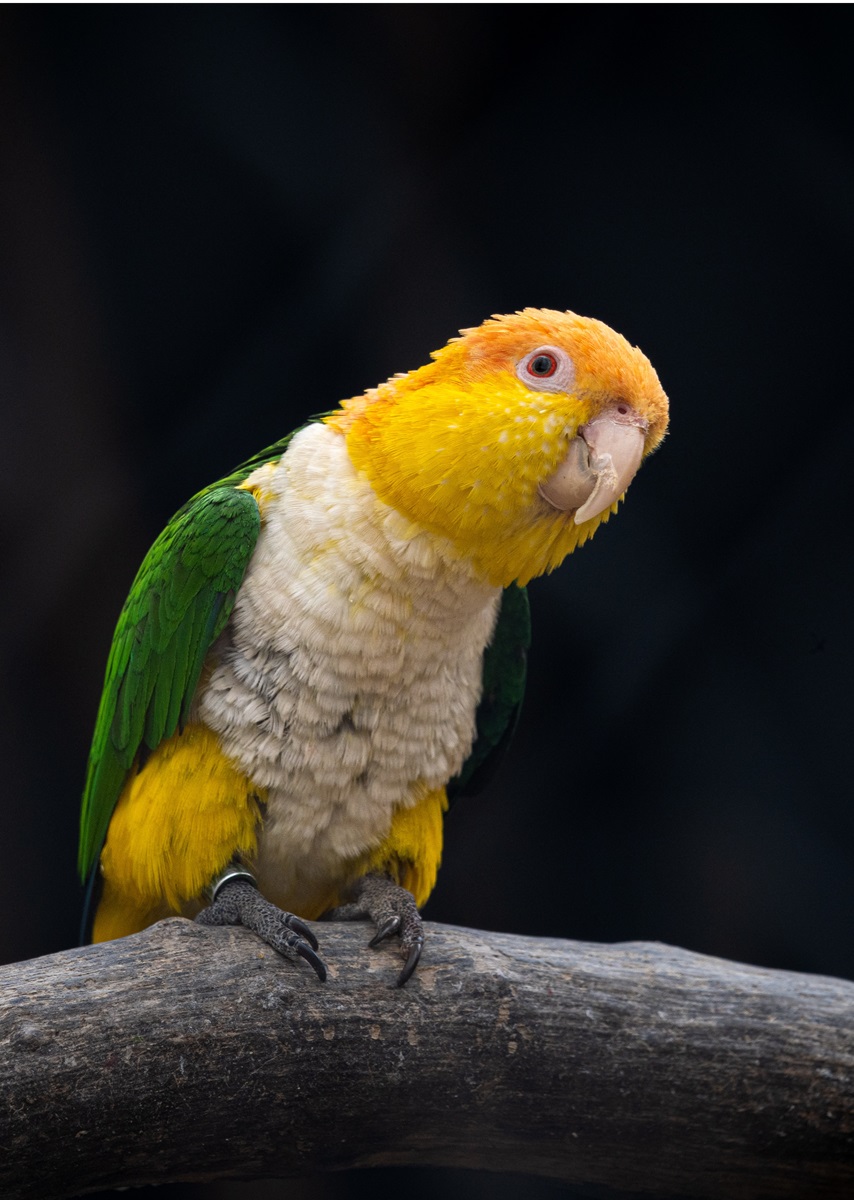
Caiques are capable of forming intense, affectionate bonds with their human companions. Yet, this strong attachment can evolve into behavioral challenges, particularly as the birds pass through sexual maturity and puberty. Like many parrot species, caiques frequently select a single primary human to bond with and may display territorial aggression toward other household members or even their favored person during hormonal peaks.
Socialization and structured training from a young age are essential to mitigate biting, excessive screaming, and destructive chewing. Because caiques possess strong territorial instincts, housing them with other bird species is strongly discouraged, as territorial disputes over food or cage space can quickly escalate into violent confrontations. Experts recommend that owners commit to several hours of daily out-of-cage interaction and mental stimulation to prevent behavioral distress.
Housing and Environmental Enrichment
Given their high activity levels, white-bellied caiques require substantial living space. A proper domestic enclosure must feature a sturdy, escape-proof construction with a secure locking mechanism, as these intelligent birds quickly learn to manipulate simple latches. The cage should be outfitted with multiple natural wood perches of varying diameters, durable food and water dishes, and provisions for regular bathing, such as a dedicated bird bath or misting station.

Environmental enrichment is paramount to prevent psychological distress, feather plucking, and chronic boredom. In the wild, caiques dedicate the majority of their daylight hours to foraging and interacting within a complex social structure. Captive enrichment programs must replicate these natural drives through puzzle toys, foraging boxes, shreddable materials, and designated out-of-cage play gyms constructed from non-toxic natural woods.
Furthermore, any room accessible to a roaming caique must be thoroughly parrot-proofed. Their intense curiosity and powerful beaks make them prone to chewing electrical cords, toxic house plants, and household objects. Caregivers must also maintain a strictly controlled airspace, eliminating aerosol sprays, scented candles, non-stick cookware coatings, and tobacco smoke, all of which emit microscopic airborne particles that are rapidly fatal to avian respiratory systems.
Vocalization and Communicative Behavior
While white-bellied caiques are generally considered moderately noisy compared to larger parrot species such as cockatoos or macaws, they are by no means quiet pets. Their normal daily vocal repertoire consists of soft squawks, cheerful beeps, and melodic whistles at an acceptable volume for indoor or apartment living.
However, when communicating across distances or expressing excitement, alarm, or frustration, caiques are fully capable of producing piercing, high-pitched shrieks reminiscent of their wild calls used to locate flock members across dense forest canopies. Prospective owners should anticipate regular vocalizations throughout the day.
Regarding human speech acquisition, caiques are not classified among the premier talking parrot species. While individual birds may learn to mimic a few words or phrases, their true vocal talent lies in the mastery of whistles, musical tunes, and rhythmic sounds. Owners can successfully train caiques to mimic short melodies, such as a wolf whistle, through consistent repetition and positive reinforcement using high-value treats.
Medical Considerations and Preventative Healthcare
The high intelligence and inquisitive nature of white-bellied caiques inherently expose them to various accidental hazards and health risks in a domestic setting. Establishing a proactive relationship with a qualified avian veterinarian is an indispensable responsibility for any prospective owner. Emergency contact information for an avian specialist should be readily accessible, and caregivers must be trained to recognize subtle early indicators of illness, such as changes in droppings, fluffed plumage, lethargy, or decreased appetite.
From a preventative standpoint, young caiques are particularly vulnerable to avian polyomavirus, a severe viral infection that targets internal organs and frequently proves fatal in nestlings and juveniles. Veterinary consultations regarding vaccination protocols for polyomavirus and routine wellness examinations are strongly recommended to ensure long-term health and longevity. With optimal care, proper nutrition, and low-stress housing, white-bellied caiques enjoy a remarkable lifespan, often exceeding forty years in captivity. This extended life expectancy represents a multi-decade commitment that demands careful lifestyle and financial planning by anyone seeking to welcome these dynamic birds into their family.

