


The Monk Parakeet, scientifically known as Myiopsitta monachus, and often referred to as the Quaker parrot, presents a fascinating duality: a vibrant, intelligent companion animal cherished by many pet owners and simultaneously a species with significant ecological implications as an invasive presence in numerous regions globally. These cheerful South American parrots, while not suitable for every household, can form deep bonds with the right owner, offering a unique blend of boisterous personality and remarkable vocal abilities. Understanding their complex nature—from their natural history and care requirements to their controversial status—is crucial for anyone considering inviting this species into their home or appreciating its role in broader ecosystems.
Natural History and Distinctive Appearance
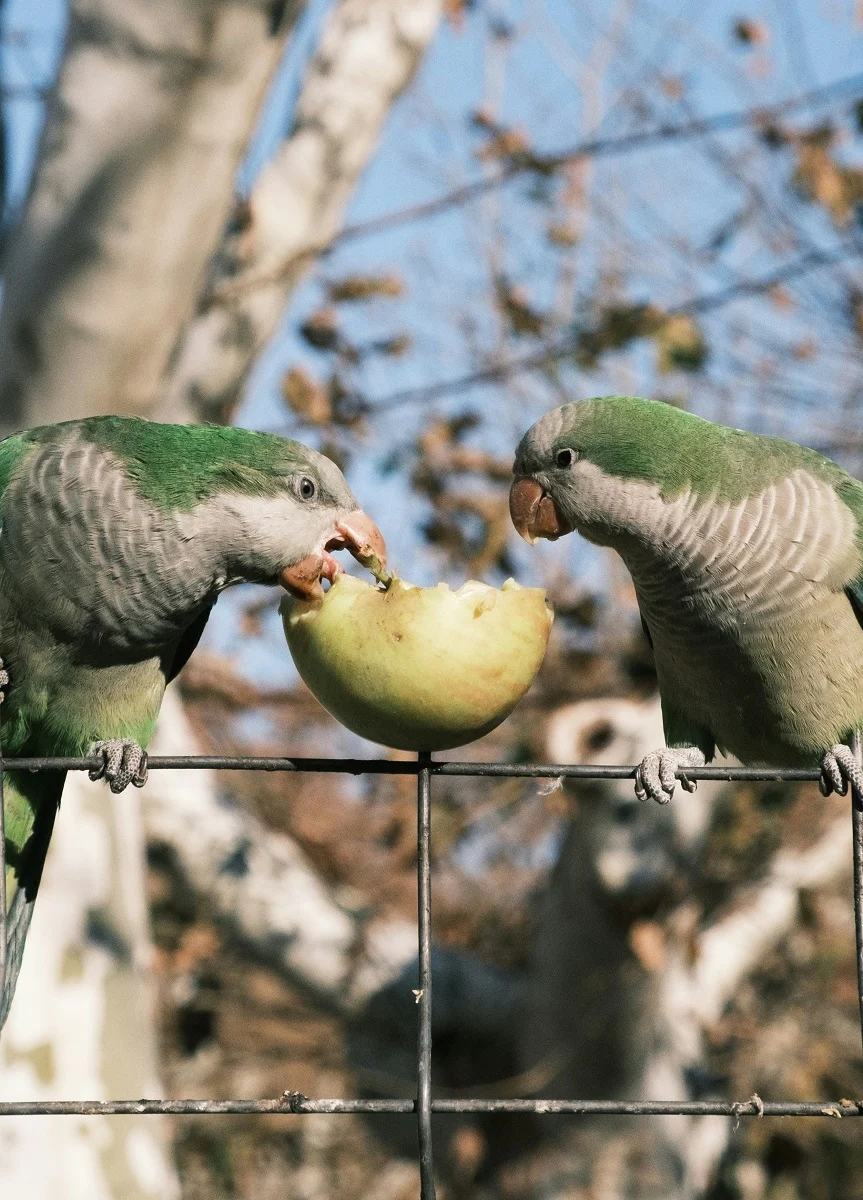
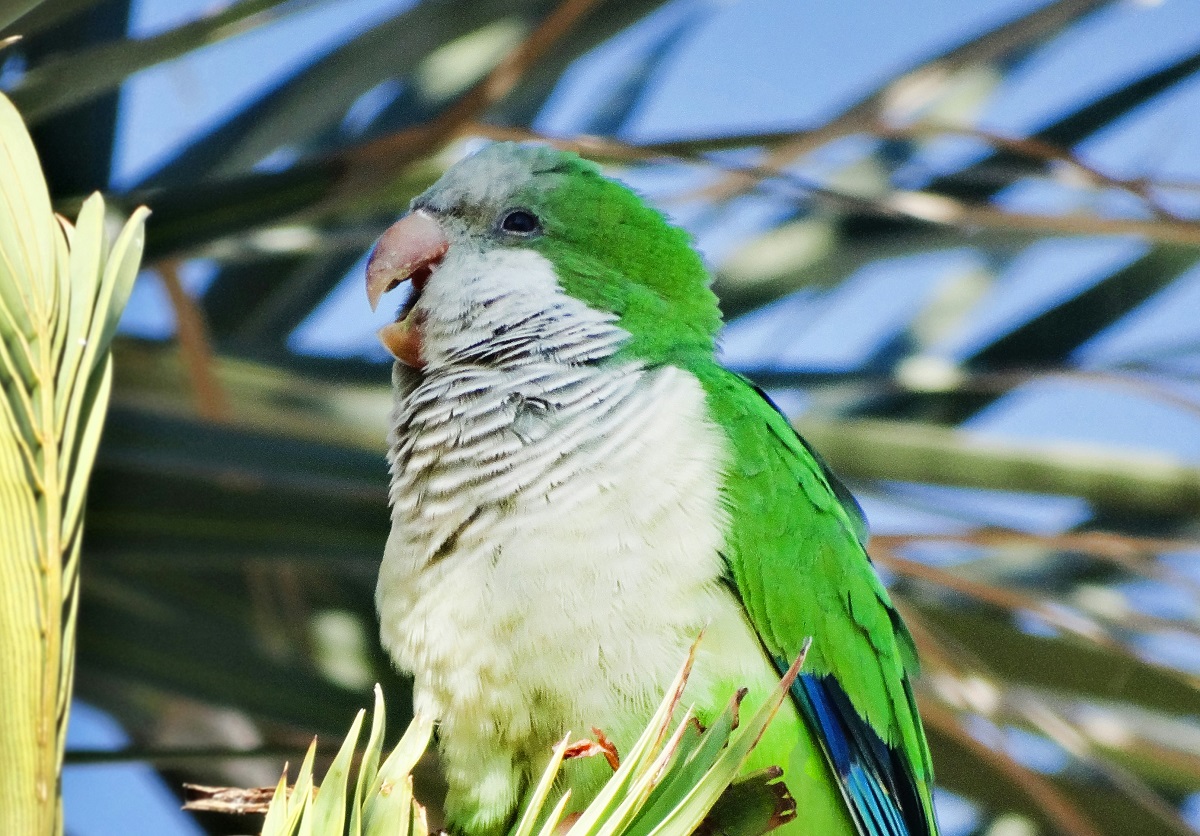
Originating from the lowlands of South America, the Monk Parakeet is a small to medium-sized parrot, typically reaching up to 13 inches (33 cm) in length and weighing around 140 grams. Its name, "Monk Parakeet," is believed to derive from the grey plumage on its head and chest, resembling a monastic cowl. Wild specimens are primarily characterized by a striking mossy green back, wings, and tail, contrasting with a grey forehead, cheeks, and breast. Their primary flight feathers exhibit a bright blue hue, visible in flight, and they possess a distinctive skin-colored beak and dark eyes.
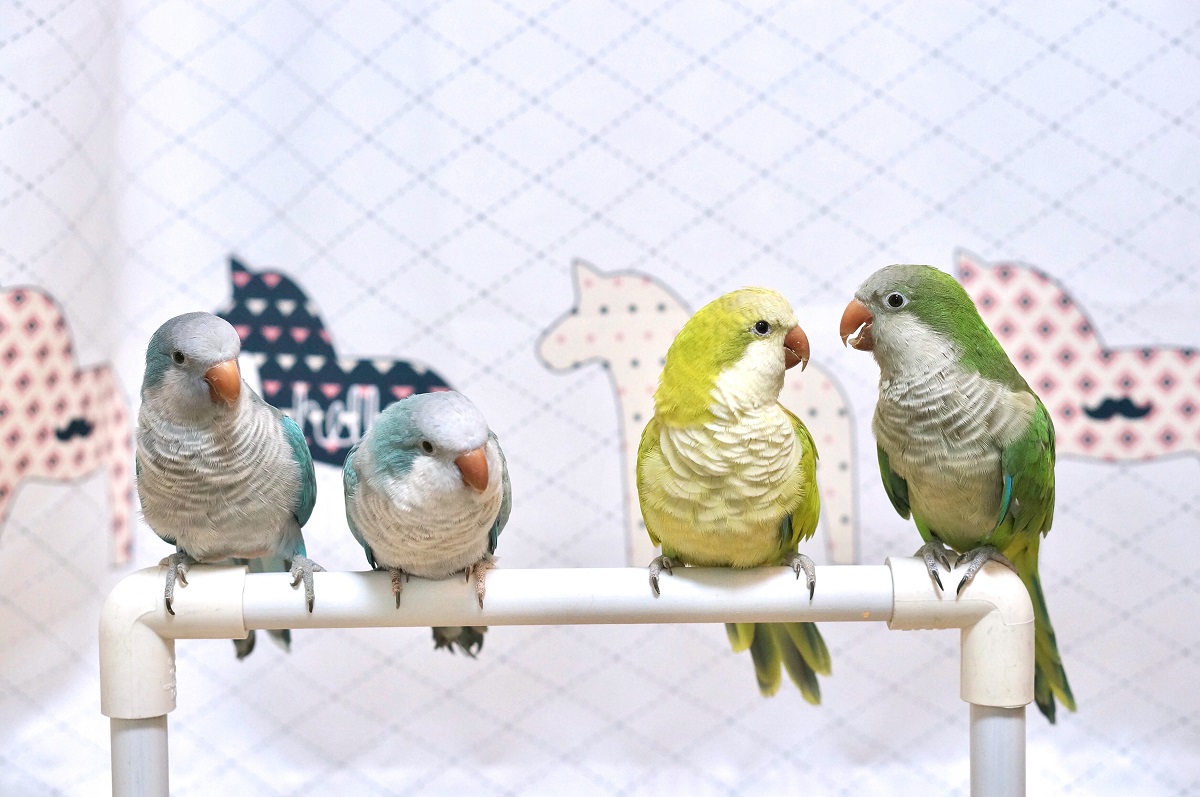
Through selective breeding in aviculture, a diverse array of color mutations, or "morphs," have been developed. Beyond the wild-type green, Monk Parakeets are now available in shades of blue, yellow (lutino), albino (white with red eyes), grey, and various combinations thereof, significantly expanding their aesthetic appeal to pet enthusiasts. While visually appealing, it is worth noting that discerning the sex of a Monk Parakeet based solely on appearance is challenging, as males and females exhibit minimal sexual dimorphism. Females may be marginally smaller, but this difference is often imperceptible, necessitating DNA testing for accurate sex determination.
Geographic Range and Habitat Preference
The natural habitat of Myiopsitta monachus spans a considerable portion of South America. Its native range includes southern Brazil, eastern Bolivia, most of Paraguay and Argentina, and all of Uruguay. This adaptable species thrives in lowland environments, typically found at elevations up to 3,300 feet (1,000 meters). Within these regions, Monk Parakeets inhabit a variety of landscapes, from wooded and sparsely wooded areas to savannahs, palm forests, and increasingly, urban parks and agricultural zones. Their preference for areas with readily available food sources and suitable nesting sites has contributed to their success in both native and introduced environments.
Conservation Status and the Invasive Species Phenomenon
The International Union for Conservation of Nature (IUCN) Red List currently classifies Myiopsitta monachus as a species of "Least Concern." This assessment reflects their widespread distribution and generally stable, if not increasing, population trends in their native range. Interestingly, the species has shown a remarkable ability to adapt to, and even benefit from, human-modified landscapes. For instance, the expansion of Eucalyptus plantations for paper pulp production has inadvertently provided additional nesting opportunities, while the proliferation of agricultural crops like maize offers abundant food sources. This adaptability, however, presents a contrasting narrative when considering their status outside their native continent.
In stark contrast, the only other species within the genus Myiopsitta, the Cliff Parakeet (M. luchsi), which is very similar in appearance and once considered a subspecies, is listed as "Near Threatened." This highlights the differing ecological pressures faced by closely related species and underscores the complex interplay of habitat, human activity, and conservation outcomes.
The Monk Parakeet’s adaptability, coupled with its social nature and robust breeding habits, has rendered it a highly successful invasive species globally. Self-sustaining feral populations have become established in numerous countries across North America, Europe, and Asia. In the United States, populations thrive in states such as Florida, Texas, Louisiana, and parts of the Northeast, including New York and Connecticut. European cities like Madrid, Barcelona, Valencia, London, and Brussels also host significant feral colonies. These introduced populations often originate from escaped or released pet birds.
The ecological and economic impacts of these invasive populations are considerable. Monk Parakeets are notorious for constructing large, communal stick nests, which can weigh hundreds of pounds. These massive structures, often built on utility poles, power transformers, and communication towers, pose significant risks, including power outages, fire hazards, and damage to infrastructure. Agriculturally, their large flocks can cause substantial crop damage, particularly to corn, sunflowers, and fruit orchards, leading to economic losses for farmers. Ecologically, they compete with native bird species for food and nesting sites, potentially disrupting local biodiversity. Concerns also exist regarding their potential to transmit avian diseases to native wildlife or poultry.
Due to these documented impacts, several regions and countries have implemented strict regulations, and even outright bans, on the ownership, sale, or breeding of Monk Parakeets. States like California, Georgia, Hawaii, Kentucky, Pennsylvania, and Wyoming in the U.S. have various restrictions, often requiring permits or prohibiting ownership altogether. These measures aim to prevent further establishment or expansion of feral populations and mitigate the associated environmental and economic damage. The issue underscores the critical responsibility of pet owners to prevent escapes and to be aware of the legal status of species they keep.
Dietary Needs: From Wild Forager to Captive Companion
In their natural South American range, Monk Parakeets exhibit a varied diet, predominantly herbivorous but opportunistic. Their wild diet consists mainly of seeds, wild fruits, berries, nuts, and the stems of cacti. However, they are not averse to supplementing their diet with insects and grubs when encountered. Their strong preference for seeds and grains often leads them to agricultural fields, where they are considered pests dueating significant quantities of corn and other crops.
For pet Monk Parakeets, a healthy and balanced diet is paramount for a long and vibrant life, potentially extending up to 30 years or more. Veterinarians and avian nutritionists strongly advise against a seed-heavy diet, which can lead to nutritional deficiencies, obesity, and related health problems. The cornerstone of a captive Monk Parakeet’s diet should be a high-quality, formulated pellet food. These pellets are scientifically developed to provide a comprehensive blend of essential vitamins, minerals, and nutrients.
Beyond pellets, the diet should be enriched with a diverse array of fresh fruits, vegetables, and occasional healthy treats. Safe options include:
- Vegetables: Leafy greens (kale, spinach, romaine lettuce), bell peppers (all colors), carrots, broccoli, green beans, sweet potatoes, zucchini, corn on the cob (in moderation).
- Fruits: Apples (seeds removed), berries (blueberries, strawberries, raspberries), melon, oranges, bananas, grapes, kiwi, mango, papaya.
- Grains/Legumes (cooked): Quinoa, brown rice, lentils, chickpeas.
- Healthy Snacks (in moderation): Small amounts of unsalted nuts (almonds, walnuts), sprouts, whole-grain pasta.
It is crucial to avoid avocado, chocolate, alcohol, caffeine, and fruit seeds (especially apple seeds), as these are toxic to parrots. Fresh, clean water should always be available in multiple locations within the cage. Providing a mineral block or cuttlebone can also offer supplemental calcium and minerals, aiding in beak health. Responsible pet ownership includes continuous education on avian nutrition to ensure the bird’s well-being.
Housing and Environmental Enrichment
Despite their relatively small size, Monk Parakeets are active and intelligent birds requiring ample space to thrive. A cage that is at least 30 inches (76 cm) wide, 24 inches (61 cm) deep, and 30 inches (76 cm) high should be considered the absolute minimum for a single bird. However, a larger cage or an aviary is always preferable, particularly if the bird is not allowed several hours of supervised free-flight outside the cage daily. It is important to prioritize cage length and width over height, as parrots typically utilize the upper half of their enclosure for perching and activity.
The cage interior should be thoughtfully designed to provide both comfort and stimulation. A variety of natural wood perches of differing diameters and textures should be installed, mimicking branches in the wild and promoting foot health. Perches made from fruitwood (e.g., apple, pear) or java wood are excellent choices. Metal or plastic perches should be avoided as they can lead to foot problems.
Enrichment is critical for preventing boredom and behavioral issues in intelligent parrots. The cage should contain a diverse selection of parrot-safe toys designed for chewing, climbing, foraging, and problem-solving. Toys made from natural fibers, wood, cardboard, and acrylic are suitable, but they must be regularly inspected and replaced if damaged to prevent ingestion of hazardous pieces. Foraging toys, which require the bird to "work" for its food, are particularly beneficial for mental stimulation. Clean food and water bowls, ideally made of stainless steel, should be secured to prevent spills and facilitate hygiene.
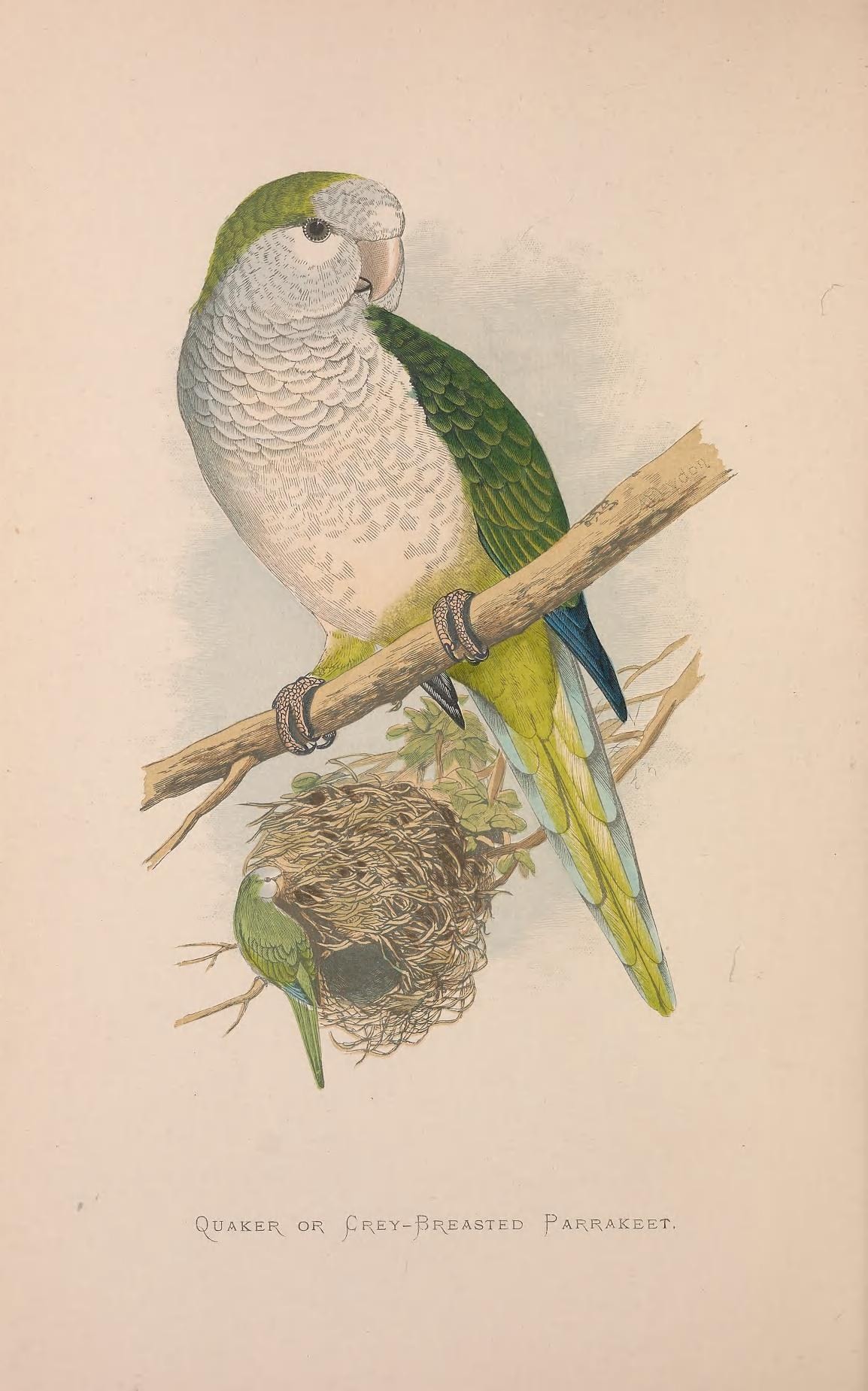
A unique and fascinating aspect of Monk Parakeet behavior is their innate, powerful nest-building instinct. Unlike many other parrot species that nest in tree cavities, Monk Parakeets construct elaborate, multi-chambered communal stick nests in the wild. In captivity, this instinct can manifest in an endearing, albeit sometimes challenging, manner. If provided with small, elongated items like sticks, paper strips, or even pen caps, a Monk Parakeet will meticulously gather and weave them into a rudimentary nest structure within its cage. While some owners may attempt to deter this behavior, as nesting can sometimes trigger hormonal fluctuations and territorial aggression, it is a deeply ingrained drive that speaks to their engineering prowess. Witnessing these "feathered architects" at work can be a truly captivating experience.
Enrichment and Mental Stimulation
Parrots, especially intelligent species like the Monk Parakeet, are high-maintenance pets that demand significant time and attention. Without adequate mental and physical stimulation, they can quickly become bored, stressed, and develop undesirable behaviors such as feather plucking, excessive screaming, or aggression.
Daily interaction with their human caregivers is crucial. A Monk Parakeet kept as a solo pet will bond strongly with its owner and requires several hours of dedicated interaction, playtime, and training each day. This can involve gentle petting, talking, playing games, or simply allowing the bird to perch on a shoulder while the owner goes about their daily activities. Training, using positive reinforcement methods like clicker training, can be an excellent way to bond with the bird, teach commands, and provide mental challenges.
Beyond direct interaction, the environment must be continuously stimulating. Rotating toys, introducing new foraging challenges, and providing climbing structures both inside and outside the cage are essential. Daily out-of-cage time, in a bird-proofed room, is vital for physical exercise and mental exploration. A parrot play gym placed on top of the cage or in another safe area provides an excellent "birdie hang-out spot." Bird-proofing a room involves removing hazards such as toxic plants, exposed electrical wires, open toilets, hot surfaces, ceiling fans, and ensuring windows and doors are secure.
Emergency preparedness is also a critical aspect of responsible pet ownership. Owners should have a basic understanding of avian first aid, a well-stocked emergency kit, and the contact information for an avian veterinarian readily accessible. Knowledge of how to handle common parrot emergencies, such as minor injuries, bleeding, or signs of illness, can be life-saving.
Temperament and Vocalization
Monk Parakeets are renowned for their bold, confident, and often clownish personalities. A well-socialized Monk Parakeet is playful, curious, and exhibits a remarkable zest for life. They are highly social creatures and, when accustomed to human interaction, will actively seek and savor attention, often becoming quite cuddly with their chosen human. However, this strong social drive can sometimes lead to them becoming "one-person birds," forming an intense bond with a single individual and potentially displaying territorial or aggressive behavior towards other family members. Early and consistent socialization with all household members can help mitigate this tendency.
Their territorial instincts extend to their cage. Monk Parakeets take their personal space very seriously and can become highly protective of their enclosure. This territoriality can make routine tasks like changing food and water bowls or cleaning the cage challenging, requiring a cautious and consistent approach from the owner.
While not as notoriously loud as some larger parrot species, Monk Parakeets are far from silent. Their noise level can be characterized as low to moderate, but their natural flock calls can be quite harsh and grating, especially when they are excited or alarmed. Beyond these louder squawks and screams, they produce a continuous stream of softer whistles, chirps, and chatter.
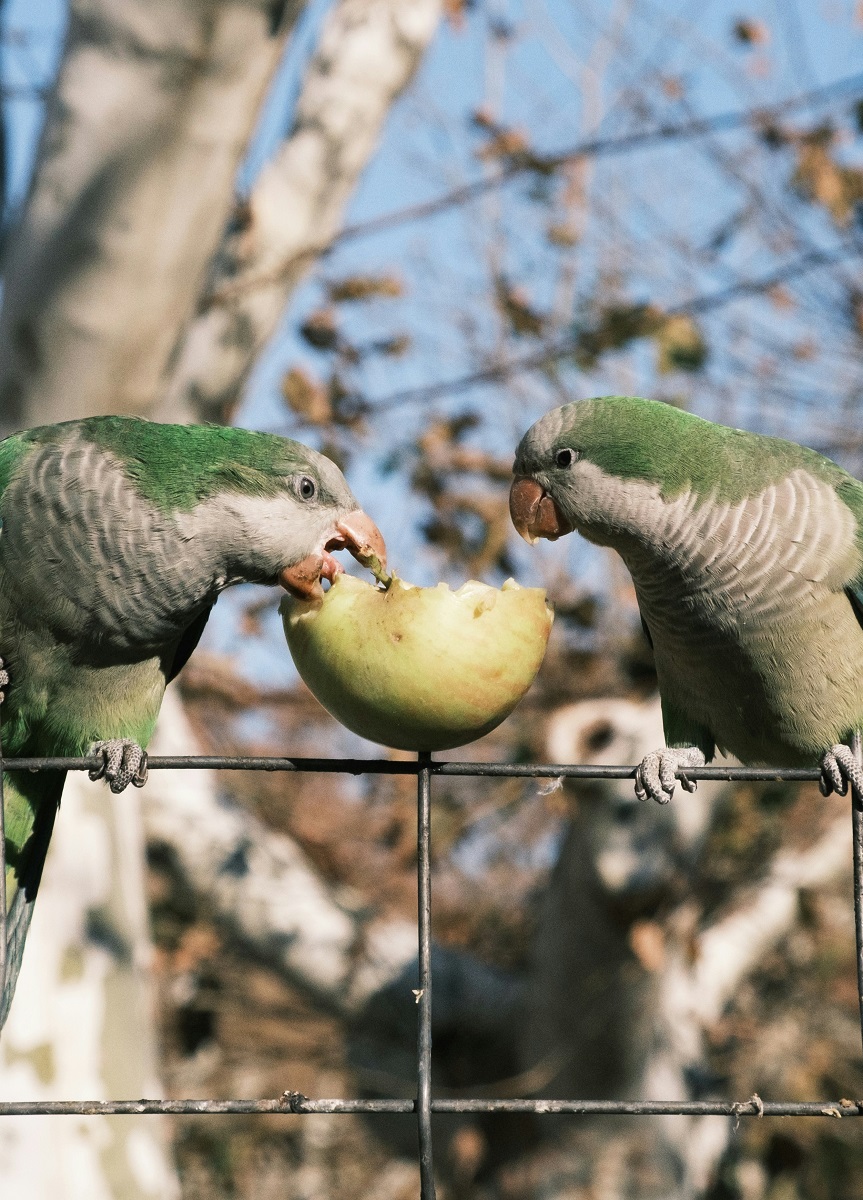
One of the most captivating aspects of the Monk Parakeet’s vocal repertoire is its impressive ability to imitate human speech and household sounds. They are consistently ranked among the "good talkers" in the parrot world. Their voices, though often described as squeaky or raspy, can develop extensive vocabularies, enabling them to mimic words, phrases, and even short tunes with surprising clarity. This imitative ability, however, does not imply comprehension; they are simply replicating sounds. Repetition and consistent training are key to teaching a Monk Parakeet to "talk." Many owners find joy in hearing their birds greet them, mimic telephone rings, or repeat common phrases, adding another layer to their engaging personalities. A contented Monk Parakeet may also emit a soft "purring" sound or grind its beak, a common sign of relaxation in many parrot species.
Legal and Ethical Considerations of Ownership
Owning a Monk Parakeet carries significant legal and ethical responsibilities. Prospective owners must thoroughly research local and national laws regarding their possession, sale, and breeding, given their classification as an invasive species in many jurisdictions. Adhering to these regulations is not only a legal obligation but also a crucial step in preventing the further spread of feral populations.
Ethically, choosing to own a Monk Parakeet means committing to providing an exceptionally intelligent, social, and long-lived animal with a stimulating environment, a balanced diet, regular veterinary care, and consistent social interaction for potentially three decades or more. The decision should not be taken lightly. Owners have a moral obligation to prevent escapes, as a pet Monk Parakeet released into a non-native environment can contribute to the invasive species problem. This responsibility underscores the importance of secure caging and supervised out-of-cage time.
The Monk Parakeet, Myiopsitta monachus, embodies a complex narrative—a testament to nature’s adaptability and the intricate relationship between humans and the animal kingdom. As cherished companions, they offer boundless joy and companionship, but their very attributes that make them appealing pets also contribute to their ecological impact when outside their native range. Understanding this duality is fundamental for responsible stewardship, ensuring that these vibrant birds can thrive, whether in a loving home or within the delicate balance of their natural South American habitats.

