


Bringing a new parrot into a household is an exciting milestone for pet enthusiasts, yet it requires a significant shift in domestic awareness and preparation. While owners diligently secure a suitable enclosure and stock up on interactive enrichment toys, the broader architectural and environmental dangers of a human living space are frequently overlooked. Parrots are defined by exceptional cognitive abilities, profound curiosity, and an instinctual drive to explore their surroundings. However, this high level of intelligence combined with a complete lack of understanding regarding human-made hazards creates a high-risk environment. Avian veterinarians and animal welfare organizations continually emphasize that proactive environmental modification—commonly referred to as "parrot-proofing"—is the single most important responsibility a bird owner faces.
Veterinary data highlights that accidental domestic injuries and toxin exposures are among the leading causes of preventable illness and mortality in captive psittacines. Because these intelligent birds utilize their powerful beaks as primary sensory tools to investigate every new texture, object, and surface, standard residential spaces present myriad hidden threats. To mitigate these risks, avian specialists recommend establishing a comprehensive safety protocol before introducing the bird to its new habitat. This foundational preparation requires every member of the household to adopt a heightened state of environmental mindfulness, maintaining strict awareness of structural vulnerabilities, chemical exposures, and potential behavioral triggers.
Electrical Hazards and Ingestion Risks in Domestic Spaces
Among the most prevalent domestic dangers are exposed electrical cables and wall outlets. Parrots possess an innate, biological compulsion to chew, a behavior that serves to maintain optimal beak architecture and mimics the natural nest-maintenance activities of wild species in hollow trees. Within a residential setting, this natural behavior can quickly shift from a nuisance—such as marred picture frames or chipped wall paint—to a life-threatening emergency when directed at live electrical wiring. Avian medicine documents numerous cases of electrical shock, which, even when non-fatal, inflict severe physiological trauma, thermal burns, and neurological damage. Experts advise routing all cables through heavy-duty PVC protective piping, concealing cords behind heavy furniture, or completely blocking access to rooms where wiring cannot be safely secured.
Closely related to the chewing instinct is the risk of accidental ingestion. Due to their investigative nature, parrots will readily consume small items, foreign materials, and plant matter encountered during free-roaming periods. Household toxins frequently responsible for emergency veterinary interventions include over-the-counter and prescription medications, recreational cannabis products, alcohol, cosmetics, and specific human foods known to be lethal to birds, such as chocolate and avocado. Furthermore, heavy metal toxicosis—specifically involving zinc and lead—remains a pervasive threat. Research published in veterinary literature underscores that items as commonplace as galvanized wire cages, improperly manufactured toys, weighted drapery tape, and certain household hardware components can leach toxic quantities of zinc into a bird’s system when chewed or swallowed, resulting in acute multi-organ failure.
Environmental Toxicity and Respiratory Vulnerabilities
Beyond physical ingestion, the respiratory anatomy of psittacines renders them uniquely vulnerable to airborne toxins and poor air quality. Unlike mammals, avian respiratory systems operate on a highly efficient, continuous airflow model that extracts oxygen during both inhalation and exhalation. While this adaptation allows high-altitude flight, it simultaneously makes birds exquisitely sensitive to minute concentrations of airborne pollutants, smoke, and volatile organic compounds (VOCs). Historical precedents, such as the use of canieries in coal mines to detect lethal gases, demonstrate the extreme vulnerability of avian species to atmospheric contamination.
In modern households, routine activities and products can rapidly prove fatal to a parrot. Non-stick cookware (PTFE and PFOA coatings), when overheated, releases invisible and odorless fumes that cause acute pulmonary hemorrhaging and rapid death in pet birds. Similarly, aerosol sprays, self-cleaning oven cycles, cigarette smoke, scented candles, plug-in air fresheners, and fireplace soot pose severe respiratory risks. Avian veterinarians universally advise the complete elimination of aerosolized products and chemical cleaners in proximity to birds, alongside the mandatory installation and regular testing of reliable carbon monoxide and smoke detectors throughout the residence.
Architectural Dangers, Spatial Boundaries, and Multi-Pet Dynamics
Structural elements within a home—specifically doors, windows, and reflective surfaces—represent another major category of domestic risk. Accidental escapes through open exterior doors or unscreened windows remain a primary cause of permanent bird loss, as captive-bred parrots lack the survival instincts required to navigate the wild. Additionally, uncovered interior mirrors and large glass windows frequently lead to high-speed impact trauma, causing concussions, broken bones, or fatal internal injuries. Avian behaviorists recommend outfitting windows with sturdy mosquito netting, utilizing visual reminder signage for visitors, and maintaining strict internal door protocols. Keeping interior doors closed prevents not only unauthorized access to hazardous rooms but also traumatic injuries, such as crushed toes or severed tail feathers, caused by doors closing on birds perched atop them.
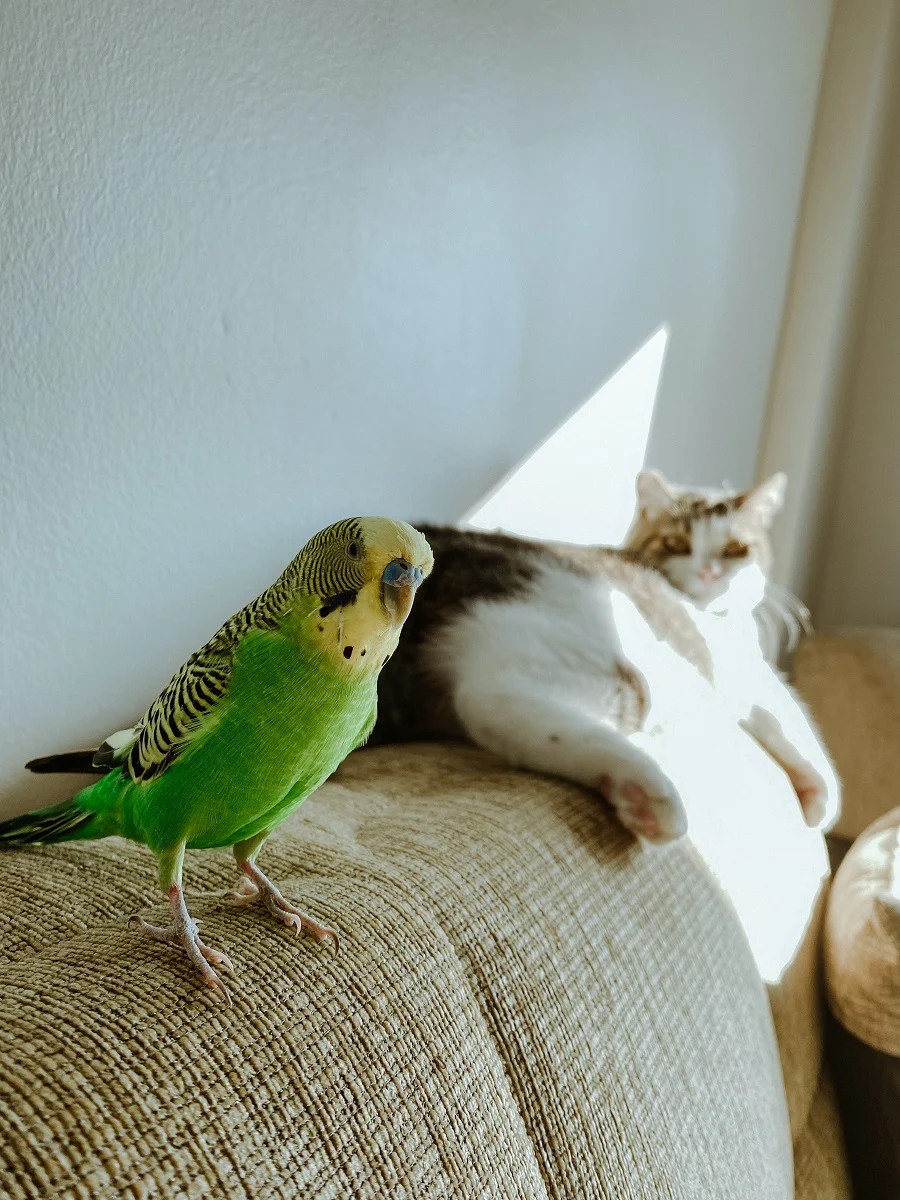
Furthermore, the integration of a parrot into a multi-species household demands rigorous management of animal interactions. Even the most docile domestic pets, including well-trained dogs, cats, and ferrets, retain predatory instincts that can be instantaneously triggered by the sudden, erratic fluttering of a bird. Animal behavior specialists caution that interspecies socialization is fundamentally unsafe; an accidental scratch or playful pounce from a dog or cat can introduce fatal bacterial pathogens into a parrot’s delicate bloodstream, leading to rapid septicemia. Finally, unmonitored access to open bodies of water—ranging from uncovered toilets and aquariums to bathtubs and drinking glasses—presents a severe drowning hazard for curious birds exploring bathroom and kitchen areas. By implementing these systematic safety measures, establishing strict household protocols, and maintaining direct communication with a qualified avian veterinarian, owners can successfully create a secure, enriching environment that ensures the long-term health and well-being of their avian companions.

