


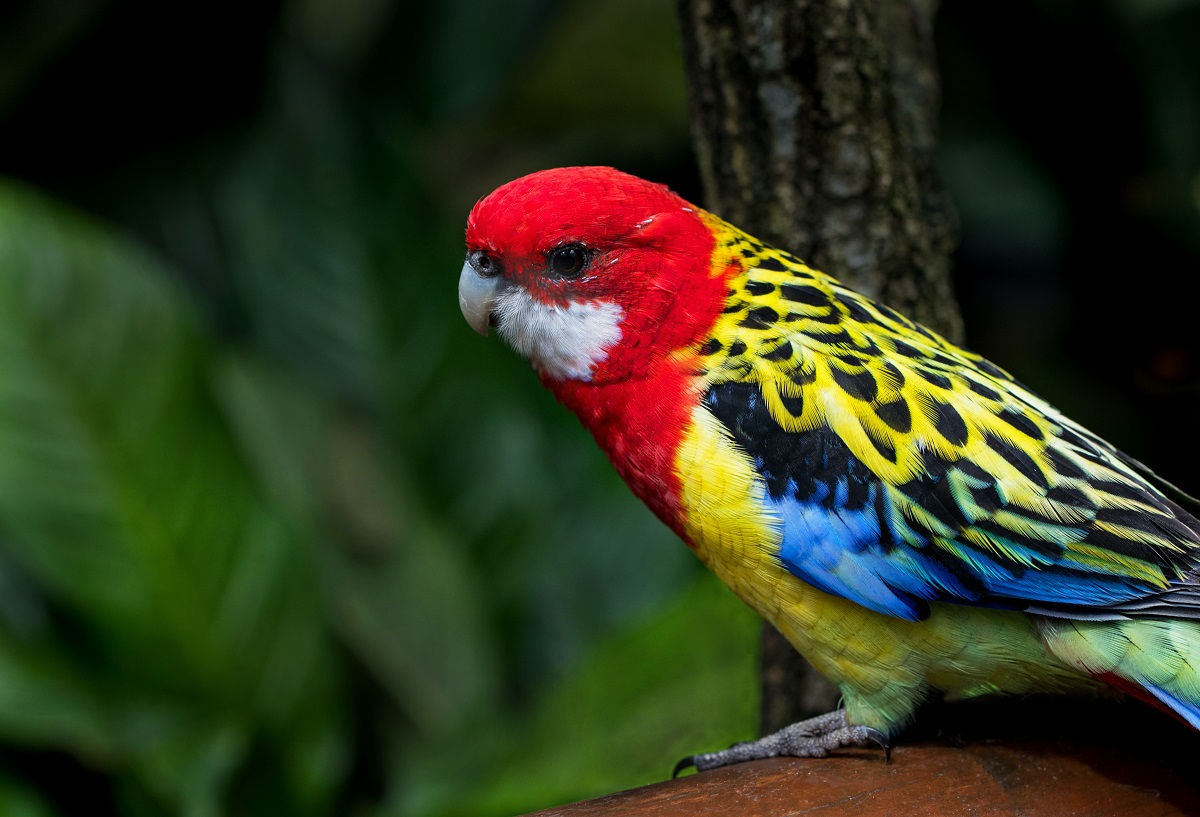
The eastern rosella (Platycercus eximius) stands out as one of the most vividly patterned avian species in the Southern Hemisphere, combining a striking visual profile with a playful and adaptable nature that has secured its status as a favorite among aviculturists worldwide. Measuring approximately 30 centimeters (12 inches) in length and weighing a modest 100 grams, this medium-sized parrot is easily identified by its brilliant red head and upper chest, contrasting stark white cheeks, and a distinctive multicolored plumage that blends yellow-green, blue, and black. Native to the lightly wooded regions of southeastern Australia and the island of Tasmania, the species has successfully navigated centuries of environmental shifts, agricultural expansion, and human-wildlife conflict to maintain a robust presence in the wild.
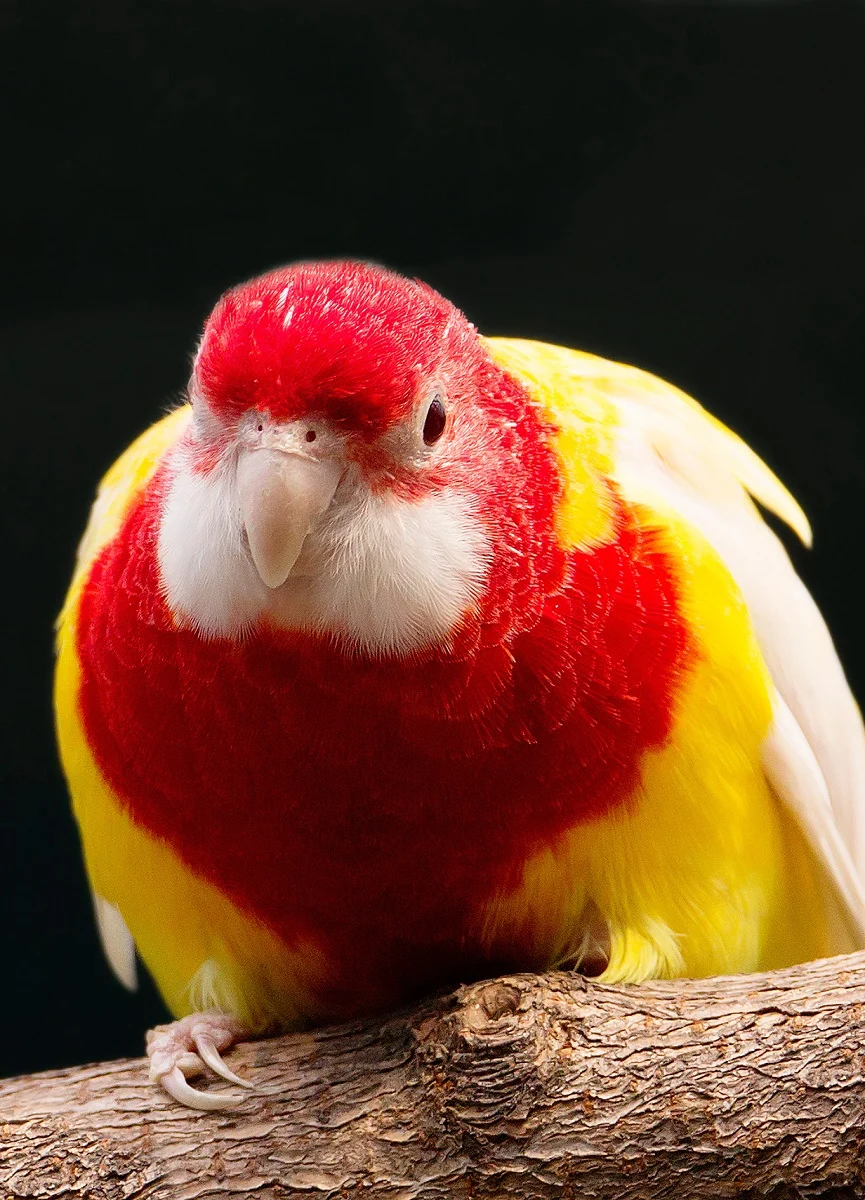
Taxonomically classified within the order Psittaciformes and the family Psittaculidae, the eastern rosella is part of the broad-tailed parrot genus Platycercus. Over evolutionary time, three distinct subspecies of Platycercus eximius have emerged, each occupying specific geographic zones across Australia and displaying subtle variations in mantle coloration and size. Juveniles of the species generally exhibit more subdued tones and a characteristic yellowish beak until they undergo their first major molt, which typically occurs between two and six months of age. Furthermore, selective breeding programs in the global pet trade have introduced several distinct color morphs, most notably the "Rubino" variety, which replaces standard green, blue, and dark pigments with a brilliant monochromatic spectrum of red, yellow, and white.
In addition to established subspecies and captive color mutations, natural hybridization represents a notable genetic characteristic of the genus. In regions where the ranges of overlapping rosella species intersect—such as the eastern rosella and the crimson rosella (Platycercus elegans), or the eastern rosella and the pale-headed rosella (Platycercus adscitus)—interbreeding occurs. These hybrid offspring frequently display striking and unusual plumage combinations, a phenomenon that has drawn the attention of ornithologists studying avian speciation and genetic introgression in wild populations. Visually sexing adult eastern rosellas is generally possible through careful observation of head size, bill width, and the intensity of red and green hues, though these sexual dimorphisms remain difficult to discern reliably prior to the bird’s maturity and initial molt.
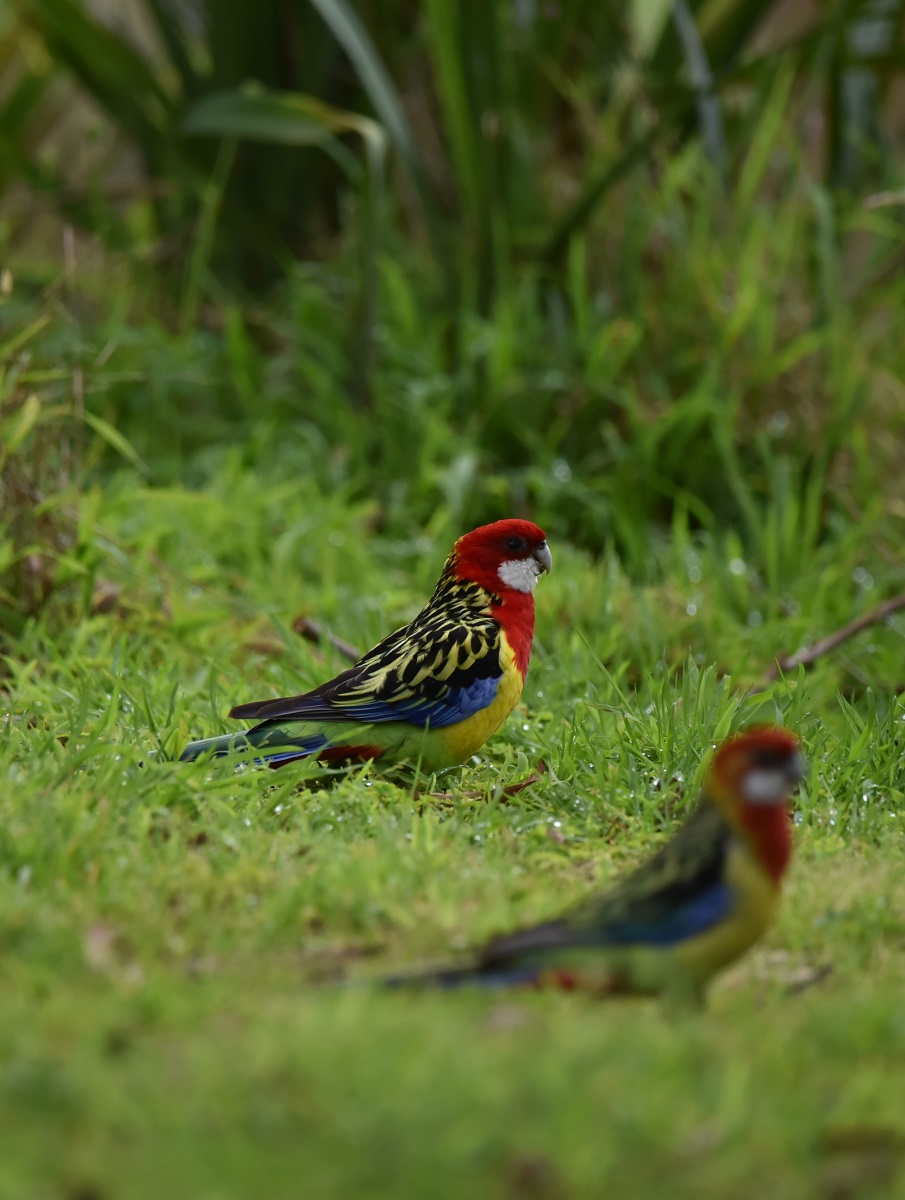
Historically, the range of the eastern rosella was restricted to the Australian mainland and Tasmania. However, accidental escapes and deliberate introductions—such as a notable 1910 release following customs refusal—have established thriving feral populations in neighboring New Zealand, particularly around the Otago and Wellington regions. Within its native Australian habitat, the species exhibits a strong preference for open forests, Eucalyptus woodlands, agricultural farmlands, and suburban parklands up to moderate elevations of 1,250 meters. These birds generally forage and travel in pairs or small family groups, occasionally congregating with other parrot species around reliable water sources and abundant food supplies.
Dietary habits in the wild reflect the species’ opportunistic foraging strategies. Eastern rosellas primarily consume grass seeds, thistle seeds, fruits, berries, flower buds, and occasional insect matter. While these natural behaviors ensure survival in diverse ecosystems, they have historically brought the species into direct conflict with agricultural enterprises. Because eastern rosellas frequently target commercial orchards, cereal crops, and grain harvests, they have long been categorized as agricultural pests by local growers.
To address economic losses, government authorities in various Australian states maintain wildlife management frameworks that permit regulated culling or pest control permits for farmers who can demonstrate verifiable crop damage and exhaust non-lethal deterrents. Despite these localized conflicts and historical eradication campaigns, the broader conservation status of the eastern rosella remains stable. The International Union for Conservation of Nature (IUCN) classifies Platycercus eximius as a species of Least Concern. Ironically, the widespread conversion of dense native forests into agricultural land—a process detrimental to many endemic fauna—has inadvertently benefited the eastern rosella by creating vast, open feeding grounds rich in high-calorie crops and weed seeds, allowing wild populations to remain robust and, in some areas, expand.
As a companion animal, the eastern rosella occupies a unique niche in aviculture. While their brilliant colors and relatively quiet disposition—compared to the deafening vocalizations characteristic of larger cockatoos or amazons—make them visually and acoustically appealing, their territorial temperament often precludes housing them alongside smaller or more docile aviary species like budgerigars. Captive eastern rosellas typically display an independent, curious, and energetic personality. While they generally prefer not to be handled excessively, well-socialized individuals readily interact with their human caregivers and can learn to mimic household sounds or simple vocal tunes with patient, consistent training.
Maintaining the health of a captive eastern rosella requires strict adherence to modern avian veterinary nutritional guidelines. Historically, many captive parrots suffered from shortened lifespans due to monotonous seed-only diets. Contemporary avian experts, including leading practitioners in avian medicine, recommend a balanced foundation of high-quality commercial pellets, supplemented daily with fresh leafy green vegetables, root vegetables, and limited quantities of fruits. Additional dietary enrichment—crucial for preventing boredom and associated psychological distress such as feather plucking—can be achieved by providing sprouted seeds, cooked whole grains, foraged native tree branches, and occasional protein sources like hard-boiled egg.
Housing requirements for the species emphasize horizontal space to accommodate active flight and exploration. Avian welfare standards recommend a spacious enclosure with a minimum length of one meter, narrow bar spacing not exceeding 1.25 centimeters to prevent accidental escapes or injury, and an array of natural wood perches of varying diameters to promote foot health. Environmental enrichment, including puzzle toys, foraging opportunities, and safe chewable items, is vital for stimulating the high cognitive capacity of these intelligent birds.
Ultimately, the eastern rosella exemplifies the complex interplay between native wildlife and human agricultural landscapes. Balancing the ecological value of this iconic Australian parrot with the economic realities of commercial farming remains an ongoing challenge for wildlife managers. Meanwhile, the species continues to secure its place as a cherished subject of ornithological study and a captivating companion for dedicated aviculturists around the globe.

