


The domestic environment, while often perceived as a sanctuary, frequently harbors hidden threats that can prove fatal to pet birds. Due to their highly specialized respiratory and digestive systems, birds are uniquely susceptible to toxic substances that are considered harmless to humans and other mammals. Avian veterinarians report that a significant percentage of emergency visits are the result of accidental exposure to common household products, ranging from volatile aerosol fumes and non-stick cookware to heavy metals and toxic flora. Recognizing these risks before a crisis occurs is the primary defense for responsible bird ownership.
The Physiology of Vulnerability
The avian respiratory system is distinct from that of mammals. Birds possess a complex network of air sacs and a unidirectional airflow system that allows for maximum oxygen extraction, a trait evolved for the high metabolic demands of flight. However, this efficiency is a biological double-edged sword. It means that birds inhale a higher volume of air relative to their body size and are exceptionally efficient at absorbing airborne toxins directly into their bloodstream.
Clinical data suggests that particles and vapors that might cause mild irritation in humans can cause immediate, irreversible damage to the delicate air sacs of a bird. This susceptibility extends to their digestive tracts, which are equally sensitive to the chemical composition of the food and objects they ingest. Because birds explore their environment primarily through their beaks, they are at constant risk of mouthing, chewing, or swallowing materials that contain toxic residues.
The Dangers of Volatile Fumes and Aerosols
Perhaps the most pervasive threat in the modern home is the use of aerosolized chemicals. Volatile organic compounds (VOCs) found in household cleaners, air fresheners, furniture polish, and insect repellents can cause acute respiratory distress. When these chemicals are dispersed in the air, they settle in the bird’s air sacs, often leading to rapid-onset pulmonary edema and hemorrhage.
A specific and well-documented hazard is Polytetrafluoroethylene (PTFE), commonly known as Teflon. This non-stick coating is found not only on cookware but also on heat lamps, space heaters, clothing irons, and even certain hair dryers. When heated beyond approximately 300 to 325 degrees Fahrenheit, PTFE coatings begin to decompose, releasing invisible, odorless, and highly toxic gases. Veterinary pathology reports consistently link these emissions to "Teflon toxicosis," a condition where a bird’s lungs hemorrhage and fill with fluid, often resulting in death within minutes of exposure. Industry experts and avian advocates strongly advise the complete removal of non-stick appliances from homes where birds reside to mitigate this risk.

Smoke Inhalation and Air Quality
Beyond chemical sprays, the quality of ambient air remains a critical concern. Smoke from cigarettes, vaping devices, wood-burning fireplaces, and incense creates a toxic environment. Smoke particles adhere to feathers, meaning that even if a bird is not in the room where smoking occurs, they can ingest toxins during preening.
Furthermore, environmental events such as wildfires or periods of high air pollution pose a severe threat. During these times, the air quality index (AQI) inside the home should be carefully monitored. The use of High-Efficiency Particulate Air (HEPA) filters is recommended by many avian specialists to mitigate the presence of airborne pollutants that could exacerbate the respiratory health of captive birds.
Heavy Metal Toxicosis: The Hidden Ingestible Threat
While respiratory hazards are immediate, ingestion-based poisoning—specifically heavy metal toxicosis—is a chronic and silent killer. Lead and zinc are the most common culprits. These metals are often found in the paint on imported or older bird cages, the galvanized wire used in inexpensive mesh, lead-based curtain weights, jewelry, and certain batteries.

The clinical progression of heavy metal poisoning is often slow and insidious. Because birds are prey animals, they instinctively hide signs of illness until they are critically compromised. Owners may notice a change in the color of the bird’s droppings—often a vivid green or black—or observe the bird sitting fluffed at the bottom of the cage. By the time these physical symptoms manifest, the heavy metals have often already caused systemic organ damage. Diagnostic procedures at veterinary clinics usually involve blood tests to measure metal levels, followed by chelation therapy to remove the toxins from the bird’s system.
Botanical Hazards and Nutritional Risks
The inclusion of fresh, plant-based foods is essential for a balanced avian diet, yet it requires rigorous oversight. Many common household plants are toxic. Species such as lilies, philodendrons, and azaleas contain compounds that can cause severe gastrointestinal distress or cardiac failure. Even plants not inherently poisonous may be treated with systemic pesticides or fertilizers that remain toxic long after application.
Regarding human food, the list of prohibitions is extensive. Avocado, for instance, contains persin, a fungicidal toxin that is highly toxic to many bird species. Caffeine, chocolate, alcohol, and the seeds of various fruits (such as apples, cherries, and plums) contain cyanide-inducing compounds that, if ingested in sufficient quantities, can lead to sudden mortality.

Chronology of a Crisis: When to Act
In the event of suspected poisoning, the timeline for intervention is narrow. The first indication is often behavioral: a sudden shift from active and vocal to lethargic, or the presence of labored breathing (often accompanied by tail bobbing).
The recommended response protocol is as follows:
- Immediate Removal: If the poison is airborne, immediately move the bird to a well-ventilated area or outside to fresh air.
- Identification: If a substance was ingested, collect samples of the material and any packaging to assist the veterinarian in identifying the specific toxin.
- Veterinary Contact: Contact an avian-specialized veterinarian immediately. Do not wait for symptoms to worsen.
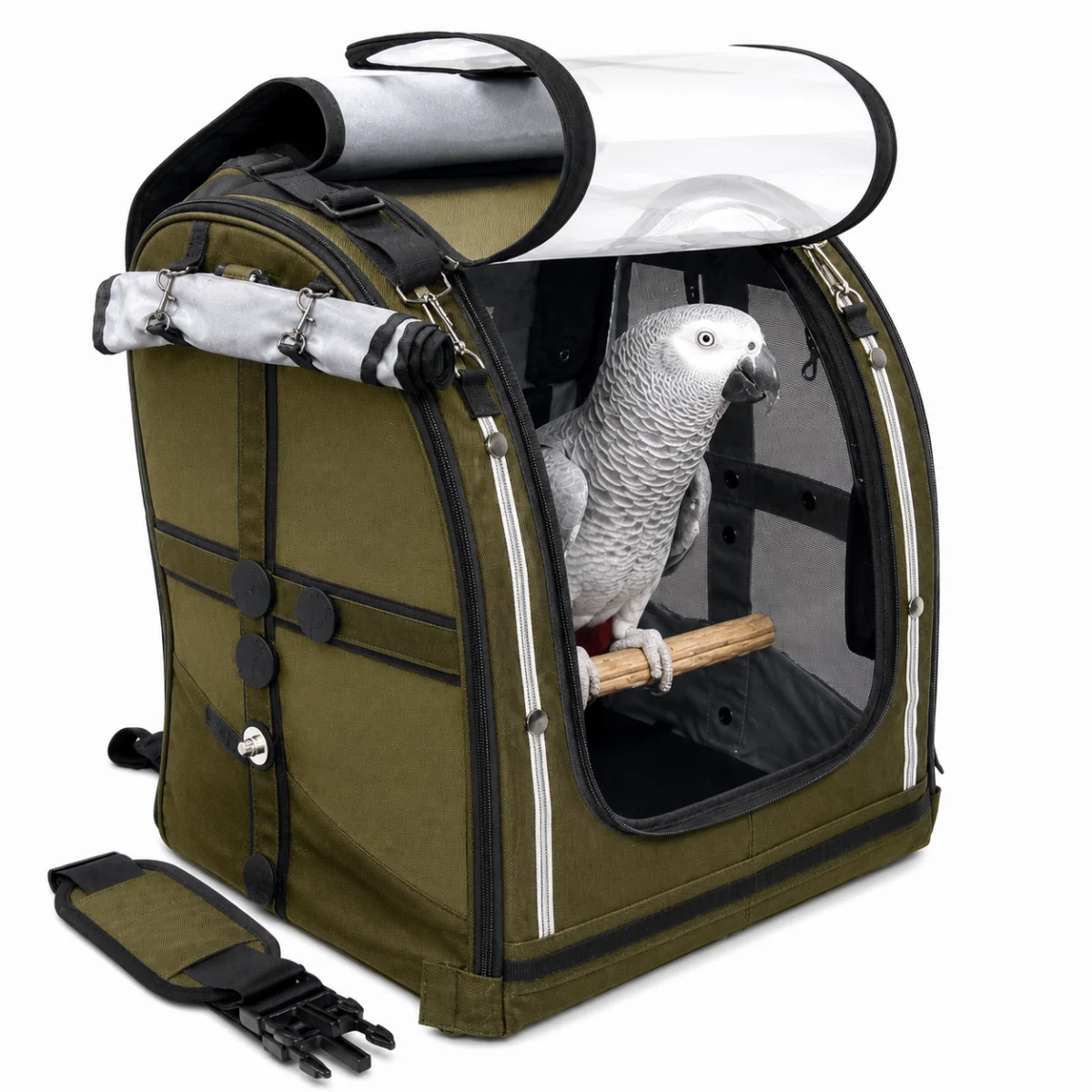
- Transport: Use a secure, well-ventilated carrier for transport.
- Calm Environment: Reduce stress during the trip; birds in toxic shock are fragile and can succumb to stress-induced cardiac arrest.
Implications and Preventive Measures
The data gathered by avian research organizations underscores that the vast majority of these incidents are preventable through environmental modification. Bird-proofing should be a standard component of home maintenance. This includes the implementation of a "no-aerosol" policy, the replacement of non-stick cookware with stainless steel or ceramic alternatives, and the strict curation of the bird’s environment to exclude toxic plants and heavy-metal-containing objects.

The broader implication for pet owners is the necessity of proactive education. Relying on "common sense" is insufficient when the physiological thresholds of birds are so drastically different from human ones. Regular health check-ups with an avian-certified veterinarian, coupled with an emergency plan that includes the location of the nearest 24-hour emergency clinic, are the hallmarks of responsible stewardship.
As the industry continues to evolve, there is a growing emphasis on the development of "avian-safe" household products. However, until such standards are universally adopted, the onus remains on the owner to be the ultimate arbiter of safety. By creating a controlled environment that mimics the protective nature of a natural habitat—free from the synthetic dangers of the modern home—owners can significantly improve the longevity and quality of life for their feathered companions.
Ultimately, the prevention of avian poisoning is an exercise in vigilance. It requires the owner to view the home through the eyes of the bird: a space where every surface, every scent, and every item is a potential interaction point. Recognizing these risks is not about creating a sterile, fearful environment, but about ensuring that the home is a safe space where the bird can explore and thrive without the threat of environmental toxicity.

