


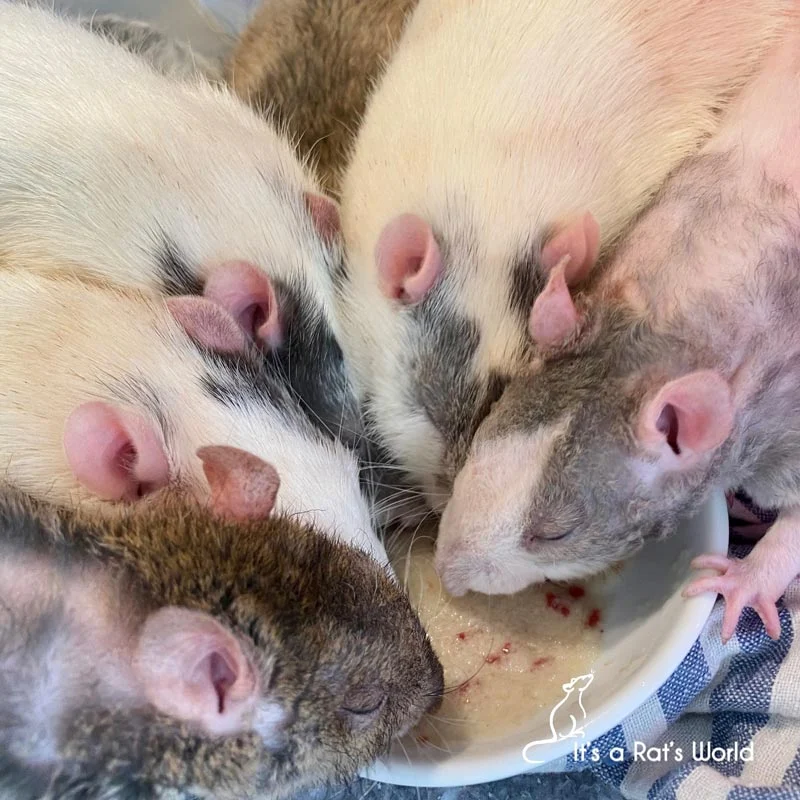
The persistent association between wild rats and urban squalor has long cast an unfair shadow over their domesticated counterparts, Rattus norvegicus domestica. While wild populations are historically linked to the spread of zoonotic diseases and unsanitary conditions, scientific consensus and veterinary experience confirm that pet rats are fundamentally different in their biological behavior and hygiene requirements. Contrary to common public perception, domestic rats are fastidious groomers, and an unpleasant odor in a home environment is rarely a reflection of the animal’s natural state, but rather a indicator of environmental management or underlying medical concerns.
The Biological Reality of Domesticated Rats
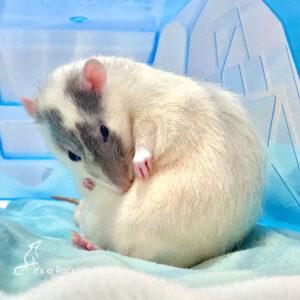
Domesticated rats have been selectively bred for temperament and health for over a century, diverging significantly from their wild ancestors. Unlike wild rodents that navigate environments contaminated by waste and decay, pet rats are kept in controlled, hygienic enclosures. Biologically, these animals possess highly efficient self-grooming mechanisms. They dedicate a significant portion of their waking hours to maintaining their fur, often grooming themselves immediately after physical contact with humans.
Veterinary research indicates that this obsessive grooming behavior serves as a primary deodorizing mechanism. When healthy, a rat’s scent is often described by owners and researchers as subtle—intact males may emit a scent reminiscent of toasted grain or warm corn tortillas due to the presence of preputial glands, while females and neutered males often lack this distinct musk, sometimes carrying a faint, sweet, or floral aroma.
Environmental Factors and Hygiene Management
The primary cause of odors in a pet rat habitat is not the animals themselves, but the accumulation of waste within their enclosure. Because rats use their living space for both rest and elimination, the cage serves as the nexus of potential odor.
Data from veterinary habitat studies suggest that odor intensity in a rat cage is directly correlated with three variables:
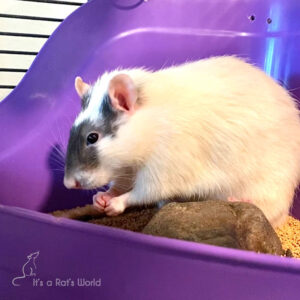
- Population Density: The volume of waste produced increases linearly with the number of rats, necessitating more frequent sanitation cycles.
- Ventilation and Humidity: Ambient humidity levels above 50% can exacerbate the breakdown of urea, leading to a more pungent ammonia scent. Proper airflow is critical in mitigating this effect.
- Substrate Maintenance: The choice of bedding and the frequency of spot-cleaning versus deep-cleaning protocols are the most significant factors in odor control.
Experts emphasize that a "smelly cage" is a diagnostic indicator that the cleaning schedule is insufficient for the current population density. For instance, a cage housing five to eight rats requires significantly more aggressive waste management than a habitat housing a pair.
Clinical Significance of Sudden Odor Changes
While normal physiological scents are faint, the sudden emergence of a strong, foul, or "rotting" odor is considered a clinical red flag by veterinary professionals. Such changes are often the first outward sign of an underlying medical condition.
Common Pathological Odors and Their Implications:
- Rotting/Putrid Scents: These are frequently associated with necrotic tissue, deep-seated abscesses, or neoplasia. In older rats, Zymbal’s gland tumors, which are invasive carcinomas located near the ear canal, can cause significant discharge and a distinct, foul odor.
- Sweet-Smelling Urine: A sickly sweet scent, particularly when accompanied by white, calcium-rich residue on surfaces, is a classic diagnostic marker for diabetes mellitus in rodents. Glucose testing of urine can confirm this metabolic shift.
- Genital Odors: Persistent, pungent odors from the genital region often point to urinary tract infections (UTIs) or the presence of vesical proteinaceous plugs—solidified secretions that block the urethra. These conditions are particularly prevalent in elderly rats or those suffering from hind-leg degeneration, which prevents them from effectively grooming their lower body.
Nutritional Impact on Systemic Odor
Beyond environmental and medical factors, a rat’s diet plays a foundational role in its systemic health and, by extension, its scent. Recent observations in rescue environments have highlighted a "rancid" odor associated with animals suffering from long-term malnutrition. This odor is systemic, appearing to emanate from the pores rather than the surface of the fur.
Chronologically, the correction of this odor follows a predictable pattern:
- Phase 1 (Initial Intake): The animal presents with poor coat quality, soft or "mushy" stools, and a pervasive, foul odor.
- Phase 2 (Nutritional Intervention): Implementation of a high-quality, species-appropriate diet combined with probiotic and prebiotic supplements (such as Bene-Bac Plus) to stabilize the gut microbiome.
- Phase 3 (Recovery): Within 30 to 60 days of dietary stabilization, the systemic odor dissipates as the animal’s digestive health returns to baseline, replaced by the natural, mild scent characteristic of the species.
Comparative Analysis: Rats vs. Other Household Pets
When evaluating the "odor footprint" of various household pets, researchers note that the perception of smell is highly subjective, often influenced by the owner’s olfactory sensitivity. However, when compared to other common household animals, pet rats hold a distinct profile.
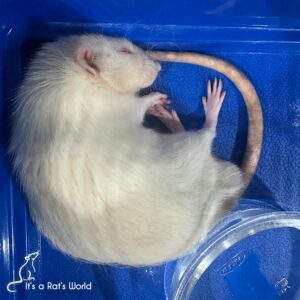
Cats, while naturally odorless, present a significant odor challenge due to the high ammonia content of their urine, which can be irritating to the respiratory system. Dogs, conversely, possess oils in their skin and fur that produce a "doggy" scent, which is often persistent and transferred to household textiles. Ferrets represent a separate category; they possess specialized scent glands that produce a strong, musky odor that is biologically inherent to the species and difficult to eliminate.
In contrast, the domestic rat’s lack of skin oils that "trap" dirt and odors gives them a hygienic advantage. Their fur does not typically harbor the persistent, heavy scents associated with canine or feline dander. Furthermore, the absence of "bad breath" in healthy rats—unlike in many dog breeds prone to dental disease—makes them physically closer to their human companions without the associated discomfort of unpleasant odors.
Broader Implications for Animal Welfare
The persistent stigma against rats impacts their adoption rates in shelters, where they are often overlooked due to unfounded fears regarding cleanliness and disease. From a welfare perspective, the normalization of rat care—emphasizing that a well-cared-for rat is a clean rat—is essential.
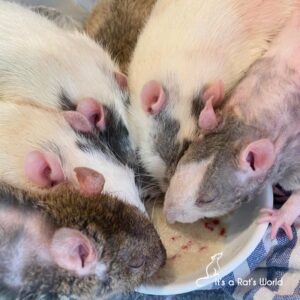
The professional consensus remains that the "stinky rat" is not a breed trait, but a management issue. By prioritizing habitat hygiene, nutritional support, and proactive veterinary monitoring for odor-based warning signs, owners can ensure that their pets remain pleasant companions. Ultimately, the transition from viewing rats as "vermin" to "companions" relies on the public’s ability to distinguish between the wild, disease-carrying rodent and the domesticated, fastidious pet that has been a staple of laboratory and domestic companionship for decades. Through informed care and a clear understanding of their physiological needs, the negative stereotypes surrounding these intelligent mammals continue to be systematically dismantled by the pet-owning community.

