


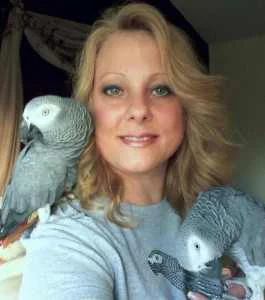
The pet avian community is poised for a significant educational opportunity as Certified Parrot Behavior Consultant (CPBC) Lisa Bono prepares to host a live, interactive webinar titled "Ask Lisa Anything – About Parrots!" scheduled for Friday, April 24, 2026, at 12 PM Pacific Standard Time (PST). This virtual event offers parrot owners, from novices to seasoned enthusiasts, an unparalleled chance to engage directly with a leading expert on a wide spectrum of parrot care topics, ranging from intricate behavioral challenges to optimal dietary strategies, suitable housing, and effective enrichment protocols. The webinar is particularly noteworthy as Ms. Bono steps in for the regularly scheduled avian expert, Dr. Tully, bringing her specialized expertise in parrot behavior to the forefront of the educational series.
A Deep Dive into Avian Expertise: Lisa Bono, CPBC
Lisa Bono’s designation as a Certified Parrot Behavior Consultant (CPBC) signifies a rigorous credentialing process and a profound understanding of psittacine psychology, ethology, and practical application of behavior modification techniques. With decades of hands-on experience, Ms. Bono has cultivated an extensive knowledge base that addresses the multifaceted needs of parrots, which are often misunderstood by the general public. Her work focuses on fostering harmonious relationships between parrots and their human companions by addressing the root causes of behavioral issues and promoting environments conducive to avian well-being. This webinar represents a direct conduit for owners to tap into this invaluable expertise, offering tailored advice that can transform common frustrations into successful care strategies.
The complexity of parrot behavior often presents significant challenges for owners. Parrots are highly intelligent, social creatures with sophisticated emotional lives. When their needs for mental stimulation, social interaction, and appropriate environmental conditions are not met, they can develop a range of undesirable behaviors. These can include excessive screaming, which is a leading cause of relinquishment; feather destructive behaviors, such as plucking or mutilation, often indicative of underlying stress, medical issues, or environmental deficiencies; and biting, which can stem from fear, territoriality, or learned aggression. Lisa Bono’s approach, grounded in positive reinforcement and an understanding of species-specific needs, aims to decode these behaviors and provide actionable solutions that prioritize the parrot’s welfare while improving owner comprehension and management skills.
Addressing the Spectrum of Parrot Care Questions
The "Ask Lisa Anything" format is designed to be highly responsive to attendee inquiries, covering four primary pillars of parrot care: behavior, diet, housing, and enrichment. Each of these areas is critical for a parrot’s physical and psychological health.
Navigating Complex Parrot Behavior
Behavioral issues frequently top the list of concerns for parrot owners. Beyond screaming and feather plucking, owners often grapple with issues like fearfulness, reluctance to step up, territorial aggression, phobias, and separation anxiety. Ms. Bono’s expertise allows her to delve into the nuances of these behaviors, explaining how environmental factors, learned associations, and even subtle changes in routine can contribute to them. For instance, persistent screaming, while natural to some extent for communication, can become problematic when it’s a cry for attention, a sign of boredom, or a reaction to perceived threats. Effective solutions often involve environmental modification, structured interaction, and teaching alternative, desirable behaviors through positive reinforcement. Similarly, understanding the motivations behind biting, which can range from playful nipping to defensive aggression, is crucial for both prevention and intervention.
Optimizing Parrot Nutrition and Diet
Diet plays an indispensable role in a parrot’s overall health and longevity. Many common health problems in pet parrots, including liver disease, kidney issues, and vitamin deficiencies, are directly attributable to inadequate nutrition, often stemming from seed-heavy diets. While commercial seed mixes were once the norm, modern avian veterinary science strongly advocates for a balanced diet comprising high-quality pellets, fresh fruits, vegetables, and occasional healthy treats. The webinar will likely address challenges such as convincing picky eaters to transition to a healthier diet, understanding species-specific nutritional requirements (e.g., the higher fat needs of macaws versus the lower fat needs of Amazon parrots), and identifying potential dietary deficiencies or excesses. Lisa Bono’s practical advice can guide owners through the often-frustrating process of dietary conversion and ensure their parrots receive optimal sustenance.
Creating an Ideal Avian Habitat
Appropriate housing is fundamental to a parrot’s welfare. This extends beyond merely selecting a cage to creating an entire living environment that caters to the bird’s physical and psychological needs. Topics such as appropriate cage size, which must allow the bird to fully extend its wings without touching the sides, will likely be discussed. The selection and placement of perches (varying in diameter and texture to promote foot health), the safety and suitability of toys, and the overall layout of the bird’s living space are also critical considerations. Furthermore, Ms. Bono may address environmental factors such as lighting (including the importance of full-spectrum lighting), humidity, temperature control, and the placement of the cage within the home to provide both security and social interaction. A well-designed habitat minimizes stress and provides opportunities for natural behaviors, thereby preventing many behavioral issues before they start.
The Imperative of Enrichment
Enrichment is often overlooked but is paramount for the mental and physical well-being of intelligent birds like parrots. Without adequate mental stimulation and opportunities to engage in natural behaviors such as foraging, chewing, and problem-solving, parrots can quickly become bored, stressed, and develop stereotypical or destructive behaviors. The webinar will undoubtedly highlight various forms of enrichment, including foraging toys that encourage natural feeding behaviors, puzzle toys that challenge their intellect, opportunities for supervised out-of-cage time, and safe chewing materials. Lisa Bono’s insights into creative and effective enrichment strategies can help owners design an environment that keeps their parrots engaged, prevents boredom, and promotes a higher quality of life. This includes discussing the importance of rotating toys, introducing new challenges, and understanding individual parrot preferences for play and interaction.
The Broader Context: Advancing Avian Health Education
This webinar is part of a larger, ongoing commitment to avian health education, often spearheaded by organizations like Lafeber Company, which is inferable as the host given the source image URL. Lafeber has a long-standing reputation within the avian community for its dedication to scientific research, high-quality avian nutrition products, and comprehensive educational resources. The regular hosting of expert webinars, featuring specialists like Dr. Tully (a renowned avian veterinarian) and Lisa Bono, underscores this commitment to empowering parrot owners with accurate, up-to-date information.

The decision to feature Lisa Bono, a behavior consultant, in place of a veterinarian like Dr. Tully for this particular session highlights the recognition that parrot health encompasses more than just physical well-being. Behavioral health is intricately linked to physical health, and many issues that present as medical problems can have behavioral components, and vice versa. By offering a platform for a certified behaviorist, the organizers are addressing a critical need within the parrot-owning community for practical, behavior-focused solutions that complement veterinary care.
The Significance of Virtual Platforms and Accessibility
The choice of a virtual webinar format, accessible via platforms like Zoom, demonstrates a strategic effort to overcome geographical barriers and make expert knowledge available to a global audience. The inclusion of a time zone converter link is a practical measure to ensure international participation, acknowledging the widespread appeal and ownership of parrots across different continents. Virtual events have become an indispensable tool for disseminating specialized information, allowing individuals from diverse locations to benefit from expert insights without the need for travel. This accessibility is particularly crucial for niche topics like advanced parrot care, where local expertise may be scarce. The interactive nature of live webinars, allowing for real-time questions and answers, fosters a dynamic learning environment that traditional static resources cannot replicate.
Responsible Parrot Ownership: A Growing Imperative
Parrot ownership is a long-term commitment, often spanning several decades. Species like African Grey Parrots, commonly seen with Lisa Bono, can live for 50-70 years, while larger macaws can live even longer. This longevity necessitates a profound understanding of their needs and a commitment to providing consistent, high-quality care throughout their lives. Unfortunately, many parrots are relinquished to rescues or sanctuaries due to owners being unprepared for the birds’ complex needs, particularly their behavioral demands. Studies indicate that a significant percentage of surrendered parrots are given up due to issues like screaming, biting, and destructive behaviors, which are often manageable with proper education and intervention.
Webinars such as "Ask Lisa Anything" play a vital role in promoting responsible pet ownership by equipping current and prospective owners with the knowledge and tools necessary to preemptively address or effectively manage common challenges. By providing a forum for direct interaction with an expert, the event helps to bridge the knowledge gap, fostering a more informed and capable community of parrot caregivers. This proactive approach can significantly reduce the incidence of preventable welfare issues and improve the overall quality of life for companion parrots.
Preparation for the Webinar: Maximizing Participation
Prospective attendees are encouraged to prepare for the webinar by compiling their specific questions in advance. Given the "Ask Lisa Anything" format, the session’s value will be directly proportional to the quality and specificity of the questions posed. Participants should consider specific behaviors their parrots exhibit, dietary concerns, challenges with cage setup, or gaps in their enrichment routines. Formulating clear, concise questions will enable Ms. Bono to provide more targeted and helpful advice. The interactive nature of the event implies that participants will have opportunities to submit questions through a Q&A feature, allowing for a dynamic exchange of information. Both new and seasoned parrot owners stand to benefit, as the breadth of topics covered ensures relevance for all experience levels.
Expert Consensus and Industry Perspectives
The avian community, including veterinarians, behaviorists, and rescue organizations, consistently emphasizes the critical importance of ongoing education for parrot owners. Experts frequently highlight that many parrot welfare issues stem from a lack of understanding regarding their natural behaviors, psychological complexity, and specific environmental needs. Dr. Sally Blanchard, a prominent figure in avian behavior, often stressed the need for owners to become "parrot literate" to prevent common problems. Similarly, organizations like the Association of Avian Veterinarians (AAV) publish extensive guidelines and support educational initiatives to improve avian health and welfare globally.
The consensus among professionals is that early intervention for behavioral issues is far more effective than attempting to correct deeply entrenched problems. Events like this webinar serve as crucial platforms for early education, empowering owners to identify potential problems and seek guidance before they escalate. The proactive engagement facilitated by such educational programs is vital for the long-term health and happiness of companion parrots.
Broader Impact and Implications for Parrot Welfare
The implications of accessible expert webinars extend beyond individual parrot owners. On a broader scale, such initiatives contribute to a more knowledgeable and empathetic parrot-owning community. By demystifying complex avian behaviors and providing practical solutions, these educational efforts help to elevate the standards of parrot care across the board. This, in turn, can lead to a reduction in the number of parrots facing neglect, abandonment, or rehoming due to preventable issues.
Furthermore, the continuous dissemination of up-to-date information on parrot care, diet, and behavior through reputable sources like Lafeber and experts like Lisa Bono helps to counteract misinformation prevalent in less credible online forums or outdated care guides. This commitment to evidence-based education strengthens the human-animal bond, fosters a deeper appreciation for these intelligent creatures, and ultimately contributes to the long-term welfare and conservation efforts for psittacine species globally. The digital format ensures that this critical information can reach remote areas, fostering a truly global community dedicated to responsible parrot stewardship.
In conclusion, the upcoming "Ask Lisa Anything – About Parrots!" webinar featuring Lisa Bono, CPBC, represents a valuable resource for anyone involved in the care of companion parrots. Scheduled for April 24, 2026, at 12 PM PST, this interactive session offers a direct line to expert advice on crucial aspects of parrot behavior, diet, housing, and enrichment. The event underscores the importance of continuous education in responsible parrot ownership and highlights the commitment of organizations to supporting the avian community. All interested parties are encouraged to register promptly to secure their opportunity to learn from one of the field’s most respected behavior consultants.

