


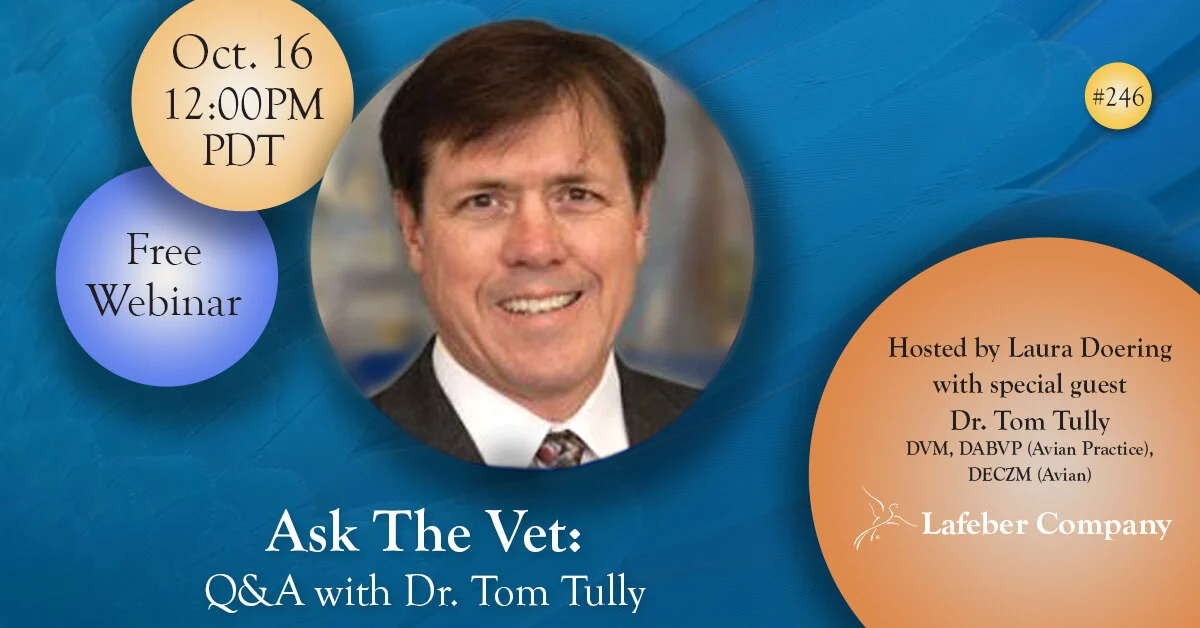
The landscape of avian medicine continues to evolve as the accessibility of expert veterinary guidance bridges the gap between clinical practice and home-based pet care. On Friday, October 16, 2026, at 12:00 p.m. PDT, the pet bird community will have a unique opportunity to engage directly with one of the most distinguished figures in the field. Dr. Tom Tully, DVM, DABVP (Avian Practice), DECZM (Avian), is scheduled to host a live, interactive webinar aimed at addressing the multifaceted challenges of parrot stewardship. Moderated by Laura Doering, a veteran journalist formerly at the helm of Bird Talk and Birds USA magazines, the session is designed to provide evidence-based insights into the complex health and nutritional needs of companion birds.
The Evolution of Avian Veterinary Access
Historically, specialized avian care was limited to physical office visits, often proving difficult for owners residing in regions with few exotic animal specialists. The shift toward digital outreach, exemplified by the "Ask The Vet" series, represents a broader trend in veterinary medicine: the democratization of high-level expertise. Dr. Tully’s participation is not merely an educational gesture; it is an initiative rooted in the philosophy that an informed owner is the primary line of defense in avian health.
By facilitating direct access to a board-certified expert, the webinar seeks to mitigate the common pitfalls of "internet-based advice," which can often be anecdotal or medically inaccurate. Dr. Tully’s credentials—including his status as a Diplomate of the American Board of Veterinary Practitioners (Avian Practice) and the European College of Zoological Medicine (Avian)—ensure that the information disseminated adheres to current clinical standards in veterinary science.
Chronology of the Webinar Series
This upcoming event is part of a sustained effort by industry advocates to standardize quality care information. The chronology of these sessions follows a pattern of monthly or bi-monthly engagement, building a repository of knowledge for the avian community.
- September 2026: Initial announcements were distributed via professional networks, setting the stage for the October session.
- October 16, 2026: The live webinar broadcast, featuring a structured Q&A format, allows for real-time diagnostics and behavioral analysis based on participant submissions.
- Post-Webinar: The session content is typically archived to serve as a resource for pet owners who may face similar issues in the future, effectively creating a searchable database of avian health inquiries.
Data and Trends in Avian Health
To understand the necessity of such events, one must look at the data surrounding pet bird ownership. According to recent demographic studies in the pet industry, birds remain a significant portion of the exotic pet market, yet they suffer from high rates of preventable illness. Research consistently highlights that the leading causes of morbidity in captive parrots are obesity, nutritional deficiencies, and behavioral stress—all of which are exacerbated by a lack of specialized knowledge among pet owners.
Clinical data suggests that up to 70% of health issues in pet birds are directly linked to diet. The prevalence of all-seed diets, despite decades of veterinary warnings, remains a critical issue. Dr. Tully’s emphasis on nutritional science during these sessions serves as an intervention against these common husbandry errors. Furthermore, the intersection of behavioral health and physical health is a major focus; parrots, being highly intelligent and social animals, often manifest physical symptoms—such as feather picking or lethargy—as a result of psychological distress.
The Role of Expert Moderation
Laura Doering’s involvement as the moderator is a deliberate choice intended to streamline complex medical concepts into actionable advice. Having spent years documenting the avian industry, Doering is uniquely positioned to bridge the gap between technical veterinary terminology and practical home application. Her editorial background ensures that the webinar remains focused, professional, and relevant to the specific concerns of the bird-keeping community.
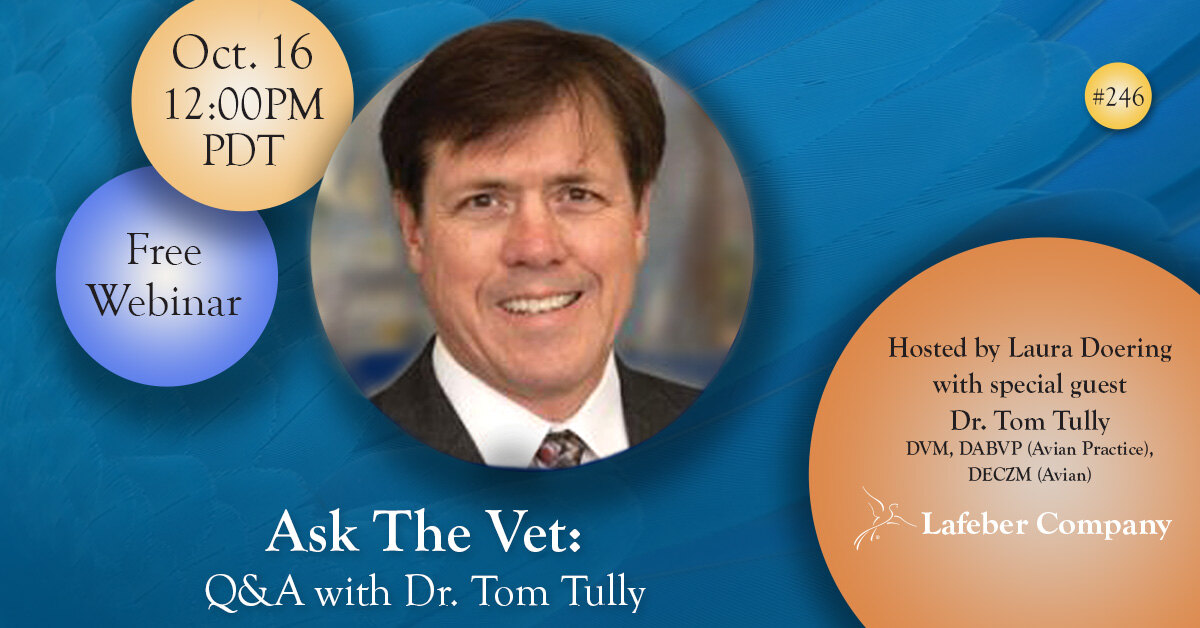
The methodology of the webinar involves a triage-style approach. Attendees are encouraged to submit questions that differentiate between acute health crises—which necessitate immediate in-person veterinary intervention—and chronic management issues that can be addressed through lifestyle modifications. This distinction is vital for public safety, as it prevents owners from relying on remote advice during life-threatening medical emergencies.
Analysis of Implications
The broader implications of this webinar series are significant for the avian welfare community. By fostering a culture of "educated stewardship," Dr. Tully and the hosting organization are attempting to raise the standard of care across the board. The impact of such events can be measured in the reduction of "rehoming" rates; many birds are surrendered to shelters because owners become overwhelmed by perceived behavioral problems that are, in fact, solvable with proper guidance.
Furthermore, the integration of Zoom and similar webinar technologies has allowed for a global reach. Attendees from different time zones are encouraged to use standardized conversion tools, reflecting the international nature of the avian community. This digital connectivity ensures that owners in rural or underserved areas receive the same quality of information as those living near major metropolitan veterinary hospitals.
Ethical Considerations in Remote Veterinary Advice
While the webinar provides invaluable information, it operates within the strict ethical boundaries of the veterinary profession. Dr. Tully is careful to clarify that remote advice cannot replace a physical examination. In veterinary medicine, the "Veterinarian-Client-Patient Relationship" (VCPR) is the legal and ethical framework that permits the diagnosis and prescription of medication. The webinar serves as a consultative forum for general wellness and husbandry, rather than a substitute for clinical diagnostics.
This transparency is a hallmark of professional veterinary communication. By acknowledging the limitations of digital interaction, the organizers build trust with the audience, ensuring that the advice provided is viewed as educational rather than a definitive medical prescription.
Future Outlook for Avian Stewardship
Looking toward the remainder of 2026 and into 2027, the success of the "Ask The Vet" sessions suggests that the demand for professional, expert-led webinars will only increase. As the veterinary community continues to navigate the digital age, the focus is expected to shift toward more specialized topics, such as avian pharmacology, aging in parrots, and advanced nutritional therapy.
The upcoming session on October 16 serves as a microcosm of this professional commitment. By providing a platform for Dr. Tully, the organizers are not only answering immediate questions but are also investing in the long-term health of the avian population. For the pet owner, the benefit is clear: a more robust understanding of their companion’s needs, leading to increased longevity and improved quality of life for the birds in their care.
Conclusion and Participation
Registration for the event is currently open, and prospective attendees are encouraged to prepare their questions in advance to maximize the effectiveness of the Q&A portion. The structured, professional nature of this webinar ensures that participants receive high-quality, evidence-based guidance. In an era where misinformation can proliferate rapidly, the presence of board-certified experts like Dr. Tom Tully is essential for maintaining the health and wellbeing of exotic pets. Through this initiative, the gap between expert knowledge and daily pet care is bridged, fostering a more informed and capable community of bird stewards worldwide. As the date approaches, the emphasis remains on the core tenets of veterinary medicine: education, prevention, and the compassionate care of all species.

