


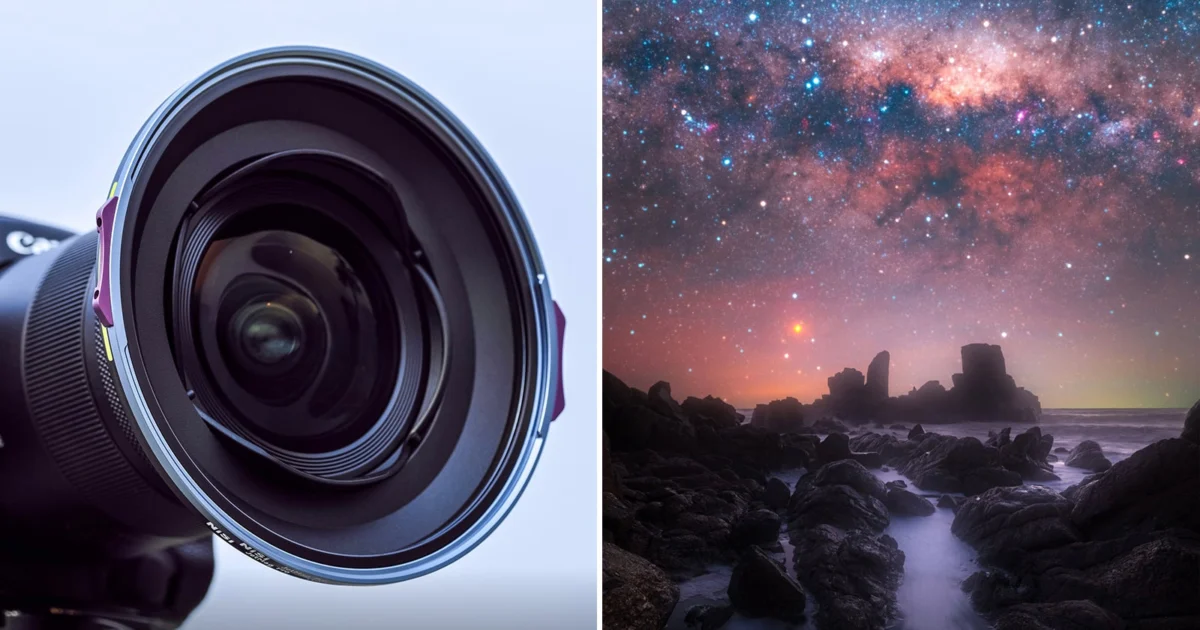
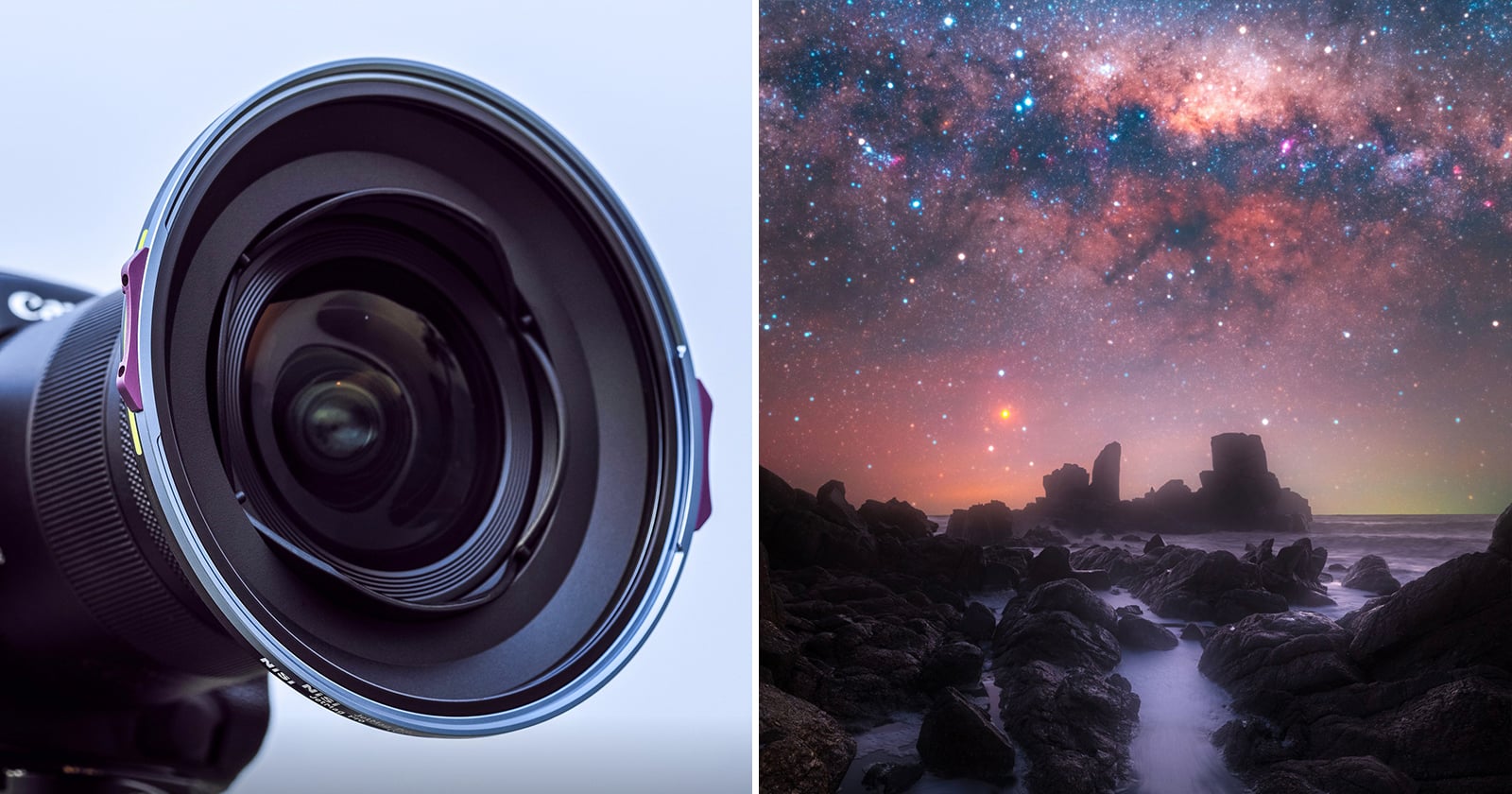
NiSi has officially unveiled the JetMag Pro Star Soft magnetic filters, a specialized duo of diffusion-style optical tools engineered to meet the growing demand for stylized, atmospheric night sky and landscape imagery. This latest addition to the NiSi catalog targets a specific niche within the photographic community: astrophotographers who seek to move beyond the clinical, ultra-sharp rendering of modern digital sensors in favor of a more painterly and cinematic aesthetic. By integrating these filters into the existing JetMag Pro magnetic ecosystem, NiSi aims to provide a seamless workflow for photographers operating in the challenging, often low-temperature environments typical of night-sky sessions.
The Star Soft filters are available in two primary configurations: the standard 82MAG format, designed for lenses with traditional front threads up to 82mm, and the larger MAXMAG system, which caters to the increasingly popular category of ultra-wide-angle lenses that feature bulbous front elements and lack conventional filter threads. This strategic release comes at a time when the astrophotography market is shifting its focus from purely technical benchmarks, such as signal-to-noise ratios and corner-to-corner sharpness, toward more emotive and expressive visual storytelling.
Technical Innovation in Optical Diffusion
The core functionality of the NiSi JetMag Pro Star Soft filters lies in their ability to manipulate light before it hits the camera sensor, a process that is often difficult to replicate convincingly in post-processing. Unlike standard "mist" or "glow" filters used in portraiture, which can sometimes lead to a general loss of contrast across the entire frame, the Star Soft filters are optically tuned to emphasize celestial bodies. According to technical specifications provided by NiSi, the filters create a controlled halo around bright stars and planets, effectively increasing their apparent size and luminosity on the sensor.
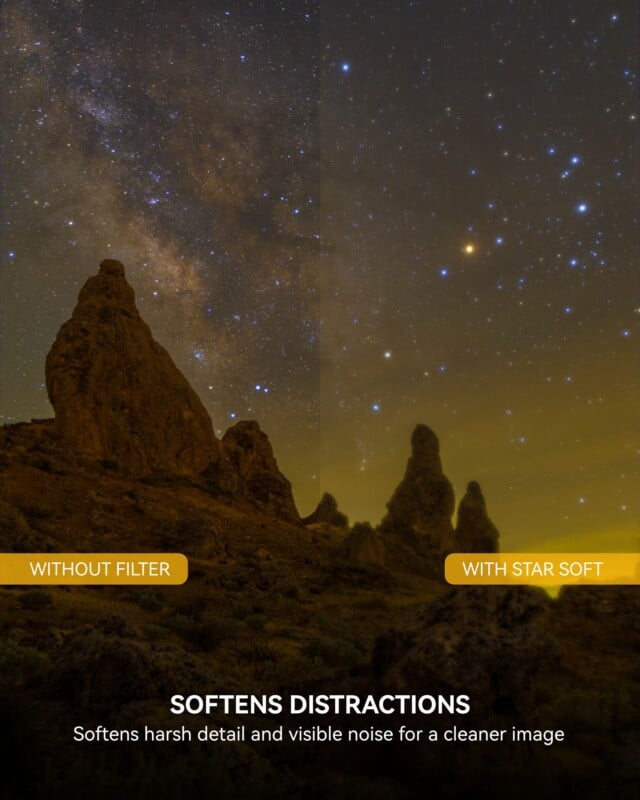
This "star-blooming" effect serves several purposes. First, it helps constellations stand out more clearly against the dense backdrop of the Milky Way, making the sky more recognizable and organized to the human eye. Second, it introduces a level of chromatic separation; by enlarging the point-light sources of stars, the inherent colors of those stars—ranging from deep oranges to cool blues—become more saturated and visible. This addresses a common critique of modern digital astrophotography, where stars can often appear as mere white pixels, stripped of their natural spectral characteristics.
Beyond the aesthetic enhancement of celestial objects, the Star Soft filters provide a practical benefit regarding digital noise. High-ISO long exposures frequently suffer from "hot pixels" and granular luminance noise. The subtle diffusion provided by the Star Soft glass helps to smooth out these digital artifacts, providing a cleaner-looking image that requires less aggressive noise-reduction software in the editing phase.
The JetMag Pro Ecosystem and Workflow Ergonomics
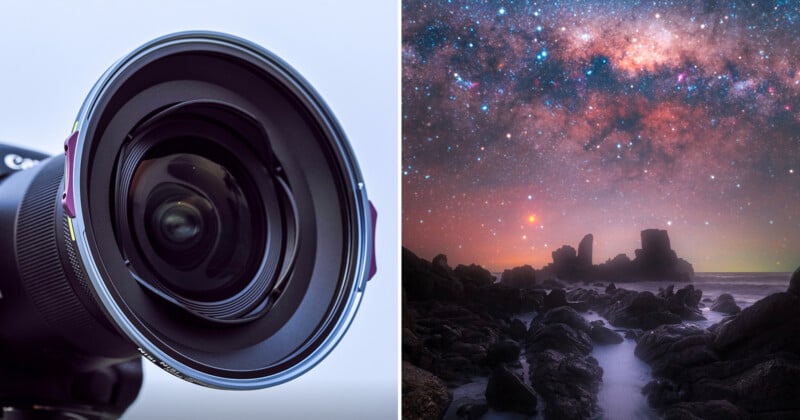
The integration of the Star Soft glass into the JetMag Pro system highlights NiSi’s commitment to hardware ergonomics. Traditional screw-on filters can be notoriously difficult to handle in the dark or while wearing gloves—two conditions that are nearly universal in professional astrophotography. The JetMag Pro system utilizes high-strength magnets and a patented locking mechanism to allow for near-instantaneous attachment and removal.
The 82MAG version of the Star Soft filter is designed for a universal fit via magnetic adapter rings. This allows a photographer to move the filter between different lenses in seconds, a critical advantage when chasing transient light or dealing with rapidly changing weather conditions. The MAXMAG version, however, represents the more significant engineering feat. Ultra-wide lenses, such as the Sony FE 14mm f/1.8 GM or the Nikon Z 14-24mm f/2.8 S, have long presented a challenge for filter manufacturers due to their protruding front glass.
NiSi’s MAXMAG system solves this by using dedicated external mounting adapters that create a magnetic interface around the lens barrel. This allows the Star Soft filter to sit securely in front of the lens without the need for the bulky, heavy 150mm square filter holders that were previously the only option for these optics. Furthermore, the MAXMAG design is optimized to prevent vignetting even at 14mm, allowing photographers to stack multiple filters—such as a Star Soft combined with a Light Pollution filter—without darkening the corners of the frame.
Contextualizing the Shift in Astrophotography Trends
The launch of the Star Soft filters is a direct response to a broader evolution within the photography industry. For the past decade, the "Megapixel War" and the race for "Optical Perfection" dominated the market. Lenses became sharper, and sensors became more sensitive, leading to night-sky images that were technically flawless but, to some critics, visually sterile.
In the last three to five years, a counter-movement has emerged. Influenced by the resurgence of film photography and the "dreamy" aesthetics popularized on social media platforms, many professional landscape photographers have begun seeking ways to "de-sharpen" their digital output. This trend has seen a massive uptick in the sales of vintage lenses and diffusion filters. By releasing a product specifically "Star Soft" branded, NiSi is validating this artistic shift, acknowledging that for many creators, the "feeling" of a night scene is more important than the mathematical precision of the star points.
Industry analysts suggest that this move also allows NiSi to compete more effectively with high-end boutique filter brands. By offering a proprietary magnetic system that combines speed with specialized glass, NiSi is positioning itself as the go-to ecosystem for the adventurous outdoor photographer who prioritizes both image quality and field efficiency.

Comparative Market Analysis and Pricing
The NiSi JetMag Pro Star Soft filters enter a competitive market currently occupied by brands like Hoya, Kenko, and Lee Filters. However, most competitors still rely on either traditional screw-on threads or large square glass systems. NiSi’s primary advantage here is the magnetic attachment speed and the specific optical formula of the "Star Soft" glass, which is marketed as being more subtle than a standard "Black Mist" filter.
Pricing for the new lineup reflects its positioning as professional-grade equipment. The JetMag Pro Star Soft 82MAG Magnetic Filter is currently available for pre-order at a retail price of $115. The larger, more complex JetMag Pro Star Soft MAXMAG Magnetic Filter is priced at $220. While these prices are higher than entry-level diffusion filters, they are competitive when compared to the cost of 150mm square filter systems, which often require holders costing upwards of $150 before the glass is even purchased.
NiSi has confirmed that both versions of the filter are currently in the production phase. While specific shipping dates have not been finalized, the filters are expected to reach global distributors in the coming months, timed to coincide with the peak Milky Way season in the Northern Hemisphere.

Broader Implications for the Photography Industry
The release of the Star Soft filters suggests a future where filter manufacturers focus less on "corrective" optics (such as UV filters) and more on "creative" optics. As camera sensors become increasingly capable of handling dynamic range and color in-body, the role of the external filter is shifting toward providing unique optical signatures that are difficult to achieve digitally.
For the professional community, the JetMag Pro system’s growth indicates that magnetic mounting is becoming the new standard for high-end workflows. The convenience of being able to "snap" a filter onto a lens in total darkness cannot be overstated for those working in remote locations. As NiSi continues to expand this ecosystem with specialized glass like the Star Soft, it builds a "walled garden" that encourages photographers to stay within the JetMag Pro family for all their filtration needs.
In summary, the NiSi JetMag Pro Star Soft filters represent a intersection of mechanical convenience and artistic expression. By providing a tool that softens the harshness of digital capture while emphasizing the natural beauty of the night sky, NiSi is catering to a modern generation of photographers who view the camera not just as a recording device, but as an instrument for atmospheric interpretation. As the product moves from production to the hands of creators, it is likely to further cement the trend of "stylized" astrophotography as a mainstay of the genre.

