


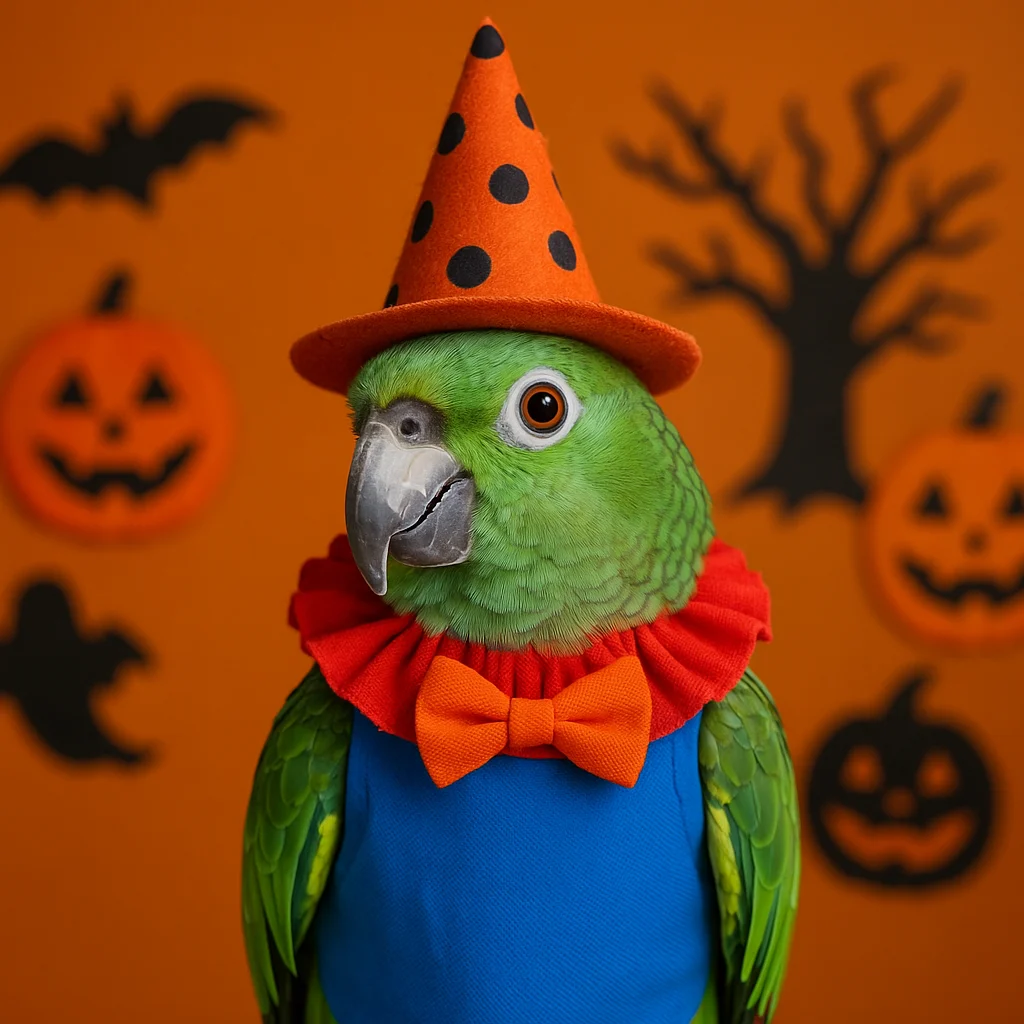
As October 31st approaches, the atmosphere transforms with festive decorations, costumed revelers, and the general merriment of Halloween. While this annual tradition brings joy to many, it simultaneously presents a unique set of challenges and potential stressors for companion birds, whose sensitive physiology and innate instincts are often ill-equipped to handle the sudden disruption to their routine and environment. What humans perceive as harmless fun—flashing lights, unfamiliar faces, loud noises, and altered schedules—can be genuinely terrifying for parrots and other pet birds, potentially leading to acute stress, behavioral issues, and even health complications. Understanding these specific vulnerabilities and implementing proactive measures is crucial for owners committed to ensuring their feathered friends navigate the holiday safely and calmly.
The core issue stems from a fundamental difference in how humans and birds perceive their surroundings. Birds, as prey animals, possess highly acute senses developed for detecting threats. Their hearing is far more sensitive than a human’s, their eyesight can perceive a broader spectrum of light, and their innate "flight or fight" response is easily triggered by novelty, sudden movements, or perceived danger. Halloween, by its very nature, introduces an abundance of these triggers into a previously predictable home environment. From the early evening hours, typically a time of winding down for birds, until late into the night, homes are transformed by an influx of stimuli that can overwhelm a bird’s delicate system.
The Unsettling Symphony: Loud Noises and Startles
One of the most pervasive stressors during Halloween is the cacophony of sounds. Doorbells ringing incessantly, children screaming with excitement or mock fright, spooky soundtracks emanating from decorations, and even the increased volume of household conversations can create an auditory nightmare for birds. Avian auditory systems are highly developed, allowing them to detect subtle changes in their environment, which is vital for survival in the wild. Research indicates that birds can perceive a wider range of frequencies and discern individual sounds within a complex auditory landscape with greater precision than humans. This heightened sensitivity means that sounds that are merely moderate to humans can be perceived as painfully loud or acutely alarming by birds.
When exposed to sudden, loud, or continuous noise, a bird’s stress hormones, particularly corticosterone, can spike. This physiological response is part of their natural defense mechanism, preparing them for immediate escape. However, in a captive environment where escape is not possible, this prolonged state of alert can be detrimental. Behavioral manifestations of noise-induced stress include screaming, pacing, feather plucking, or attempting to hide. In extreme cases, chronic noise exposure can lead to immunosuppression, making birds more susceptible to illness.
To mitigate noise-related stress, proactive steps are essential. Prior to the onset of trick-or-treating, moving the bird’s cage to a quieter, interior room, away from the front door and windows, is highly recommended. Closing windows and drawing curtains can further help muffle external sounds. Employing white noise machines, air purifiers, or playing calming, low-volume music (such as classical music or nature sounds specifically designed for pets) can help mask startling noises and create a more tranquil acoustic environment. It is important to reward calm behavior with gentle praise or a favorite treat, rather than attempting to comfort fear, as this can inadvertently reinforce anxious responses.
Disrupted Rhythms: Guarding Sleep Time
Birds thrive on routine, and a consistent sleep schedule is paramount for their physical and psychological well-being. Most companion parrots require between 10 to 14 hours of uninterrupted darkness and quiet sleep each night to remain healthy and well-adjusted. Halloween festivities, however, typically coincide directly with a bird’s natural winding-down period and early sleep cycle. The sudden bright lights, loud noises, and human activity can abruptly pull a bird out of their sleep, leading to fragmented rest.
A single night of disrupted sleep might seem minor, but for a creature whose biological clock is finely tuned to natural light cycles, it can have significant repercussions. Sleep deprivation in birds can manifest as irritability, increased aggression (nipping or biting), lethargy, or excessive screaming the following day. Prolonged or repeated sleep disturbance can contribute to more severe issues such as feather destructive behavior, immune system compromise, and an overall decline in quality of life.
To protect a bird’s crucial sleep, owners should establish a predictable bedtime routine well in advance of Halloween night. This includes covering the cage with a dark, breathable cover or moving the bird to a designated "sleep cage" in a quiet, dark room, ideally by early evening. Ensuring the chosen space is truly undisturbed by external light or sound is critical. The aim is to replicate the conditions of their natural roosting environment, allowing for deep, restorative sleep despite the surrounding festivities.
Costumes and Company: Visual Threats and Unfamiliarity
The visual landscape of Halloween can be equally distressing for birds. Masks, elaborate costumes, and face paint, while fun for humans, can appear as direct threats or radically alter familiar perceptions for a bird. To a parrot, a person in a mask might resemble a large, unfamiliar predator, triggering an instinctive fear response. Even familiar individuals, when adorned in wigs or heavy makeup, can become unrecognizable, disrupting the bird’s sense of security and predictability. This can lead to intense fear, defensive behaviors like biting or lunging, or a complete withdrawal and hiding.
The presence of numerous strangers in the home, especially children who may approach the cage out of curiosity, further exacerbates the situation. Birds can become overwhelmed by the sheer volume of unfamiliar faces, movements, and voices. Avian veterinarians and behavioral specialists often emphasize that a bird’s sense of security is heavily reliant on a stable, predictable social environment. Any deviation from this, especially one involving perceived threats, can be profoundly unsettling.
The simplest and most effective strategy is to completely remove the bird from the immediate vicinity of guests and costumed individuals. Place the bird in a secure, separate room that is designated as a safe haven for the evening. This room should be quiet, dimly lit, and free from any direct view of the Halloween activities. It is also crucial to resist the temptation to include the bird in Halloween-themed photoshoots or to dress them in costumes. While human owners may find it amusing, avian experts universally advise against dressing birds. Costumes restrict natural movement, can impede breathing, and are almost universally a source of stress and discomfort for the bird, potentially leading to panic or injury.
Dietary Dangers: The Perils of Human Treats
Halloween is synonymous with candy and treats, but these human indulgences pose significant health risks to birds. Sharing Halloween candy, even in small amounts, is strictly prohibited. Most human sweets contain ingredients that are toxic or highly detrimental to avian health. Chocolate, for instance, contains theobromine and caffeine, which birds cannot metabolize effectively and can lead to hyperactivity, tremors, seizures, cardiac arrest, and even death. Xylitol, a common artificial sweetener found in many candies and sugar-free products, is also highly toxic. High sugar and fat content, prevalent in most Halloween treats, can lead to obesity, liver disease, and other metabolic disorders in birds over time.
Instead of sharing human candy, owners should prepare bird-safe treats as a special Halloween indulgence. Plain, unsalted nuts like almonds or walnuts, small pieces of unsweetened dried fruit (ensuring no added sugars or preservatives), or fresh, bird-safe vegetables (like pumpkin flesh or carrot sticks) can be offered. These not only provide a healthy alternative but can also serve as a positive distraction during a potentially stressful evening.
Broader Implications and Expert Consensus
The cumulative effect of these Halloween-related stressors can extend beyond a single night. Chronic stress can manifest in various ways, including:
- Behavioral Regressions: Previously house-trained birds might start having accidents, or calm birds might become unusually vocal or aggressive.
- Feather Destructive Behavior: Increased plucking, picking, or even self-mutilation can be a direct result of prolonged anxiety.
- Immune System Compromise: Elevated stress hormones suppress the immune system, making birds more vulnerable to bacterial, viral, or fungal infections.
- Digestive Issues: Stress can impact gut motility and nutrient absorption, leading to gastrointestinal upset.
Avian veterinarians and animal welfare organizations universally advocate for proactive measures to protect companion birds during holidays like Halloween. Dr. Sarah Miller, an avian veterinarian, stated in a recent symposium on pet welfare, "Our responsibility as pet owners extends to understanding the unique needs of each species. For birds, holidays can be particularly challenging. Their instinctual responses to novelty and perceived threats are hardwired, and it’s up to us to create a buffer zone for their well-being." Diane Burroughs, a recognized authority on bird care and author of "Why Fireworks Scare Birds and How to Help," emphasizes consistency in routine and creating safe, predictable environments as cornerstones of avian welfare.
Comprehensive Preventative Strategies
To ensure a "calm-not-carved" Halloween for birds, owners should consider a multi-faceted approach:
- Designate a Safe Haven: Identify a quiet, interior room in the home, away from the front door and windows. This room should be used exclusively for the bird during peak Halloween activity.
- Early Relocation: Move the bird and its cage to the safe room before trick-or-treaters begin arriving, ideally in the late afternoon.
- Sound Management: Close windows, draw blinds, and utilize white noise machines, calming music, or even a running fan to help mask external sounds. Ensure the bird’s cage is covered with a dark, breathable fabric to provide a sense of security and block visual stimuli.
- Maintain Routine: Keep the bird’s feeding schedule, interaction times, and bedtime as consistent as possible leading up to and on Halloween night. Predictability is a powerful stress reducer.
- Enrichment and Distraction: Offer a favorite foraging toy or puzzle feeder filled with bird-safe treats (e.g., plain almonds, walnuts, unsweetened dried fruit, or chunks of cooked sweet potato) before the festivities begin. This can provide a positive distraction.
- Calming Aids (Consultation Recommended): For particularly anxious birds, discuss with an avian veterinarian the possibility of using natural calming supplements. Products like UnRuffledRx™ Calming Formula or Aloe Vera Bird Spray, as mentioned by bird care experts, can help take the edge off, but should always be used under professional guidance.
- Post-Event Wind-Down: Once the Halloween activities subside, slowly reintroduce the bird to its normal environment, offering a calm evening snack and extra praise for their resilience.
- Outdoor Decoration Awareness: Be mindful of external Halloween decorations. Flashing lights, moving figures, or spooky sounds near windows can still cause distress even if the bird is inside. Consider limiting such decorations in areas visible from the bird’s primary living space.
Halloween Bird Safety 101 (Expanded FAQ Style)
Q: Can I dress my bird up in a costume for Halloween?
A: It is strongly advised against. Costumes can be highly stressful for birds, restricting their natural movement, potentially impeding breathing, and causing panic or injury. Birds do not understand the concept of dress-up and perceive it as a threat or an uncomfortable constraint. Their welfare should always take precedence over human amusement.
Q: What if my bird screams or shows extreme anxiety throughout the night?
A: If your bird is exhibiting significant distress, ensure it is in the quietest, darkest part of your home. Continue to use soft, calming music or white noise. Avoid directly comforting the bird while it’s screaming, as this can inadvertently reinforce the behavior. Instead, reward quiet moments with a gentle voice or a small treat. If distress is severe or prolonged, consult an avian veterinarian, as they may recommend temporary calming medications or further behavioral strategies.
Q: Can I share Halloween candy or other human treats with my bird?
A: Absolutely not. Most human Halloween treats contain ingredients such as chocolate, caffeine, excessive sugar, artificial sweeteners (like xylitol), and high fat content, all of which are toxic or highly detrimental to a bird’s health. Even small amounts can cause severe illness or death. Stick to bird-safe alternatives like plain nuts, unsweetened dried fruit, or fresh vegetables.
Q: Are certain types of birds more susceptible to Halloween stress than others?
A: While all birds can experience stress, species known for their sensitivity, such as cockatoos and African Greys, might be particularly vulnerable due to their complex emotional needs and strong need for routine. However, individual temperament plays a significant role, with some birds being more resilient than others. It’s crucial for owners to know their bird’s individual personality and stress signals.
Q: What are common signs of stress in birds that I should look for?
A: Signs of stress can include increased vocalization (screaming), feather destructive behaviors (plucking, picking), pacing, hiding, changes in appetite, aggression (biting, lunging), regurgitation, or a general withdrawal and listlessness. Any deviation from your bird’s normal behavior should be observed closely.
Q: How can I prepare my bird for loud noises in general, not just Halloween?
A: Gradual desensitization can be effective. Expose your bird to low-level, controlled sounds that mimic potential stressors (e.g., doorbell sounds played softly) and gradually increase the volume over time, always pairing the sound with positive reinforcement (treats, praise). This helps create a positive association. However, this is a long-term strategy and not a quick fix for an immediate event like Halloween.
Wrap-Up: No Tricks, Just Treats for a Calm Bird
Halloween does not have to be a source of terror for your feathered companion. With thoughtful planning, a focus on creating quiet, safe spaces, diligent maintenance of consistent routines, and the strategic use of natural calming support, owners can transform what might otherwise be a frightful night into a peaceful evening. The commitment to understanding and addressing a bird’s unique physiological and psychological needs during such a potentially overwhelming holiday underscores responsible pet ownership. By prioritizing avian welfare, owners ensure that their beloved birds remain healthy, happy, and well-adjusted, ready to enjoy many more tranquil nights long after the last trick-or-treater has departed.
In conclusion, knowing your bird needs calm and predictability is one thing—but actually creating that peace takes the right tools and a proactive approach. From specialized calming formulas to simple environmental modifications, a wealth of resources exists to support bird wellness. Experts like Diane Burroughs, through platforms such as BirdSupplies.com Blog, have dedicated years to developing safe, trusted products and sharing invaluable advice that supports bird welfare from the inside out. By leveraging these insights and preparing diligently, every bird owner can ensure their cherished companion experiences a Halloween filled with comfort, not fear.
Related Posts:
- Why Fireworks Are Traumatic for Birds
- Finding a Bird Sitter for a Worry-Free Getaway
- How to Calm a Stressed Parrot
References:
- Burroughs, D. (2024). “Why Fireworks Scare Birds and How to Help.” BirdSupplies.com Blog.
- Association of Avian Veterinarians (AAV): Stress Management and Enrichment in Companion Birds.
- Pirotta, V., & Smith, J. (2014). Avian Behavioral Ecology. Cambridge University Press.
- Speer, B. L. (2016). Current Therapy in Avian Medicine and Surgery. Elsevier.
Link to this blog:
https://birdsupplies.com/blogs/bird-care/halloween-stress-for-birds

